With the rapid advancement of intelligent robots, understanding human-centered autonomy is vital for you as a user or developer. This concept emphasizes the need to create robots that not only perform tasks efficiently but also align with your expectations and trust levels. Striking a balance between control and trust ensures that you can effectively interact with these systems while feeling secure in their decisions and actions. In this post, we will explore the key elements that contribute to this balance and how you can apply them in your endeavors.
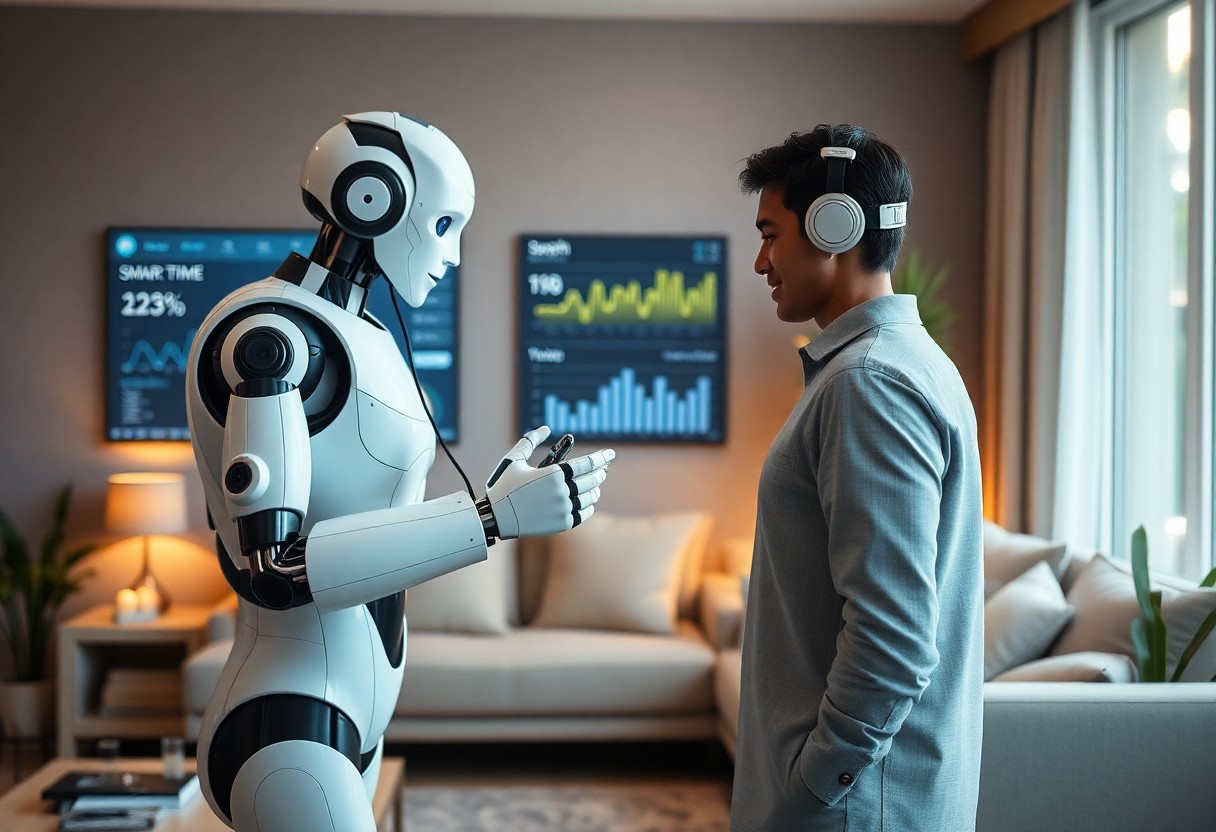
Defining Human-Centered Autonomy
Understanding human-centered autonomy requires a nuanced exploration of how autonomy interacts with human oversight and control. This framework prioritizes not only the capabilities of intelligent robots but also how they can effectively collaborate with humans. By positioning human needs and preferences at the forefront, you can enhance both the functionality and acceptance of these systems in various environments.
The Concept of Autonomy
Autonomy in intelligent systems refers to the ability of machines to perform tasks independently, making decisions without human intervention. However, this independence varies in degrees-from fully autonomous operations, like self-driving cars on highways, to semi-autonomous systems, such as drones that require human input for sensitive missions. Understanding these levels is important for integrating these technologies into your daily life.
The Role of Humans in Autonomous Systems
Humans play a vital role in shaping how autonomous systems function, from initial design to ongoing operation. Your input defines how these systems should behave, ensuring they align with ethical standards and societal expectations. Moreover, your insights can guide the iterative process of improving robot interactions, ultimately fostering user confidence and satisfaction in their capabilities.
In practice, human oversight is not limited to the design phase; it extends into real-time operations where humans monitor system performance and intervene when necessary. For example, in autonomous vehicles, you may assume full control during adverse weather conditions or intricate navigation scenarios. This dynamic relationship emphasizes that while robots can manage tasks independently, your role remains pivotal in ensuring safety, efficiency, and ethical compliance, thereby balancing control with reliance on technology.
Trust in Intelligent Robots
Trust plays a vital role in your interactions with intelligent robots, influencing your willingness to rely on their capabilities. As you engage with these machines, establishing a reliable relationship is important for effective collaboration. When you trust the robot, you are more likely to delegate tasks and enhance productivity.
Factors Influencing Trust
Your trust in robots is shaped by several factors, including reliability, consistency in performance, and predictability of behavior. Design aspects, such as communication cues and user-friendliness, also significantly impact your perception of trustworthiness.
- Reliability in performance over time
- Effective communication and feedback mechanisms
- Transparency in decision-making processes
Any discrepancies or failures can quickly erode this trust, emphasizing the need for robots to meet your expectations consistently.
Building Trust through Design
Designing robots with trust in mind is key to fostering a positive relationship with users like you. A user-centric approach can enhance your confidence and comfort in robotic systems. Elements such as intuitive interfaces, consistent feedback loops, and the ability to understand and anticipate your needs create an environment where trust flourishes.
For example, robots that utilize natural language processing can interact more effectively, allowing you to understand their capabilities and limitations better. Case studies demonstrate that robots designed with aesthetic appeal, safety features, and personalized interactions foster increased trust. By integrating these design principles, developers ensure that intelligent robots not only perform effectively but also align with your expectations, leading to a more harmonious coexistence and greater operational efficiency.
Balancing Control and Autonomy
Striking the right balance between control and autonomy in intelligent robots is imperative for effective collaboration. You need to assess when to allow the machine to operate independently and when to intervene, ensuring that the robot responds appropriately to your needs while maintaining a sense of security. This equilibrium enhances user efficiency and promotes confidence in robotic capabilities, ultimately leading to a more productive partnership between human and machine.
Control Mechanisms in Intelligent Robots
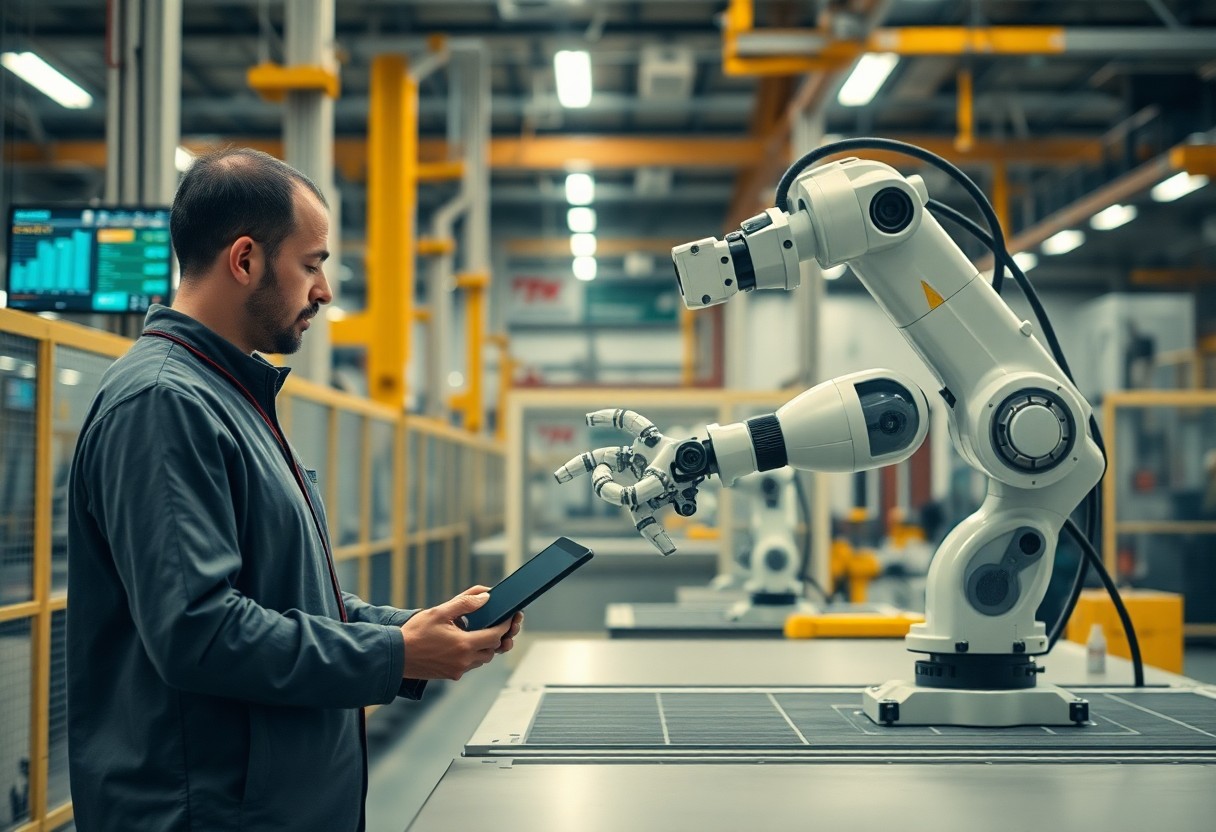
Control mechanisms play a significant role in ensuring intelligent robots operate safely and effectively within human environments. You may encounter various control strategies, such as teleoperation, where you can directly manage a robot’s actions, or semi-autonomous modes that allow for shared decision-making. These controls ensure that robots can adapt to complex scenarios while still providing you with oversight and authority when needed.
User-Centric Approaches to Autonomy
User-centric approaches to autonomy prioritize your preferences and understanding, making interactions with robots more intuitive. By tailoring intelligent systems to your specific requirements, developers can enhance your experience and trust. This focus may involve gathering feedback, allowing for personalization, or employing algorithms that adapt to your behavior, ensuring that the autonomy of the robot aligns with your expectations and comfort levels.
In-depth user-centric approaches often incorporate techniques such as participatory design and co-creation, where you actively contribute to the design process of intelligent robots. This engagement helps tailor their functions and interfaces to better suit your needs. For instance, in healthcare settings, robots can be programmed to learn from your feedback, adapting their assistance to optimize care for patients. By ensuring autonomy reflects your input, these systems become more aligned with human preferences and enhance trust, ultimately fostering a safer, more cooperative environment where autonomy enhances rather than replaces human involvement.
Ethical Considerations in Human-Robot Interaction
Ethical considerations play a significant role in the development and integration of intelligent robots into daily life. You must address the moral implications of decision-making algorithms, ensuring they align with societal values and human rights. Issues such as bias, privacy, and transparency need your attention, as they can deeply affect public trust and acceptance of robotic technologies. Establishing clear ethical guidelines will help you navigate these challenges, fostering a more responsible approach to human-robot interactions.
Accountability and Responsibility
As intelligent robots begin to take on more autonomous roles, the distribution of accountability becomes complex. You face the challenge of determining who is responsible when a robot makes a mistake or a harmful decision. Manufacturers, programmers, and users each hold varying degrees of liability, making it imperative for you to establish clear frameworks detailing responsibility to ensure ethical interactions.
Ensuring Safety and Security
Prioritizing safety and security in human-robot interactions is non-negotiable. You need to incorporate robust safeguards and fail-safes into robotic systems to prevent accidents and malicious attacks. Regular updates and security audits will help in identifying vulnerabilities. Security breaches can undermine trust, particularly in applications like healthcare, where error margins are minimal, highlighting the need for stringent protective measures.
For instance, consider autonomous vehicles, where software failures could lead to accidents. Implementing protocols such as redundant systems and real-time monitoring can substantially reduce risks. Additionally, ensuring that user interfaces are intuitive allows you to maintain control over robots while assuring safety. Ongoing collaboration with cybersecurity experts will keep your systems resilient against potential threats, thereby reinforcing trust in the technology as a whole. Evaluating incident reports and user feedback will also enable you to refine safety mechanisms continuously.
Case Studies of Human-Centered Autonomy
Examining real-world applications showcases the profound impact of human-centered autonomy in various fields. Research highlights tangible outcomes that improve human-robot collaboration.
- Autonomous surgical robots showed a 30% reduction in recovery time for patients compared to traditional methods.
- In elder care, robots providing companionship decreased feelings of loneliness in 65% of participants.
- Autonomous vehicles demonstrated a 40% decrease in traffic accidents in pilot studies.
- A customer service robot increased satisfaction ratings by 25% in retail environments.
- Collaborative robots in manufacturing improved productivity by 20% while reducing injuries by 15%.
For more insights, explore Human-Centered AI and Autonomy in Robotics.
Applications in Healthcare
In healthcare, human-centered autonomy is transforming patient care. Intelligent robots assist in surgeries with precision, leading to faster recoveries and improved outcomes. They also help in rehabilitation, adapting to individual patient needs to enhance recovery processes.
Applications in Transportation
Transportation sectors benefit significantly from human-centered autonomy through autonomous vehicles designed to enhance safety and efficiency. By integrating advanced algorithms, these vehicles enable safer navigation, optimize traffic flow, and reduce emissions.
Autonomous transport systems like buses and shuttles are already active in cities, achieving a 15% increase in efficiency. Furthermore, pilot programs observing passenger interactions have recorded an 80% approval rating, showcasing the importance of user trust in the adoption of these technologies. Systems using AI for route optimization have decreased delivery times by up to 30%, illustrating the potential for further innovation in transportation. The convergence of technology and user-centered design is poised to redefine how you experience mobility.
Future Directions in Autonomous Technology
As you explore the future of autonomous technology, expect groundbreaking advancements that enhance efficiency and adaptability. Emerging innovations like autonomous swarms for environmental monitoring or AI-driven personal assistants will work seamlessly alongside humans. These developments reflect a shift towards more collaborative frameworks where machines interpret human intent and context with increasing precision, paving the way for smarter urban environments and safer workplaces.
Innovations on the Horizon
In autonomous vehicles, next-generation sensor technologies and machine learning advancements will drive a new wave of safety and reliability. Concepts like vehicle-to-everything (V2X) communication will allow vehicles to interact not only with each other but also with infrastructure and pedestrians. These innovations aim to create a networked ecosystem that enhances overall traffic efficiency and reduces accidents.
Implications for Society
The societal implications of these technological advancements are profound, as they will reshape job markets, urban planning, and personal interactions. As autonomous systems take on more tasks, you may witness disruptions in employment sectors and shifts in skill requirements, necessitating new educational initiatives to prepare the workforce. Furthermore, improved safety and efficiency in autonomous vehicles will likely lead to reduced traffic fatalities, transforming how you navigate your daily life.
Consider the profound impact on your community; as cities integrate autonomous technologies, public transportation could become more efficient and accessible, helping reduce congestion and pollution. However, this shift also poses challenges, such as ensuring equitable access to technology and addressing the digital divide. The interaction between humans and intelligent systems hinges on your acceptance and trust in these innovations, making public discourse vital in determining the ethical frameworks that govern their development and deployment.
Final Words
Now that you’ve explored the dynamics of human-centered autonomy, it’s clear that achieving an effective balance between control and trust is crucial. As you engage with intelligent robots, your insights and decisions shape their development and integration into your life. Emphasizing user-centered design will enhance your interaction, fostering an environment where both you and the robots can thrive together. By prioritizing this balance, you can help create a future where autonomy works seamlessly with human needs and expectations.