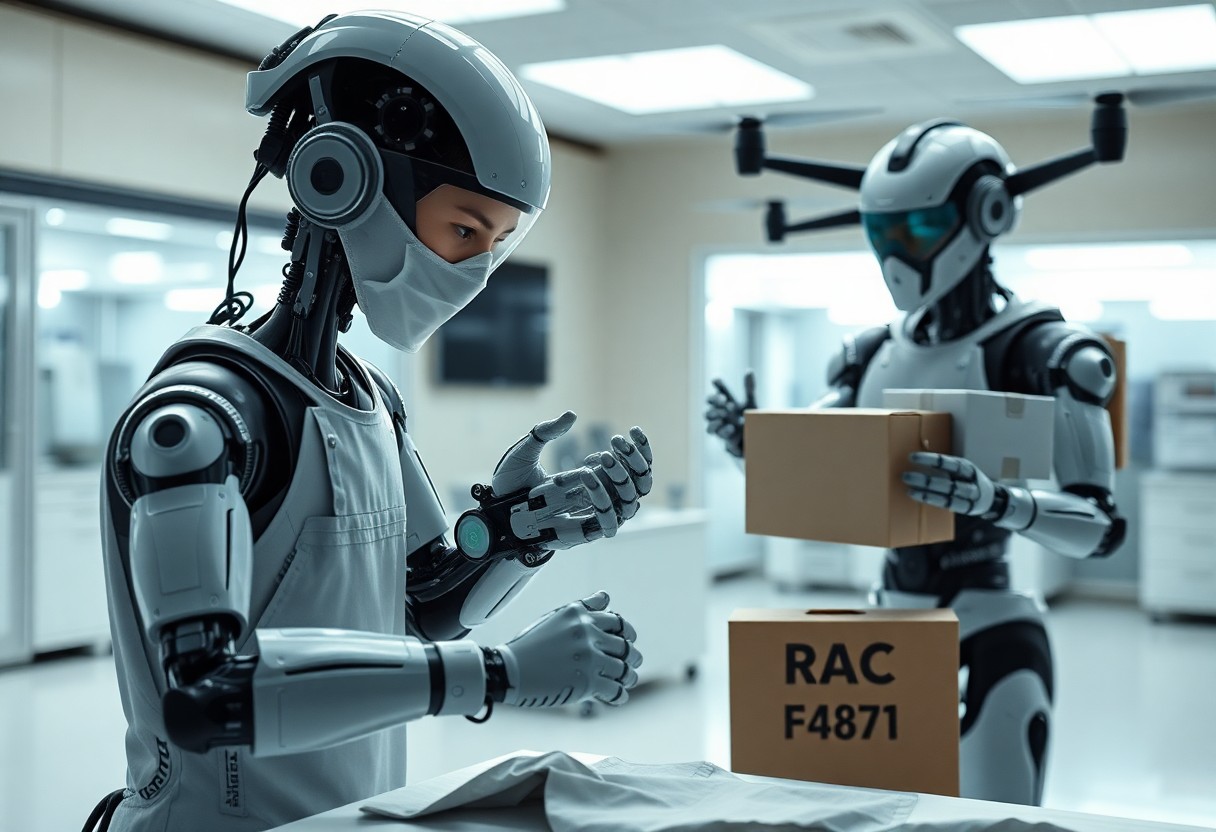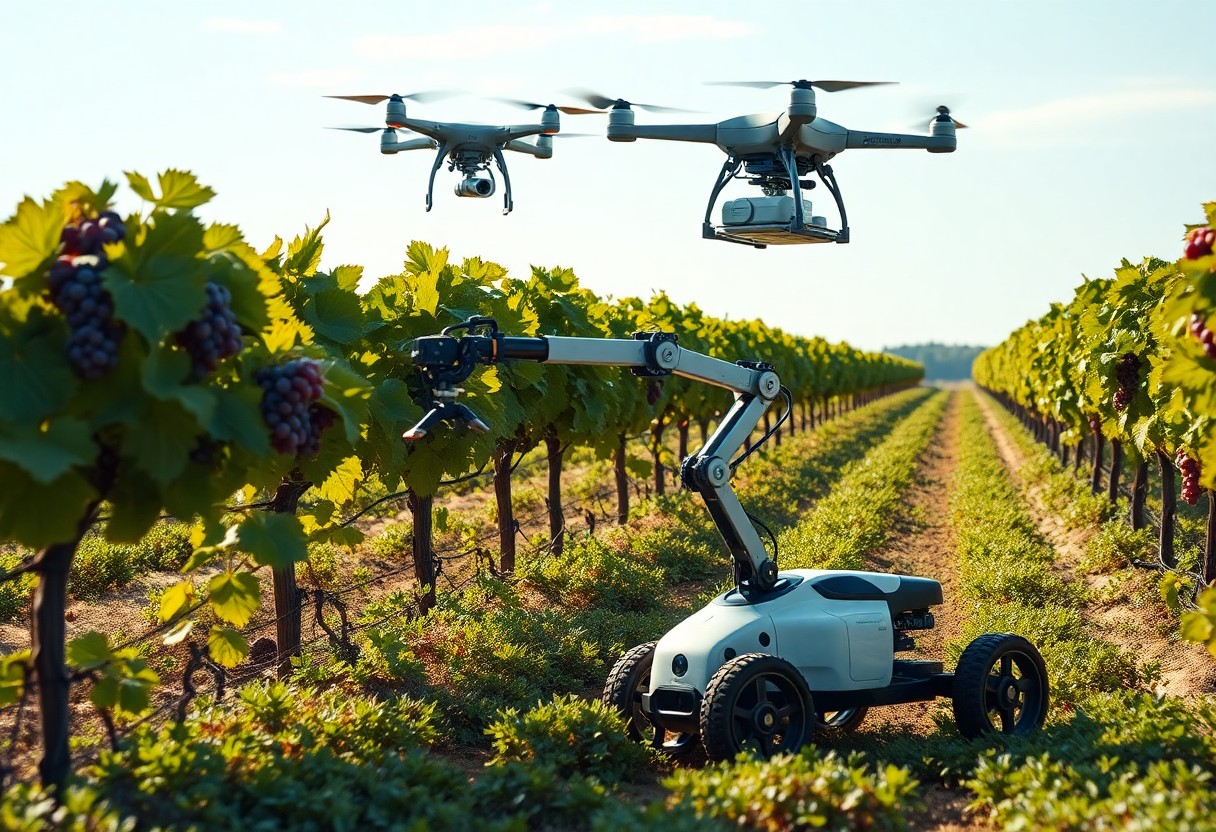
Robots equipped with edge-computing capabilities are revolutionizing various industries by enabling faster processing, smarter decision-making, and increased autonomy. By processing data closer to the source, these robots improve response times and reduce latency, allowing you to enhance operational efficiency and adaptability. This blog post explores how edge-computing technology empowers your robotic systems, driving innovation and transforming the way you approach complex tasks.
Understanding Edge Computing
In the context of robotics, edge computing allows processing power to be distributed closer to the source of data generation. This minimizes latency and bandwidth issues associated with cloud computing, enabling robots to make real-time decisions based on their environment without dependency on centralized data centers.
Definition and Key Concepts
Edge computing refers to the practice of processing data at or near the location where it’s generated, rather than relying on a centralized data center. This concept includes various technologies such as IoT devices, local servers, and gateways, all working together to facilitate efficient data handling and analysis closer to the action.
Importance in Robotics
The integration of edge computing in robotics provides transformative advantages, including enhanced autonomy and faster operational capabilities. By processing data locally, robots can react to situational changes more quickly, thereby improving safety and efficiency in tasks like navigation, manufacturing, and surveillance.
The significance of edge computing in robotics is evident in applications like autonomous vehicles, where milliseconds can make a difference in safety and performance. Real-time data processing from sensors enables these machines to adapt to dynamic environments on the fly. For instance, a self-driving car can detect an obstacle and initiate corrective actions before relying on cloud analysis, significantly reducing reaction time. Moreover, edge computing minimizes data transmission costs and bandwidth strain, allowing for smoother operation in environments with limited connectivity.
Advantages of Edge-Computing Robots
Leveraging edge computing brings numerous benefits to robotics, enhancing performance and efficiency. These robots can process data locally, reducing the need for constant communication with centralized servers, leading to faster decision-making and improved accuracy. For further insights, read about How Physical Computing and Edge Devices Are Shaping ….
Speed and Response Time
With edge computing, your robots achieve remarkable speed and response times. They analyze data in real-time, allowing for immediate reactions to changing environments or tasks. For instance, autonomous drones can make split-second decisions while navigating obstacles, enhancing safety and efficiency in operations.
Reduced Latency
Robots equipped with edge computing capabilities experience significantly reduced latency. By processing data closer to the source, these devices minimize delays that often occur when data travels long distances to centralized servers. This improvement is vital in applications requiring real-time feedback, such as automated manufacturing lines or autonomous vehicles.
For practical examples, consider a self-driving car that processes sensor data locally, enabling immediate adjustments to speed and direction as conditions change. This local processing eliminates transmission delays, ensuring a smooth and safe ride. Similarly, robots in warehouse settings can optimize inventory management on the fly, reacting quickly to shifts in stock levels, thus enhancing overall operational efficiency.
Enhancing Intelligence with Edge Computing
Edge computing significantly amplifies the intelligence of robots by enabling processing at the data source, reducing latency and optimizing real-time decision-making. This allows robots to operate more efficiently, adapting to new situations faster than centralized systems, enhancing their autonomous capabilities in dynamic environments.
Machine Learning Integration
Integrating machine learning algorithms at the edge allows robots to learn and adapt to their surroundings instantaneously. Instead of relying on distant data centers for processing, these algorithms can continuously refine models based on local data inputs, resulting in smarter, context-aware operations that dramatically improve task performance.
Real-Time Data Processing
Real-time data processing enables robots to analyze and respond to information immediately, affecting their operational efficiency and responsiveness. With edge computing, the latency associated with data transmission to cloud servers is minimized, allowing for quick adjustments in complex environments, whether it’s navigating obstacles or optimizing workload distribution.
The impact of real-time data processing cannot be overstated. For instance, in manufacturing settings, robots equipped with edge computing can instantly adjust their actions based on sensor feedback related to machine performance or operational anomalies. This instant response capability leads to significant downtimes reductions and increased productivity. In agriculture, real-time analysis can allow drones to react to environmental changes, adjust spraying or seeding patterns accordingly, and improve yields by making split-second decisions based on real-time conditions. Edge computing, thus, transforms traditional robotic applications into highly adaptive autonomous systems.
Autonomy in Edge-Computing Robots
Achieving higher levels of autonomy in robots relies heavily on edge computing, allowing devices to operate independently in real-time without constant cloud connection. With localized data processing, robots can make swift decisions based on immediate environmental feedback, which is vital for tasks requiring adaptability and speed. This autonomy not only improves efficiency but also permits operations in remote or bandwidth-limited areas where connectivity issues might impede cloud-dependent algorithms.
Decision-Making Capabilities
Equipped with advanced artificial intelligence, edge-computing robots possess enhanced decision-making capabilities, allowing for rapid responses to dynamic situations. By analyzing data locally, they can evaluate numerous variables and make informed choices on the spot, significantly reducing latency. This quick processing enables robots to adapt to unforeseen challenges, like changes in terrain or the presence of obstacles, ensuring they perform their tasks effectively.
Applications Across Industries
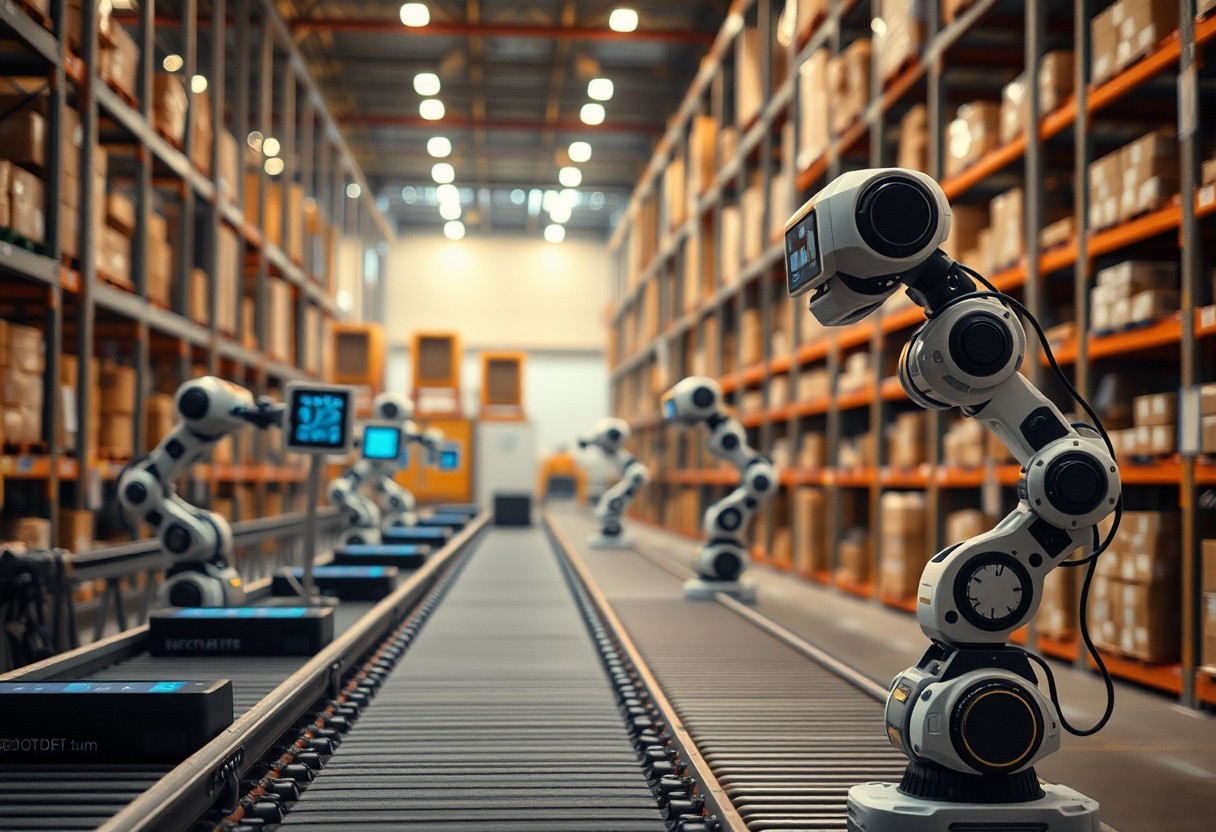
Edge-computing robots have found diverse applications across various industries, significantly transforming sectors such as manufacturing, agriculture, and logistics. In manufacturing, these robots optimize operations through real-time monitoring and adjustments on the assembly line. Meanwhile, agricultural robots utilize edge computing for precision farming, analyzing soil and crop conditions instantly to enhance yield and resource management. In logistics, they streamline warehouse operations by navigating through complex environments autonomously and efficiently.
Edge-computing robots revolutionize industry processes by providing powerful tools that boost productivity and responsiveness. In the manufacturing sector, for instance, robots equipped with edge computing analyze production data to make adjustments in real time, minimizing downtime. In agriculture, they utilize local data to optimize planting and harvesting through detailed soil analysis, which can increase yields significantly. Logistics companies benefit by deploying robots that optimize picking routes and inventory management, drastically reducing shipping times and errors. This versatility proves that leveraging edge computing is not just a trend but a transformative approach across many industries.
Challenges and Limitations
While edge-computing robots offer significant advancements, they also face notable challenges and limitations. These include issues such as insufficient connectivity in remote locations, which can hinder data transmission and processing capabilities, and the limited computational power of smaller devices, affecting their overall performance. Furthermore, scaling these technologies can present logistical issues, especially across diverse environments requiring uniformity in operations.
Infrastructure Requirements
To fully leverage edge-computing robots, robust infrastructure is important. This includes reliable network coverage with low latency and high bandwidth, as well as sufficient hardware that can support advanced algorithms. You must also ensure power sources are available in remote locations to maintain operational continuity, and this could necessitate the integration of renewable energy solutions.
Security Concerns
Security presents a significant challenge for edge-computing robots. Cyber threats targeting data integrity and privacy are prevalent, especially with the increased data processing occurring outside centralized systems. You must implement rigorous security measures, including encryption and secure authentication protocols, to safeguard sensitive information from potential breaches.
Data obtained and processed by edge-computing robots may include personal information, making it a target for cyber-attacks. The decentralized nature of edge computing increases vulnerability, as hackers can exploit communication channels between devices. An example is the cloud-connected robotic systems used in healthcare settings, where any security lapse can compromise patient data. To combat these risks, adopting strategies such as regular software updates, intrusion detection systems, and comprehensive cybersecurity training for personnel is important. This layered security approach will help enhance the resilience of your edge-computing robots against evolving cyber threats.
Future Trends in Edge-Computing Robotics
With the rapid evolution of technology, edge-computing robotics is poised to undergo remarkable transformations. Future applications will encompass improved AI algorithms, energy-efficient designs, and enhanced connectivity, allowing for dynamic collaboration among robots across various environments. As these trends emerge, you’ll see robots performing more complex tasks autonomously, leading to significant advancements in industries such as manufacturing, healthcare, and logistics.
Emerging Technologies
New technologies are accelerating the capabilities of edge-computing robots. Innovations like 5G connectivity, advanced sensors, and machine learning frameworks empower robots to process vast amounts of data in real-time. You can expect to see increased usage of lightweight, energy-efficient components that enhance mobility and operational time, marking a pivotal shift in how robots interact with their environments.
Potential Impacts on Society
The integration of edge-computing robotics into daily life will drastically reshape societal norms and industries. Your interaction with automated solutions could increase efficiency and productivity in workplaces, health outcomes in medical settings, and improved safety in hazardous environments. Additionally, you might witness economic shifts in job markets, prompting a focus on reskilling for roles that complement robotic capabilities.
As these robots become more autonomous and integrated into society, their impacts will extend beyond mere efficiency. For example, in healthcare, robotic systems can provide real-time patient monitoring and assist in surgeries, potentially improving recovery times and reducing costs. In manufacturing, they can adapt quickly to changing production needs, driving innovation. This shift will necessitate an ongoing dialogue about ethical considerations, workforce implications, and the balance between human labor and automation as edge-computing robots become commonplace across various sectors.
Final Words
To wrap up, embracing edge-computing robots will enhance your operations with faster processing, smarter decision-making, and increased autonomy. These technologies reduce latency and bandwidth use, enabling real-time data analysis at the source. As you integrate these advanced robots into your processes, you will find that they not only optimize efficiency but also empower you to tackle complex challenges with ease. Adapting to these innovations will position you at the forefront of automation and improve your overall productivity.