There’s a new wave of technology transforming warehouse automation: tactile sensing in robots. This innovation allows these machines to not just pick and move items but to actually feel and adapt to their surroundings, enhancing efficiency and safety in operations. You’ll discover how this advanced capability is redefining your approach to logistics and inventory management, providing unprecedented precision and flexibility in handling a variety of tasks. As these robots become more integrated into the workflow, they promise to revolutionize the efficiency of your warehouse operations.
The Importance of Tactile Sensing in Robotics
Tactile sensing revolutionizes how robots interact with their environment, enabling them to perform delicate tasks with precision. This technology allows robots to assess the texture, shape, and weight of objects, thereby improving handling capabilities and minimizing damage during operations. By integrating tactile sensing, your warehouse automation system can adapt to various materials and conditions, enhancing overall efficiency and safety.
Understanding Tactile Sensing
Tactile sensing involves the use of sensors that mimic the human sense of touch, capturing mechanical information about surfaces and objects. These sensors gather data on pressure, temperature, and vibration, allowing robots to make informed decisions based on their physical interactions with the environment. Your robotic systems can thus gain a more nuanced understanding of their surroundings.
Key Technologies Enhancing Tactile Feedback
Various technologies are advancing tactile feedback in robotics, including capacitive sensors, piezoelectric materials, and soft robotics. Capacitive sensors detect changes in electrical capacitance, revealing information about touch and pressure. Piezoelectric materials generate electrical signals in response to mechanical stress, providing real-time data on force and vibration. Soft robotics, leveraging flexible materials, enhances tactile sensing by conforming to object shapes, enabling more natural interactions in a warehouse setting.
Advanced algorithms also play a significant role in processing tactile data, allowing for machine learning applications to enhance performance. For example, integrating neural networks with tactile sensing enables your robots to learn from past interactions, improving their adaptability over time. Companies like Amazon Robotics utilize tactile sensors in their picking systems to optimize item handling, reducing breakage and improving efficiency. This integration of technology signifies a shift towards more intelligent, responsive warehouse operations, thereby enhancing productivity and safety in your logistical processes.
Applications of Tactile Sensors in Warehousing
Tactile sensors are transforming warehouse operations by providing robots with the ability to gauge their environment through touch. This sensory feedback allows for improved task execution in various applications, leading to enhanced efficiency and accuracy in your logistics activities. From sorting to quality assurance, tactile sensing ensures that robots can adapt dynamically, minimizing errors and increasing throughput.
Optimizing Picking and Packing Processes
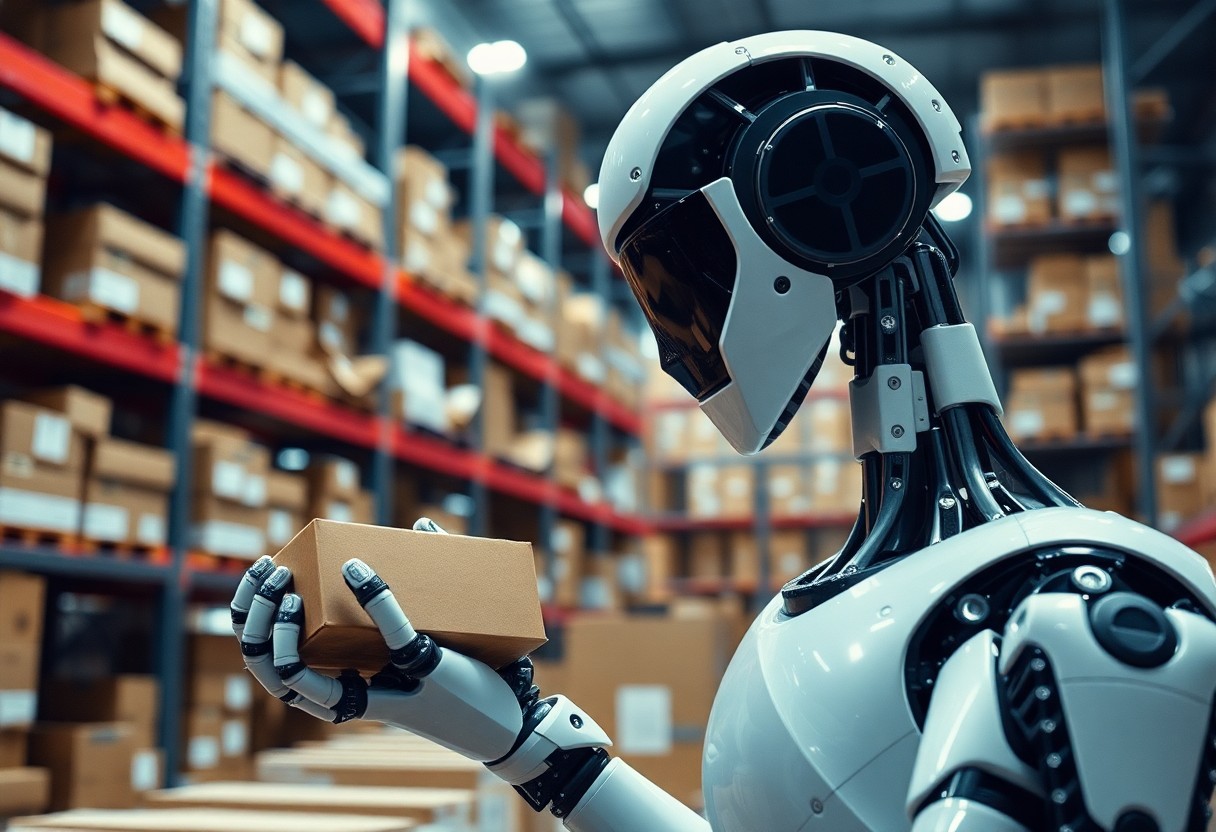
With tactile sensors, robots can adjust their grip based on the item’s texture and weight, making picking and packing processes more efficient. By fine-tuning the amount of pressure applied, you reduce the risk of dropping fragile items or damaging the products, thus speeding up operations and ensuring safe handling. This precision translates into quicker order fulfillment times and increased customer satisfaction.
Enhancing Quality Control
Integrating tactile sensors into quality control processes can significantly elevate accuracy levels. You can detect variations in product dimensions, integrity, and surface conditions that manual inspections might miss. Such advanced feedback systems help maintain consistent quality and adherence to standards without slowing down your workflow.
When tactile sensors are employed in quality control, they enable real-time evaluation of items moving through the warehouse. For example, sensors can instantly assess whether a package is sealed correctly or if a fragile item is at risk of breakage. This immediate feedback allows for proactive measures to be taken before products reach customers, resulting in lower return rates and a stronger brand reputation. By identifying defects early on and ensuring that each item meets your standards, you enhance overall operational efficiency and customer satisfaction.
Benefits of Robots with Tactile Sensation
Integrating tactile sensing technology enhances robotic capabilities significantly. With sensors that can detect force and pressure, these robots can handle fragile items without damage, ensuring effective operations. For instance, Amazon’s Vulcan robot uses force sensing to stow items, showcasing how tactile feedback enables precision and efficiency in warehousing tasks.
Increased Efficiency and Accuracy
Tactile sensors allow robots to perform tasks with greater precision. By adjusting their movements based on real-time feedback, they minimize errors such as misplacing items. This results in faster workflows and less downtime, enabling your facility to reach higher output levels.
Improved Safety and Risk Mitigation
Robots equipped with tactile sensing can significantly reduce accident rates in warehouses. By accurately gauging their surroundings, they can avoid collisions and recognize when they’re handling delicate products, thus minimizing workplace hazards.
The use of tactile sensors also enables your robots to adapt to unpredictable environments. For example, if a robot drops an item or encounters an obstacle, it can quickly recalibrate its actions, preventing potential injuries to workers or damage to goods. This adaptability ensures a smoother workflow and fosters a safer working environment. With these technologies in place, you can operate with confidence, knowing that your systems are designed for safety and efficiency.
Challenges in Implementing Tactile Sensing
Implementing tactile sensing in warehouse robotics presents various challenges that need addressing. From technical limitations to budgetary constraints, these obstacles can hinder the seamless integration of sensory technologies. As you evaluate the prospect of incorporating tactile sensors, understanding these challenges is vital for effective planning and execution.
Technical Limitations
Technical limitations of tactile sensing technology often stem from sensor accuracy and reliability. Many sensors struggle to differentiate between various textures or measure subtle force variations, leading to potential errors in handling delicate or diverse items. Additionally, the integration of these sensors with existing robotic systems may require significant software and hardware modifications, complicating the implementation process.
Cost Considerations
The introduction of tactile sensors can lead to substantial costs in both acquisition and maintenance. While prices for advanced sensors have dropped in recent years, the overall investment remains high when factoring in development, installation, and training. This financial commitment can be a barrier, especially for smaller warehouses looking to automate their operations.
Analyzing cost considerations reveals a nuanced landscape for businesses. Initial expenditures can range from a few thousand to tens of thousands of dollars, depending on the complexity and scale of your automation project. Maintenance costs, including software updates and potential repairs, also need to be anticipated. While the long-term benefits of efficiency and reduced labor costs may outweigh these upfront investments, ensuring a balanced budget and clear ROI analysis is vital before proceeding with implementation.
Future Trends in Warehouse Automation
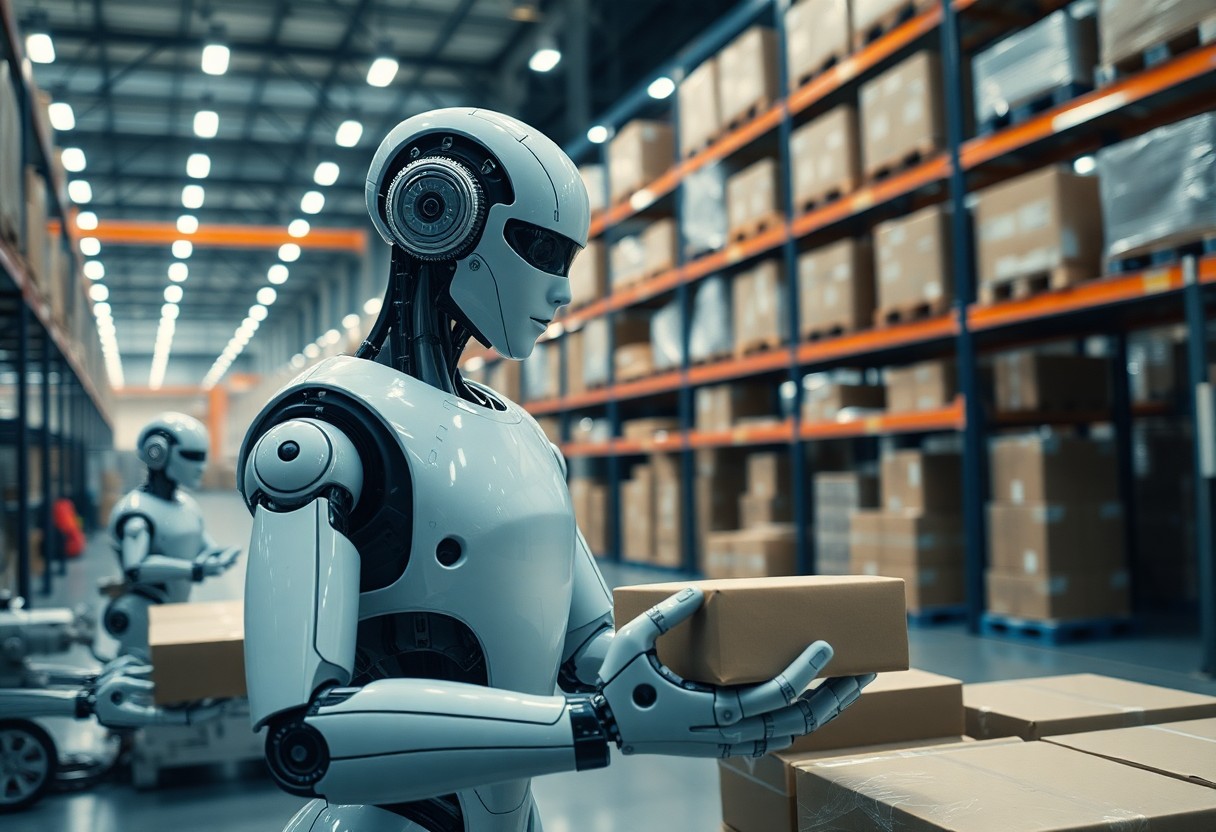
Anticipating the future of warehouse automation reveals a landscape where tactile sensing plays a pivotal role. As technology evolves, expectations for operational efficiency, accuracy, and adaptability will drastically reshape how warehouses function. Emerging trends indicate that the integration of tactile sensors will not only streamline processes but also enhance product safety and reduce labor costs significantly, ultimately reshaping workforce dynamics in the sector.
Advances in Tactile Technology
Your ability to adapt tactile technology will hinge on innovations like soft robotics and biomimicry. These developments yield sensors capable of mimicking human touch, allowing robots to manipulate fragile items without damage. Future sensors are likely to incorporate materials that better replicate the sensitivity of human skin, leading to safer and more efficient handling of diverse products.
Integration with AI and Machine Learning
The convergence of tactile sensing with AI and machine learning is set to revolutionize your warehouse operations. By harnessing vast amounts of data, intelligent systems can predict handling requirements and refine robotic interactions in real time, ensuring seamless integration with existing processes.
AI-driven predictive algorithms will allow tactile sensors to analyze touch feedback, adjusting grip strength or movement patterns dynamically. For instance, if a robot detects an unusual texture or weight during item retrieval, it can instantly recalibrate its approach, minimizing the chances of product damage. This proactive adaptation not only optimizes workflow but also significantly enhances safety standards, positioning your warehouse as a leader in automation innovation. Additionally, as machine learning algorithms improve, these systems will become increasingly autonomous, requiring less human intervention while achieving higher levels of operational efficiency.
Summing up
To summarize, as you integrate tactile sensing technology into your warehouse operations, you elevate the efficiency and accuracy of automated systems. This advancement allows you to enhance product handling and minimize damage, ultimately improving your overall workflow. Embracing robots that feel positions your warehouse at the forefront of automation, setting a standard for innovation and operational excellence. Adopting these technologies not only streamlines your processes but also prepares you for the evolving landscape of logistics and supply chain management.