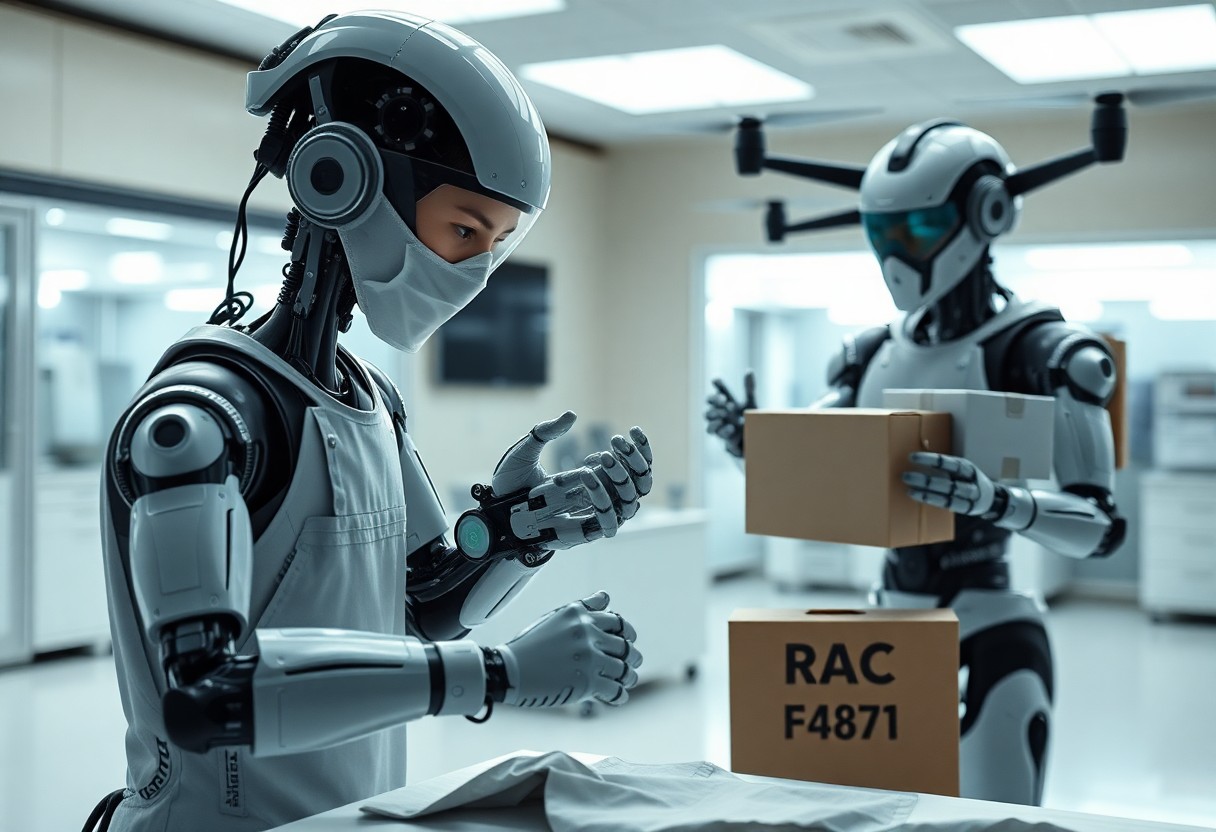
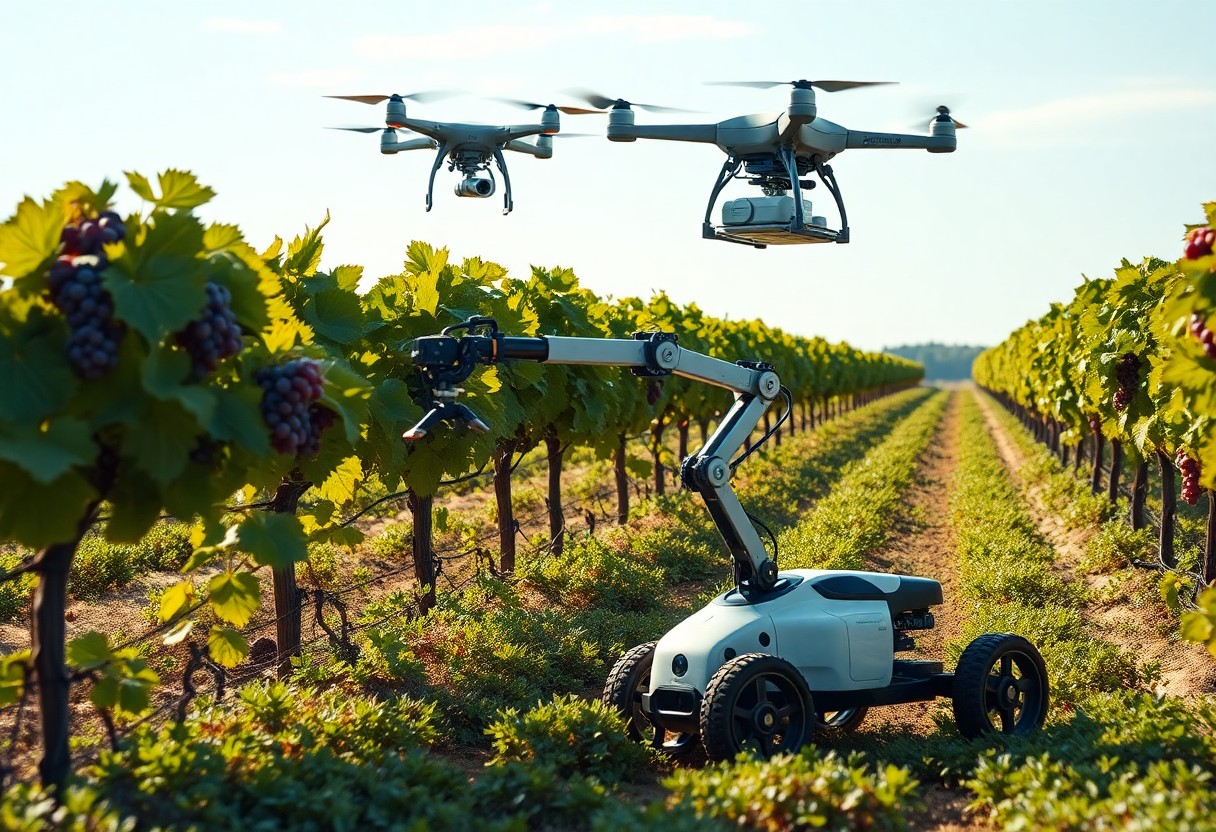
With advancements in robotics and artificial intelligence, you are entering an era where self-repairing robots could redefine maintenance strategies across various industries. These innovative machines are designed to autonomously diagnose and fix their own issues, reducing downtime and operational costs. As you explore the potential of self-repairing technology, you will discover how it enhances efficiency, reliability, and sustainability in maintenance practices, paving the way for a more resilient future.
The Concept of Self-Repairing Robots
Your understanding of self-repairing robots begins with the idea that these machines can autonomously identify, diagnose, and fix their own malfunctions. This innovative concept leverages advanced materials and AI, allowing robots to maintain operational efficiency without human intervention. By mimicking biological processes found in nature, self-repairing robots are set to revolutionize maintenance practices across various industries.
Definition and Overview
Self-repairing robots are autonomous machines engineered to identify their own structural damages and implement corrective actions without external assistance. These robots utilize intelligent algorithms and specialized materials, enabling them to repair physical impairments and continue functioning effectively. The development of such technology aims to minimize downtime and reduce maintenance costs significantly.
The Science Behind Self-Repair Mechanisms
Underlying the functionality of self-repairing robots is a combination of biomimicry, material science, and advanced machine learning algorithms. Techniques such as shape-memory alloys or self-healing polymers allow these robots to restore their structure after damage. Machine learning plays a vital role in enabling robots to recognize specific faults and apply appropriate repair strategies consistently.
Biomimetic approaches borrow heavily from nature; for instance, researchers study how organisms like octopuses can regenerate their limbs or how certain types of fungi heal wounds. Shape-memory alloys can return to a predetermined shape when exposed to heat, facilitating mechanical repairs. For instance, one company has developed a self-healing material that can recover from cuts within 24 hours, demonstrating the immense potential for applications in robotics. This fusion of technology not only enhances durability but also promises substantial savings in operational costs by extending the lifespan of robotic systems.
Historical Development of Autonomous Maintenance
The journey towards autonomous maintenance has been shaped by transformative innovations in robotics and repair technologies. Over the decades, researchers and engineers have combined theoretical knowledge with practical applications, leading to effective self-repair mechanisms that significantly enhance operational efficiency. This development reflects a broader understanding of how automated systems can evolve to reduce downtime and maintenance costs, which are pivotal for various industries.
Early Innovations in Robotics
In the late 20th century, robotics began to take root with foundational innovations such as the Stanford Arm and Shakey the Robot. These early robots showcased the potential for automation in repetitive tasks, laying the groundwork for more sophisticated systems. Advances in sensors and actuators introduced the idea of robots not only performing duties but also responding to their environments, setting the stage for future developments in maintenance capabilities.
Milestones in Autonomous Repair Technologies
Significant milestones in autonomous repair technologies include the introduction of self-healing materials, such as polymers that can mend themselves, and the development of drones capable of conducting repairs in challenging environments. These breakthroughs have not only increased the efficiency of maintenance tasks but have also enhanced safety and reduced the human workload in hazardous scenarios.
For example, in 2016, researchers showcased a self-healing robotic system that uses embedded liquid metal to repair its circuits autonomously. This technology demonstrated a tangible reduction in downtime for robotic systems and sparked interest in similar adaptive solutions across various sectors. Industries such as aerospace, manufacturing, and even healthcare have adopted these innovations, leading to less frequent service interruptions and lowering maintenance costs significantly. As self-repair technologies evolve, they are likely to become standard in modern robotic designs, furthering your pursuit of efficiency and reliability in automation.

Current Applications in Industry
Industries are rapidly adopting self-repairing robots to enhance efficiency and reduce downtime. Notable advancements, such as those detailed in DARPA-Funded Tech Unleashes Robots That Feed on …, showcase robots capable of autonomous repair and maintenance, significantly impacting multiple sectors.
Manufacturing and Assembly Lines
In manufacturing and assembly lines, self-repairing robots optimize productivity by maintaining and repairing themselves during operation. Innovative systems allow them to identify and fix minor issues without human intervention, reducing downtime and ensuring continuous workflow. This capability results in an increase in output and a decrease in production costs.
Maintenance in Hazardous Environments
Self-repairing robots excel in maintenance tasks within hazardous environments, such as nuclear power plants or chemical processing facilities. Their ability to self-repair minimizes human exposure to dangerous conditions while maintaining operational efficiency and safety. These robots can perform routine inspections and repair tasks autonomously, significantly reducing risk factors associated with human labor in such settings.
Operating in hazardous environments requires extraordinary resilience and adaptability. For instance, self-repairing robots are designed with materials that can withstand extreme temperatures and corrosive substances. These advanced systems employ real-time monitoring and diagnostics, allowing them to detect potential failures and initiate repair processes before catastrophic failures occur. This proactive approach not only enhances safety but also prolongs the lifespan of critical infrastructure, all while ensuring compliance with regulatory standards. As industries continue to embrace these technologies, they stand to benefit from unprecedented operational reliability and safety.
Technological Challenges
You face significant technological hurdles as you explore the development of self-repairing robots. Key challenges include creating materials that can effectively self-heal while retaining necessary structural integrity and functionality. The integration of artificial intelligence for real-time diagnostics and repairs presents another layer of complexity. Furthermore, energy efficiency must be considered, ensuring that the robots can perform self-repair tasks without draining their energy reserves. Addressing these challenges is necessary for advancing self-repair technology in autonomous systems.
Limitations of Current Self-Repair Technologies
Your understanding of current self-repair technologies reveals they often rely on primitive methods like adhesive bonding or simple sealants that lack durability and versatility. These systems struggle with complex repairs, especially in dynamic environments. For instance, while some prototypes can mend minor cracks, they fall short in cases requiring sophisticated repairs or adaptive responses to various forms of damage. The materials used haven’t advanced to the point where they can mimic biological systems effectively, limiting their application in real-world scenarios.
Ethical Considerations and Safety Issues
As you probe into self-repairing robots, ethical implications and safety concerns emerge. You must consider the potential consequences of autonomous systems making repair decisions without human oversight. This raises questions about responsibility in the event of failures or accidents. Additionally, the use of advanced materials could pose environmental risks during their lifecycle, emphasizing the need for sustainable practices in development and deployment.
Addressing ethical considerations involves navigating the balance between innovation and risk management. For instance, when developing self-repairing robots for public use, ensuring transparency in their decision-making processes becomes vital. Potential job displacement in traditional maintenance roles warrants discussion among stakeholders, as does ensuring these technologies do not reinforce existing biases or societal inequities. The inclusion of comprehensive safety protocols is imperative; you need robust frameworks that govern the deployment of autonomous repair systems to minimize hazards to both operators and the environment. Ultimately, these considerations are crucial to fostering public trust in this emerging technology.
Future Prospects
The future of self-repairing robots is promising, with ongoing research paving the way for advanced capabilities. Innovations in materials science and AI could transform maintenance practices across industries. As detailed in Artificial Self-Recovery Opens up a New Journey of …, these developments will not only enhance operational efficiency but also redefine maintenance workflows.
Innovations on the Horizon
Emerging technologies like self-healing materials and machine learning algorithms are set to revolutionize self-repairing robots. Research is focused on integrating these technologies to enable robots to autonomously assess damage and implement repairs with minimal human oversight, significantly streamlining maintenance processes.
Potential Impact on Workforce Dynamics
The introduction of self-repairing robots will reshape workforce dynamics by automating routine maintenance tasks. This transition may shift labor demands, leading to a reduction in positions focused on manual repairs while simultaneously creating opportunities in robotics programming and advanced maintenance oversight.
The implications extend beyond simple job displacement; roles will evolve to require higher-level skills in managing and programming these autonomous systems. Workers will be tasked with overseeing complex troubleshooting and integrating new technologies into existing frameworks. This shift demands a workforce that is not only adaptable but also proficient in advanced technologies, fostering a new era of collaboration between humans and machines in various sectors.
Case Studies
The practical application of self-repairing robots has yielded valuable insights and outcomes across various industries. Case studies illustrate their effectiveness, showcasing how businesses can benefit from reduced downtime and increased operational efficiency.
- Case Study 1: University of Michigan’s self-healing robotic arm demonstrated a 50% reduction in repair time for robotic systems, improving overall productivity by 30%.
- Case Study 2: MIT’s self-repairing drones showed a 40% decrease in operational costs due to autonomous damage assessment and repair capabilities.
- Case Study 3: Boston Dynamics implemented self-repair features in their Spot robot, achieving a 25% increase in uptime during remote inspections.
- Case Study 4: NASA’s Mars rovers employed self-repairing technology, allowing them to autonomously fix critical components, extending mission life by 15%.
Successful Implementations
Successful implementations of self-repairing robots have been documented across multiple sectors. For instance, industries leveraging these technologies have experienced significant improvements in maintenance cycles, with some reporting over 60% reductions in manual intervention time.
Lessons Learned from Trials
Trials of self-repairing robots have provided important insights into their practical usage and limitations. These lessons emphasize the need for continuous monitoring, as unexpected failure modes can require human intervention despite self-repair capabilities.
In-depth analysis of trial results revealed that while self-repairing robots can autonomously address routine issues, complex failures often outstrip their abilities. Utilizing feedback from these trials motivates refinements in design and functionality, driving advancements in algorithms and sensor technology. Establishing a robust maintenance framework around these robots ensures that their deployment leads to optimal performance and reliability, thus maximizing your investment in autonomous systems.
Summing up
The future of autonomous maintenance is in your hands with self-repairing robots, which promise to enhance efficiency and reduce downtime. By employing advanced materials and adaptive technologies, these robots will not only extend their operational lifespan but also significantly lower maintenance costs. With their ability to diagnose and rectify faults autonomously, you can shift your focus to more strategic tasks, ultimately transforming how industries operate. As this technology evolves, your adaptability and willingness to embrace these innovations will be key in leveraging their full potential.