
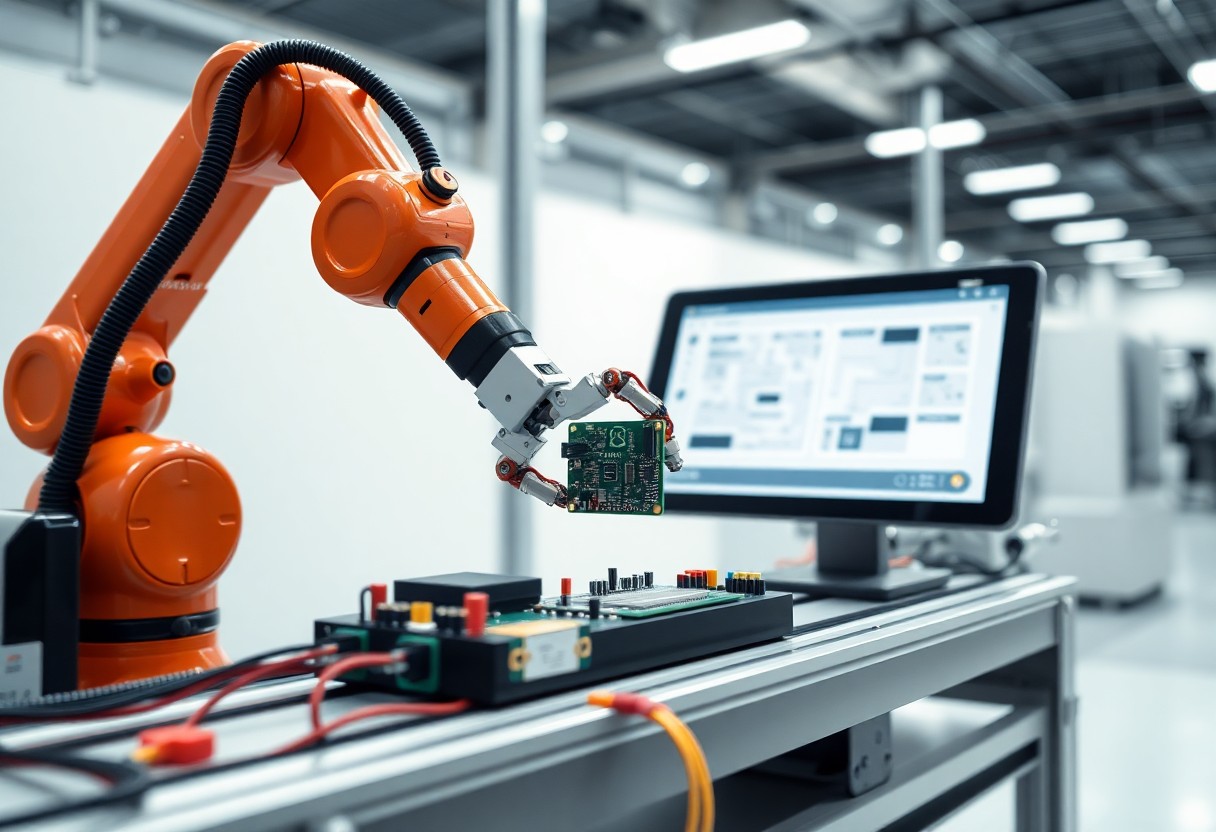
You can deploy and manage robotic systems without writing code by using visual programming, drag-and-drop interfaces, and prebuilt modules; this lets you optimize your workflows, integrate sensors and actuators, and scale solutions rapidly while minimizing technical barriers and time to value. Understanding Zero-Programming Robotics Definition and Key Concepts You build robot behavior through visual tools-drag-and-drop […]
Blog

Multi-Modal Perception – Seeing, Hearing, and Touching Robots
With advances in sensor fusion, learning algorithms, and tactile materials, you can enable your robots to perceive environments through sight, sound, and touch simultaneously; this multimodal approach improves reliability, situational awareness, and human-robot interaction by combining complementary cues, mitigating single-sensor failures, and enabling richer object understanding, navigation, and collaborative manipulation in real-world settings. The Basis […]

Cybersecurity for Robots – Protecting Autonomous Systems from Attack
Cybersecurity for robots requires you to integrate threat modeling, secure boot, authenticated firmware updates, encryption, and robust access controls so your systems resist tampering and data theft; you must enforce network segmentation, continuous monitoring, rapid patch management, and fail-safe behaviors while validating third-party components to keep autonomous systems reliable and safe under attack. Understanding Cybersecurity […]

High-Precision Robotics Enable the Next Wave of Semiconductor Manufacturing
You rely on high-precision robotics to push semiconductor manufacturing beyond current limits, enabling nanometer-scale alignment, repeatable throughput, and adaptive motion control that reduce defects and increase yield. This post explains how advanced sensors, machine learning, and compact actuators integrate to automate lithography, wafer handling, and inspection, letting your fab scale performance while lowering variability and […]
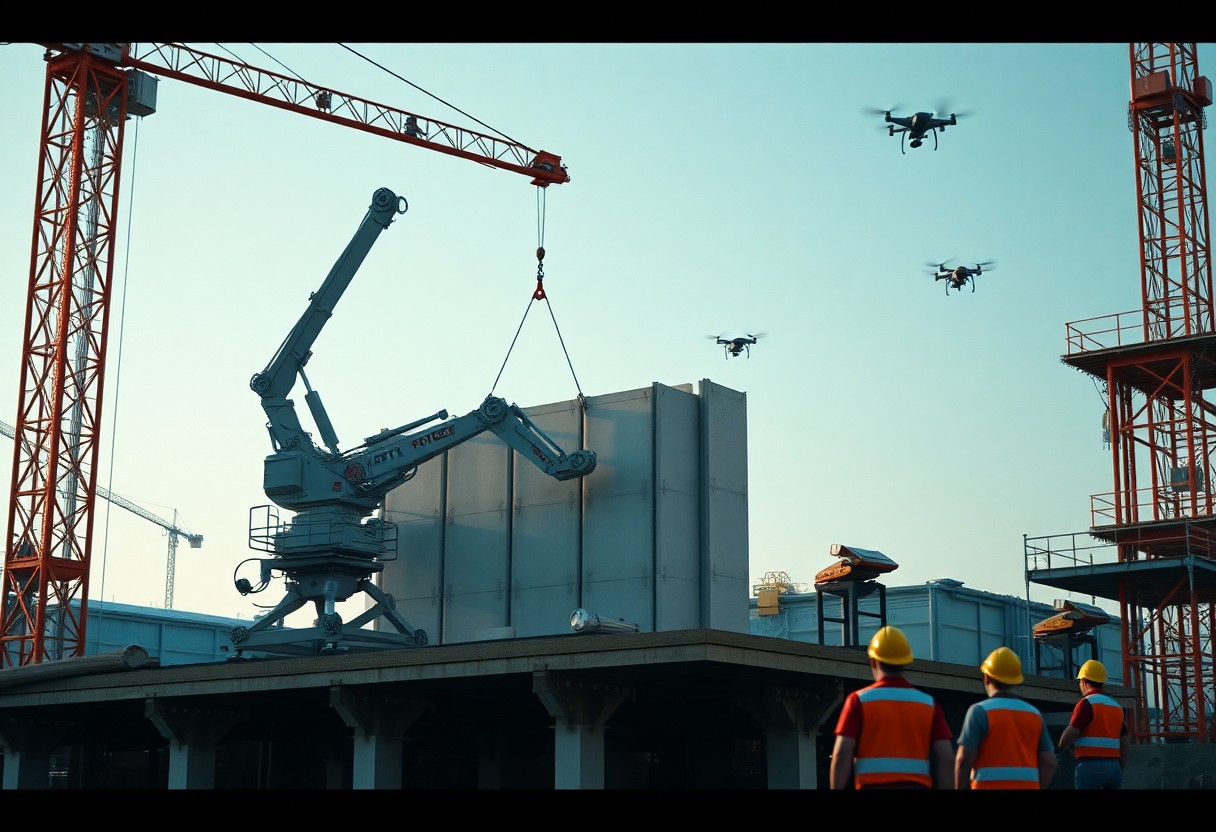
Robotics in Construction – Automating the Built Environment
With robotics transforming tasks from heavy lifting to precision assembly, you can deploy autonomous equipment, drones, modular fabrication, and AI-driven planning to boost productivity, improve safety, and reduce cost variability; this post explains key technologies, implementation challenges, and practical steps for integrating robotics into your projects so you can plan, manage, and scale automation in […]

Healthcare Robotics Beyond Surgery – Logistics, Assistance, and Care
Care robots are transforming hospital workflows and long-term care by automating logistics, delivering supplies, assisting mobility, and monitoring patients so you can optimize efficiency and safety; this post explains practical deployments, integration challenges, and how your team can evaluate and implement robotic solutions to improve outcomes and reduce staff burden. The Role of Robotics in […]
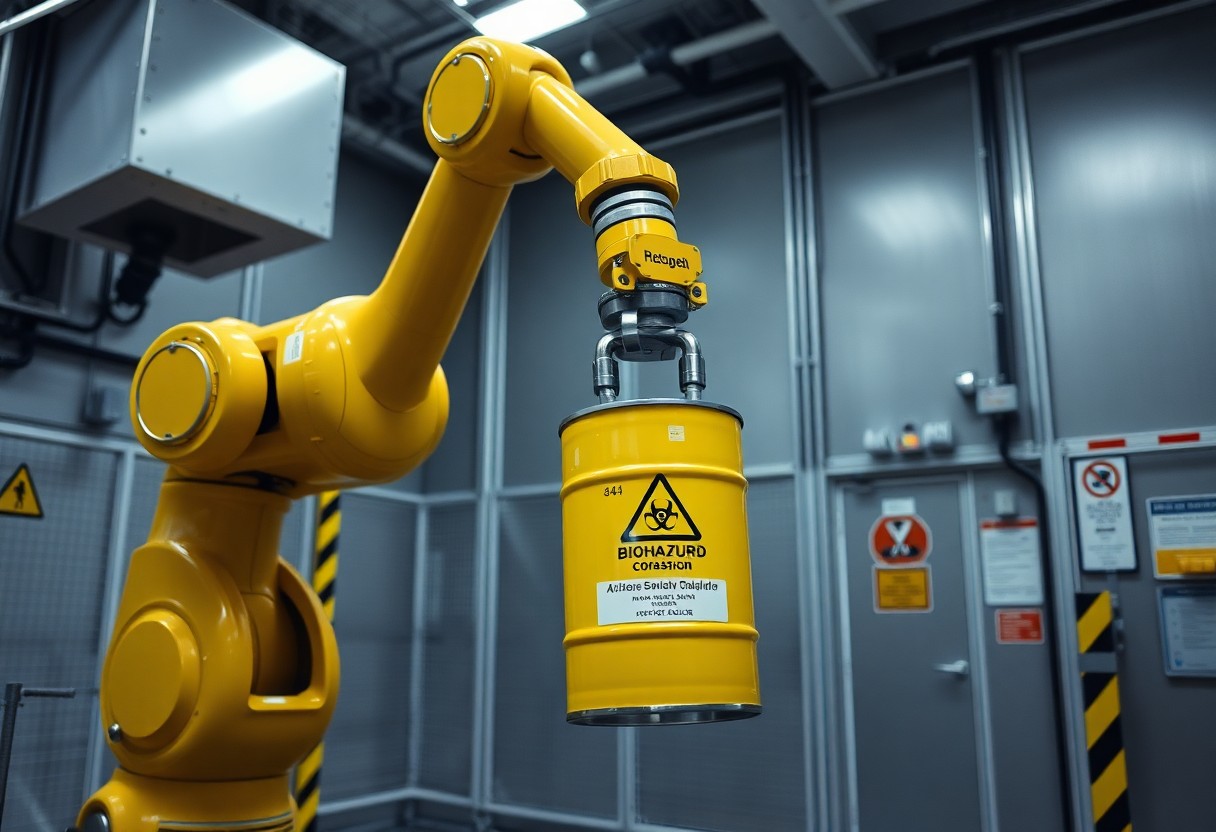
Robots in Hazardous Materials Handling – Safety Through Automation
With robotic systems integrated into hazardous materials handling, you can minimize human exposure, improve containment, and enforce consistent safety protocols through precise, repeatable actions. Automated sensing, remote operation, and real-time data feeds let you monitor conditions, respond faster to incidents, and maintain regulatory compliance while reducing operational variability. Deploying robots also helps your team focus […]

Cloud Robotics Revisited – Balancing Latency, Cost, and Control
Over the past decade, cloud robotics have shifted the balance between local autonomy and remote intelligence, and you must weigh latency, operational cost, and system control when designing your systems; this post guides you through trade-offs, deployment patterns, and metrics so you can decide when to offload computation, where to place control loops, and how […]
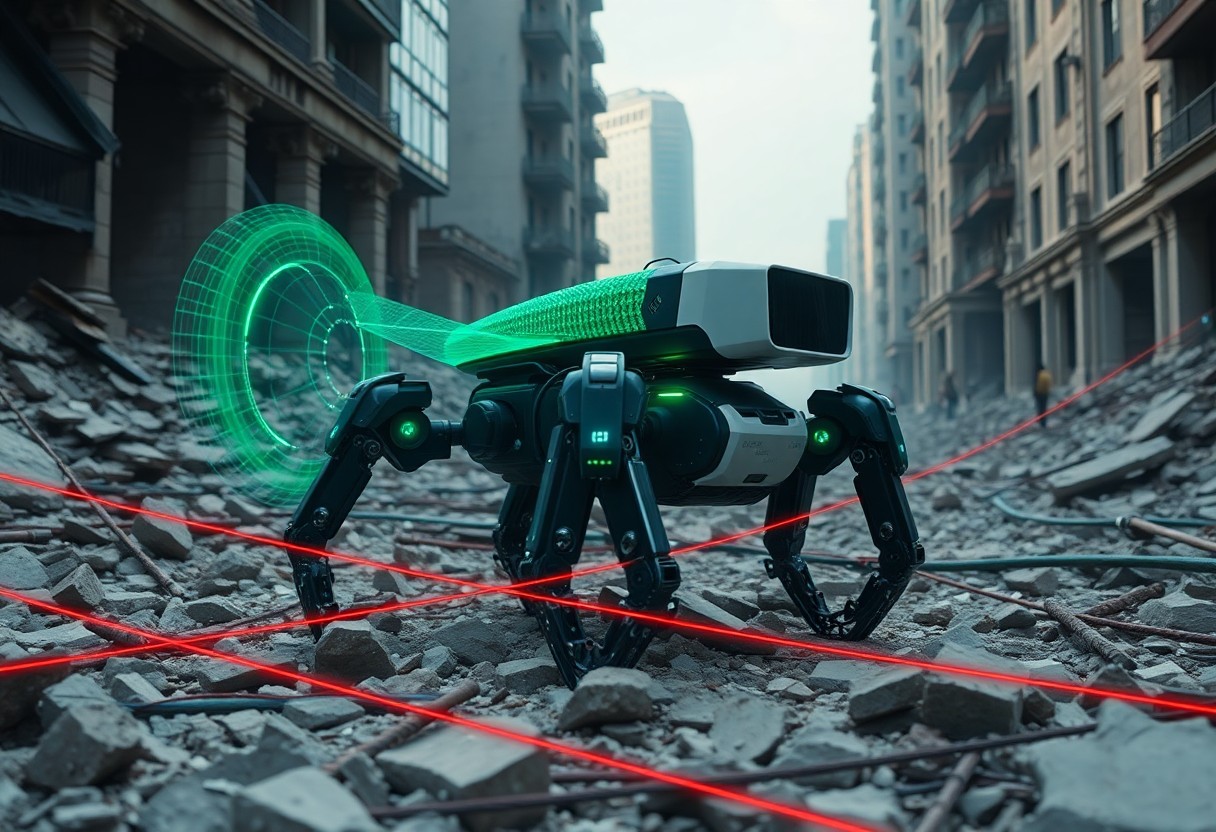
AI-Driven Motion Planning for Dynamic and Unstructured Environments
Just as you face changing surroundings, AI-driven motion planning enables your robots and vehicles to perceive noisy sensors, predict dynamic agents, and generate safe, optimal trajectories in real time; by integrating learning-based perception, probabilistic prediction, and optimization or sampling-based planners, you can achieve robust navigation in highly unstructured, uncertain environments. The Importance of Motion Planning […]
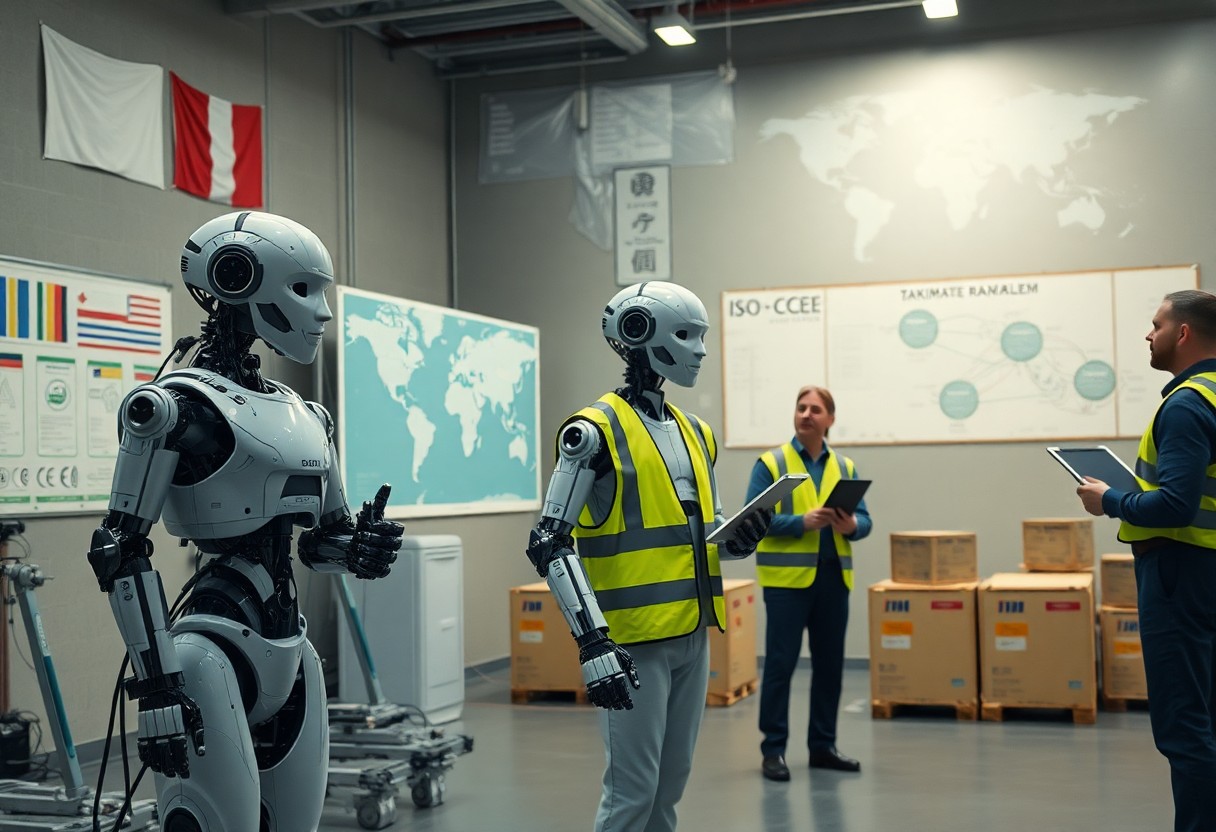
Robotics Standards and Regulation – Preparing for Global Deployment
With international harmonization accelerating, you must align your robotics standards designs and operational protocols with emerging standards, certification processes, and liability frameworks to ensure market access and safety compliance. This guide explains key standards bodies, cross-border regulatory differences, testing requirements, and governance trends so you can plan certification pathways, manage risk, and scale deployment efficiently […]