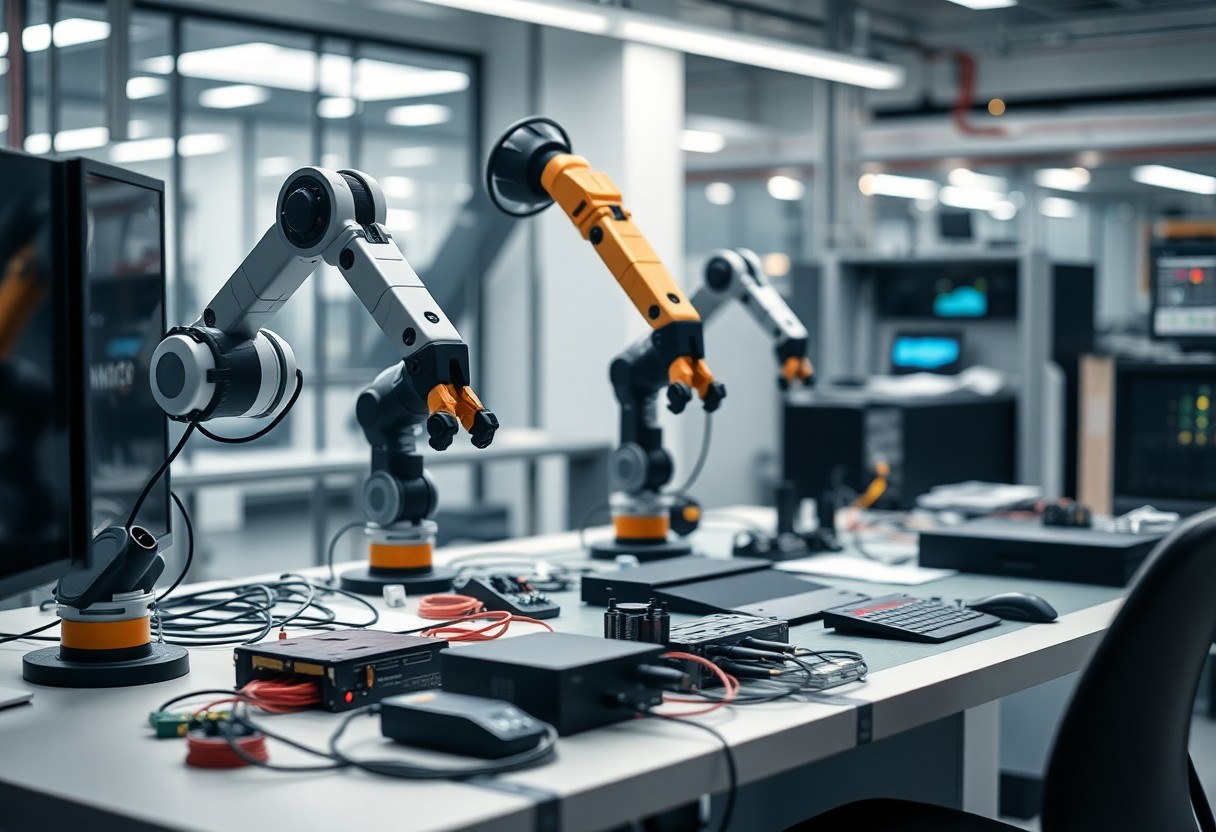
Technical comprehension of automation is crucial for streamlining processes and enhancing productivity in your projects. In this blog post, you will explore the key components that constitute automation systems, including sensors, actuators, controllers, and communication interfaces. Understanding these parts and their respective functions will empower you to make informed decisions when implementing automation solutions, ensuring efficiency and effectiveness in your endeavors.
The Anatomy of Automation Systems
Examining the anatomy of automation systems reveals an intricate structure composed of multiple layers, each vital to the overall function. These systems generally operate according to the principles outlined in the What Is the Five Layer Automation Pyramid?, which includes levels ranging from physical devices to enterprise-wide applications. By understanding these components, you’ll appreciate how automation translates complex tasks into streamlined processes.
Core Components: Sensors, Actuators, and Controllers
Sensors, actuators, and controllers are the triad that forms the backbone of your automation system. Sensors gather data from the environment, such as temperature, pressure, or motion, while actuators translate signals from controllers into physical actions, like moving a robotic arm or opening a valve. Controllers process inputs from sensors and direct actuators, integrating the system to function optimally. This seamless interplay ensures that automation can effectively respond to varying conditions in real-time.
The Interconnectedness of Hardware and Software
The synergy between hardware and software in automation systems is fundamental to achieving desired outcomes. Hardware includes the physical units like sensors and actuators, while software orchestrates their functionality through algorithms, protocols, and user interfaces. Your automation solutions depend on this interconnectedness for effective data processing, system monitoring, and operational efficiency. Software not only enhances hardware capabilities but also allows for quick adjustments and troubleshooting, substantially improving overall system performance.
Delving deeper into the interconnected nature of hardware and software reveals a landscape where each element empowers the other. For example, advanced algorithms in software can optimize the way sensors interpret environmental data, leading to more effective actuation responses. Likewise, robust diagnostics embedded in the software allow you to identify hardware issues quicker, helping maintain system integrity. The sophistication of this interaction means your automation processes can adapt, evolve, and achieve higher performance standards, all while ensuring reliability and accuracy in operations.
Communication Protocols: The Backbone of Automation
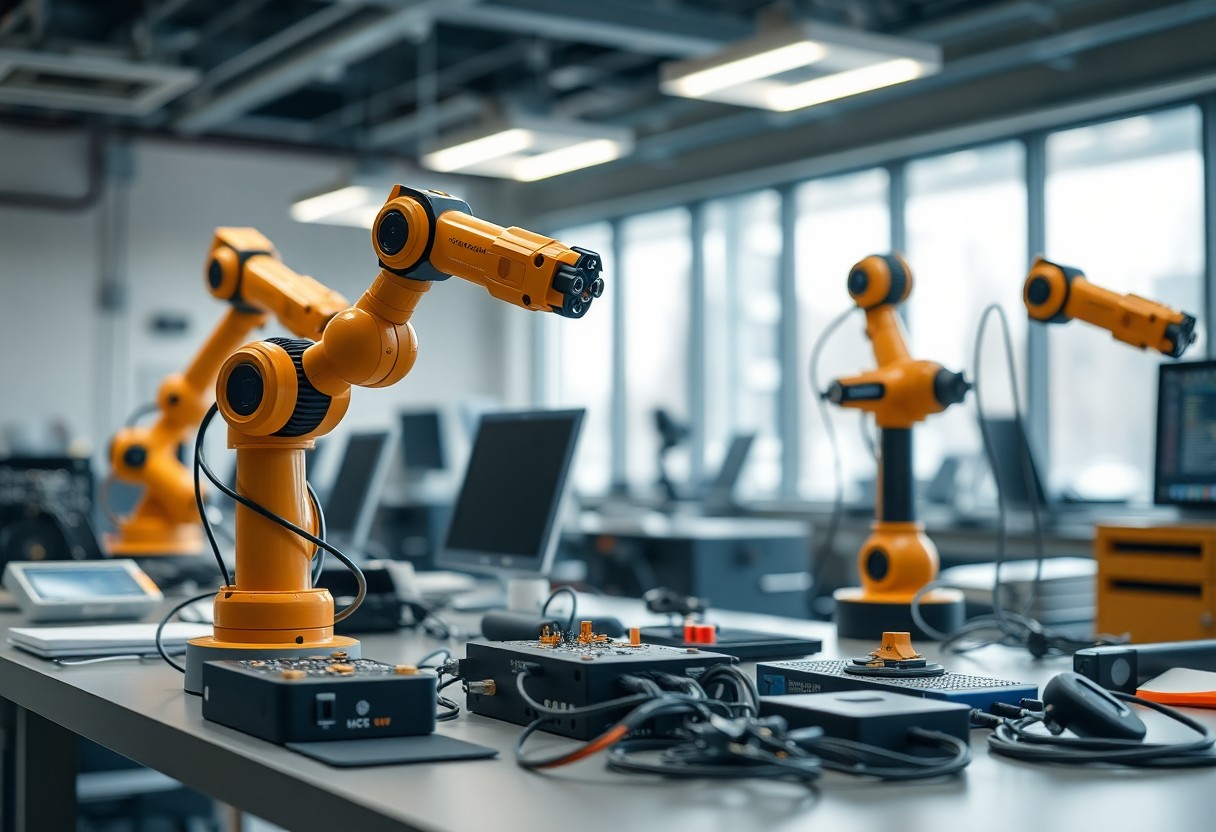
In automation, communication protocols facilitate seamless data exchange between devices, systems, and applications. They define rules for data formatting, transmission, and error handling, allowing various components to function cohesively. By standardizing communication, these protocols ensure compatibility and reliability, enabling devices to share necessary information and respond to commands effectively, thereby enhancing the efficiency of automated processes.
Understanding the Role of IoT in Automation
The Internet of Things (IoT) plays a pivotal role in automation by connecting devices and systems through the internet. This connectivity enables real-time data collection, monitoring, and analysis, allowing for smarter decision-making and process optimization. Your automated systems can leverage IoT to remotely manage assets, track performance, and implement predictive maintenance strategies, significantly reducing downtime and operational costs.
Key Communication Standards and Their Applications
Several communication standards have emerged as key players in automation. Protocols like MQTT, Modbus, and OPC UA are necessary for effective data interchange. Each standard offers unique features tailored to different applications; for example, MQTT excels in low-bandwidth, high-latency networks, while Modbus is widely utilized in industrial settings for its robustness and simplicity. OPC UA, on the other hand, provides a platform-agnostic solution that enables interoperability across diverse systems.
Implementing these communication standards can vastly enhance your automation solutions. MQTT, for instance, is particularly beneficial in situations where devices operate intermittently, allowing them to send and receive messages with minimal bandwidth. In manufacturing, Modbus is often used for connecting programmable logic controllers (PLCs) to field devices, ensuring reliable control and monitoring. Meanwhile, OPC UA stands out by allowing complex data structures to be shared between enterprise systems and operational technology, making it invaluable for companies looking to unify their operations. The right protocol can lead to improved performance, reduced latencies, and greater scalability of your automation systems.
The Importance of Control Algorithms
Control algorithms play a pivotal role in automation systems, acting as the brain behind decision-making processes. These algorithms enable machines to respond to various inputs and maintain desired outputs, ensuring that systems operate efficiently and reliably. Without effective control algorithms, automation would lack the precision needed to meet operational objectives and adapt to changing conditions in real-time.
How Algorithms Drive Decision-Making in Automation
Your automation systems rely heavily on algorithms to interpret sensor data and execute control actions. By continuously analyzing data inputs, these algorithms determine the best course of action to achieve preset targets. For instance, they can regulate temperature in a climate-controlled environment or adjust the speed of a production line according to demand, exemplifying how algorithms underpin effective decision-making processes.
Types of Control Strategies: PID vs. Fuzzy Logic
Various control strategies exist, with PID (Proportional-Integral-Derivative) and Fuzzy Logic being two prominent examples. PID control is widely adopted for its simplicity and effectiveness, utilizing feedback to minimize error by adjusting the control output. In contrast, Fuzzy Logic brings human-like reasoning into the mix, allowing systems to operate effectively without precise mathematical modeling. Each strategy has its strengths, and selecting the right one depends on the specific application requirements and environmental conditions.
| Control Strategy | Description |
|---|---|
| PID | Combines proportional, integral, and derivative controls to reduce error. |
| Fuzzy Logic | Emulates human decision-making for systems with uncertainty. |
| Applications | Widely used in temperature, speed, and position control. |
| Model Dependence | PID relies on a precise model; Fuzzy does not require it. |
| Complexity | PID is straightforward; Fuzzy can be more complex to implement. |
Each control strategy serves distinct purposes in automation. PID’s structured approach is prized in industries requiring stability and predictability, while Fuzzy Logic excels in environments characterized by uncertainty and variability. You may find PID systems straightforward and reliable for tasks like temperature control, while Fuzzy Logic can adapt to more unpredictable scenarios, such as robotic pathfinding. Perceiving the nuances between these strategies will help you select the most fitting control process for your specific automation needs.
- PID is beneficial for systems needing stringent error correction.
- Fuzzy Logic is excellent for complex systems with vagueness.
- Each strategy can enhance efficiency in different contexts.
- Application performance may vary depending on environmental factors.
- Perceiving the right control style ensures optimal system performance.
Safety Protocols in Automated Environments
Ensuring safety in automated environments is integral to preventing accidents and protecting both personnel and equipment. Automated systems, while improving efficiency, introduce unique hazards that demand rigorous safety measures. Implementing comprehensive safety protocols can significantly reduce risks associated with machinery, electrical systems, and human interaction. This section details vital safety features and regulatory standards designed to maintain safe operations in automated settings.
Essential Safety Features and Their Functions
Key safety features in automated systems include emergency stop buttons, safety interlocks, and light curtains. Emergency stop buttons immediately deactivate machinery in critical situations, while safety interlocks prevent operation when safety doors are open, ensuring that you do not accidentally expose yourself to moving parts. Light curtains act as invisible barriers that halt operations when a person enters their zone, providing an additional layer of safety without obstructing workflow.
Regulatory Standards: Ensuring Compliance and Safety
Adhering to regulatory standards such as OSHA, ISO, and IEC ensures that your automated systems operate safely and effectively. Compliance with these standards not only promotes a safe working environment but also protects your organization from legal repercussions and enhances your reputation within the industry. Understanding the specifics of each standard is vital for implementing appropriate safety measures that align with your operational goals.
For instance, OSHA specifies guidelines for machine safeguarding, which can include barriers, protective equipment, and operational procedures to minimize risks. ISO 12100 offers a framework for risk assessment and risk reduction for machinery, enabling you to identify hazards and design solutions effectively. By incorporating these regulations into your safety protocols, you enhance the overall safety of your automated environment and ensure that your operations are not only compliant but also aligned with best practices in industry safety standards.
Real-World Implications of Automation Technologies
The implementation of automation technologies affects numerous facets of everyday life, reshaping work environments, efficiency metrics, and consumer experiences. As industries adapt, you’ll find that tasks previously performed by humans are now effectively managed by robots and AI systems. This transition results not only in operational cost savings but also in innovations that drive economic growth. Understanding these implications enables you to harness automation effectively within your own organization.
Transformative Impact on Various Industries
Different sectors are witnessing monumental shifts due to automation. In manufacturing, robots streamline production lines, reducing errors and increasing output. The healthcare industry leverages automation for improved patient care, utilizing AI for diagnostics and robotic surgeries. Additionally, the logistics sector benefits through automated warehousing, enabling quicker fulfillment processes. Adapting to these changes allows your business to compete increasingly on efficiency and innovation.
Future Trends: Where Automation is Heading
Emerging trends indicate that automation will expand further into areas such as artificial intelligence, machine learning, and the Internet of Things (IoT). Enhanced machine learning algorithms allow for more sophisticated data analysis, enabling proactive decision-making and predictive maintenance in various sectors. As industries adopt these advanced technologies, you can expect a heightened focus on seamless integration with human workers, fostering collaboration rather than replacement.
In the future, automation technologies will continue evolving, integrating more with AI capabilities to provide deeper insights and improve operational agility. You’ll see an increase in collaborative robots (cobots) designed to work alongside human counterparts, enhancing productivity while ensuring safety. The potential for personalized automation solutions tailored to specific industry needs will grow, making it imperative for you to stay informed and ready to adapt to the continuously changing technological landscape.
Conclusion
With these considerations, you are now better equipped to navigate the vital components of automation. Understanding the key technical parts, such as sensors, controllers, and actuators, empowers you to optimize your systems for efficiency and effectiveness. By leveraging this knowledge, you can enhance your automation projects and drive innovation in your processes. Embrace these building blocks to unlock the full potential of automation in your endeavors.