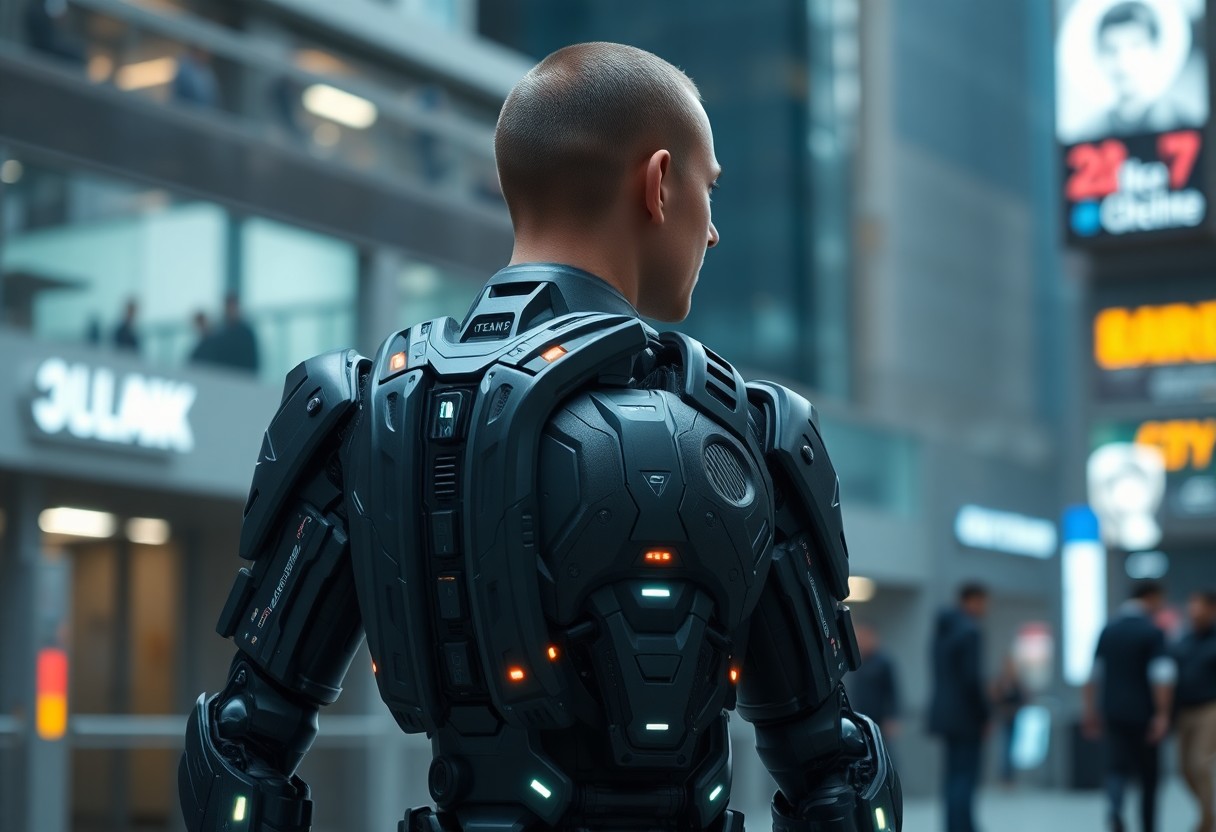
Exoskeletons are revolutionary technologies designed to enhance your physical capabilities and improve mobility. By integrating advanced engineering with robotics, these support systems can assist you in various tasks, from heavy lifting to rehabilitation, offering increased strength and endurance. In this blog post, you will explore the different types of exoskeletons available, their applications in various fields, and how they can benefit you in daily life or occupational settings.
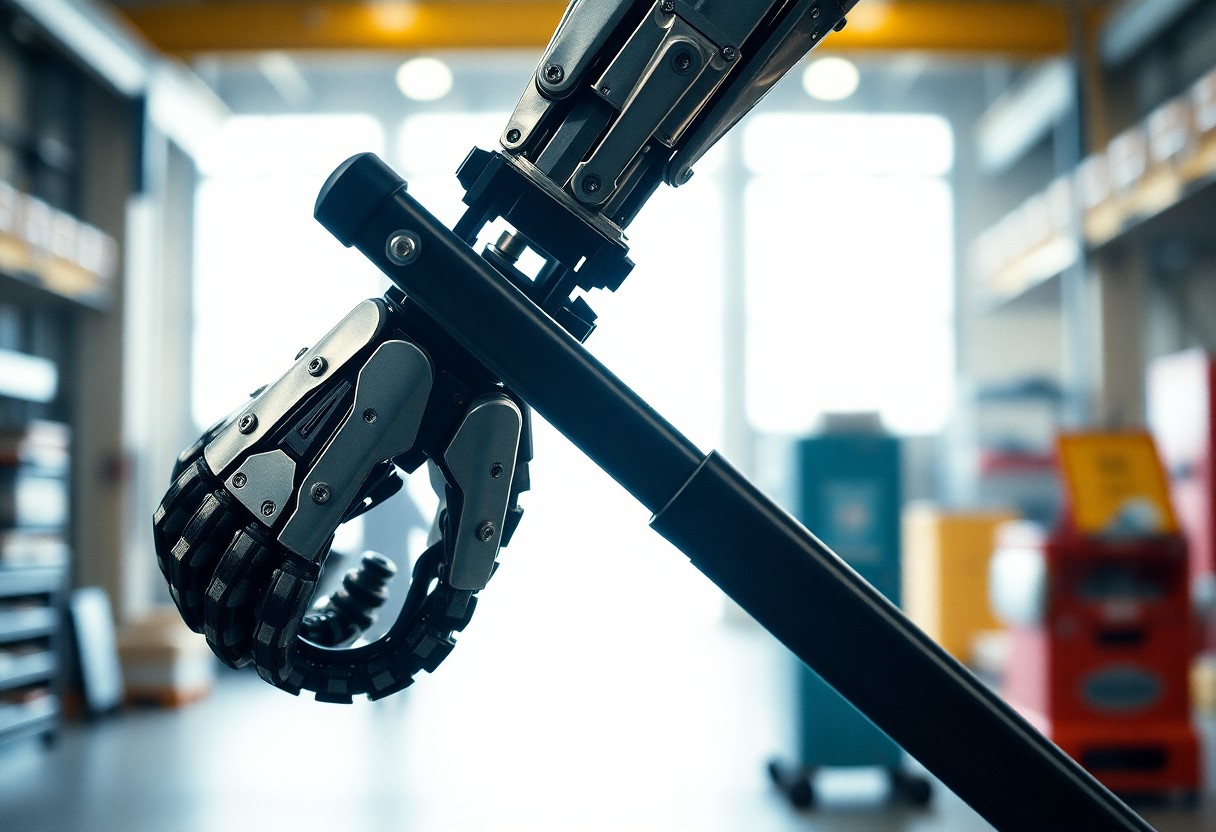
Definition and Overview of Exoskeletons
Exoskeletons are wearable robotic systems designed to augment human capabilities, providing support and assistance to limbs. These devices can be powered mechanically or electrically, enabling users to perform tasks that require strength, endurance, or precision. Exoskeletons enhance mobility for individuals with disabilities, offer protection in hazardous environments, and improve productivity in various industries.
Types of Exoskeletons
Exoskeletons can be categorized based on their design and application.
- Active exoskeletons: Powered by motors to assist movement.
- Passive exoskeletons: Use springs or braces for support without power.
- Full-body exoskeletons: Cover the entire body for comprehensive support.
- Lower-limb exoskeletons: Focus on assisting the legs for walking and standing.
- Upper-limb exoskeletons: Help with arm and hand movements for tasks such as lifting and manipulating objects.
This classification facilitates targeted development and application of exoskeleton technology.
| Type | Description |
| Active | Powered by motors |
| Passive | Uses springs for support |
| Full-body | Covers entire body |
| Lower-limb | Supports legs for mobility |
| Upper-limb | Aids arm and hand movements |
Applications in Various Fields
Exoskeletons find applications across healthcare, manufacturing, military, and rehabilitation sectors. In healthcare, they assist patients with mobility impairments, allowing for gait training and recovery. Manufacturing industries leverage exoskeletons to reduce worker fatigue and prevent injuries during repetitive tasks. In military settings, they enhance soldier endurance and strength for demanding missions.
In rehabilitation, exoskeletons facilitate physical therapy for stroke or spinal cord injury patients, promoting movement and muscle re-training. Additionally, advanced designs are being tested in logistics and assembly lines to streamline processes, demonstrating the versatility of exoskeleton technology. Numerous case studies showcase improvements in work efficiency and therapeutic outcomes, leading to increased interest and investment in this innovative field.
Technological Advancements
The continuous evolution of technology has significantly improved the functionality of exoskeletons, enhancing their integration into everyday tasks. Advanced systems, such as those from SUITX Exoskeletons for daily work, utilize smart materials and robotics to offer greater assistance while ensuring user comfort and mobility. This rapid advancement allows for customization, making exoskeletons more adaptable to various industries, from healthcare to manufacturing.
Robotics and Smart Materials
Robotics has advanced to create exoskeletons equipped with sophisticated sensors that can detect user movements in real-time. Smart materials, including shape memory alloys and flexible sensors, enable these devices to adapt and respond intuitively, enhancing your efficiency and safety while performing physical tasks.
Connectivity and User Interfaces
New exoskeletons are incorporating connectivity features, allowing seamless integration with mobile devices, cloud platforms, and other technologies. This enhanced connectivity empowers you to monitor your performance, receive real-time data, and improve your experience with user-friendly interfaces designed for ease of use.
With the advent of IoT and advanced data analytics, connectivity in exoskeletons is transforming how you interact with these assistive devices. Wearable sensors can transmit information on your movements, fatigue levels, and overall performance, enabling tailored feedback through intuitive apps. These interfaces not only track usage but also allow for scheduled updates and maintenance alerts, ensuring optimal functionality. The user experience is further enhanced by voice commands and touch interfaces, making operation straightforward and putting you in control of your exoskeleton’s features.
Benefits of Exoskeletons
Exoskeletons offer significant advantages across various fields, from healthcare to industrial applications. They enhance physical capabilities, reduce the risk of injury, and improve quality of life for users. Medical patients can regain mobility, while workers can lift heavier loads with minimal physical strain. With ongoing advancements, exoskeleton technology is becoming more accessible, promoting its widespread adoption and acceptance.
Rehabilitation and Health
In rehabilitation, exoskeletons provide crucial support for individuals recovering from injuries or surgeries. You can engage in physical therapy with greater ease, improving your recovery rate. Devices have been shown to enhance muscle strength and coordination, allowing patients to regain independence in daily activities.
Enhanced Mobility and Performance
Exoskeletons significantly improve mobility and performance for users across various activities. Whether you’re an elderly individual seeking stability or a factory worker lifting heavy items, these devices boost your endurance, allowing you to perform tasks with less fatigue. Studies indicate that exoskeletons can increase walking speed by up to 30% and reduce energy expenditure by nearly 25%, optimizing your functional capabilities.
Challenges and Limitations
Despite their potential, exoskeletons face several challenges that hinder widespread adoption. Technical limitations such as battery life can restrict usage duration, while discomfort and fit issues may deter users. Additionally, the complexity of human biomechanics adds to the difficulty of creating universally effective devices. Safety regulations and liability concerns also complicate the integration of exoskeletons in workplaces and rehabilitation settings.
Cost and Accessibility
The high cost of exoskeletons remains a significant barrier to accessibility. Prices can range from tens of thousands to over a hundred thousand dollars, making them unaffordable for many individuals and healthcare systems. Furthermore, limited availability and a lack of insurance coverage often restrict access for patients who could benefit from these devices, creating disparities in treatment options.
Ethical Considerations
Ethical concerns arise around the implications of exoskeleton use, particularly in altering human capabilities. You may question the fairness in competitive environments if individuals using exoskeletons gain advantages over those who do not. Issues of dependency and societal implications regarding normalizing enhanced physical abilities also warrant consideration, as you contemplate the identity and essence of human capability.
Further reflection on ethical considerations reveals a broader societal impact. Balancing the benefits of enhanced mobility and independence with the potential for a societal divide becomes vital. As exoskeleton technology evolves, regulations and ethical frameworks must adapt to address potential misuse, ensuring benefits accrue to all and not create a two-tier system of ability. Careful monitoring of research and usage in various sectors, including military applications, raises crucial discussions on the moral landscape of human enhancement.
Future Trends and Innovations
Advancements in materials science and artificial intelligence are shaping the future of exoskeleton technology. You can expect lighter, more flexible designs that enhance user comfort and efficiency. Innovations such as soft exoskeletons integrate seamlessly with your body, enabling greater mobility and intuitive control. Furthermore, the integration of smart sensors will allow for real-time feedback and adaptive responses, making exoskeletons not just tools, but extensions of your own physical capabilities.
Research and Development Directions
Your experience with exoskeletons will benefit from ongoing research focusing on user-centered design and personalized adaptations. Researchers are exploring biomechanical models that tailor support to individual user needs, improving the effectiveness of these devices. Collaboration with healthcare professionals ensures that advancements align closely with therapeutic requirements, fostering developments that could revolutionize rehabilitation practices.
Potential for Mainstream Adoption
The increasing investment in exoskeleton development from both private and public sectors signals a growing interest in mainstream adoption. As costs decrease and reliability improves, you may soon see exoskeletons utilized not only in medical settings but also in everyday activities, industries, and home environments, enhancing quality of life across demographics.
With promising pilot programs and success stories already emerging, the potential for widespread adoption becomes more tangible. In sectors like manufacturing and logistics, companies are already integrating exoskeletons to reduce workplace injuries and increase productivity; for example, a logistics company reported a 50% decrease in back injuries after implementing exosuits. As awareness grows and technology becomes more accessible, it’s likely that you will soon encounter exoskeletons as standard support systems in both professional and personal settings, transforming the way you engage with everyday tasks.
To wrap up
Conclusively, exoskeletons and support systems are transforming how you approach mobility and physical tasks. These innovative technologies empower you to enhance your strength, endurance, and overall quality of life, particularly if you face physical challenges. As advancements continue, you can expect more personalized options that cater to your specific needs, ensuring a brighter future for mobility and rehabilitation. Embracing these technologies may greatly improve your daily experiences and open new possibilities for independence and productivity.