

It’s fascinating to consider how much of the ocean remains unexplored, and you might be wondering how abyssal robots are at the forefront of this groundbreaking research. These advanced machines are engineered to navigate the extreme conditions of the deep sea, where human exploration is limited. As you research into this topic, you’ll discover how these robotic marvels gather vital data, enhance our understanding of marine ecosystems, and potentially unveil the ocean’s many secrets. Join us as we explore the capabilities of abyssal robots and what they can reveal about one of Earth’s last frontiers.
The Revolutionary Role of Abyssal Robots
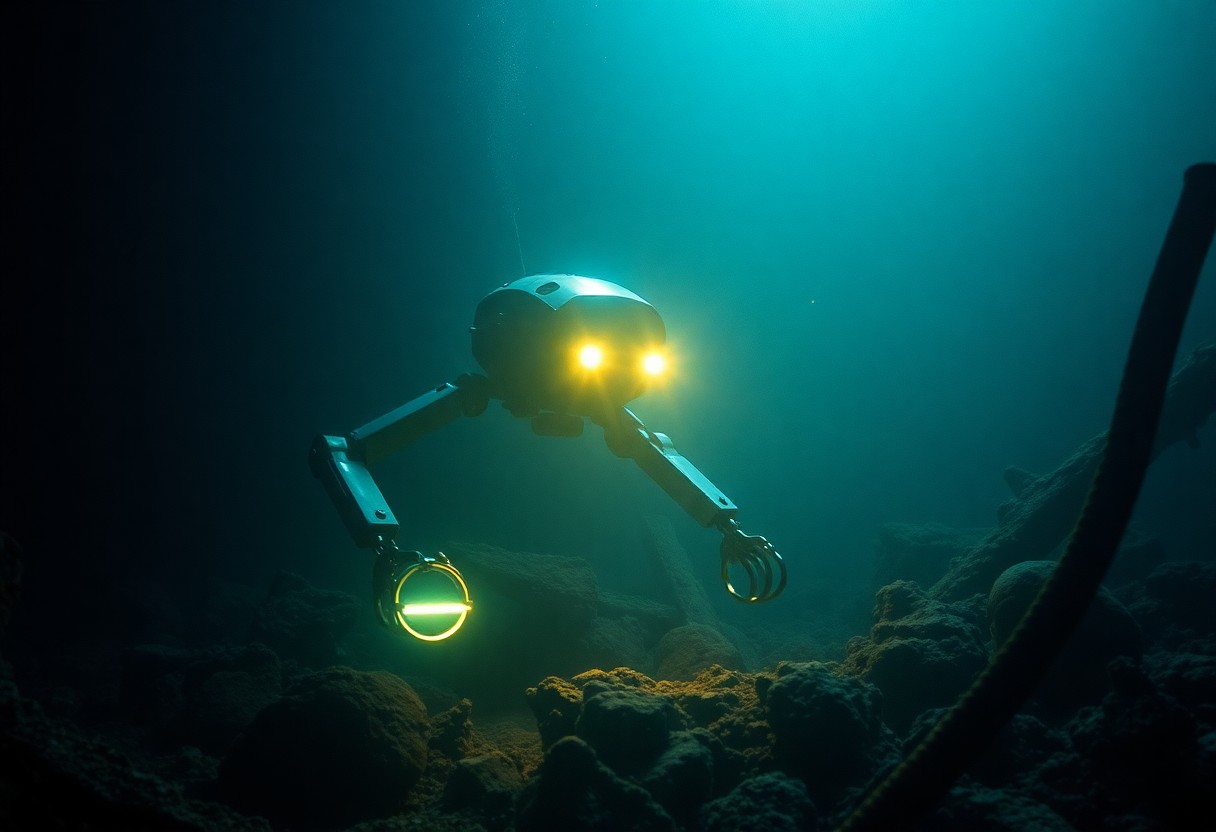
Abyssal robots are transforming our understanding of deep ocean environments by providing unprecedented access to areas previously deemed unreachable. Equipped with advanced sensors and high-definition cameras, these submersibles enable researchers to conduct detailed explorations, mapping the ocean floor and observing marine life at extreme depths. Their capabilities are lighting the way for new discoveries, potentially revealing unknown species and uncovering geological formations that shape our planet. The revolutionizing potential of abyssal robots supports a deeper connection between humans and the ocean, fostering a collective effort towards ocean conservation and scientific advancement.
Redefining Ocean Exploration
Utilizing abyssal robots reshapes the framework of ocean exploration by enabling real-time data gathering and extensive underwater surveys. Unlike traditional methods, these robotic vessels can operate autonomously for extended periods, reducing the costs associated with deep-sea missions. As a result, you can witness the ocean being explored in ways that were once impossible, launching an era where meticulous examinations of the abyssal depths become standard practice.
Enhancing Data Collection and Analysis
Abyssal robots enhance your ability to collect and analyze oceanographic data with astonishing precision and efficiency. Their sophisticated equipment allows for the monitoring of environmental conditions, such as temperature, salinity, and pressure, while capturing high-resolution imagery of marine ecosystems. This continual flow of data transforms how you understand deep-sea environments, leading to richer insights into ocean health and the impact of climate change.
High-quality data collected by abyssal robots can be integrated into comprehensive databases that foster collaborative research. For instance, the Oceanographic Data Center utilizes data from these robots for various applications such as tracking biodiversity loss and understanding sediment transport, allowing scientists to convert raw data into actionable knowledge. With multiple sensors working in concert, these robots gather measurements and visuals that go far deeper than broad, surface-level research, heralding a new era in ocean science and conservation. As the volume of data increases, your understanding of ecological shifts and the underwater landscape becomes more nuanced, further promoting explorations previously thought unattainable.
Technical Innovations Powering Abyssal Robots
Innovations in robotic technology are reshaping our ability to explore the ocean’s depths. From advanced materials that withstand extreme pressure to cutting-edge power systems, these advancements enable more sophisticated data gathering and autonomous operations. Incorporating these technologies ensures that you can operate in the harshest underwater environments, unlocking new possibilities for scientific discovery.
Advanced Sensors and Imaging Technology
Your understanding of deep-sea ecosystems has significantly improved thanks to advanced sensors and imaging technology integrated into abyssal robots. These devices can capture high-resolution images and gather data on water quality, temperature, and biodiversity. By utilizing this technology, researchers can create detailed maps of the ocean floor and monitor changes in marine habitats.
| SONAR Systems | Used for mapping underwater terrain and identifying objects. |
| Cameras | High-definition imaging for real-time video capture and analysis. |
| Environmental Sensors | Measure temperature, salinity, and pollutants, among other factors. |
| Hydrophones | Capture and analyze sounds from marine life and geological activity. |
Autonomous Navigation Systems
Autonomous navigation systems enable abyssal robots to traverse the ocean floor without human intervention. These systems utilize complex algorithms and real-time data to chart paths, avoiding obstacles and adapting to unpredictable underwater currents. As a result, you can gather extensive data sets over larger areas and durations than previously possible.
Advanced algorithms, such as simultaneous localization and mapping (SLAM), are often employed in these navigation systems. They allow the robots to map their environment accurately while determining their precise position within it. Coupled with inertial navigation systems and GPS-coupled surface support, these technologies ensure robust operation even in the most remote locations. This not only enhances efficiency but also expands the capabilities of research missions, allowing for groundbreaking discoveries in the uncharted territories of the deep sea.
Key Discoveries Made Possible by Abyssal Robots
Abyssal robots have been instrumental in unearthing some of the ocean’s greatest mysteries. They provide researchers with unprecedented access to unexplored regions, leading to breakthroughs in understanding marine ecosystems, geological formations, and the chemical composition of the seafloor. By submerging into the depths where human divers cannot reach, these robots uncover vital data that shapes oceanography and conservation efforts globally.
Marine Biodiversity and Ecosystem Health
Your understanding of marine biodiversity has expanded through the discoveries made by abyssal robots. These autonomous explorers have documented previously unknown species and habitats in the deep sea, highlighting the immense variety of life that thrives under extreme conditions. These observations inform conservation strategies, emphasizing the importance of protecting these fragile ecosystems.
Geological and Chemical Secrets of the Seafloor
Abyssal robots examine into the geological and chemical mysteries buried beneath the seabed. By analyzing sediment samples and rock formations, you gain insights into tectonic activities and past climatic conditions. This research not only enhances your knowledge of ocean dynamics but also aids in the exploration of natural resources and informs predictions about potential geological hazards.
The seafloor is a treasure trove of geological and chemical secrets. Abyssal robots have played a pivotal role in identifying hydrothermal vents, which release minerals and support unique ecosystems. Researchers have discovered underwater volcanoes, mapped the contours of oceanic ridges, and studied methane hydrate deposits—all crucial for understanding how these elements interact with global climate systems. This newfound knowledge also aids efforts in resource management and illuminates the connections between geological processes and biological life in the deep ocean.
Ethical Considerations in Deep-Sea Robotics
Engaging with deep-sea robotics raises ethical questions that you must navigate carefully. The deployment of these robots can result in unforeseen consequences, particularly to delicate marine ecosystems. Balancing technological advancement with environmental stewardship is vital, as introducing foreign equipment can disrupt existing habitats and biological communities that have thrived for millennia.
Impact on Marine Life and Habitats
The presence of robotic exploration tools impacts marine creatures and habitats, as physical contact and environmental disturbances can alter species behavior and affect breeding grounds. You may ask how the noise pollution generated from these machines disrupts communication among marine life or how the sediment plumes they create can smother fragile coral ecosystems. Such implications necessitate a careful approach in research design and execution.
The Responsibility of Deep-Sea Research
Deep-sea researchers bear the responsibility of maintaining the integrity of marine ecosystems while advancing scientific knowledge. Ethical research practices should govern all stages of exploration, from planning to execution and data publication. This includes not only preserving biodiversity but also ensuring that findings are shared transparently with the public to promote awareness and informed public discourse around deep-sea conservation.
Maintaining ethical standards in deep-sea research requires you to develop a framework that prioritizes ecological health alongside scientific inquiry. This responsibility also involves engaging with stakeholders, including environmental organizations and local communities, to foster collaborative efforts in protecting vulnerable marine environments. By actively involving diverse voices in the conversation, your research can lead to comprehensive policies that recognize the value of marine biodiversity while supporting legitimate scientific exploration.
The Future of Abyssal Robotics and Ocean Exploration
The future of abyssal robotics holds remarkable promise, as ongoing advancements and interdisciplinary collaborations pave the way for deeper and more effective ocean exploration. You can expect the integration of artificial intelligence, enhanced sensor technologies, and improved energy solutions that will allow robots to operate autonomously for extended periods. Such innovations open doors not only to thorough surveys of the seafloor but also to real-time data analysis, enabling scientists to study marine ecosystems with unprecedented accuracy.
Collaborative Efforts in Research and Development
Collaboration among universities, governmental agencies, and private tech companies is transforming the landscape of abyssal research. You’re witnessing partnerships like the Ocean Exploration Cooperative Institute, which combines expertise to develop advanced robotics that meet diverse research needs. This collective approach accelerates innovation and allows for the sharing of resources, knowledge, and funding, maximizing the impact of robotic explorations in the deep ocean.
The Potential for Unprecedented Discoveries
Abyssal robots are positioned to unveil secrets of the ocean that you never thought possible. Each exploration mission could reveal new species, ancient shipwrecks, and even geological formations that provide insight into Earth’s history. The vast, largely unexplored territory of the deep sea is rich with potential, including discoveries that could enhance our understanding of biodiversity, climate change, and even biotechnology. Consider the discovery of hydrothermal vent ecosystems, which reshaped theories about life’s origins – similar breakthroughs may lie ahead, just waiting for the right robotic adventurer to uncover them.
Final Words
With this in mind, you can appreciate that abyssal robots are key to unlocking the mysteries of the deep ocean. These advanced technologies enable you to explore extreme depths that were once unreachable, providing valuable insights into marine ecosystems and geology. By harnessing the capabilities of these robots, you can contribute to our understanding of climate change impacts, biodiversity, and the preservation of ocean resources. Your engagement with these innovations fosters a deeper connection to our planet’s most enigmatic environments.
