

Just follow systematic functional, safety, and performance tests to verify your robot’s sensors, actuators, control algorithms, and fail-safes before deployment. Mechanical Integrity and Structural Analysis Inspect the robot’s frame for microfractures, weld defects, and material fatigue using visual, ultrasonic, and radiographic methods so you verify structural soundness before functional testing. Load Bearing and Stress Capacity […]
Blog

Cable Management Best Practices in Robotics
Robotics systems require disciplined cable routing so you avoid interference, reduce wear, and simplify maintenance; you should use proper strain relief, color-coded labeling, secured cable channels, and regular inspections to maintain performance and safety. Dynamic Motion and Bend Radius Requirements Motion profiles determine minimum bend radii and dynamic fatigue factors you must plan for to […]
Constructing Autonomous Robots – Navigation and Control
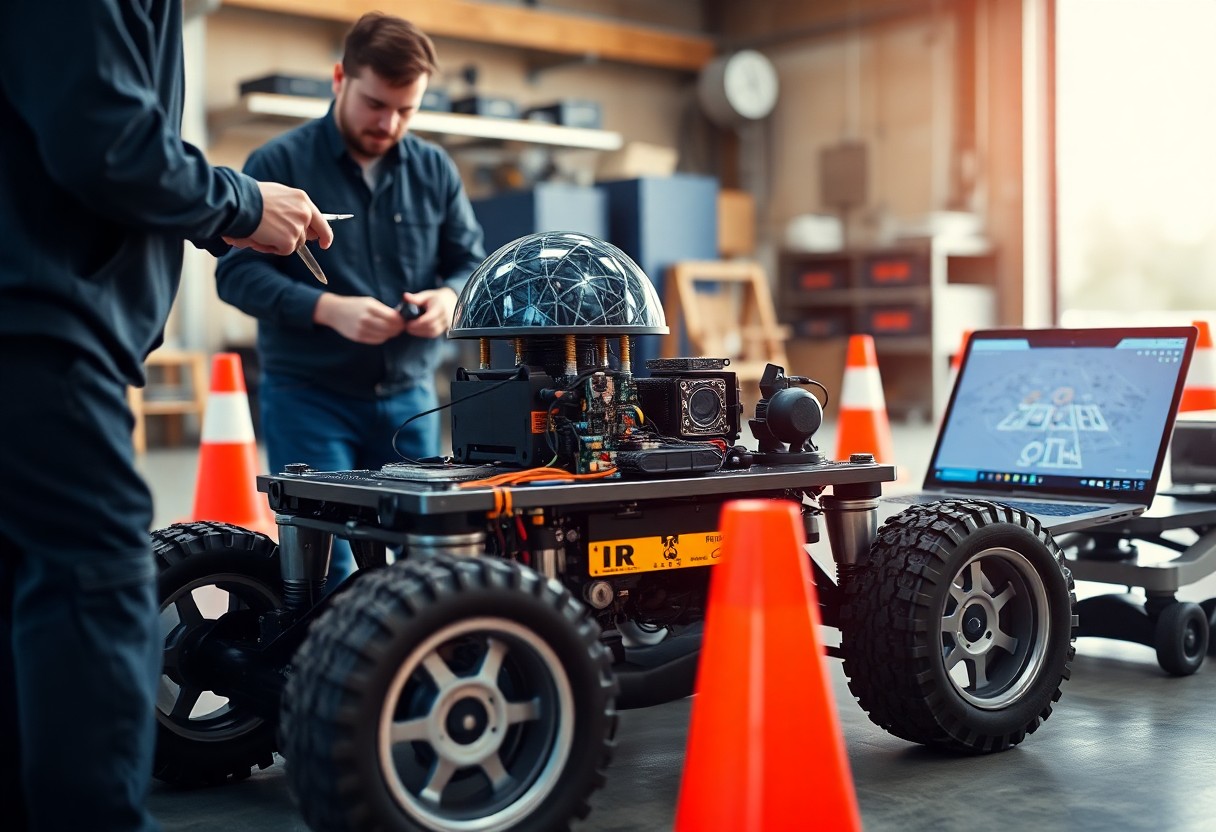
Just use sensor fusion, SLAM-based mapping, precise localization, path planning, and closed-loop control so your robot follows safe routes, avoids obstacles, and adapts to changing environments. Sensor Integration and Perception Sensors must be harmonized so you can interpret conflicting streams, aligning timestamps, compensating for drift, and prioritizing data quality to keep perception reliable in varied […]
Prototyping Techniques for Robot Construction
There’s a toolkit of prototyping techniques for robot construction that lets you rapidly test mechanics, iterate control systems, validate sensors, and shorten development cycles with physical mockups, 3D-printed parts, simulation, and modular electronics. Rapid Mechanical Fabrication You combine quick frame milling, modular joints, and low-cost printed fixtures to validate kinematics, load paths, and basic function […]

Integrating Mechanical, Electrical, and Software Systems
Electrical, mechanical, and software teams must coordinate requirements, interfaces, and verification so you deliver predictable performance, mitigate failure modes, and simplify maintenance across product lifecycle. Fundamentals of Mechatronic Synergy Systems thinking helps you align actuators, sensors, and controllers to meet performance and safety targets while respecting physical and budgetary constraints. Holistic Design Philosophy Design integration […]
Designing Robots for Easy Maintenance and Repair
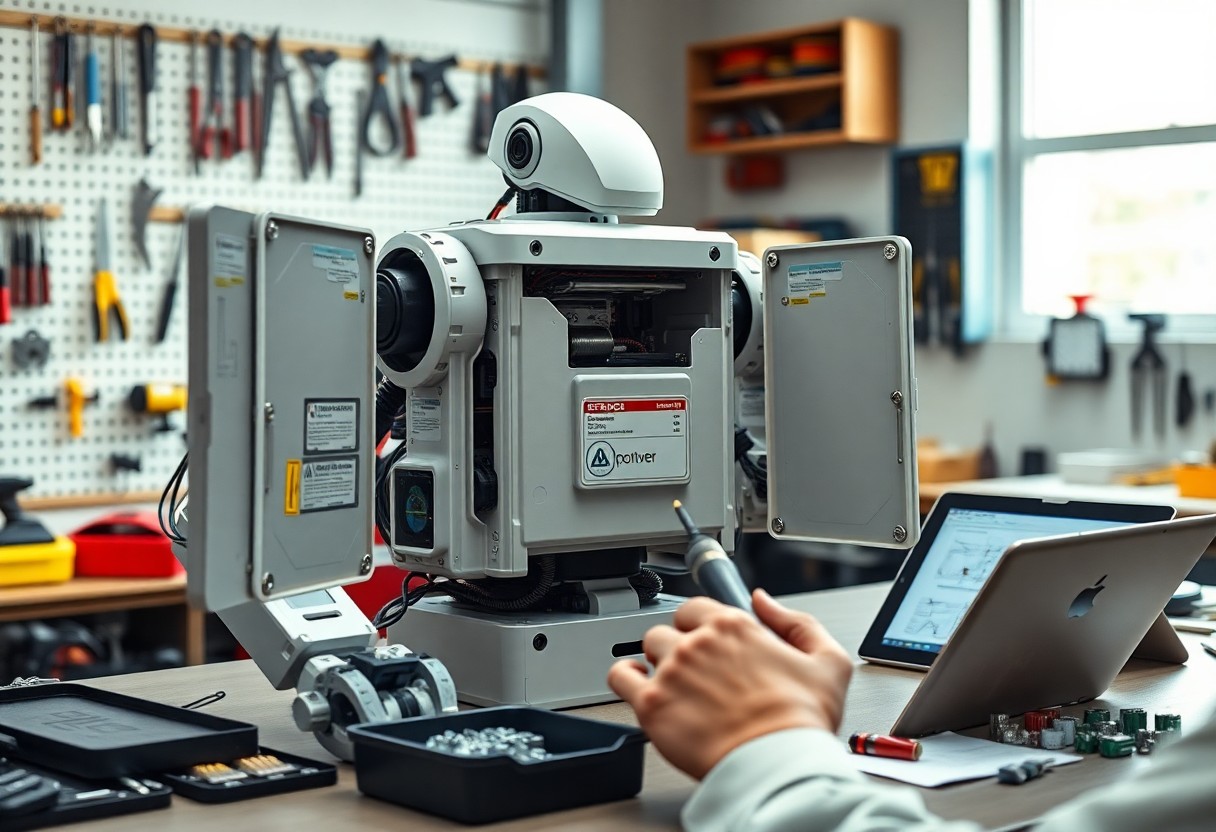
It’s imperative you design modular access panels, standardized fasteners, clear diagnostics, and accessible components so you can quickly troubleshoot, replace parts, and minimize downtime without compromising safety. Principles of Modular Architecture Modularity lets you replace or upgrade entire robot sections quickly by using uniform connection points, reducing diagnostic time and simplifying spare inventories. Standardization of […]

Assembly Tolerances and Their Impact on Robot Accuracy
Just consider how micrometer-level misalignments alter kinematics and repeatability; you must specify tight assembly tolerances, inspect fits, and control stack-up to prevent cumulative positional errors that degrade robot accuracy. Fundamentals of Geometric Dimensioning and Tolerancing (GD&T) GD&T guides you in specifying allowable variation, defining form, orientation, and position controls that determine assembly fits and robot […]
Building Robots for Indoor vs. Outdoor Environments
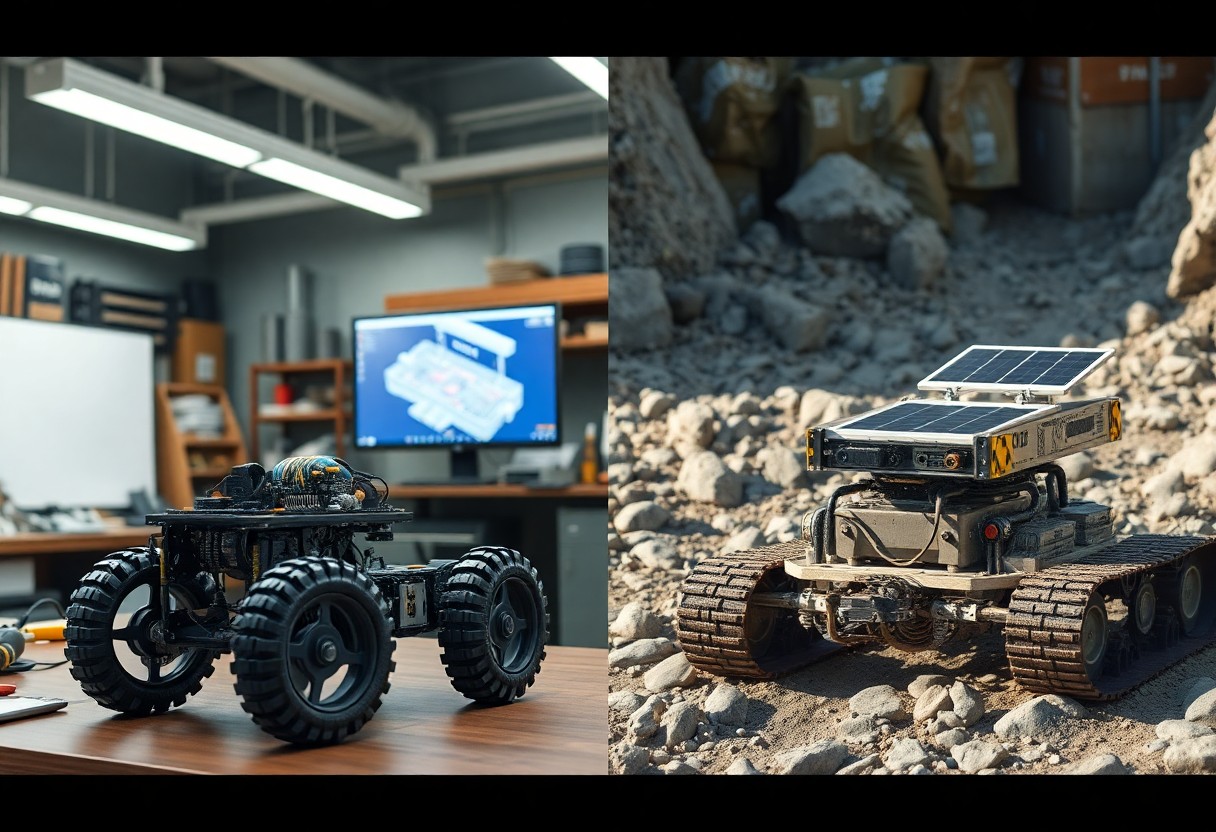
Most projects you build for indoor environments prioritize precision and safety while outdoor designs demand weatherproofing and guard against hazards such as terrain and exposure, so you adjust sensors, mobility and power. Structural Design and Locomotion Structure dictates trade-offs: for indoor robots you favor compact frames, quiet actuators, and precision, while outdoor systems require greater […]
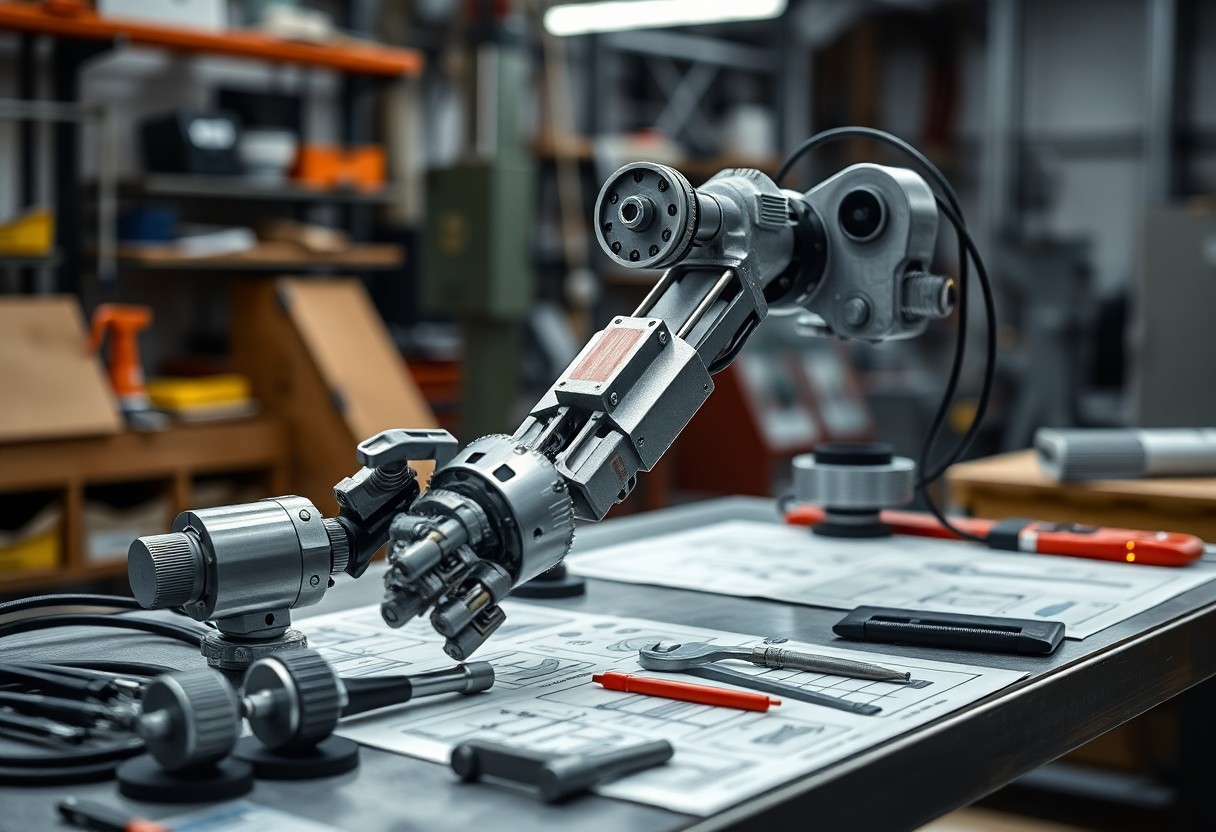
Constructing a Robot Arm – Kinematics and Assembly
You design link lengths and joint angles to achieve precise kinematics, while assembling motors, sensors, and fasteners with care; accuracy drives performance, sharp pinch points present danger, and servo torque enables strong, repeatable motion. Mechanical Design and Component Selection You should match structural requirements, actuator specifications, and safety margins when choosing parts; prioritize load capacity […]

Structural Materials in Robot Construction – Aluminum, Steel, and Plastics
Just know that when you choose materials, aluminum offers lightweight strength and corrosion resistance, steel provides high load capacity but heavier weight and rust risk, and plastics give cost-effective versatility with possible brittleness and flammability. Steel and Ferrous Metals: Durability for Heavy-Duty Systems Steel and ferrous alloys give you unmatched durability for heavy-duty robot frames, […]