
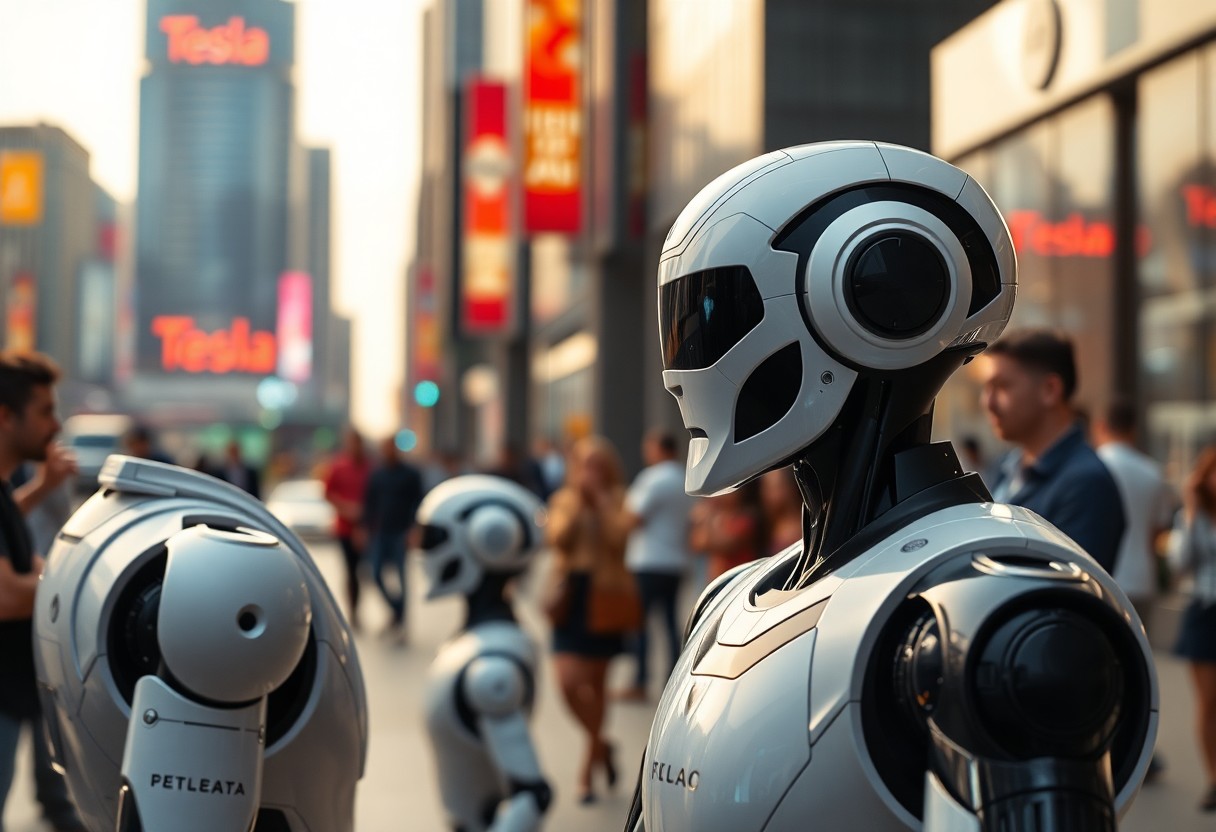
It’s an exciting time for humanoid robots as we approach 2025, with significant advancements from companies like Tesla and Figure AI. You will discover how these innovations are set to reshape various industries while addressing the numerous challenges that remain. From improvements in artificial intelligence to the complexities of human-robot interaction, understanding these developments can enhance your perspective on the future of automation and its implications for society.
The Rise of Humanoid Robots: A Snapshot of 2025
By 2025, humanoid robots have firmly embedded themselves into various sectors, revolutionizing industries from healthcare to manufacturing. With advancements in artificial intelligence and machine learning, these robots now exhibit greater autonomy and adaptability. Real-world applications include assisting in elderly care, automating repetitive tasks in factories, and even providing support in customer service roles. As they become more prevalent, humanoid robots are reshaping the workforce landscape, becoming crucial tools rather than mere novelties.
Key Players in the Market
Your attention is drawn to several companies driving the humanoid robotics market. Tesla with its Optimus, Boston Dynamics with the agile Spot, and Figure AI are leading the charge with innovative products designed for various applications. These entities focus on developing robots that can navigate complex environments, interact with humans, and learn from their experiences, setting the stage for widespread adoption and integration into daily life.
Innovations in Robotics Technology
Recent innovations in robotics technology have significantly enhanced humanoid capabilities, including advancements in sensors, actuators, and AI algorithms. This progress has led to robots becoming more adept at performing complex tasks and understanding human emotions. Enhanced machine learning techniques allow for better interactions, while sophisticated computer vision systems enable robots to interpret their surroundings with impressive accuracy.
In 2025, key breakthroughs such as soft robotics are making humanoid robots safer for human interaction, allowing them to assist in sensitive environments. Development of dexterous hands mimicking human movements empowers these robots to perform intricate tasks, like cooking or complex assembly. Furthermore, collaborative robots (cobots) designed to work alongside humans are becoming more intuitive, adapting to human actions in real-time. These innovations, coupled with advancements in battery life and energy efficiency, are setting new standards for performance and usability within the field of robotics.
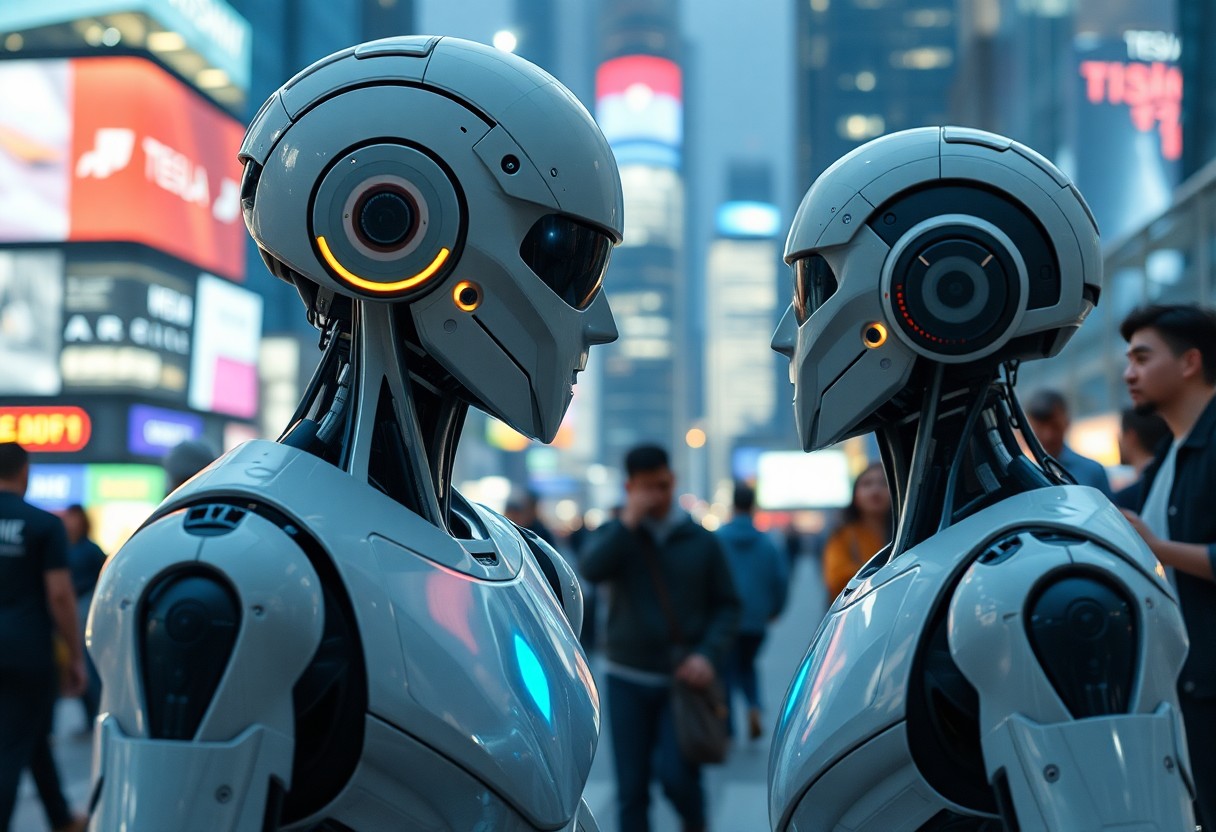
Breaking Barriers: Tesla Optimus and its Transformative Potentials
Tesla Optimus stands at the forefront of humanoid robotics, demonstrating remarkable advancements that challenge traditional perceptions of automation. This robot integrates sophisticated human-like movement and decision-making capabilities, positioning itself as a transformative force in industries ranging from manufacturing to elderly care. With its promising functionalities and efficiency, Optimus is reshaping how you envision daily tasks and interactions in both personal and professional environments.
Advanced AI Integration
Harnessing cutting-edge AI, Tesla Optimus offers enhanced intelligence and adaptability for various applications. You can expect seamless interactions as the robot utilizes advanced machine learning to understand and respond to complex commands. This integration not only improves efficiency but also enables the robot to learn from its environment, making it more effective over time.
Key Features of Tesla Optimus
| Feature | Description |
|---|---|
| Advanced Mobility | Humanoid design allows for fluid, human-like movements. |
| Comprehensive Learning | Utilizes machine learning to understand tasks and environments. |
| Multi-Tasking Capabilities | Can perform a variety of tasks simultaneously and efficiently. |
Real-World Applications and Use Cases
Real-world applications of Tesla Optimus are vast, significantly enhancing workflows across diverse sectors. You will see its deployment in manufacturing lines for assembly, in logistics for package sorting, and even in healthcare, where it aids staff by assisting elderly patients with daily tasks.
In manufacturing, for instance, Tesla Optimus optimizes assembly processes, reducing error rates while increasing output. In logistics, its ability to navigate and sort packages allows for faster delivery times, which becomes critical in e-commerce. In healthcare settings, its presence supports caregivers, allowing them to focus on the more nuanced elements of patient care while improving overall efficiency. These practical examples illustrate how Tesla Optimus is more than just a robotic innovation; it’s a vital asset that enhances productivity and quality of life in various domains.
Figure AI: Shaping Human-Robot Interaction
Figure AI is redefining how humans engage with robots, promoting seamless integration in everyday activities. By leveraging advanced machine learning algorithms, these robots not only understand commands but also interpret human emotions and intentions, enhancing their ability to assist you in a more intuitive manner. This evolution enables more natural interactions, transforming robots into your collaborative partners rather than mere tools, significantly enhancing productivity across various settings.
Developing Empathy Through Design
Empathy-driven design in Figure AI ensures that robots can respond to your emotional cues. This initiative emphasizes aesthetic appeal and user-friendly interfaces, fostering connections that make interactions not just functional but also emotionally resonant. With robots tailored to mirror human expressions and gestures, they become relatable and approachable, facilitating smoother communication and understanding.
Enhancing Collaborative Tasks with Improved Interfaces
The integration of advanced interfaces significantly boosts the effectiveness of collaborative tasks between you and robots. These interfaces prioritize usability and engagement, making it easier for you to delegate tasks and receive feedback, enhancing overall workflow efficiency.
Incorporating touch-sensitive controls, voice activation, and visual aids transforms how you interact with robots, allowing for dynamic communication during tasks. For example, Figure AI’s robots utilize augmented reality overlays to provide real-time updates and guidance, streamlining processes in complex environments like warehouses or healthcare facilities. This not only simplifies task delegation but also fosters a collaborative atmosphere, where you can focus on higher-level decision-making while the robot manages intricate details.
Navigating the Roadblocks: Ethical and Technical Challenges
In the journey towards fully operational humanoid robots, you encounter significant ethical and technical hurdles. Concerns about job displacement, safety regulations, and the ethical treatment of autonomous entities are at the forefront. Moreover, advancements in AI, as highlighted by Elon Musk says 80% of Tesla’s value will come from …, illustrate the pressing need for a balanced approach in deploying these technologies effectively.
Safety Concerns in Humanoid Robotics
Risks associated with humanoid robots focus primarily on potential accidents or malfunctions in everyday environments. Your awareness of robotic capabilities and limitations is imperative, especially concerning human interaction. Incidents could stem from software errors or unexpected robot behavior, necessitating stringent safety measures.
The Ethical Implications of Automation and Labor
The rise of humanoid robots raises questions about the future of your employment landscape. With automation learning to perform tasks traditionally done by humans, uncertainty about job security looms large. This transition could lead to significant societal shifts as you adapt to a workforce where robots coexist and, in some cases, outperform humans.
The Ethical Implications of Automation and Labor extend beyond job displacement. You face a shifting paradigm where various sectors, such as manufacturing and service industries, may see substantial alterations in workforce dynamics. While efficiency and productivity could increase, the socioeconomic impact should not be overlooked. Retraining programs and new job creation are imperative to ensure workers are not left behind. These challenges underscore the need for thoughtful policies that embrace innovation while safeguarding the workforce.
Public Perception: Acceptance and Resistance to Humanoid Robots
Your views on humanoid robots like Tesla Optimus and Figure AI are shaped by a mix of fascination and apprehension. While some embrace the potential for innovation and assistance, others voice concerns about job displacement and ethical implications. The balance between excitement for technological advancement and worries about privacy or safety creates a complex landscape where acceptance can fluctuate widely.
Media Influence on Society’s Views
Media coverage significantly shapes public sentiment towards humanoid robots. Sensationalized narratives often highlight dystopian futures, prompting fears about robots overtaking jobs or posing threats to humanity. Conversely, positive portrayals in documentaries and news segments can foster a sense of curiosity and acceptance, showcasing advancements in robotic assistance and their potential to improve quality of life.
The Role of Education in Fostering Understanding
Educational initiatives play a vital role in demystifying humanoid robots and addressing misconceptions. Schools and community programs that incorporate robotics into their curricula can enhance understanding among students and the public. By engaging individuals with hands-on experiences, they can foster a sense of familiarity and comfort with technology.
Programs focused on robotics education often include workshops, demonstrations, and interactive experiences that allow you to see the practical applications of humanoid robots. Understanding their functionalities and design can diminish fears and misconceptions. For instance, students learning to code or program simple robots often gain insight into the challenges and ethics surrounding AI development. As educational institutions emphasize technology literacy, they help prepare society for integration, ensuring a more thoughtful approach to new innovations instead of knee-jerk reactions based on fear or misunderstanding.
Final Words
Taking this into account, you can expect significant advancements in humanoid robots by 2025, exemplified by Tesla Optimus and Figure AI. These innovations will enhance your everyday life, offering solutions in various sectors, from healthcare to hospitality. However, be prepared to navigate the challenges they bring, including ethical considerations and job displacement. Staying informed will empower you to adapt to these changes and harness the potential of humanoid robots effectively.
