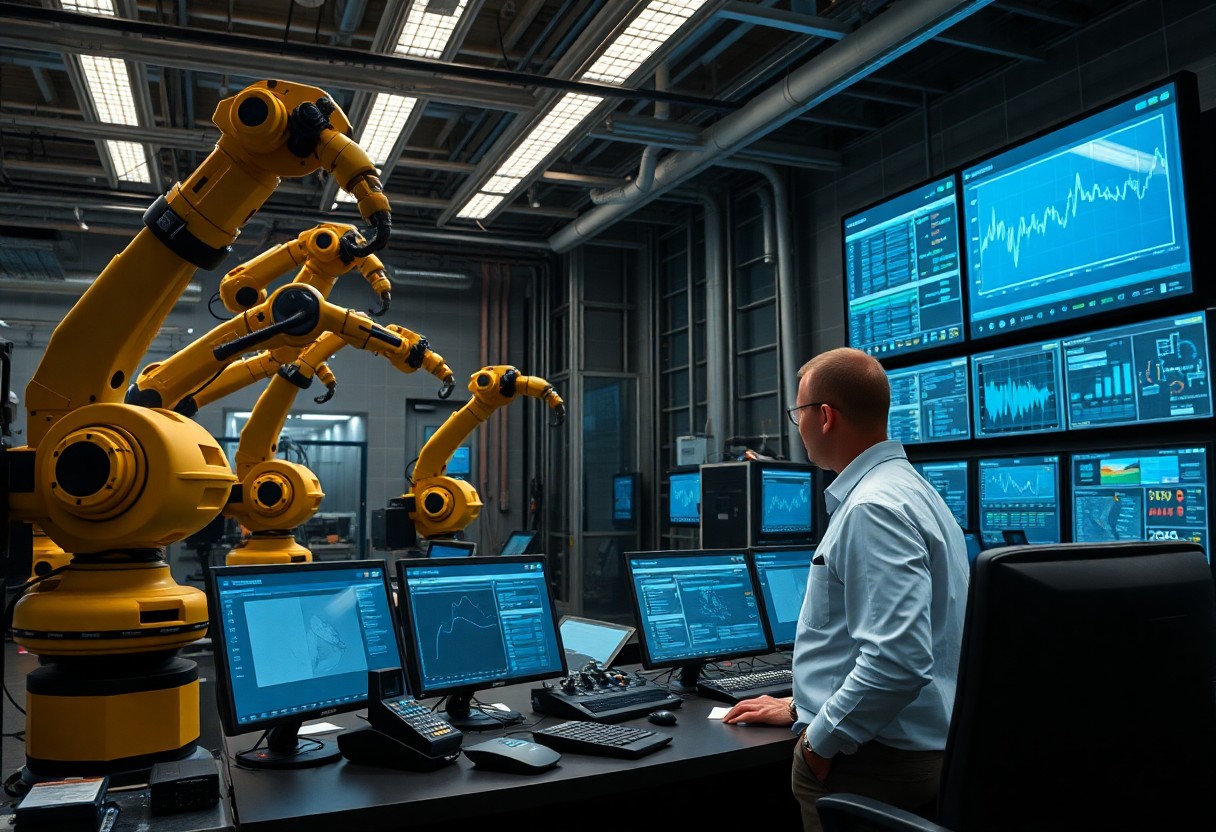
Over time, integrating new technologies into your automation systems can significantly enhance productivity and efficiency. By upgrading the technical components, you can streamline operations and embrace innovative solutions tailored to your specific needs. Whether you’re interested in the latest automation software or more advanced hardware, exploring resources like Industrial Automation: Five Ways to Help Upgrade Your … can provide guidance on beneficial upgrades and implementation strategies. Your investment in modern technology will pay off in improved performance and reliability.
The Shift Towards Smart Automation
The landscape of automation is rapidly evolving with the shift towards smart technology. As industries embrace innovative solutions, integrating advanced automation systems not only enhances operational efficiency but also fosters responsiveness to market dynamics. You will find that adopting smart automation allows for real-time data analytics, predictive maintenance, and improved decision-making, ultimately leading to more agile and resilient processes within your organization.
Unpacking Intelligent Systems and Their Benefits
Intelligent systems, characterized by adaptability and connectivity, provide vast benefits such as reduced downtime and enhanced productivity. You can leverage these systems to optimize workflows by utilizing data-driven insights, leading to informed strategic decisions. With smart automation, your organization can also improve accuracy and consistency, minimizing human errors that often plague traditional processes.
The Role of Artificial Intelligence in Streamlining Operations
Artificial Intelligence (AI) plays a pivotal role in revolutionizing operational efficiency through automation. By employing AI algorithms, you can analyze data patterns, predict outcomes, and automate routine tasks, resulting in a streamlined operation and reduced operational costs.
AI technologies can transform your automation systems by enabling predictive analytics that forecast equipment failures before they happen. For example, integrating AI with your manufacturing processes allows you to monitor machinery performance in real-time. This proactive approach minimizes disruptions, leading to an estimated reduction of 20-30% in maintenance costs. Furthermore, with machine learning algorithms, your systems can continuously improve by learning from past operations, further enhancing performance over time. By embracing AI, you position your business to not only respond to current demands but also anticipate future challenges and opportunities, boosting your competitive edge in the marketplace.
Evaluating Existing Infrastructure for Upgrades
Assessing your current infrastructure is crucial for successful upgrades. An evaluation helps pinpoint which elements of your system can be enhanced or require complete replacement. By analyzing the age, functionality, and performance of existing components, you can better strategize your technological advancements to align with business goals and ensure a seamless transition into more advanced automation solutions.
Conducting a Comprehensive Technology Audit
A technology audit provides a thorough assessment of your existing systems, identifying both hardware and software inventory. This involves analyzing performance metrics, availability of support, and compatibility with new technologies. Additionally, focusing on core processes can reveal bottlenecks and inefficiencies that might be hindering your operations.
Identifying Gaps and Opportunities for Improvement
Identifying gaps in your current infrastructure opens up pathways for significant enhancements. By examining performance issues, outdated technology, and workflow inefficiencies, you can visualize where improvements can be made. This assessment not only highlights areas in need of upgrades but also uncovers opportunities to integrate innovative solutions that drive productivity and reduce costs.
A practical example may involve recognizing that your legacy systems are unable to integrate with newer software tools, thus stifling innovation. If your manufacturing floor relies on outdated machinery, you risk extending downtime and sacrificing efficiency. In such cases, introducing IoT-enabled machines could enhance data collection and real-time monitoring. Moreover, an analysis of workforce skills might reveal a need for training programs to ensure your team can effectively handle new technologies, ultimately leading to a more adaptable and efficient operational model. By systematically pinpointing these gaps, you enable a pathway for targeted upgrades, resulting in optimized performance and long-term growth potential.
Implementing Seamless Integration Strategies
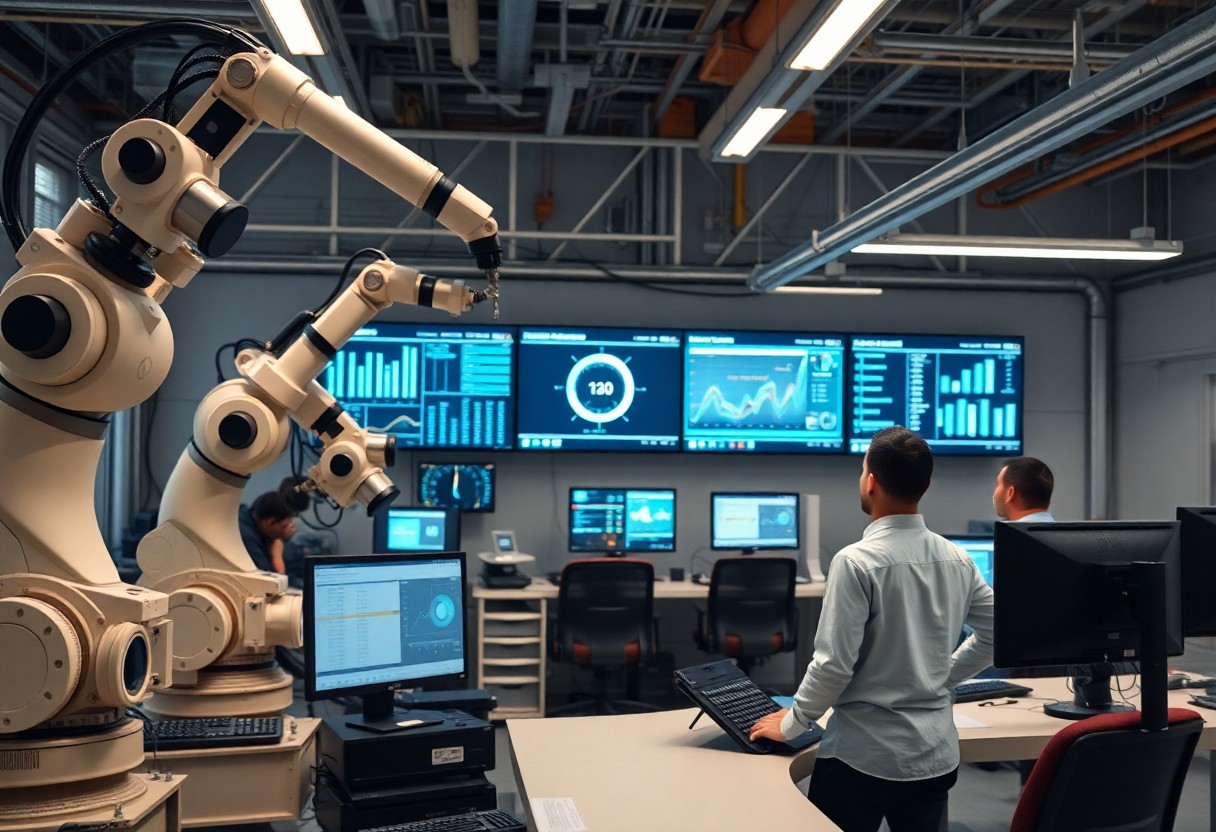
Establishing seamless integration strategies ensures that your automation systems work harmoniously with existing processes and technologies. By focusing on efficient data exchange and communication protocols, you can reduce the risk of disruptions and enhance overall functionality. Key steps include conducting comprehensive assessments of current systems and identifying potential bottlenecks, allowing for smoother transitions as you adopt new technologies.
The Importance of Compatibility and Interoperability
Compatibility and interoperability are fundamental when integrating new technologies into your automation systems. Selecting components that easily communicate with existing hardware and software minimizes friction during implementation. For instance, utilizing APIs and standardized protocols can significantly enhance data flow, enabling quicker adaptation without requiring extensive overhauls. Maintaining this focus will lead to greater efficiency and longer product lifecycles.
Phased Approaches to Minimizing Downtime
Adopting a phased approach to integration allows for incremental changes rather than a complete system overhaul, reducing the risk of significant downtime. By implementing new technologies in segments, you can test their effectiveness and make necessary adjustments before full-scale deployment. This method not only helps maintain operational continuity but also gives you the opportunity to gather feedback from your team, ensuring that any issues can be resolved proactively.
Implementing a phased approach involves executing the integration in stages, starting with the most critical components. For example, you might first integrate new sensors into your existing machinery and monitor their performance before adding additional layers of automation. This method allows you to maintain control over the integration process, ensuring that each stage is successful before moving on. Not only does this minimize disruptions to production, but it also provides a valuable learning experience, allowing you to refine your integration strategies based on real-time data and user input. By moving methodically, you build a more resilient automation system that can adapt to future demands.
Training and Adaptation for Workforce Efficiency
Investing in your workforce’s skills is fundamental for maximizing the benefits of new automation technologies. Providing ongoing training ensures that employees can effectively engage with upgraded systems, facilitating smoother transitions and improved operational efficiency. As you transit to advanced technologies, an adaptable workforce becomes your greatest asset in achieving optimal results and seamless operations.
Bridging the Skills Gap with Targeted Learning Programs
Your organization can address the skills gap by implementing specialized learning programs tailored to specific technological needs. These programs should focus on hands-on training and real-world applications to prepare employees for utilizing new automation systems. By aligning training initiatives with the required competencies, you can enhance employee confidence and competence in their roles.
Cultivating a Culture of Innovation and Open-Mindedness
Fostering a culture that promotes innovation allows your workforce to embrace change and enhance productivity. Encouraging employees to share ideas and experiment with new technologies creates an environment where creativity thrives. Establishing forums for collaboration and continuous feedback can empower your teams to think outside the box, resulting in innovative solutions and improved processes.
An innovative culture hinges on cultivating open-mindedness among your staff. By actively celebrating successes and learning from failures, you encourage team members to explore new solutions without fear of judgment. Incorporating regular brainstorming sessions and innovation workshops can stimulate creative thinking and collaboration, ultimately driving your organization’s success in navigating technological advancements. Companies that prioritize innovation have reported higher employee satisfaction, leading to increased retention and productivity—a win-win for both management and staff.
Measuring Success and Continuous Improvement
Your ability to gauge the effectiveness of your automation systems relies on well-defined metrics and a commitment to ongoing enhancement. By measuring success through established standards, you can identify areas of strength and opportunities for refinements. Continuous improvement should be woven into the fabric of your operational strategy, ensuring that your systems can adapt and evolve with market trends and technological advancements.
Key Performance Indicators for Automation Systems
Defining key performance indicators (KPIs) allows you to quantify the performance of your automation systems. Focus on metrics such as cycle time, throughput, and error rates, which provide valuable insights into operational efficiency. For example, tracking the decline in cycle time after integrating a new robotic system illustrates the effectiveness of your investment and helps justify future automation endeavors.
Feedback Loops and Iterative Development
Implementing feedback loops fosters a culture of iterative development, where insights from system performance lead to constructive changes. Regularly collecting data from your automation processes lets you pinpoint specific functionalities that may need adjustments. By utilizing this real-time feedback, you’re able to refine processes and optimize performance continuously, ultimately enhancing the overall efficiency of your operations.
Feedback loops serve as a foundation for enhancing automation systems by allowing teams to react swiftly to performance data. For instance, using adaptive software that evolves based on user interactions can lead to rapid iteration cycles. You might analyze error rates and implement software updates or retrain employees based on their experiences. This ongoing interaction with your systems not only improves operational efficiency but also empowers your team to contribute to the automation landscape, ensuring that both human and machine performance continues to grow. Enhanced data collection tools and techniques, like A/B testing in your automation software, provide insights that drive meaningful change and add value to your operations.
Final Words
So, as you consider integrating new technologies into your automation systems, it’s crucial to assess both your current capabilities and future goals. By upgrading the technical components of your systems, you position yourself to enhance efficiency, reduce downtime, and stay ahead in a competitive market. Embrace innovation with a strategic approach, ensuring that each upgrade aligns with your overall business objectives. This way, you not only optimize your operations but also pave the way for sustained growth and adaptability in an ever-evolving technological landscape.