Top 10 Technical Parts Every Robot Needs For Optimal Performance
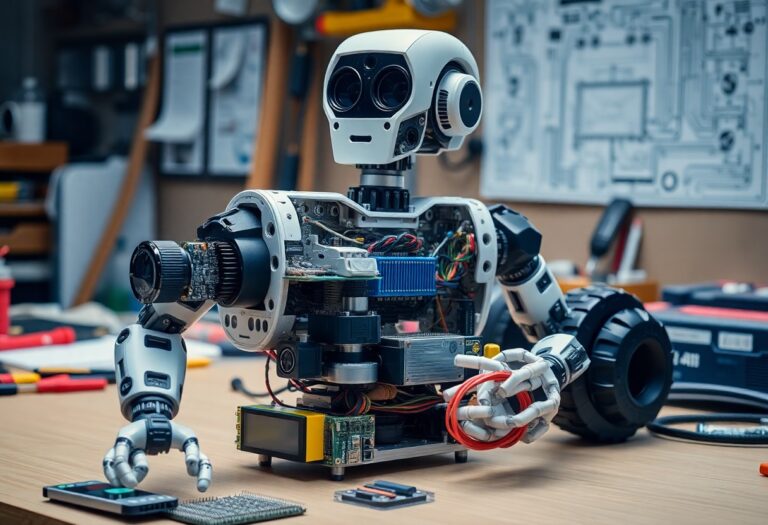
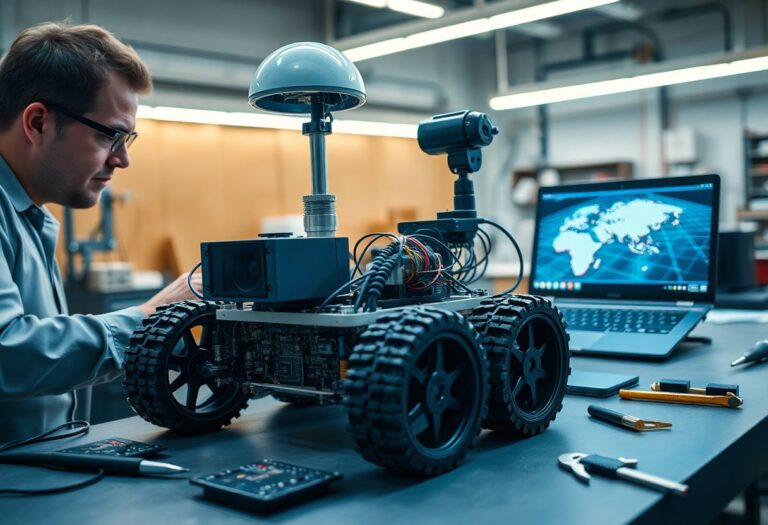
Most robots require a set of important technical components to ensure optimal performance and functionality. Whether you’re building a simple bot or a highly sophisticated machine, understanding these key parts will empower you to make informed decisions that enhance your robot’s capabilities. From motors to sensors, each element plays a significant role in how your creation interacts with the environment and completes its tasks. In this list, we will explore the top 10 technical parts every robot needs to reach its full potential.
Powering Up: The Essential Energy Sources for Robots
In terms of powering your robot, selecting the right energy source is fundamental for optimal performance. Different applications demand various energy solutions, from traditional batteries to emerging technologies like fuel cells. Understanding the pros and cons of each option will help you make informed choices, ensuring your robot operates efficiently and effectively throughout its tasks.
Batteries: Choosing the Right Type for Durability
The battery you choose plays a significant role in your robot’s longevity and performance. Lithium-ion batteries are popular for their lightweight and high energy density, while lead-acid options may offer lower costs and reliability. Evaluate your robot’s specific requirements, including weight limits and runtime, to find the best battery solution that balances durability and efficiency.
Fuel Cells: A Cutting-Edge Alternative for Efficiency
Fuel cells present a modern alternative for powering your robot, offering impressive energy efficiency and longevity. By converting chemical energy directly into electrical energy, they eliminate waste and reduce maintenance needs. As a result, using fuel cells can enhance your robot’s operational time, agility, and overall performance, making them an attractive option for various applications.
Fuel cells, unlike traditional battery systems, can provide continuous power as long as a supply of fuel is maintained, making them suitable for prolonged tasks. They are particularly advantageous for larger robotic systems where weight and energy demands are critical. Additionally, advancements in fuel cell technology have led to improvements in size, cost, and efficiency, positioning them as a viable solution for the future of robotics. If you are looking to boost your robot’s operational capabilities, exploring fuel cell options could offer a significant edge over conventional power sources.
Mobility Mechanisms: Making Robots Move with Precision
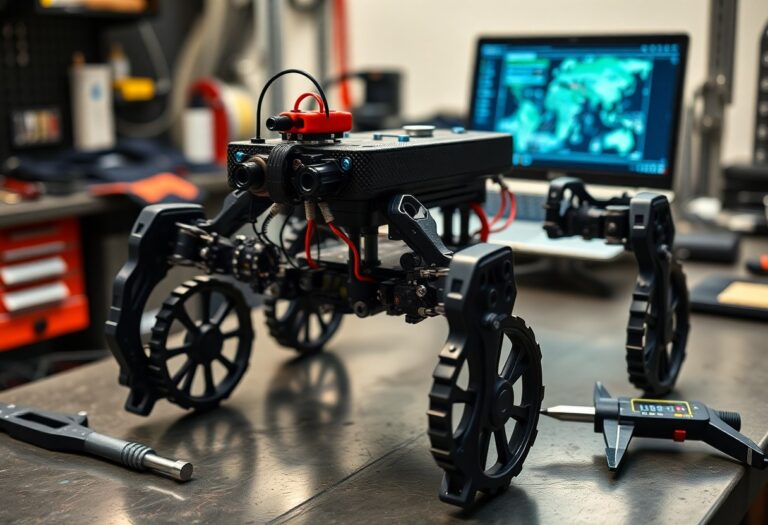
As far as robotic design, mobility mechanisms play a vital role in ensuring that your robot navigates its environment effectively. These systems, which include wheels, legs, and tracks, must be carefully selected based on the application requirements, terrain types, and desired speed. The choice of mobility mechanism will significantly affect your robot’s performance, agility, and energy efficiency, allowing it to carry out tasks with greater precision and reliability.
Actuators: Different Types and Their Applications
Actuators are crucial components that convert energy into motion, giving your robot the ability to move and perform tasks. They come in various types, each suited for specific applications:
- Electric Actuators: Commonly used for precise movement in clean environments.
- Pneumatic Actuators: Ideal for high-speed applications, utilizing compressed air to operate.
- Hydraulic Actuators: Best for heavy lifting and applications requiring significant force.
- Stepper Motors: Offer precise control over angular position, suitable for robotics.
- Servo Motors: Provide closed-loop control for accurate speed and position management.
Knowing the right actuator type for your application is key to optimizing your robot’s performance.
| Type of Actuator | Applications |
|---|---|
| Electric Actuators | Precision robotics |
| Pneumatic Actuators | High-speed industrial automation |
| Hydraulic Actuators | Heavy machinery operation |
| Stepper Motors | Robotic arms |
| Servo Motors | Robotic motion control |
Wheels vs. Legs: The Trade-offs in Locomotion
Choosing between wheels and legs for your robot’s locomotion system involves considering several trade-offs. Wheels provide speed and efficiency on flat, hard surfaces, making them ideal for tasks that require quick navigation. In contrast, legs offer versatility and adaptability on uneven terrain, enabling your robot to traverse obstacles that would impede wheeled robots. The decision ultimately depends on your robot’s intended environment and mission objectives, balancing between speed and adaptability to ensure optimal performance.
When assessing your robot’s locomotion options, it’s crucial to weigh the specific advantages each type presents. Wheels excel in flat, even terrain where high speeds and energy efficiency are priorities; they are simpler to control and maintain. On the other hand, legged robots can navigate challenging terrains like rocky or uneven surfaces and can master complex movements. Consider factors like your robot’s tasks, environmental conditions, and operation costs when making this critical decision to ensure its success in real-world applications.
Sensing the Environment: Must-Have Sensors
To achieve optimal performance in robotics, your robot must be equipped with a range of sensors that allow it to accurately sense and interact with its environment. These sensors help you gather data about surroundings, detect obstacles, and understand spatial relationships, making them a vital component for effective navigation and autonomy. From cameras to proximity sensors, the right combination of sensing technologies can significantly enhance your robot’s capabilities and functionality.
Cameras vs. Lidar: Choosing the Right Vision System
When dicking out a vision system for your robot, you must weigh the benefits of cameras against those of Lidar. Cameras offer rich color images and can be cost-effective, perfect for applications requiring detailed object recognition. In contrast, Lidar provides precise distance measurement and operates well in varied lighting conditions, making it ideal for mapping and obstacle detection. Assess your specific needs to determine which system best suits your robot’s requirements.
Proximity Sensors: Enhancing Navigation and Safety
Proximity sensors are necessary for providing your robot with the ability to detect nearby objects and obstacles. These sensors enable your robot to navigate safely through complex environments, avoiding collisions and ensuring smooth operation. By using technologies like infrared, ultrasonic, or capacitive sensing, you can enhance the reliability of your robot’s navigation system, allowing it to make informed decisions in real-time.
Incorporating proximity sensors into your robot’s design significantly enhances its ability to operate efficiently and safely in dynamic environments. With the ability to detect obstacles at close range, your robot can autonomously adjust its path, minimizing the risk of collisions. This is particularly important in applications like automation, logistics, and caregiving, where safety is paramount. Moreover, proximity sensors can be combined with other technologies, such as cameras and Lidar, to create a comprehensive sensing system that improves overall performance and decision-making. By prioritizing these sensors, you contribute to a smarter and more responsive robot.
The Brain Behind the Operation: Selecting the Right Processors
In the context of your robot’s performance, selecting the appropriate processor is vital. The processor acts as the brain, orchestrating tasks and enabling real-time decision-making. From choices like Discover the 8 Key Components That Make Robots Work to understanding processing power, clock speed, and available resources, you’ll want a processor that meets the demands of your robot’s functionality.
Microcontrollers vs. Microprocessors: Key Differences
When deciding between microcontrollers and microprocessors for your robot, you must consider their fundamental differences. Microcontrollers are integrated units designed for specific control applications, ideal for embedded systems that require minimal power and cost. In contrast, microprocessors are more powerful, suitable for complex computations and applications, but may demand additional components for operation. Your choice should depend on the intended functionality and complexity of your robotic design.
AI Integration: Leveraging Machine Learning for Smart Decisions
Integrating AI into your robot can significantly enhance its decision-making capabilities. By leveraging machine learning algorithms, you enable your robot to analyze data, learn from experiences, and adapt to new information in real-time. This dynamic approach allows for improved efficiency and functionality, making your robot not only reactive but proactive in its operations.
AI integration involves utilizing vast datasets and advanced algorithms to help your robot make decisions based on patterns and insights it learns over time. By implementing machine learning, you can optimize your robot’s performance, allowing it to adjust to environmental changes and user interactions seamlessly. With this technology, your robot becomes more intuitive, effectively anticipating tasks and improving overall efficiency.
Communication Channels: Keeping Robots Connected
Effective communication channels are vital for ensuring that your robots work seamlessly together. These channels allow for the exchange of data and commands, enabling coordination and cooperation between multiple robotic units. Whether you use wired or wireless methods, establishing robust communication pathways greatly enhances your robots’ performance, reliability, and adaptability in various tasks.
Wired vs. Wireless: Advantages and Limitations
When deciding between wired and wireless communication for your robots, consider the advantages and limitations of each. Wired connections typically offer higher reliability and less susceptibility to interference, while wireless systems provide greater flexibility and ease of installation. However, wireless setups may encounter issues like signal degradation or connectivity challenges in crowded environments, so weigh your options based on your specific requirements and operating conditions.
Protocols for Inter-Robot Communication: Best Practices
Implementing standardized protocols for inter-robot communication can significantly enhance interoperability and streamline the exchange of information. Protocols such as MQTT, DDS, and ROS are popular choices that ensure efficient data handling and minimize latency. It’s advisable to select a protocol that aligns with your project’s specific goals and constraints, paving the way for a robust communication framework that supports your robots’ collaborative capabilities.
Final Words
Summing up, understanding the top 10 technical parts every robot needs for optimal performance is crucial for enhancing your robotic projects. By selecting the right components such as sensors, motors, and control systems, you ensure your robot operates effectively and efficiently. This knowledge not only boosts your design skills but also empowers you to troubleshoot and innovate as you explore the fascinating world of robotics. Equip yourself with the best technology to elevate your robots to the next level of performance.