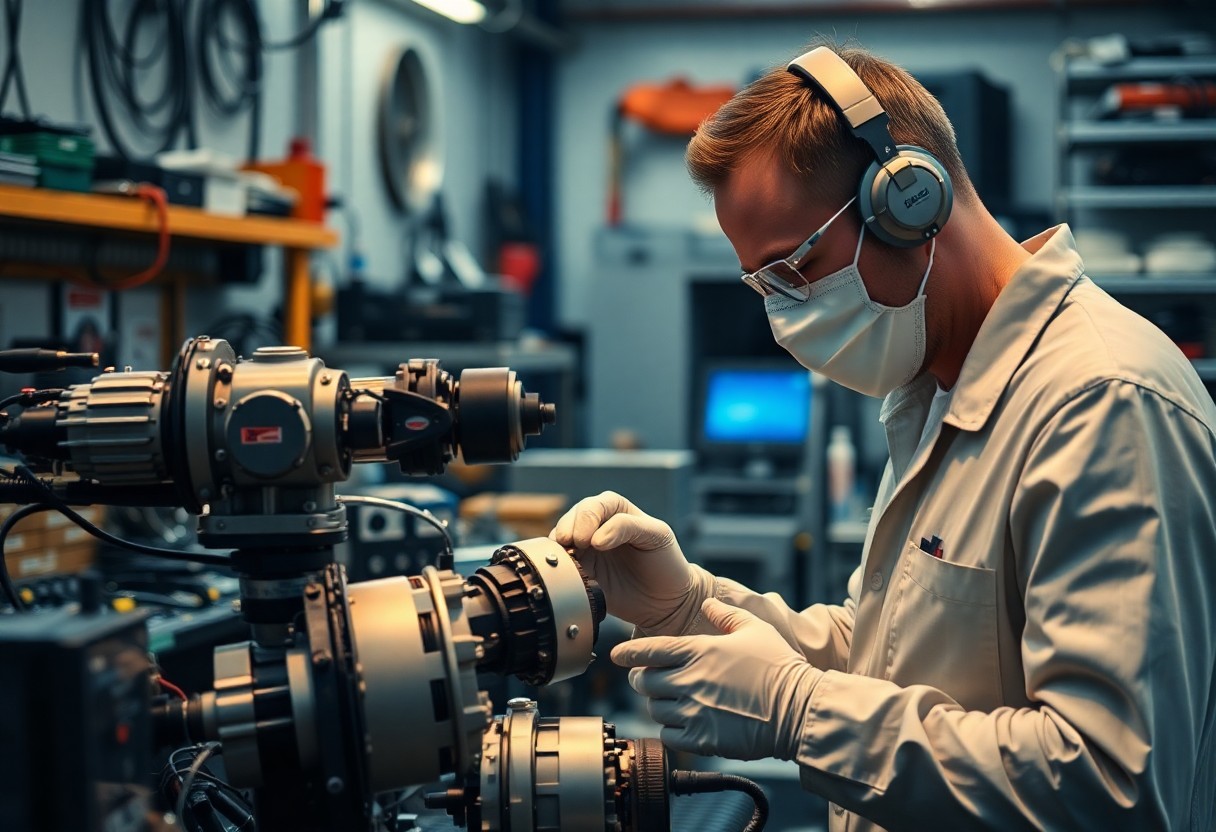
Robots rely on intricate technical parts to function efficiently, and proper maintenance is vital for their longevity and performance. In this guide, you will learn how to care for your robot’s vital components, ensuring they operate smoothly and last longer. From regular cleaning to software updates, this post will provide you with practical tips and insights to keep your robotic companion in top shape. Let’s probe the vital maintenance practices you should adopt to safeguard your robot’s functionality and durability.
The Anatomy of Your Robot: Key Components That Require Maintenance
Your robot comprises several vital components that all require regular maintenance to ensure optimal functionality. Focusing on the electrical systems, mechanical parts, and sensors is important to avoid malfunctions and enhance performance. Each part plays a unique role, impacting your robot’s operational efficiency. By understanding these components, you can implement targeted maintenance strategies tailored to your robot’s specific needs.
Essential Electrical Systems: Keeping Your Robot Powered
The electrical systems in your robot, including batteries, circuits, and sensors, are the lifeblood of its operation. Regularly inspecting and cleaning electrical connections, ensuring battery health, and replacing worn-out wiring can prevent power failures and interruptions to your robot’s tasks. You should also consider using protective enclosures to shield sensitive components from dust and moisture.
Mechanical Marvels: Ensuring Mobility and Functionality
Your robot’s mechanical components, including motors, gears, and joints, are crucial for maintaining mobility and executing tasks. Regular lubrication, adjustments to alignments, and inspections for wear and tear can keep these parts in prime condition. Ensuring timely maintenance helps maintain precision and accuracy in movements and prolongs the life of mechanical assemblies.
Focusing on the mechanical marvels of your robot involves paying close attention to each moving part. For example, motors often contain bearings that require lubrication; neglecting this can lead to increased friction and heat that can compromise functionality. Moreover, belts and gears may need tension adjustments to operate smoothly. A proactive approach includes implementing a regular schedule for preventive maintenance checks, which can help in identifying wear signs early and avoiding costly repairs. Incorporating wear-resistant materials into your robot design can also enhance durability and extend intervals between maintenance tasks, ensuring seamless functionality for a longer period.

The Art of Routine Maintenance: Scheduling and Best Practices
Integrating a maintenance schedule into your robot’s routine significantly enhances its operational lifespan and efficiency. Designate specific days for different maintenance tasks, ensuring that they become part of your weekly or monthly calendar. Consistency is key; it allows you to track changes over time, catch potential issues early, and maintain peak performance. Make a checklist that aligns with your robot’s activities and usage patterns. A well-planned routine helps prevent minor issues from escalating into significant malfunctions, ultimately saving time and expense in the long run.
Daily Checks: Quick Inspections to Extend Lifespan
Incorporating daily checks into your maintenance routine can effectively prevent unnecessary wear and tear on your robot. Look for visible signs of damage or wear, including loose wires, unusual noises, or irregular movements. Checking battery levels and connections daily helps ensure that your robot operates smoothly. Simple acts like cleaning sensors and ensuring no debris obstructs moving parts can also prolong its usability and optimize performance.
Weekly and Monthly Tasks: Deep Cleanup and Calibration
Deeper maintenance tasks are imperative for keeping your robot in peak condition. Weekly checks should focus on cleaning components that collect dust and grime, particularly around motors and sensors. Monthly maintenance should include recalibrating sensors and updating software to fine-tune performance and efficiency. Performing these in-depth tasks ensures your robot is always ready to tackle its duties effectively and can extend its operational lifespan significantly.
During monthly maintenance, take the time to carefully inspect all moving parts for wear and tear and replace any components showing signs of damage. A full software update enhances the robot’s functionality by fixing bugs and introducing new features. Additionally, recalibrating crucial sensors allows them to respond correctly to inputs, improving accuracy in tasks. Implementing these practices can greatly enhance not only your robot’s lifespan but also its overall efficiency and workload capacity.
Troubleshooting Common Technical Issues: A Hands-On Guide
Identifying technical issues quickly can save you time and money. If you’re facing challenges, check out the Industrial Robot Maintenance – The Complete Checklist for an in-depth guide to effectively troubleshoot your robot’s problems.
Diagnosing Electrical Malfunctions: Tools and Techniques
Electrical malfunctions can cause your robot to behave unpredictably. A multimeter and an oscilloscope are indispensable tools for diagnosing issues. Start by checking connections and measuring voltage levels at key points in the circuitry. Reviewing error codes displayed on your robot’s interface can direct you to the source of the fault quickly.
Mechanical Breakdowns: Identifying and Fixing Common Problems
Mechanical breakdowns often manifest as unusual noises or performance drops. Start by inspecting gears, belts, and joints for wear and tear, as these components are frequently subject to significant stress. Regular lubrication and timely replacement of worn parts can prevent minor issues from escalating into major problems, ensuring consistent performance.
When addressing mechanical breakdowns, it’s beneficial to establish a routine inspection checklist. Inspecting key components such as bearings, couplings, and drive systems ensures that you identify wear early. If you hear grinding or clunking noises, it could signal insufficient lubrication or misalignment. Address these issues immediately to prevent further damage and costly downtime. Regularly update your knowledge of your robot’s mechanics, as this will empower you to troubleshoot effectively and maintain optimal operation.
The Importance of Software Updates: Staying Up-to-Date
Software updates are not merely enhancements; they are crucial for maintaining your robot’s functionality and security. These updates can include patches for vulnerabilities, new features that improve performance, and adjustments that ensure compatibility with other technologies. Skipping software updates can leave your robot prone to malfunctions and even security threats, limiting its full potential. Regularly checking for and applying updates keeps your robot operating smoothly and protects against emerging risks.
Benefits of Regular Firmware Updates
Regular firmware updates enhance your robot’s performance by optimizing existing features and introducing new capabilities. Additionally, these updates offer critical security improvements, shielding your device from vulnerabilities and malicious attacks. Considering that outdated software can significantly impact efficiency, investing time in routine updates ensures your robot remains reliable and functional.
How to Effectively Manage Software Versions
Effective management of software versions involves establishing a systematic approach to keep track of releases and updates. Start by creating a checklist for regular software audits; this allows you to identify which components require updates and to log changes over time. Utilizing version control systems can also help you organize and track changes in your robot’s software, making rollbacks simpler if required. Consider setting reminders for checking updates monthly or quarterly, which ensures continuous improvement without the last-minute scramble.
A structured approach to software versioning is vital, especially when dealing with multiple robots or units. Implementing a version control system like Git enables you to keep comprehensive records of changes and updates for each robot. This makes it much easier to align software versions across different robots, ensuring consistency and interoperability. Additionally, using a centralized documentation system can help your team communicate updates effectively, reducing the chances of errors caused by outdated or mismatched versions. With these strategies, you can maintain optimal performance and security across all your robotic systems.
Protective Measures: Safeguarding Your Robot Against Damage
Protecting your robot from potential damage extends the longevity of its technical parts. Establishing a designated workspace minimizes accidental impacts, while investing in vibration-damping materials can absorb shocks. Additionally, strategically placing your robot away from high-traffic areas reduces the risk of bumps and falls, ensuring its delicate components remain intact.
Environmental Considerations: Keeping Dust and Moisture at Bay
Dust and moisture pose significant threats to your robot’s internals. Utilizing sealed enclosures in dusty environments protects sensitive sensors, while dehumidifiers can mitigate moisture risks. Regularly cleaning the exterior with soft cloths prevents debris accumulation, ensuring optimal functioning without disrupting delicate mechanisms.
Using Protective Gear: Cases and Covers Worth Investing In
Choosing the right cases and covers is a smart investment for safeguarding your robot. Heavy-duty, shock-absorbing cases provide excellent protection against drops and impacts, while soft, form-fitting covers can shield against dust and scratches. Look for cases with designated compartments for cables and accessories, ensuring everything remains organized and safe during transport.
High-quality cases often feature weather-resistant materials, offering further defense against elements such as rain and humidity. Brands like Pelican have built a reputation for creating rugged, waterproof cases that withstand extreme conditions, while custom covers can be tailored to fit specific models, ensuring a snug fit. Investing in a protective solution not only enhances durability but also exemplifies your commitment to preserving your robot’s functionality and efficiency.
Conclusion
With this in mind, taking the time to maintain your robot’s technical parts can significantly enhance its performance and longevity. By regularly inspecting, cleaning, and replacing worn components, you ensure that your robotic companion operates at its best. Engaging in this preventative care helps you avoid costly repairs and extends your robot’s lifespan, allowing you to maximize its utility and efficiency. Prioritize your robot’s maintenance, and it will reward you with reliable service for years to come.