
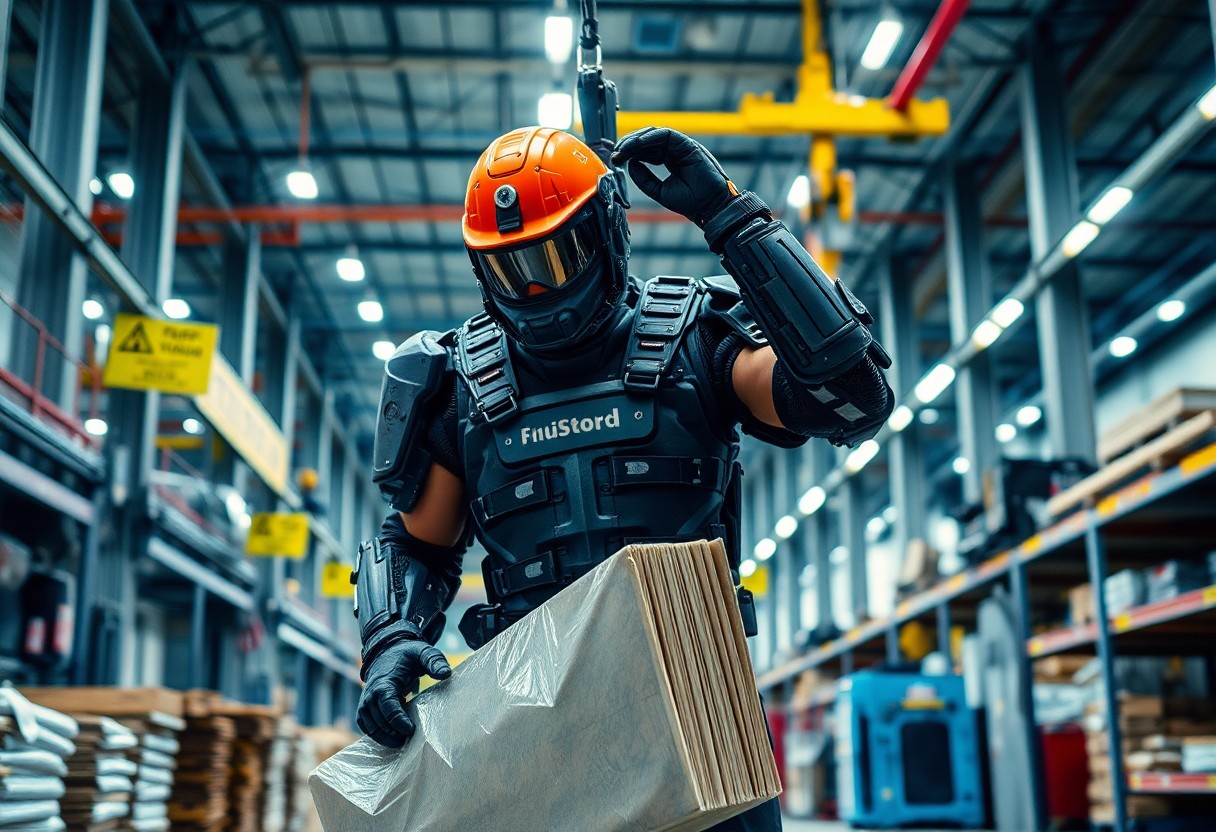
Just imagine enhancing your physical capabilities while reducing the risk of injury at work. Next-gen exoskeletons are revolutionizing how you approach physical tasks, empowering you to lift heavier loads and maintain endurance throughout the day. These advanced wearable devices not only amplify your strength but also significantly improve workplace safety by minimizing the strain on your body. In this blog post, you’ll explore how these innovative technologies are transforming various industries and paving the way for a safer, more efficient work environment.
The Evolution of Exoskeleton Technology
Your understanding of exoskeleton technology has roots that stretch back decades, as engineers and researchers began exploring ways to enhance human capability. Early prototypes emerged in the 1960s, primarily focused on military applications, showcasing the potential to support soldiers and first responders in physically demanding roles. Over time, this exploration evolved into more sophisticated devices designed for industrial and medical use, reflecting a growing need for workplace safety and mobility assistance.
Historical Perspectives
The genesis of exoskeleton technology can be traced to the 1960s with projects like the Hardiman, a robotic suit intended for lifting heavy objects. This early endeavor highlighted the challenges of power supply and control but laid the groundwork for future innovations. As technological advances unfolded, researchers turned to biomechanics and materials science, paving the way for contemporary designs that prioritize user comfort and functionality.
Key Innovations
Significant advancements in exoskeleton technology have emerged over the last two decades, particularly with the development of lightweight materials and wearable sensors. Battery efficiencies have improved, allowing for longer usage times and more functionality without compromising mobility. Technologies like artificial intelligence are now being integrated, enabling exoskeletons to adapt to users’ movements in real time, enhancing support and reducing fatigue.
One exemplary innovation is the collaboration between companies like Ekso Bionics and Ford, which led to the creation of the EksoVest. This device assists workers by supporting their arms during overhead tasks, significantly decreasing the likelihood of musculoskeletal disorders. Furthermore, advancements in soft robotics have resulted in exoskeletons that are more comfortable and adaptable, making them viable for a wider range of industries, from manufacturing to healthcare. As these innovations continue to evolve, the potential for increased human performance and safety in demanding environments becomes ever more promising.
Enhancing Physical Strength
With advancements in technology, exoskeletons are designed to significantly augment your physical capabilities, allowing you to lift heavier loads and perform tasks with less fatigue. These systems can be tailored to individual users, adapting to specific needs and environments, thereby enhancing productivity and reducing the physical toll of labor-intensive jobs.
Mechanisms of Strength Amplification
Exoskeletons employ various mechanisms, including hydraulic actuators and electric motors, to multiply your natural strength. By utilizing sensors that detect your movements, these devices provide real-time assistance, enabling you to lift objects beyond your normal capacity while maintaining control and stability. This synergy between human and machine optimizes both strength and safety.
Case Studies in Industrial Applications
Real-world applications of exoskeletons demonstrate their effectiveness in enhancing physical strength across various industries. These case studies reveal impressive data on productivity and injury reduction, highlighting how exoskeletons have transformed work environments.
- General Motors reported a 20% increase in productivity among workers using exoskeletons during assembly tasks.
- Amazon recorded a 42% decrease in musculoskeletal injuries since the implementation of exoskeletons in their warehouses.
- Ford utilized exoskeletons in manufacturing, resulting in a 60% reduction in back strain claims.
- Construction company Bechtel noted an 18% improvement in task efficiency with exoskeleton-assisted employees.
These industry leaders have experienced transformative results, underscoring the potential of exoskeletons in various settings. For instance, General Motors highlighted that workers equipped with exoskeletons could handle tasks requiring heavy lifting almost effortlessly, while Amazon’s data showcased not only enhanced productivity but also a marked decrease in workplace injuries. Such outcomes speak volumes about the role these technologies will continue to play in shaping safer and more efficient workplaces.
Improving Workplace Safety
You can significantly enhance workplace safety by integrating next-gen exoskeletons into your operations. These advanced systems not only amplify human capabilities but also reduce fatigue and strain, leading to fewer accidents and injuries. By utilizing exoskeletons, workers can perform tasks requiring heavy lifting or repetitive motions more safely, resulting in a more secure work environment.
Reducing Injury Risks
Injuries related to heavy lifting and repetitive tasks are among the leading causes of workplace accidents. Exoskeletons minimize these risks by redistributing weight and providing support to the back and joints. As a result, you can help ensure a safer workplace that lowers health-related expenses while improving employee well-being.
Enhancing Ergonomics
Next-gen exoskeletons enhance ergonomics by aligning the body into optimal positions during movements. This support allows you to tackle physically demanding tasks without compromising your posture, ultimately reducing the likelihood of long-term injuries. By investing in ergonomic solutions, you foster a culture of safety and wellness, enhancing overall productivity.
Exoskeletons incorporate advanced design principles that adapt to the user’s movements, ensuring that your body aligns naturally. Such systems can customize fit to accommodate different body types and work requirements, which is vital for maximizing comfort and efficiency throughout your shifts. In environments where repetitive motions are unavoidable, the role of exoskeletons in maintaining proper posture cannot be overstated. Investing in these technologies manifests not only in reduced injury rates but also in improved job satisfaction and retention of skilled workers.
Types of Next-Gen Exoskeletons
Next-gen exoskeletons can be categorized based on functionality and application. Understanding these types is imperative for selecting the right solution for your needs.
| Type | Description |
| Active Exoskeletons | Utilize motors to assist and enhance user movements |
| Passive Exoskeletons | Relies on springs and rigid structures to support the body |
| Wearable Robotics | Advanced devices that replicate human motion |
| Industry-Specific | Designed for particular sectors like manufacturing or healthcare |
| Hybrid Models | Combine active and passive features for versatile performance |
- Active exoskeletons provide significant muscle assistance.
- Passive exoskeletons reduce fatigue without motors.
- Wearable robotics enhance motions in precise applications.
- Industry-specific designs meet unique operational demands.
- Hybrid models adapt to varied work scenarios.
Thou should explore various exoskeleton types to find the best fit for your operational needs. For more insights, check Exoskeletons: Contribution to Occupational Health and Safety.
Active vs. Passive Exoskeletons
Active exoskeletons use mechanical systems and motors to provide power during movement, enhancing your strength significantly, especially in heavy lifting scenarios. In contrast, passive exoskeletons rely primarily on mechanical structures like springs to redistribute weight and support bodily movements. This difference means active models tend to be better for dynamic tasks, while passive types excel in reducing fatigue during repetitive activities.
Specialized Designs for Various Industries
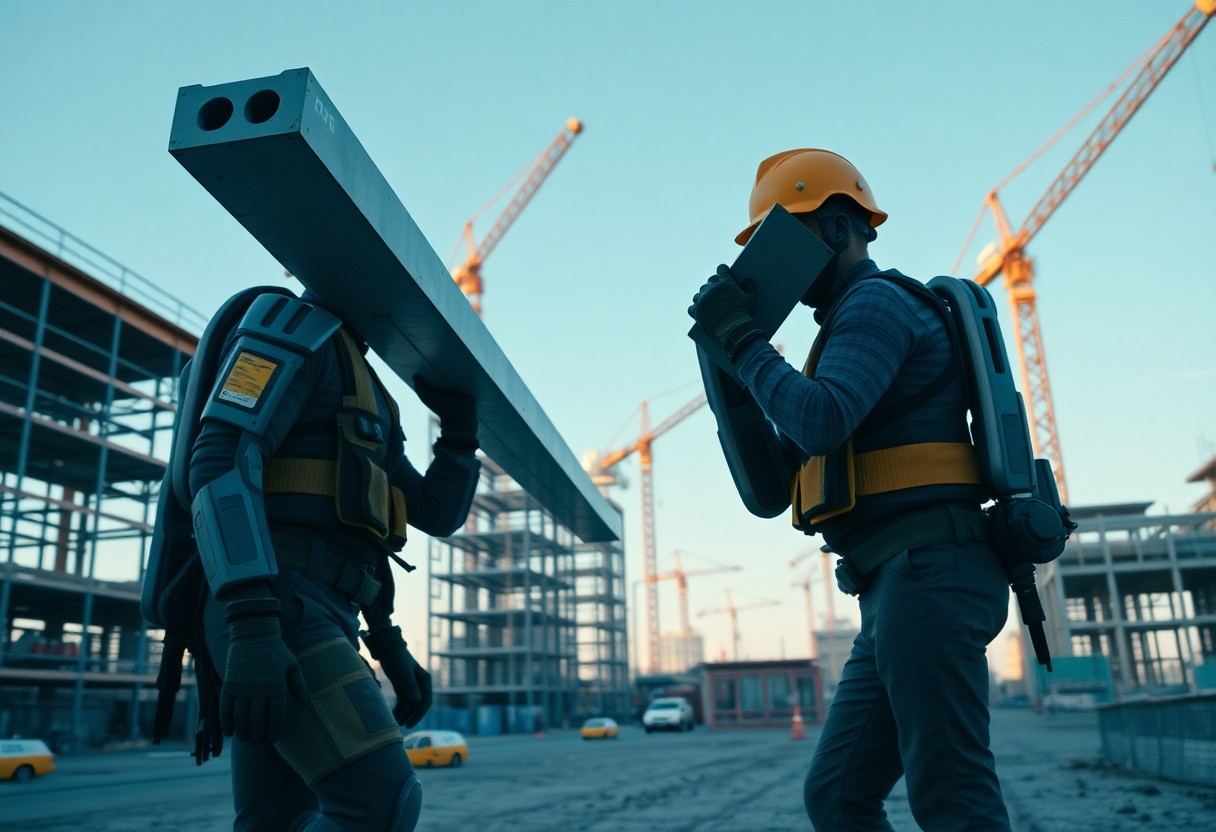
Different sectors have distinct challenges that specialized exoskeletons can address effectively. For example, healthcare exoskeletons focus on lifting patients safely, while construction exoskeletons enhance support for heavy lifting and improve endurance. Customized designs are often tailored to meet specific ergonomic and operational requirements of industries such as logistics and manufacturing, providing solutions that align with daily tasks.
These specialized designs are not just about enhancing strength; they also aim to reduce injury rates associated with common workplace tasks. In the automotive industry, for instance, exoskeletons allow workers to remain agile while lifting heavy parts repetitively. The adaptability of these devices ensures that you can harness their benefits across varied job functions, ultimately promoting a safer and more efficient working environment.
Impact on Workforce Dynamics
The integration of exoskeletons into the workplace is reshaping workforce dynamics by enhancing employee capabilities and altering traditional roles. As seen in South Korea develops robot exoskeleton for superhuman…, these advancements enable workers to perform tasks with greater efficiency and strength, reducing physical strain and improving overall productivity. Companies may witness shifts in employee job satisfaction as roles evolve to incorporate new technologies, ultimately fostering a safer and more engaged work environment.
Training and Adaptation
Your team will require specialized training to effectively utilize exoskeletons. Familiarization sessions will help employees adapt to the technology, allowing them to integrate it seamlessly into their daily tasks. Hands-on training programs will reinforce safety protocols and best practices to maximize the benefits of these advanced tools.
Shifts in Job Requirements
As exoskeletons become commonplace, job requirements will shift to emphasize technical skills alongside traditional physical tasks. Positions that once relied heavily on manual labor may now prioritize the ability to interpret data from exoskeleton systems or maintain the technology. This evolution will necessitate ongoing training and upskilling, allowing workers to thrive in a more technologically advanced workspace.
For instance, warehouse operators may transition from physically demanding roles to managing inventory through data analytics, relying on exoskeletons to alleviate heavy lifting. Similarly, construction workers may find themselves using digital interfaces to optimize their use of exoskeletons, enhancing their productivity. Companies will need to invest in training programs that bridge the gap between existing skills and the new demands these technologies impose, ensuring a well-prepared workforce for the future.
Future Trends and Innovations
Emerging Technologies
Advancements in artificial intelligence and machine learning are set to revolutionize exoskeleton design, enabling adaptive response systems that tailor support to individual user needs. Integrated sensors will monitor physical exertion and provide real-time feedback, enhancing user efficiency and safety. Collaborative robots, or cobots, will seamlessly work alongside exoskeleton-wearing operators, further amplifying productivity in dynamic work environments.
Potential Market Growth
The exoskeleton market is projected to exceed $6 billion by 2028, fueled by increasing demand across construction, manufacturing, and healthcare sectors. This growth is driven by a rising emphasis on workplace safety and the need for improved physical assistance solutions, reflecting a shift toward enhancing workforce capabilities.
With anticipated compound annual growth rates exceeding 40% in the next decade, as companies recognize the value of integrating exoskeletons into their operations, investment opportunities will likely surge. For instance, industries that previously faced high injury rates are increasingly adopting these innovations to mitigate risks and boost productivity. The successful implementation of exoskeletons can lead to significant reductions in workplace accidents and injuries, thus further promoting market expansion and solidifying the technology’s place in enhancing human capabilities in demanding environments.
Final Words
On the whole, next-gen exoskeletons enhance your physical capabilities while ensuring greater safety in the workplace. These advanced technologies allow you to perform demanding tasks more efficiently, reducing the risk of injuries. By investing in exoskeletons, you not only boost your productivity but also create a safer environment for yourself and your colleagues. Embracing these innovations will empower you to maximize your workforce potential and promote long-term well-being in your professional life.
