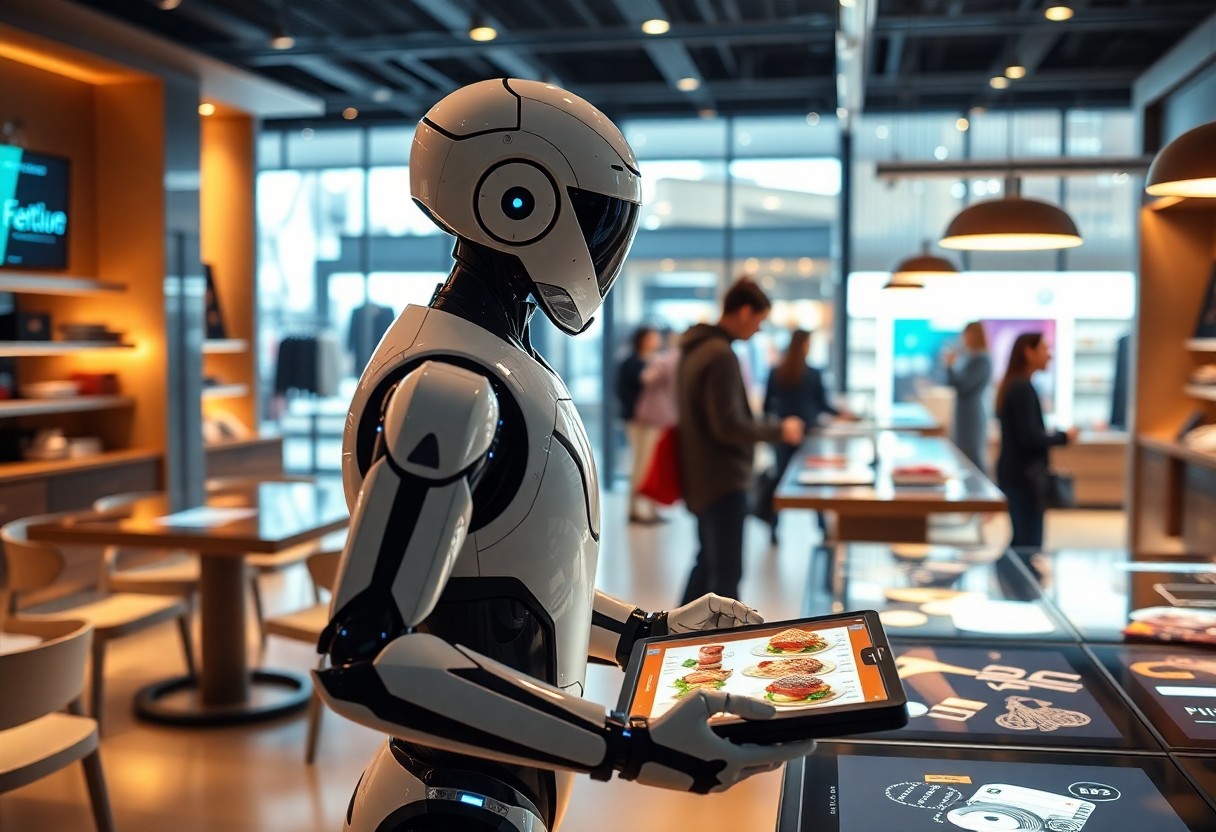
There’s a transformative evolution occurring in the hospitality and retail sectors with the rise of service robots. As you explore how these advanced technologies integrate into everyday operations, you’ll discover their potential to enhance customer service, streamline processes, and create unique experiences. These robots are not just tools; they are shaping the future of your interactions with businesses, setting new standards for engagement and efficiency in your shopping and dining encounters.
The Evolution of Service Robots in Hospitality
Historical Context
Service robots have evolved significantly since their early introduction in the hospitality sector in the late 20th century. Initially, robots like the Hotel Robot from 2000 served basic functions, delivering items within hotels but lacked advanced interactions. As customer expectations shifted towards personalization and efficiency, the hospitality industry began integrating more sophisticated robotic solutions, paving the way for the modern service robots you encounter today.
Technological Advancements
Rapid technological advancements have propelled service robots to new heights in hospitality. Innovations in artificial intelligence, machine learning, and robotics have led to robots that can perform complex tasks, engage in conversations, and adapt to various customer needs. For instance, robots like Relay from Savioke can navigate crowded areas, deliver room service, and interact with guests seamlessly.
These advancements not only enhance guest experiences but also streamline operations. For example, robots equipped with sensors and mapping technologies can deliver items to precise locations without human intervention. Moreover, AI-driven algorithms analyze guests’ preferences, allowing for personalized services. In a study, hotels using service robots reported a 30% increase in guest satisfaction, showcasing the profound impact of these technologies on the overall hospitality experience.
Impact of Service Robots on Customer Experience
Service robots significantly enhance your experience by providing quick responses and tailored interactions. In environments like hotels, robots can assist with check-ins, recommend amenities, or even offer personalized greetings. This level of service not only streamlines your visit but also creates memorable moments that foster loyalty and satisfaction. Companies leveraging these technologies report increased customer retention rates, emphasizing the importance of evolving alongside consumer expectations.
Personalization and Engagement
With the integration of AI, service robots can analyze your preferences over time, offering customized recommendations that make your visits feel unique and catered to you. For example, a hotel robot can recognize returning guests and suggest activities based on past experiences, fostering a deeper connection and enhancing overall satisfaction.
Efficiency and Convenience
Time-saving benefits are among the most significant advantages of service robots in the hospitality and retail sectors. You experience quicker service and reduced wait times as these robots handle routine tasks such as delivering items or processing transactions, allowing staff to focus on more complex customer needs.
This efficiency extends beyond mere speed; service robots often operate with a level of consistency that human workers may find challenging to maintain. For instance, a robotic concierge can be available 24/7, ensuring you receive assistance whenever you need it without the limitations of staff availability. This aspect increases convenience, especially in high-traffic environments, and enhances operational flow, ultimately improving your overall experience. Businesses report a notable decrease in customer complaints related to long wait times, showcasing how robots are transforming service delivery in the industry.
Case Studies: Successful Implementation in Retail
Numerous retailers have successfully integrated service robots, showcasing remarkable enhancements in customer experience and operational efficiency. These case studies demonstrate the transformative impact of automation, providing valuable insights for you to consider.
- Walmart’s introduction of shelf-scanning robots resulted in a 25% increase in inventory accuracy.
- Sephora implemented chatbot services, achieving a 30% boost in customer engagement and inquiries handled.
- Amazon Go experienced a 40% increase in foot traffic after deploying checkout-free technology.
- Alibaba introduced service robots in its Hema supermarkets, leading to a 50% reduction in checkout time.
- Macy’s robotic warehouse operations increased order fulfillment efficiency by 60%.
For more insights, check out Revolutionizing retail: The transformative power of service ….
Food and Beverage Industry
The food and beverage sector has seen a surge in service robot deployment, with restaurants utilizing robots for food delivery and service. For instance, Domino’s reported a 20% faster delivery rate when using autonomous delivery vehicles, enhancing customer satisfaction while reducing operational costs.
Retail Stores and Showrooms
Service robots in retail stores and showrooms enhance consumer interactions. Implementations of interactive kiosks and product advisors have optimized customer engagement, improving the overall shopping experience. You may find that consumers are now turning to technology for personalized shopping guidance, leading to increased sales in tech-savvy environments.
In retail stores and showrooms, robots can assist customers in locating products, providing information, and even facilitating transactions. For example, Lowe’s introduced their robot, LoweBot, which helps shoppers navigate their stores quickly, resulting in a 15% increase in customer assistance satisfaction. Such innovative technologies exemplify how modern retail environments are adapting to consumer needs, ensuring efficiency and enhanced shopping experiences. This shift positions robots not merely as tools, but vital components of the retail landscape, driving engagement and satisfaction in unprecedented ways.
Challenges and Limitations
Despite the growing presence of service robots in hospitality and retail, several challenges hinder their widespread adoption. Integration into existing systems can be complex, and high initial investment costs often deter businesses. Additionally, adapting to evolving consumer preferences and ensuring compliance with regulations present ongoing hurdles. As these technologies evolve, addressing these limitations will be key for their sustained success in these industries.
Customer Acceptance
Gaining customer acceptance is a significant barrier in deploying service robots. Many consumers may feel uneasy about interacting with machines instead of humans, often associating service quality with personal touch. Studies have shown that while younger audiences tend to embrace technology, older demographics may resist it, making it crucial for businesses to educate customers and demonstrate robots’ benefits effectively.
Technical and Operational Issues
Technical and operational challenges can significantly impact the performance of service robots. Malfunctions can cause disruptions, leading to negative customer experiences and eroded trust. Instances where robots fail to navigate environments properly or misinterpret customer requests can result in frustration. Furthermore, maintaining software updates and ensuring robust cybersecurity measures are critical to minimizing operational risks and safeguarding customer data.
Technical and operational issues also extend to the maintenance of service robots, which require regular servicing to avoid downtime. You may encounter challenges related to the integration of AI systems with existing infrastructure, impacting efficiency and response times. For instance, deploying service robots in a bustling restaurant can be problematic if they cannot adapt to the dynamic environment or if they struggle to communicate effectively with staff and customers. Training personnel to work alongside these robots is vital; lack of understanding can lead to misuse or ineffective collaboration, ultimately hindering the customer experience. Optimizing these elements will play a pivotal role in realizing the full potential of service robots in hospitality and retail sectors.
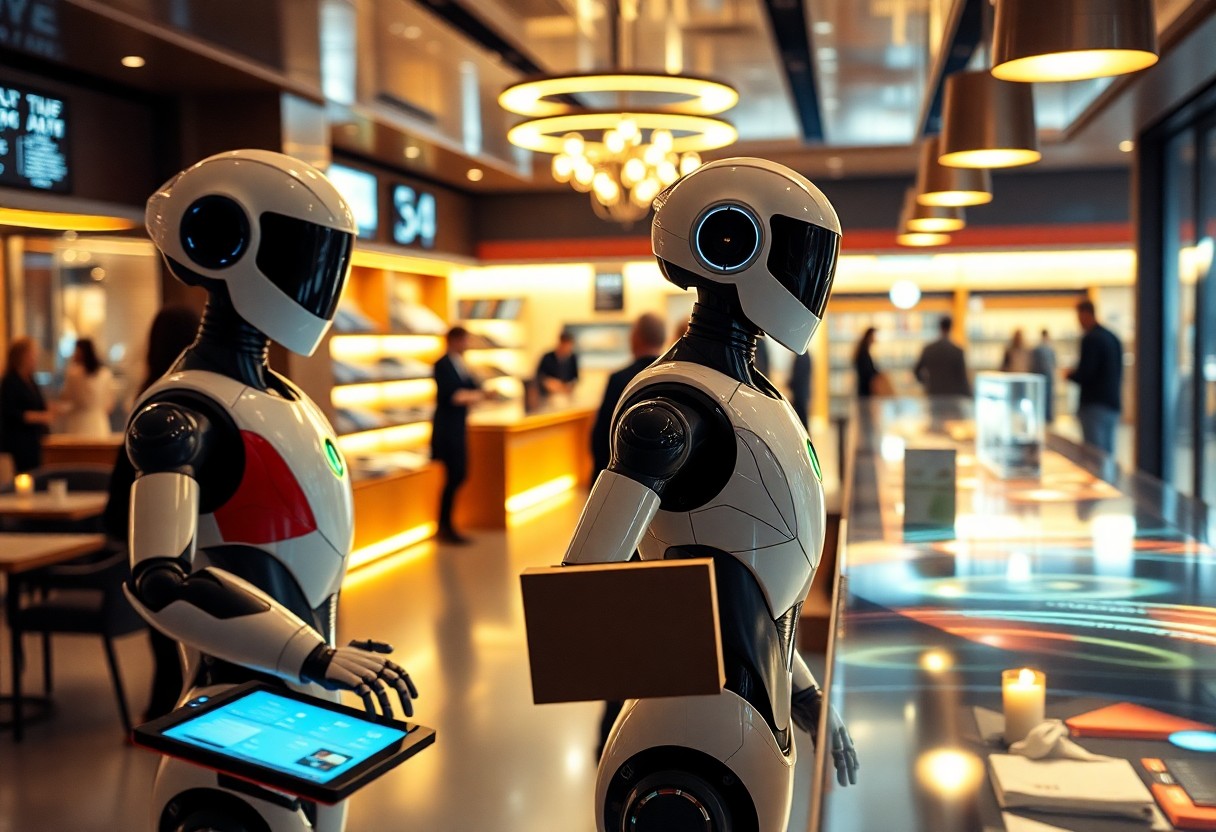
Future Trends in Service Robotics
The future of service robotics in hospitality and retail is poised for unprecedented growth and innovation. Emerging technologies and evolving consumer expectations are driving the adoption of advanced service robots to enhance efficiency and customer satisfaction. As detailed in Service robots in hospitality: understanding employee …, trends such as personalization, scalability, and AI integration will redefine service interactions.
AI and Machine Learning Integration
Integrating AI and machine learning into service robots enables them to learn from interactions and improve over time, enhancing both efficiency and customer engagement. These technologies allow robots to analyze customer preferences, predict future needs, and personalize interactions. As a result, service delivery becomes more intuitive and responsive, significantly improving user experiences.
The Role of Human-Robot Interaction
Your interaction with service robots significantly influences their effectiveness. A positive human-robot relationship can enhance customer satisfaction and operational efficiency. Robots designed with user-friendly interfaces and intuitive communication styles foster trust and acceptance among customers and staff alike, ultimately facilitating seamless integration into existing workflows.
Research indicates that effective human-robot interaction relies on empathy and responsiveness. For instance, robots that can recognize emotions and adapt accordingly tend to create a more engaging and personalized experience. Case studies reveal that companies with strong human-robot interaction protocols witness up to a 30% increase in customer loyalty. Emphasizing emotional intelligence in robot programming is imperative in the evolving landscape of hospitality and retail services.
Final Words
Hence, embracing service robots in hospitality and retail enhances your operational efficiencies and customer interactions. By integrating these advanced technologies, you can elevate your service offerings, ensuring that your brand stands out in a competitive market. As you explore these innovations, you not only enhance your operational capabilities but also provide a more engaging and personalized experience for your customers, ultimately shaping the future of your business. Adopting service robots is not just a trend; it’s a strategic move that aligns your organization with modern consumer expectations and technological advancements.