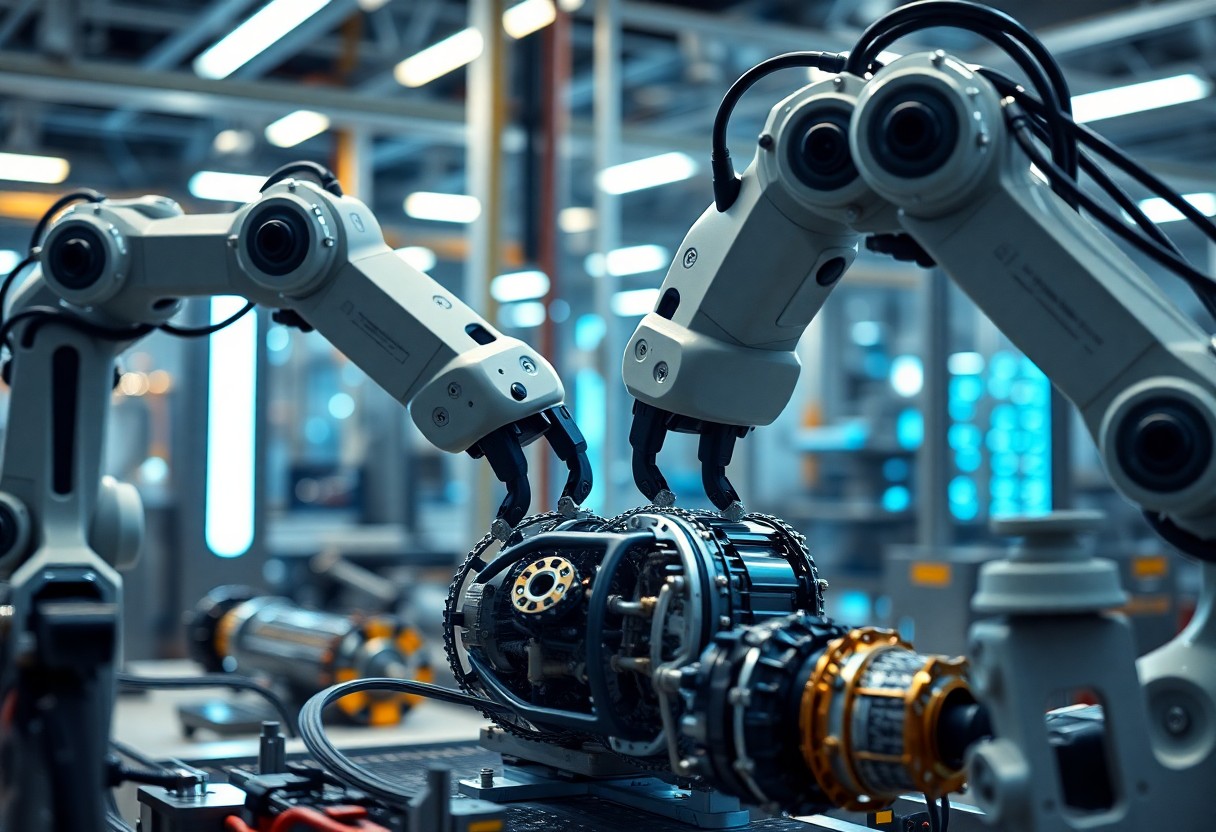
Trends in robotics are rapidly evolving, and understanding these shifts can empower you to stay ahead in the world of automation. From advanced sensors to innovative actuators, the technical parts that drive robots are becoming more sophisticated and efficient. As you explore these emerging technologies, you’ll discover how they enhance functionality, improve performance, and pave the way for new applications in diverse industries. This post examines into the latest advancements in technical components, helping you navigate the future of automation.
The Rise of Adaptive Technologies
The integration of adaptive technologies is revolutionizing the robotics landscape, giving machines the ability to learn from their environments and improve performance over time. Robotics systems are increasingly designed to be flexible and responsive, allowing them to adapt to various tasks, unforeseen challenges, and complex scenarios. This adaptability not only enhances efficiency but also broadens the application scope of robots across diverse industries such as manufacturing, healthcare, and logistics.
Integrating Machine Learning into Robotics
Machine learning is at the forefront of adaptive technology integration in robotics, enabling machines to analyze vast amounts of data and refine their algorithms. By implementing supervised and unsupervised learning techniques, robots can identify patterns, make predictions, and improve their functionalities based on real-world experience. This accelerates their ability to complete tasks independently and accurately, creating more autonomous systems that require less human intervention.
The Role of AI in Enhancing Robot Decision-Making
Artificial intelligence significantly enhances robot decision-making, allowing for more informed and speedy responses in dynamic environments. By processing data from sensors and external inputs, AI empowers robots to evaluate situations, prioritize actions, and optimize outcomes. This leads to more intelligent behavior, such as navigating complex terrains or adapting to changing operational demands. It positions robots not just as mechanical tools but as proactive partners in diverse applications.
The ability of AI to simulate cognitive functions drives robots towards a higher level of autonomy. For instance, self-driving vehicles utilize AI-driven decision-making algorithms to process visual data in real-time, enabling them to respond to traffic conditions or obstacles instantaneously. Similarly, AI-enhanced warehouse robots can evaluate package dimensions and adjust their handling procedures on-the-fly, improving logistics efficiency. This trend is reshaping industries and redefining the relationship between human workers and robots, fostering collaboration and heightened productivity.
Materials Innovation: Shaping the Future of Robotics
Advancements in materials science are transforming the robotics industry, resulting in lighter, more durable, and adaptable machines. As robotic applications span across diverse sectors—from manufacturing to healthcare—innovative materials are important for enhancing performance and efficiency. Modern robotics is increasingly reliant on composites and smart materials, offering unprecedented capabilities that will define the next generation of automation.
The Impact of Lightweight Composites on Robot Design
Lightweight composites are revolutionizing robot design by reducing overall weight without compromising strength. This transformation allows robots to operate more efficiently, consume less energy, and improve mobility, particularly in applications like drone technology and agile manufacturing. Such materials, often derived from carbon fiber or advanced polymers, are pivotal in paving the way for more versatile and powerful robotic systems.
Advancements in Smart Materials and Their Applications
Smart materials are making significant strides in robotics, equipping machines with the ability to respond dynamically to environmental stimuli. These materials, such as shape-memory alloys and piezoelectric materials, can change properties in response to changes in temperature, pressure, or electrical input. By integrating smart materials, robots can achieve greater flexibility, adaptability, and functionality in various applications.
The integration of smart materials into robotics has led to remarkable innovations. For instance, shape-memory alloys enable soft robots to move more naturally and mimic biological organisms, while piezoelectric materials facilitate precise motion control. These advancements not only enhance performance but also open doors to new functionalities such as self-repair and real-time environmental adaptation. With ongoing research and development, smart materials are bound to further expand the capabilities and applications of robotics, shaping a future where machines can intuitively interact with their surroundings.
The Convergence of Robotics and IoT
This intersection of robotics and the Internet of Things (IoT) is setting the stage for unprecedented advancements in automated systems. By enabling machines to connect and communicate seamlessly, you can harness the power of real-time data sharing, which enhances the efficacy and adaptability of robotic applications across various industries. This convergence drives innovation, improves efficiency, and creates a more intelligent automated ecosystem.
How Connectivity is Transforming Robotic Functionality
Enhanced connectivity is redefining what robots can achieve by allowing them to gather and exchange information autonomously. With IoT sensors embedded in robotic systems, you can obtain metrics that range from environmental conditions to operational performance, facilitating proactive adjustments and maintenance. This level of integration not only streamlines production processes but also elevates the overall intelligence of robotics in addressing complex challenges.
Real-Time Data Utilization for Performance Optimization
The incorporation of real-time data into robotic systems is pivotal for performance optimization. By monitoring inputs continuously, you can identify trends and anomalies that facilitate quick decision-making and enhance overall functionality. This leads to reduced downtime and enhanced productivity, as robots are better equipped to handle unexpected variables and consistently achieve optimal performance levels.
Utilizing real-time data allows you to make informed adjustments that enhance robotic performance significantly. For instance, a robot working on a manufacturing assembly line can detect deviations in production speed or quality, immediately alerting operators to necessary adjustments. This immediate response not only prevents potential errors but also optimizes resource allocation. Brands implementing such data-driven methodologies have reported efficiency boosts of up to 30%, illustrating how pivotal this proactive approach is in maintaining a competitive edge in today’s market. Incorporating these advanced data capabilities into your technical parts will ensure your robotics solutions are not just reactive but proactively optimized for peak performance.
Automation and Workforce Dynamics
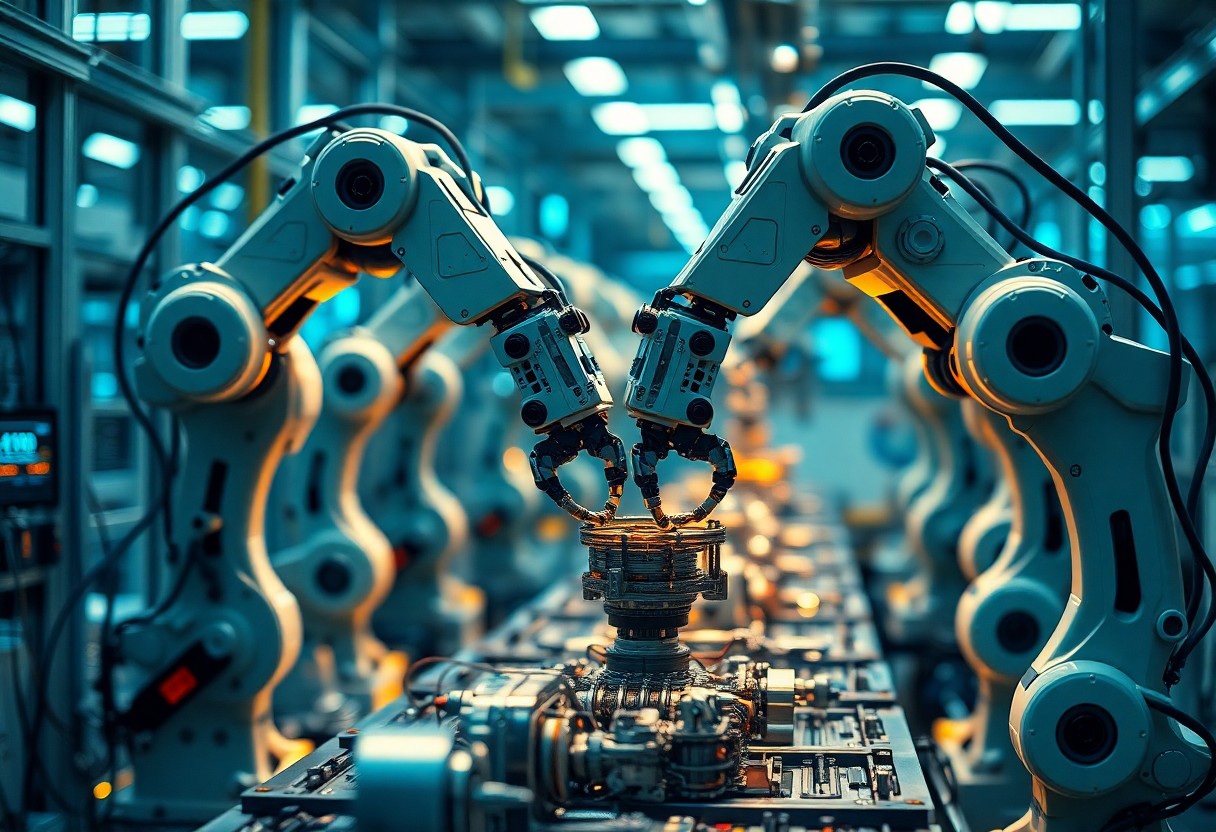
Changes in automation are reshaping workforce dynamics, significantly influencing how industries operate and employees engage with technology. Businesses are increasingly adopting automated solutions, enhancing efficiency while modifying labor requirements. This transformation presents both challenges and opportunities as workers adapt to the evolving landscape. Emphasizing the synergy between technology and human capabilities is key to navigating this transition effectively.
The Evolving Role of Human-Robot Collaboration
As automation becomes more prevalent, human-robot collaboration is evolving into a pivotal aspect of the workforce. You’ll find that robots are no longer merely replacements for human labor but are increasingly partners in production lines. For example, collaborative robots (cobots) are designed to work alongside humans, taking on repetitive tasks while allowing you to focus on more complex decision-making activities.
Preparing for Shifts in Employment: Skills for the Future
Your career preparation must align with the anticipated shifts in employment due to automation. As technical roles expand, reskilling in areas such as programming, data analysis, and robotics will be imperative. Embracing continuous learning and adaptability will not only enhance your employability but also foster an environment where you can thrive in synergy with emerging technologies.
A strong emphasis on STEM (Science, Technology, Engineering, and Mathematics) education will be vital as you navigate the future job market. Upskilling opportunities such as online courses and workshops can help you acquire relevant skills. Moreover, characteristics like creativity, problem-solving, and emotional intelligence are becoming more valuable as machines take over routine tasks. By focusing on these competencies, you position yourself to excel alongside automation, ensuring a dynamic and fulfilling career path in industries shaped by technological advancement.
Ethical Considerations in Robot Automation
As automation continues to permeate various sectors, ethical considerations take center stage in shaping the future landscape of robot deployment. Companies must address potential job displacements, data privacy concerns, and the implications of decision-making processes controlled by algorithms. Consumers increasingly demand transparency regarding how robots operate and make choices, leading to a critical dialogue about the moral responsibilities of engineers and programmers in this evolving technological landscape.
Balancing Efficiency with Ethical Responsibility
Efficiency gains from automation must be weighed against ethical obligations to society and individuals. Striving for maximum productivity can inadvertently foster environments where employee welfare is sidelined. You must consider the broader impact of adopting robotic solutions; ensuring that advancements do not exacerbate inequality or erode trust in your organization should be paramount. Ethical frameworks should guide decisions in which the benefits of automation must be shared broadly rather than concentrated in a few hands.
Navigating Regulatory Frameworks in a Rapidly Evolving Field
Navigating the intricate regulatory frameworks surrounding robot automation becomes increasingly complex as the technology evolves. You will find that existing regulations often lag behind technological advancements, creating uncertainty for businesses. Compliance with safety standards, data protection laws, and labor regulations requires proactive engagement with policymakers. Establishing dialogues on ethical coding practices and robust safety protocols is crucial to create an environment where innovations can thrive without compromising public trust.
The challenge of aligning regulatory frameworks with the rapid pace of automation innovation necessitates adaptive solutions from both the tech industry and the regulatory bodies. Consider collaborative efforts where technologists and lawmakers come together to draft living documents—guidelines that can evolve alongside the technology they govern. This could lead to dynamic and responsive regulations that account for nuances such as artificial intelligence, machine learning, and the ethical use of data collection. Being actively involved in these discussions is not just an advantage; it is vital for maintaining credibility and ensuring that automation is guided by principles that protect societal interests.
Summing up
Taking this into account, you can clearly see that the future of automation is marked by innovative technical advancements that will redefine how robots operate across various industries. As you explore the emerging trends in technical parts for robots, you can stay ahead of the curve and adapt your strategies effectively. To gain deeper insights, you may want to check out The Future of Automation in Manufacturing. By staying informed, you can harness the full potential of automation in your ventures.