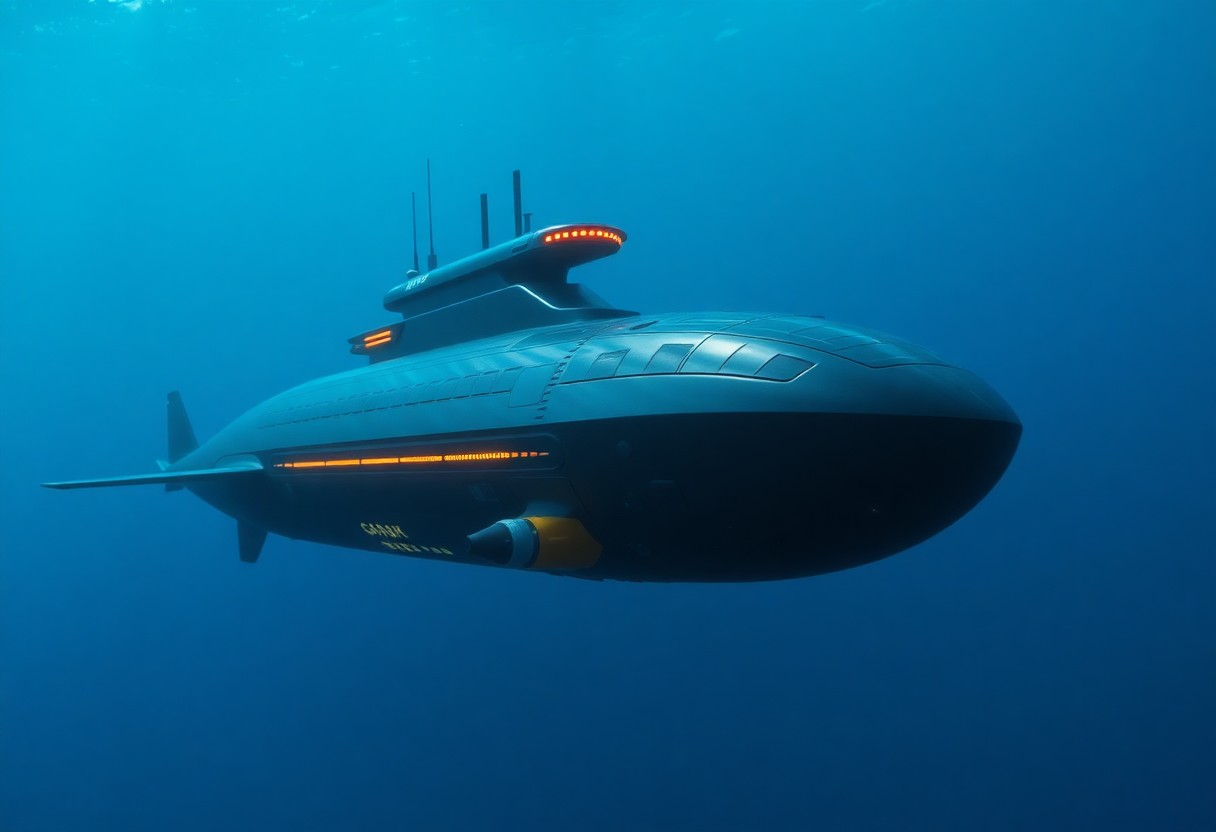
Features of the latest submarine drones include advanced stealth technology, unparalleled maneuverability, and cutting-edge sensor capabilities that significantly enhance underwater missions. As you examine into the intriguing world of these aquatic marvels, you’ll discover how they revolutionize naval warfare, research, and exploration. With their ability to traverse vast ocean depths undetected, these drones are reshaping our understanding of marine environments while providing invaluable support to naval operations. Join us as we explore the enigmatic features that make these submarine drones a key asset in contemporary maritime strategy.
Revolutionary Payload Capabilities
The latest submarine drones have transformed how you can approach underwater missions with their cutting-edge payload capabilities. Equipped with advanced sensors, these drones can carry out a variety of tasks, from collecting oceanographic data to deploying surveillance equipment and even engaging in combat scenarios. Enhanced data processing systems allow for real-time analysis and adaptability to changing mission parameters, making them invaluable tools for modern naval operations.
Multi-Role Versatility: Surveillance, Warfare, and Research
These submarine drones excel in multiple roles, seamlessly shifting between surveillance, warfare, and research. Whether you’re monitoring maritime traffic, conducting reconnaissance missions, or collecting data for scientific research, their adaptable designs ensure you can tackle diverse challenges effectively. This versatility positions you to respond quickly to evolving threats or explore uncharted underwater territories.
Innovative Materials: Enhancing Durability and Functionality
The implementation of innovative materials in submarine drones significantly boosts their durability and functionality. These advanced composites and alloys provide enhanced resistance to corrosion, pressure, and fatigue, crucial for long-term missions in harsh underwater environments. As a result, you can rely on constant performance while minimizing maintenance and extending their operational lifespan.
One example of these innovative materials is the use of carbon fiber reinforced polymers, which not only reduce weight but also increase strength and durability. By incorporating such materials, you gain drones capable of withstanding extreme depths in oceanic trenches while maintaining payload efficiency. This advancement allows for longer missions, improving your data collection capabilities and ensuring that your drone remains operational even in the most austere conditions. Ultimately, these enhancements lead to more efficient undersea exploration, surveillance, and tactical operations.
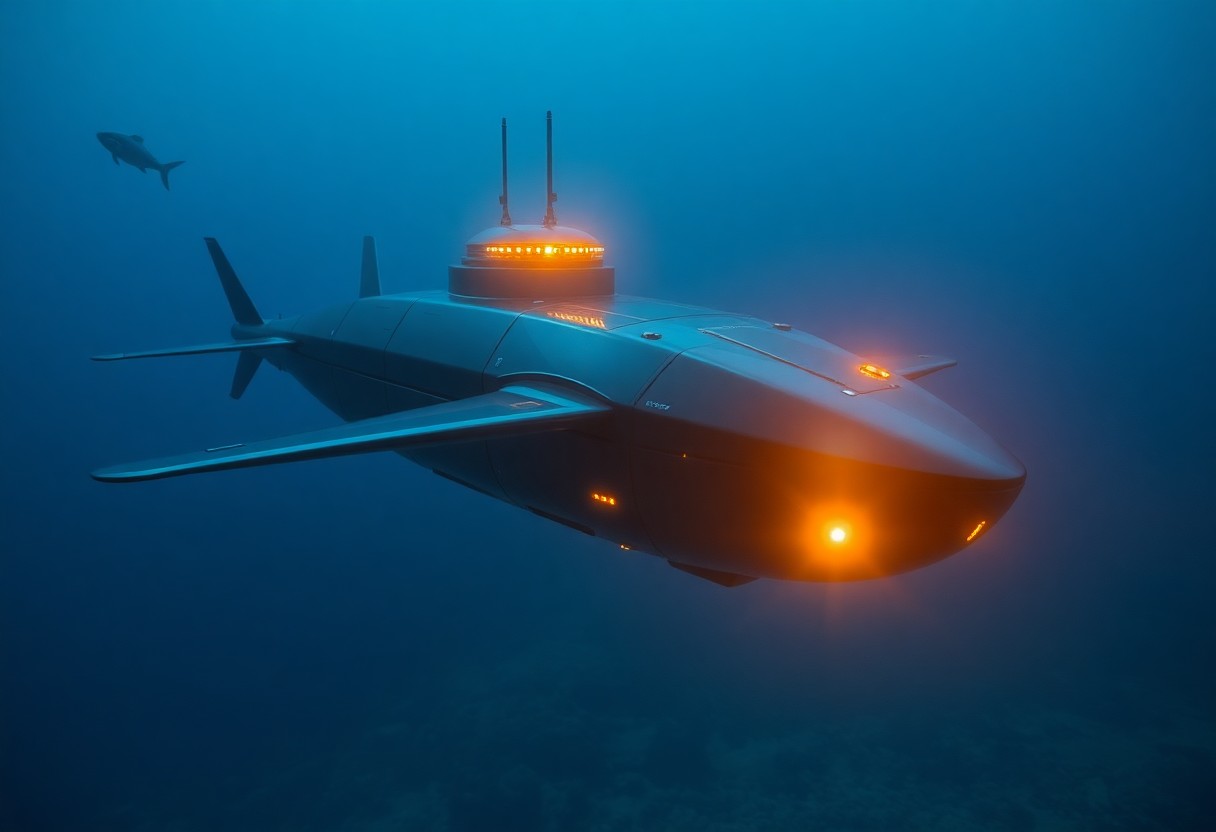
Autonomous Navigation: A Quantum Leap in Submarine Technology
With their advanced autonomous navigation systems, the latest submarine drones represent a significant leap forward in underwater technology. These systems empower your drone to navigate complex underwater terrains without human intervention, achieving unprecedented levels of efficiency and safety. Leveraging satellite positioning, sonar mapping, and cutting-edge environmental sensors, these drones can chart courses, avoid obstacles, and adapt to changing conditions, ensuring mission success and strategic advantages.
Advanced AI Algorithms: Decision Making Underwater
Underwater decision-making is revolutionized through advanced AI algorithms integrated into submarine drones. These algorithms process vast amounts of sensory data and environmental factors to enable real-time decision-making, enhancing situational awareness while executing missions. Your drone can autonomously react to unforeseen circumstances, optimizing navigation routes, and addressing challenges promptly.
| Features | Benefits |
|---|---|
| Real-time data processing | Faster decision-making |
| Predictive analytics | Proactive risk management |
| Adaptive learning | Continuous operational improvement |
Sensor Fusion: Integrating Data for Precise Maneuvering
Utilizing sensor fusion technology empowers your submarine drone to integrate data from various sources, enhancing precise maneuvering capabilities. This technology merges sonar readings, visual data, and environmental inputs, providing a comprehensive understanding of the underwater landscape. As a result, the drone effectively eliminates blind spots and enhances its ability to perform complex tasks in dynamic conditions.
Sensor fusion combines data from multiple sensors, such as sonar, cameras, and inertial measurement units, to create a detailed representation of the underwater environment. This integrated approach allows your submarine drone to accurately identify obstacles, hydrodynamic currents, and adversarial threats, ensuring more effective navigation and mission execution. For example, when surveying marine ecosystems, enhancing the drone’s awareness of underwater topography allows for precise placement of sampling devices or other equipment, maximizing operational efficiency and data accuracy. Some models even employ machine learning techniques, gradually improving their sensor fusion capabilities based on past missions.
Stealth and Evasion Tactics: The Silent Warriors of the Deep
Submarine drones are redefining stealth warfare in underwater operations, expertly designed to evade detection while performing critical reconnaissance missions. Their advanced electronics and communication systems allow them to operate undetected, minimizing the risk of interception and countermeasures. By harnessing sophisticated algorithms and autonomous navigation systems, these unmanned vessels can adapt to their environments, making them more effective in both military and scientific applications.
Noise Reduction Techniques: Operative Discretion
Sound management is pivotal for submarine drones, enabling them to remain virtually undetectable. Innovations in propulsion systems, such as brushless motors and specialized propeller designs, substantially decrease acoustic signatures. Additionally, advanced materials like specially formulated polymers are employed to dampen vibrations, ensuring that these drones glide silently through the water, enhancing operational effectiveness.
Adaptive Camouflage: Blending with Oceanic Environments
Adaptive camouflage enhances the stealth capabilities of submarine drones by enabling them to mimic their surroundings. These drones utilize advanced imaging technologies and flexible skin materials that can change color and pattern based on environmental cues, making them difficult to visually track. By blending seamlessly with oceanic environments, they avoid detection by both enemy vessels and marine life.
This cutting-edge adaptive camouflage system incorporates sensors that gather data about the surrounding waters, analyzing light patterns and colors. The drone’s skin can then adjust in real-time, ensuring it remains undetectable amidst diverse underwater landscapes, whether in the vibrant shallow reefs or the darker depths of the ocean. Such technology not only bolsters stealth but also allows for more efficient mission execution, as your drone can avoid detection while capturing vital intelligence or conducting covert operations.
Strategic Implications: Redefining Underwater Warfare
Submarine drones are not merely tools for gathering intelligence; they are transforming the very landscape of underwater warfare. Their ability to operate stealthily and autonomously redefines engagements beneath the waves, allowing nations to carry out operations with unprecedented precision. This fusion of advanced technology with military strategy creates a multifaceted challenge for traditional naval forces, compelling leaders to adapt their doctrines and countermeasures in response to these emerging threats.
Influence on Global Military Strategies
As submarine drones gain prominence, global military strategies are evolving to account for their tactical advantages. Nations are increasingly investing in cutting-edge technologies to bolster their underwater capabilities. For example, countries like the United States and China are developing sophisticated counter-drone systems, training their personnel in anti-drone tactics, and integrating these capabilities into joint exercises, all aimed at maintaining a competitive edge in underwater warfare.
The Emerging Arms Race in Underwater Drones
The growing reliance on submarine drones has sparked an arms race among world powers. As nations strive to outpace one another in terms of technological advancements, this competitive landscape intensifies the urgency for innovation. With countries like Russia and India also entering the fray, the proliferation of armed underwater drones may lead to increased tensions and a reevaluation of existing maritime treaties, marking a significant shift in global military dynamics.
The race to develop advanced underwater drones is not confined to a single geographical region, as multiple nations ramp up their efforts. Reports indicate that nations like Iran and North Korea are also investing in drone technology for naval applications, seeking to leverage these capabilities to project power and enhance their deterrent strategies. As the underwater domain becomes increasingly contested, expect heightened surveillance, intelligence-gathering, and potentially aggressive maneuvers as countries aim to assert dominance amidst the evolving landscape of underwater warfare.
Environmental Concerns: Navigating The Ethical Waters
The increasing deployment of submarine drones raises significant environmental concerns that require immediate attention. You must consider the potential disturbances these sophisticated machines can cause to delicate marine ecosystems. As underwater habitats are disrupted, consequences for biodiversity and species survival become a pressing ethical dilemma. Stakeholders must engage in dialogues about the environmental footprint of these technological advancements while balancing national security interests with marine conservation efforts.
Potential Impacts on Marine Ecosystems
Submarine drones introduce noise pollution, which can interfere with the communication and navigation of marine life. cetaceans, like dolphins and whales, are particularly sensitive to sound, and disturbances may lead to altered behaviors or displacement from critical habitats. Studies suggest that even minor disruptions can cascade through food webs, making the role of submarine drones in protecting or harming ecosystems a matter of intense scrutiny.
Regulation and Governance: A Call for Policies
The rapid advancement of submarine drone technology necessitates the establishment of robust regulatory frameworks. It is imperative for various countries to collaborate in developing international policy guidelines that address the environmental and ethical implications of deploying such technologies. Proactive governance can help ensure that the use of submarine drones minimizes ecological harm while supporting legitimate defense operations.
International bodies, including the International Maritime Organization (IMO), must spearhead conversations around the establishment of comprehensive policies. Your responsibility as a part of the global community involves advocating for laws that enforce environmental impact assessments for submarine drone missions and establish clear operational boundaries. Engaging with environmental organizations can also bolster public awareness, influence policy, and promote sustainable practices in the military application of drone technology. This balanced approach enables you to contribute to regulations that not only protect marine ecosystems but also address security concerns effectively.
Final Words
Following this, you will find that the enigmatic features of the latest submarine drones encompass advanced stealth capabilities, enhanced navigation systems, and cutting-edge AI technologies. These innovations not only allow for greater operational efficiency but also enable you to explore previously inaccessible underwater environments. As you consider the evolving landscape of underwater exploration and warfare, the integration of these features is imperative for maintaining an edge in both research and defense applications.