
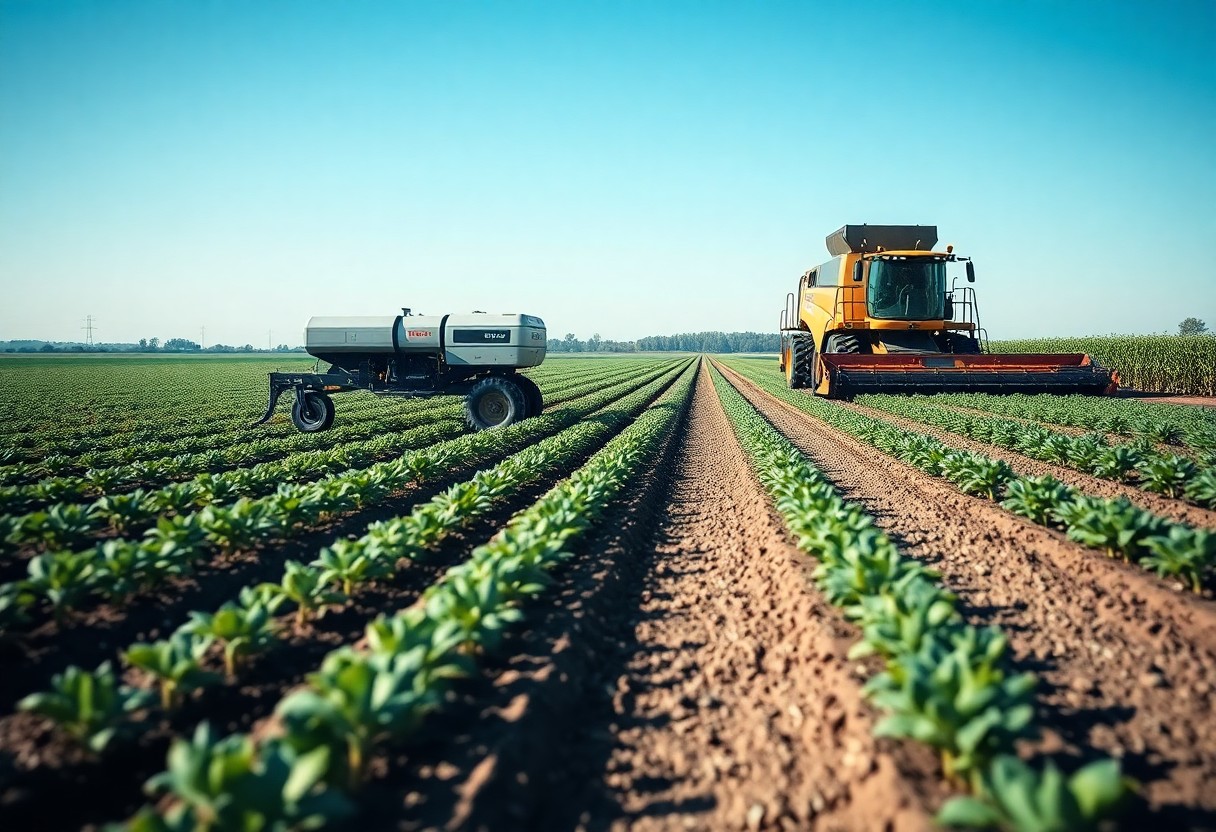
It’s an exciting time in the agricultural sector as robotics technology revolutionizes the way you approach planting and harvesting. By integrating automated solutions, you can enhance productivity, reduce labor costs, and improve precision in your farming operations. This blog post explores into the latest advancements in agricultural robotics, exploring how they streamline processes and address challenges in modern agriculture. Discover how adopting these innovations can elevate your farming practices and contribute to sustainable food production.
The Rise of Autonomous Agriculture
The shift towards autonomous agriculture has redefined traditional farming practices, making them more efficient and sustainable. With increasing labor shortages and the need for higher production, the adoption of automated systems is not just a choice, but a necessity. This evolution facilitates precision farming, enabling you to optimize inputs while minimizing waste, ultimately driving profitability in a competitive market.
Historical Context of Farm Automation
The journey of farm automation began with the mechanization of agriculture in the early 20th century, when tractors replaced horses and simple machinery introduced efficiency. Over decades, innovations such as the combine harvester transformed crop harvesting practices, laying the groundwork for modern automated techniques. As global populations surged, the need for enhanced productivity further accelerated the drive toward automation in farming.
Key Technological Advances Leading to Robotics
Several technological advances have been pivotal in the rise of agricultural robotics. GPS technology has enabled precise navigation for autonomous vehicles, while sensors and drones provide real-time data for crop monitoring. Machine learning and artificial intelligence algorithms help in decision-making processes, enhancing the capabilities of robotic systems in assessing plant health and optimizing resource use.
Among the catalysts for these advancements, GPS technology allows you to guide autonomous tractors with millimeter-level accuracy, reducing overlaps and ensuring optimal planting. Drones equipped with multispectral sensors monitor crop health, enabling targeted interventions. Machine learning systems analyze these vast datasets, allowing you to refine your strategies for planting, irrigation, and harvesting, resulting in a highly efficient farming operation. These technologies are not merely enhancements; they represent a fundamental shift in how you approach agricultural practices in an automated landscape.
Planting Innovations: Seeds of Change
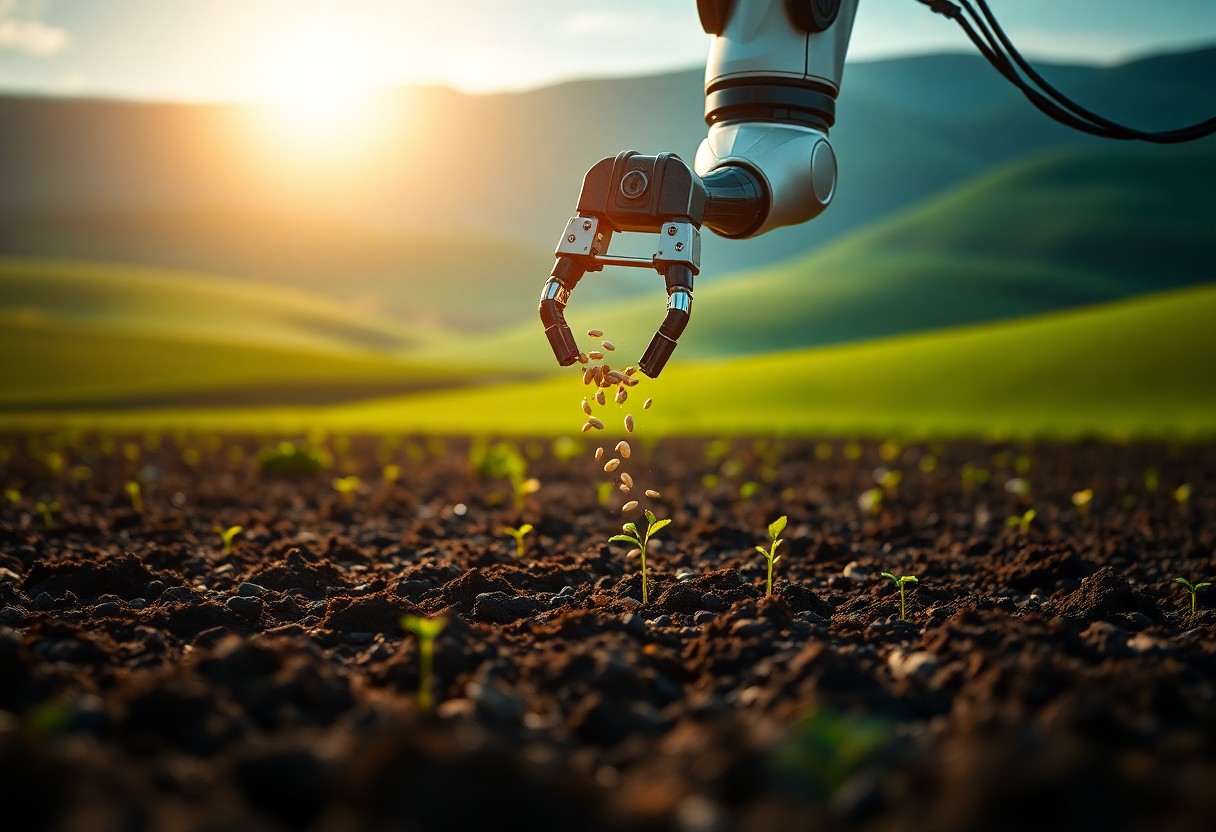
This new era of agricultural robotics is paving the way for revolutionary planting practices. Innovations like automated seeders enhance efficiency and precision, ensuring optimal planting depths and spacing. By utilizing advanced AI, these machines adjust their operation in real-time, minimizing waste and maximizing yields. For a deeper insight into transformative technologies, explore AI Agriculture Bots: 7 Top Robots Transforming Farming 2025.
Precision Seeding Techniques with Robotics
Robotic seeders integrate GPS and imaging technology to achieve precise planting, significantly enhancing crop yields. With the ability to adapt to varying soil conditions, these systems can change seed placement dynamically, ensuring each seed is optimally positioned for growth. The reduction in overlap during planting optimizes input usage and boosts efficiency.
The Role of Drones in Crop Monitoring and Management
Drones have emerged as an invaluable asset for crop monitoring, equipped with advanced sensors to assess plant health and soil conditions. They provide real-time data, allowing you to make informed decisions on irrigation, fertilization, and pest control. This aerial perspective enables targeted interventions, reducing resource wastage and improving overall crop management.
The ability of drones to gather multispectral imagery allows for detailed analysis of plant health, identifying specific areas needing attention. For instance, by detecting variations in plant coloration, you can pinpoint underperforming sections of the field, directing resources precisely where they are required. Additionally, drones can monitor larger areas in a fraction of the time it takes traditional methods, transforming how you manage your crops and providing a significant advantage in driving productivity and sustainability.
Harvesting Reinvented: The Robot Revolution
Robotic systems are redefining the agricultural landscape, dramatically altering how you approach harvesting. By leveraging advanced algorithms and machine learning, these innovative machines can assess the optimal time to pick crops, ensuring maximum quality and efficiency. They operate tirelessly, day or night, identifying ripe produce and reducing the time from field to market significantly. As a result, farmers are witnessing enhanced productivity and consistent output that traditional harvesting methods simply cannot match.
Efficiency Gains through Automated Harvesting
Your operations can achieve unprecedented levels of efficiency with automated harvesting technologies. Robots can navigate fields with precision, utilizing GPS and real-time data analysis to harvest crops swiftly and accurately. This not only minimizes waste but also allows for precise timing, ensuring that the produce is collected at peak ripeness. As a farmer, you can optimize your harvest schedules and reduce downtime, ultimately leading to a more streamlined workflow.
Reducing Labor Costs and Increasing Yields
Implementing robotic harvesters can lead to significant reductions in labor costs while simultaneously increasing your crop yields. These machines require minimal human oversight, allowing you to allocate labor resources more effectively. With the ability to harvest around the clock, robotic systems minimize the risk of crop loss during peak harvesting times. This efficiency translates directly to higher overall yields, enabling you to maximize profits from your farming ventures.
By replacing traditional manual labor with automated systems, you can cut labor costs by up to 30%, which significantly impacts your bottom line. Less reliance on seasonal labor also means fewer challenges related to labor shortages during critical harvest periods. Increased efficiencies enable your equipment to cover more ground in less time, which directly boosts your yield per acre. As a result, integrating robotic harvesters not only enhances productivity but establishes a sustainable farming model that can adapt to fluctuating market demands.
Bridging the Skill Gap: Training for Tomorrow’s Farmers
Addressing the skill gap in agriculture involves adapting educational programs to include advanced technologies and practices. You need to ensure that the curriculum blends traditional farming knowledge with modern agricultural robotics, providing hands-on experience with tools and systems. Collaborations between universities and tech companies have shown promise, as they facilitate internships and workshops where students can work directly with cutting-edge technologies used in the field.
Educating the Next Generation in Agricultural Technology
Integrating agricultural technology into educational programs equips you with the necessary skills for future farming careers. Universities are increasingly offering specialized degrees focused on precision agriculture, data analysis, and automation. You can also find certification programs that teach the operation and maintenance of agricultural robots, preparing you for the evolving workforce.
Farmer Perspectives on Embracing Robotics
Farmers are recognizing the potential of robotics to enhance efficiency and productivity on their farms. You might find that early adopters of robotic technology report increased yields and reduced labor costs. A survey conducted by the American Farm Bureau showed that over 60% of farmers believe robots will play a significant role in agriculture within the next decade.
In discussions about adopting robotics, many farmers express a mixture of excitement and apprehension. Automation promises to alleviate labor shortages, particularly as younger generations gravitate towards urban careers. Farmers often cite improved precision in planting and harvesting as a game changer, allowing for optimal resource use. However, the initial investment can be daunting, so many emphasize the need for financial assistance and training programs to facilitate this transition. Balancing tradition with innovation seems to be the key to navigating these changes while maintaining sustainable practices.
Navigating Ethical and Environmental Impacts
The integration of agricultural robotics raises significant ethical and environmental considerations. You need to weigh the benefits of increased efficiency and productivity against potential job displacement and ecological disruption. The automation of farming practices can lead to more intensive land use, possibly exacerbating soil degradation and biodiversity loss unless carefully managed. Addressing these challenges requires proactive policies and a commitment to sustainable practices that prioritize both the health of the planet and the welfare of the agricultural workforce.
The Sustainable Potential of Agricultural Robotics
Leveraging agricultural robotics can enhance sustainability in farming. Automated systems enable precision agriculture, reducing resource waste and minimizing chemical use. By utilizing robotics for targeted planting and harvesting, you can establish practices that ultimately decrease the carbon footprint of food production. Case studies highlight how robotic weeding systems have reduced herbicide use by up to 90%, showcasing the capacity for robotic technology to align agricultural productivity with environmental stewardship.
Addressing Workforce Concerns in the Automation Era
As robots take on routine tasks in agriculture, concerns arise regarding job loss and workforce displacement. It’s vital to develop strategies that support workers adapting to these changes, including reskilling initiatives. Engaging with communities to understand their needs and aligning training programs with emerging agricultural technologies can help you transition into a future where robots and humans collaborate effectively.
Job displacement due to automation in agriculture represents a pressing concern, yet it also opens opportunities for workforce transformation. Investing in retraining programs equipped with technology education can create a new generation of skilled workers adept at managing and maintaining advanced robotic systems. For instance, programs like those launched in California have shown success in training farmworkers for tech-savvy roles that oversee robot operations. Engaging local agricultural communities in these developments not only addresses workforce concerns but also fosters an environment where innovation and adaptability thrive, positioning you to navigate the future of farming confidently.
To wrap up
Taking this into account, you can see how agricultural robotics significantly enhances efficiency in planting and harvesting operations. By integrating automated systems into your farming practices, you not only reduce labor costs but also improve precision and crop yields. Embracing these advancements enables you to stay competitive in an evolving agricultural landscape, ensuring your farm operates at optimal levels while addressing the growing demands of food production.
