
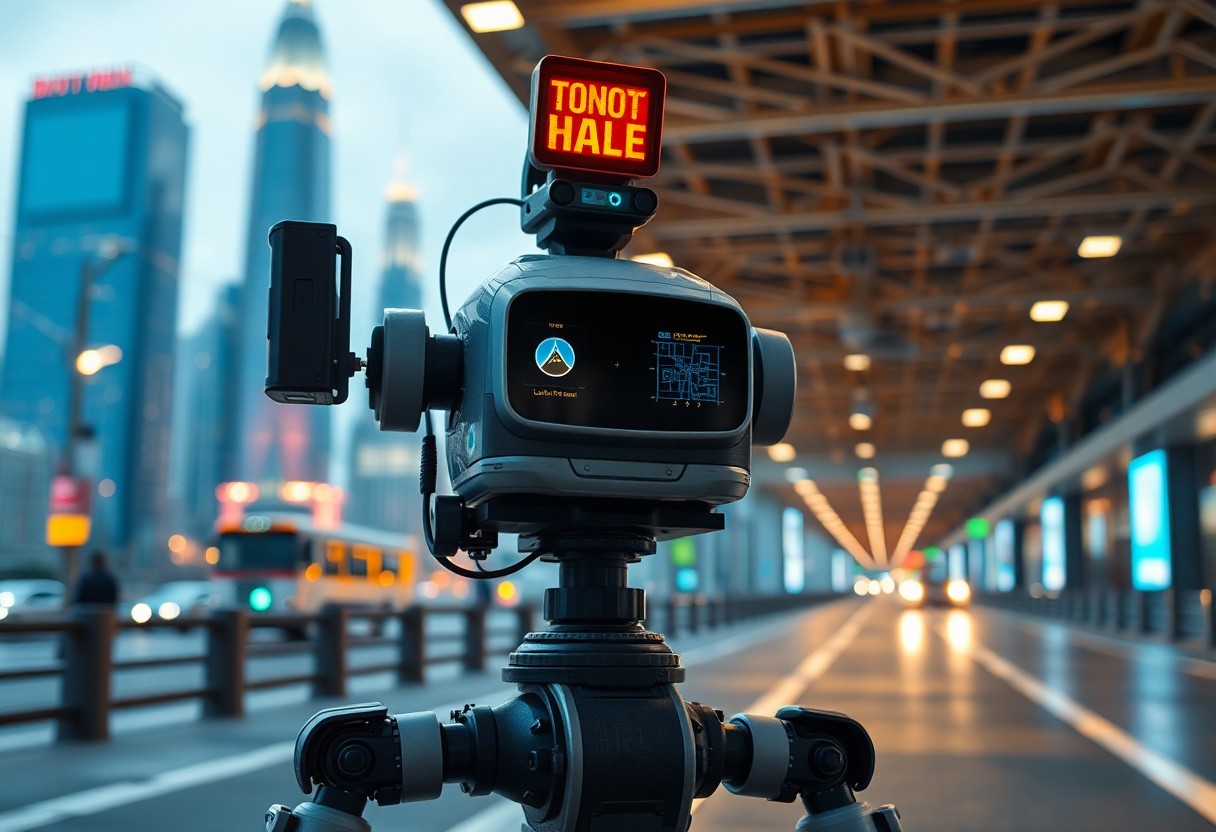
Navigation technology is evolving rapidly, transforming how robots perceive and interact with their environments. You’ll discover how advancements such as GPS-free mapping and adaptive mobility capabilities enhance the versatility and efficiency of robots. These innovations pave the way for applications across industries, ensuring robots can operate effectively in complex settings without reliance on traditional positioning systems. By exploring these developments, you can gain insight into the future of autonomous navigation and its implications for various sectors.
Evolution of Robot Navigation
Historical Context
The journey of robot navigation began in the mid-20th century with early robots relying on manual control and simple sensors. You can trace the roots of autonomous navigation back to innovations like the first autonomous mobile robot, Shakey, developed in the 1960s, which utilized basic sensors for obstacle avoidance. This foundational work set the stage for much more sophisticated navigation systems that followed.
Key Milestones
Significant advancements in navigation technology emerged throughout the decades, laying the groundwork for advanced methods used today. In the 1980s, the advent of the first laser rangefinders revolutionized spatial mapping. By the 2000s, Simultaneous Localization and Mapping (SLAM) gained traction, enabling real-time mapping while robots navigated unknown environments. More recently, integration of machine learning with sensor data has enhanced navigation efficiency significantly.
Key milestones in robot navigation highlight transformative technologies that reshaped robotics. The development of SLAM allowed robots to autonomously map their surroundings while keeping track of their position, which was a game changer for robotics. In 2016, Google’s DeepMind introduced reinforcement learning for navigation tasks, showcasing how AI could adapt route-finding based on various inputs. Around the same time, advancements in multi-sensor fusion, combining LiDAR and camera data, enabled more accurate perception in dynamic environments. These examples demonstrate the trajectory towards increasingly intelligent and adaptable navigation systems. Each milestone has contributed to the robots’ ability to navigate complex spaces seamlessly and autonomously.
GPS-Free Mapping Techniques
Innovative GPS-free mapping techniques are reshaping how robots navigate complex environments. Approaches like Visual SLAM and LiDAR integration have enabled precise localization and mapping without relying on GPS signals. Such advancements empower robots to operate effectively in indoor or challenging outdoor settings, enhancing their versatility and reliability. For deeper insights into these technologies, consult An Internet of Things-enabled adaptive robotic framework ….
Visual SLAM
Visual SLAM (Simultaneous Localization and Mapping) employs cameras to create a detailed map of the environment while continuously tracking locations. This method relies on feature extraction and matching among frames, allowing robots to identify their position relative to landmarks. You can leverage OpenCV or ROS (Robot Operating System) to implement Visual SLAM in your projects for effective navigation.
LiDAR Integration
LiDAR integration enhances robotic navigation by providing high-resolution, three-dimensional maps of surroundings. By emitting laser pulses and measuring their return times, LiDAR systems create precise environmental models. This is particularly valuable in obstacle detection and avoidance. You’ll find that integrating LiDAR with other sensors improves overall navigation accuracy.
The precision offered by LiDAR systems allows for the detection of even small objects and subtle changes in the environment. For instance, when implemented in autonomous vehicles, LiDAR can discern road signs, pedestrians, and potential hazards, ensuring safer navigation. With 360-degree visibility and an ability to function in various lighting conditions, LiDAR stands out as a pivotal technology in enhancing robotic mobility. Its seamless integration with other technologies, like Visual SLAM, further amplifies its potential in developing advanced navigation systems.
Adaptive Mobility Strategies
Adaptive mobility strategies represent a significant leap in how robots navigate their environments. By leveraging advanced algorithms and sensory inputs, these strategies allow robots to seamlessly adjust their movements in dynamic situations. Robots can now better interact with their surroundings, avoiding obstacles and optimizing paths in real-time, ensuring efficient task completion regardless of the challenges they encounter.
Real-Time Environment Adaption
In real-time environment adaptation, robots dynamically assess and react to changes in their surroundings. Utilizing sensors such as Lidar and cameras, they detect obstacles, changes in terrain, and unpredicted objects. This capability enables them to reroute instantly, ensuring safe and effective navigation even in unpredictable environments. Through rapid processing, robots maintain high levels of situational awareness, enhancing their operational reliability.
Machine Learning in Navigation
Machine learning plays a pivotal role in modern navigation systems, allowing robots to learn from past experiences and improve their performance over time. Algorithms refine decision-making processes by analyzing data from previous navigational tasks, enhancing reliability and adaptability. This continuous learning cycle results in robots that not only navigate efficiently but also predict and respond to novel challenges with increasing proficiency.
By incorporating machine learning into navigation, robots can utilize vast datasets to identify patterns in their environment. For instance, reinforcement learning techniques enable these systems to explore various pathways and learn optimal routes based on trial and error. Companies like Boston Dynamics have successfully implemented machine learning to enhance their robots’ ability to traverse uneven terrain by predicting how best to adjust their movements based on real-time feedback. As these algorithms evolve, they will contribute to smarter, more autonomous navigation systems capable of operating in an array of environments, from urban landscapes to remote wildernesses.
Case Studies of Advanced Robot Navigation
Examining real-world applications showcases how advanced navigation techniques are enhancing the capabilities of robots across various sectors. These case studies can provide valuable insights into the effectiveness and innovation driving robot navigation forward.
- Autonomous Delivery Robots
- Agricultural Robotics
- Warehouse Automation
- Search and Rescue Operations
- Industrial Inspection Robots
| Case Study | Details |
|---|---|
| Autonomous Delivery Robots | Robots like Nuro and Starship Technologies are transforming last-mile delivery by navigating complex urban environments using advanced algorithms. |
| Agricultural Robotics | Technologies such as drones and autonomous tractors optimize planting and harvesting operations, employing AI for precision tasks. |
Autonomous Delivery Robots
Autonomous delivery robots are revolutionizing the logistics landscape by efficiently navigating urban settings. Utilizing sophisticated mapping and sensor technology, these robots can operate seamlessly alongside pedestrians and vehicles, ensuring a safe delivery experience.
Agricultural Robotics
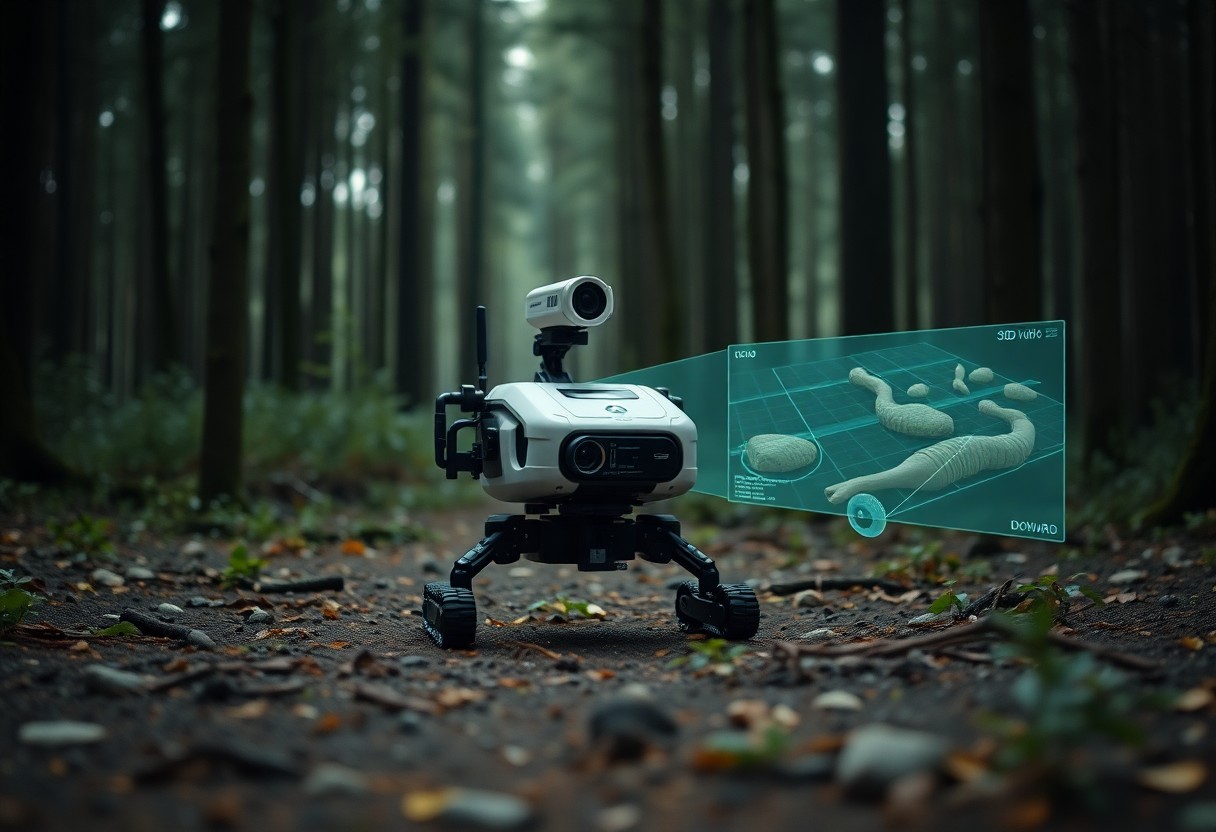
Agricultural robotics is streamlining farming practices, enabling precision agriculture. These robots utilize GPS-free navigation techniques like SLAM to optimize tasks such as planting and weeding, enhancing overall efficiency and yield.
In agricultural robotics, companies are integrating AI with imagery analysis, allowing robots to differentiate between crops and weeds, and subsequently apply pesticides or fertilizers precisely where needed. For instance, systems like the Rowbot employ real-time map generation to navigate fields accurately, significantly reducing chemical usage and promoting sustainable farming practices. By deploying autonomous tractors and drones, farmers can enhance productivity while minimizing environmental impact, leading to a transformative change in the agricultural industry.
Challenges and Limitations
Despite significant advancements in robot navigation, challenges remain that affect performance and reliability. Sensor malfunctions, fluctuating environmental conditions, and computational constraints often hinder practical applications. As you probe deeper into these issues, you’ll discover how overcoming these limitations is vital for achieving seamless navigation in dynamic settings.
Sensor Reliability
Your robots rely heavily on sensors for accurate mapping and navigation. However, sensor failures can occur due to environmental interferences or hardware defects, leading to miscalculations in spatial awareness. Robust algorithms and redundancy in sensor design are necessary to mitigate these risks and enhance performance.
Environmental Variables
Environmental factors, such as varying lighting conditions and unexpected obstacles, significantly impact robot navigation. These variables can cause inconsistencies in sensor readings and mapping accuracy, posing challenges in dynamic environments. Addressing this requires innovative adaptive algorithms that enable robots to adjust and respond effectively.
For instance, changes in lighting can adversely affect visual sensors, making it difficult for your robot to accurately interpret surroundings. Additionally, obstacles like people or furniture may shift, requiring real-time updates to the navigational map. Implementing machine learning techniques allows your robots to learn from past experiences and better predict changes in their environment, thus enhancing their adaptive mobility capabilities. Such advancements ensure that robots remain functional and reliable in unpredictable settings, paving the way for broader applications across industries.
Future Trends in Robot Navigation
As robot navigation continues to evolve, emerging trends focus on enhancing efficiency and adaptability. Innovations like multi-sensor integration and advanced machine learning algorithms are paving the way for smarter navigation systems. For example, an Efficient 3D robotic mapping and navigation method in challenging environments will lead to breakthroughs in autonomous robotics. Expect significant strides towards real-time data processing and an increased emphasis on seamless human-robot interaction.
Integration with IoT
Integrating robots with the Internet of Things (IoT) facilitates unprecedented connectivity and data sharing. You can expect your robots to access real-time environmental data, leading to improved decision-making processes. This connectivity will enable robots to interact with other devices and systems, enhancing their overall efficiency in navigating and providing services in various applications.
Enhanced Autonomy
Enhanced autonomy in robotic navigation is characterized by systems that can operate independently, utilizing machine learning and AI to adapt to dynamic environments. By incorporating advanced perception algorithms, your robots will analyze surroundings, predict obstacles, and optimize paths without human intervention. This shift means you will witness safer and more reliable robots capable of functioning in complex scenarios.
The future of enhanced autonomy in robotic navigation involves utilizing deep learning techniques to train your robots on vast datasets, allowing them to recognize and adapt to varying conditions and obstacles. Deployment in environments like warehouses or urban settings will become seamless as robots learn from previous experiences, adjusting their strategies in real time. As these systems gather and analyze information continuously, you’ll benefit from increasingly responsive and efficient robotic solutions, ultimately revolutionizing their role in industries ranging from logistics to healthcare.
Summing up
On the whole, the evolution of robot navigation has significantly changed the way you envision autonomous movement. By incorporating advanced mapping techniques and adaptive mobility solutions, robots can now operate effectively in various environments without relying solely on GPS. This progress not only enhances their versatility but also improves their ability to navigate complex terrains. As you explore these advancements, consider their implications for various industries, as they pave the way for a future where autonomous systems can seamlessly integrate into everyday life.
