
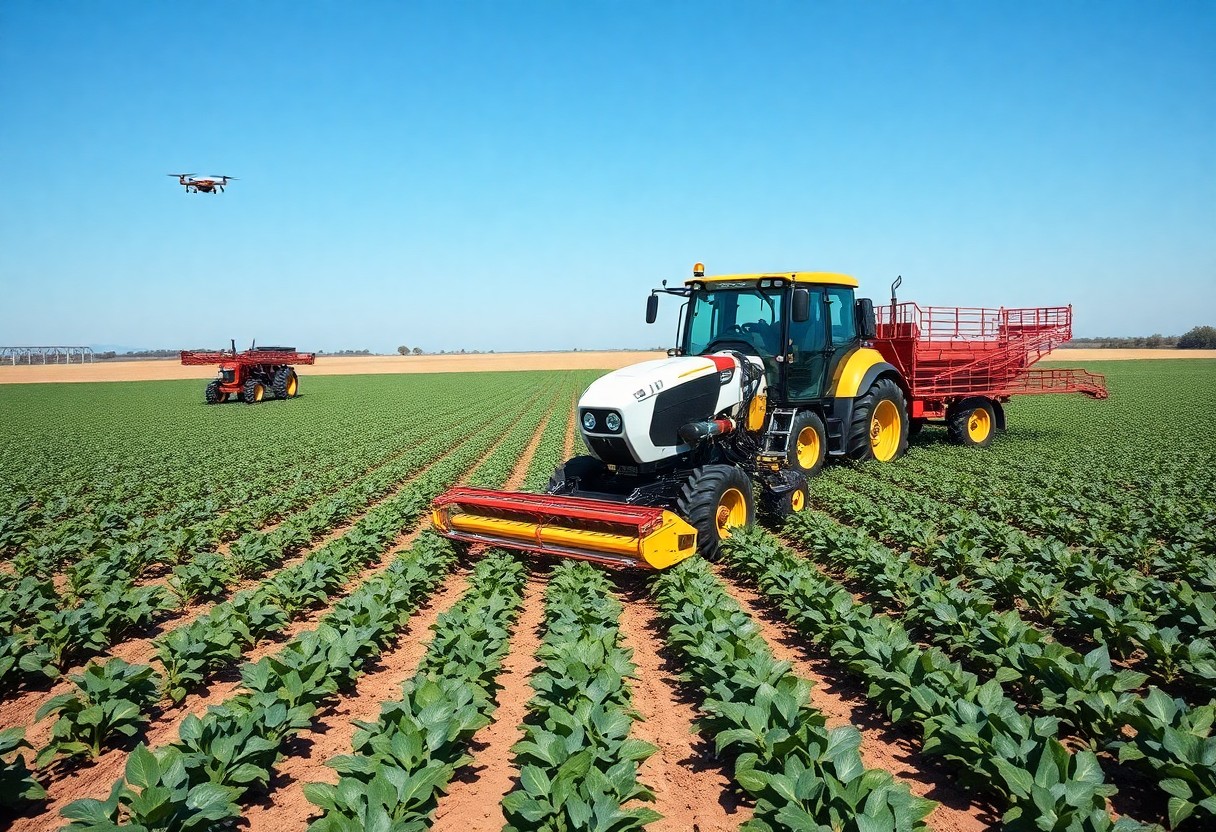
Over the last decade, advancements in agricultural robotics have transformed the way you approach farming tasks such as harvesting, seeding, and crop monitoring. These innovative machines are designed to optimize efficiency, reduce labor costs, and enhance precision in the field. By integrating technology into your agricultural practices, you can vastly improve yields and sustainability while minimizing your impact on the environment. Explore how robotics can revolutionize your farming operations and help you stay ahead in a competitive industry.
The Role of Robotics in Agriculture
In modern agriculture, robotics plays an crucial role in enhancing efficiency and productivity. By automating tasks such as planting, harvesting, and monitoring, you can reduce labor costs and minimize human error. The integration of robotic systems allows for precise operations that adapt dynamically to varying field conditions, ultimately ensuring optimal crop yields and sustainable farming practices.
Overview of Agricultural Robotics
Agricultural robotics encompasses a variety of technologies that streamline various farming processes. These robots can perform tasks ranging from sowing seeds and applying fertilizers to surveying and harvesting crops. With advancements in AI and machine learning, you can expect these systems to become increasingly autonomous, improving agricultural precision and efficiency.
Key Technologies in Agricultural Automation
Several key technologies drive agricultural automation forward, such as GPS-guided equipment, drones, and autonomous tractors. These innovations not only enhance operational efficiency but also offer data analytics capabilities that help you make informed decisions based on real-time information. By leveraging these technologies, your farming operations can achieve higher productivity and sustainability.
GPS-guided equipment allows for precise planting and field mapping, reducing seed waste and ensuring optimal spacing. Drones equipped with multispectral sensors provide invaluable insights into crop health, enabling targeted interventions that boost yields. Autonomous tractors equipped with advanced navigation systems can operate continuously, reducing labor dependency and operational downtime. These technologies work in unison to create a more effective agricultural ecosystem, allowing you to optimize resources while increasing yield and profitability.
Automating Harvesting
Automating harvesting revolutionizes agricultural practices by increasing efficiency and reducing labor costs. Robotic systems designed for this purpose can work tirelessly, harvesting crops faster than human laborers while minimizing waste. Your ability to improve yield and reduce operational expenses can be significantly enhanced through the integration of these technologies.
Robotic Harvesters: Types and Technologies
Various types of robotic harvesters utilize cutting-edge technologies tailored for specific crops. From customizable machines suited for fruits and vegetables to drones that monitor and assess crop health, they all contribute to enhanced productivity. Key technologies include:
- Vision systems for crop recognition.
- AI algorithms for decision-making.
- GPS for precise navigation.
- Machine learning for improving efficiency.
- Perceiving obstacles in real-time.
| Type of Harvester | Key Features |
| Fruit Pickers | Picks ripe fruits gently to avoid damage. |
| Vegetable Harvesters | Designed for various leafy greens and root crops. |
| Field Robots | Operates in the field for multiple tasks, including weeding. |
| Drones | Uses aerial surveillance to monitor crop health. |
| Multi-Crop Systems | Adaptable for a variety of harvesting needs. |
Impact on Labor and Efficiency
The introduction of robotic harvesters significantly alters labor dynamics and productivity in agriculture. With these systems, you can optimize labor allocation, as robots take over repetitive tasks. This allows your workforce to concentrate on more complex, strategic activities, enhancing overall operational efficacy.
Employing robotic harvesters can replace a significant portion of labor, leading to a streamlined workforce that is more focused on high-skill jobs. Farm operations can decrease reliance on seasonal labor, and some studies indicate farm productivity could increase by over 30%. While initial costs may deter adoption, the long-term gains in efficiency and output present compelling advantages. Embracing this technology prepares you for a competitive edge in an evolving agricultural landscape.
Seeding Automation
Automating the seeding process revolutionizes traditional farming practices, reducing labor costs and improving efficiency. Advanced machinery equipped with GPS and robotics can plant seeds at optimal depths and spacing, ensuring each seed has the best chance of germination and growth. By relying on technology, you can achieve uniformity across large fields, which is vital for crop yield and health. As you embrace these innovations, your farm can experience higher productivity and an overall reduction in resource waste.
Precision Seeding Technologies
Precision seeding technologies utilize GPS guidance systems and advanced sensors to optimize seed placement in the soil. By analyzing soil variability, these systems ensure that the right amount of seeds are planted in the right locations, minimizing overlap and waste. You can expect improved germination rates and healthier plants as each seed receives tailored environmental conditions, enhancing the overall success of your crops.
Benefits of Automated Seeding
Automated seeding brings several benefits, including increased efficiency, reduced labor requirements, and enhanced planting accuracy. By implementing these technologies, you can save time during the critical planting season, allowing you to focus on other vital farm operations. The ability to adjust seed depth and spacing precisely also leads to better resource management and improved crop yields.
By adopting automated seeding, you not only streamline your planting process but also promote sustainable farming practices. For instance, using data-driven approaches can lead to a reduction in seed waste. This efficiency not only translates to cost savings but can also enhance your crops’ market readiness and quality. You can cultivate healthier yields, potentially increasing profits while minimizing your environmental footprint. Embracing technology in seeding is a step towards modern agricultural excellence.
Crop Monitoring Innovations
Innovations in crop monitoring are transforming how you manage your agricultural practices. Advanced technologies like drones and satellite imaging now provide real-time insights into crop health and soil conditions, allowing you to make informed decisions. For a deeper exploration of this evolution, see Farming Robots – From Crop Monitoring to Harvesting.
Sensors and Data Collection in Agriculture
Utilizing sensors in agriculture enhances your ability to collect vital data about crop conditions and environmental factors. Soil moisture sensors, for example, ensure timely irrigation, while thermal and multispectral sensors can detect plant stress indicators early on, enabling you to take proactive measures. This data-driven approach minimizes waste and optimizes yield.
Benefits of Real-Time Monitoring
Real-time monitoring provides immediate insights that can significantly enhance crop management. You can quickly identify problems such as pest infestations or nutrient deficiencies, allowing for rapid intervention. This immediacy not only improves crop health but also minimizes potential losses, ultimately leading to increased overall productivity.
The benefits of real-time monitoring extend beyond immediate interventions. By continuously tracking your crops, you can analyze long-term trends and make better predictions regarding future harvests. For instance, integrating data from various sensors allows for precise adjustments in your farming strategies, ensuring both short-term success and long-term sustainability. This proactive management leads to better resource allocation, refined agricultural practices, and enhanced financial performance over time.
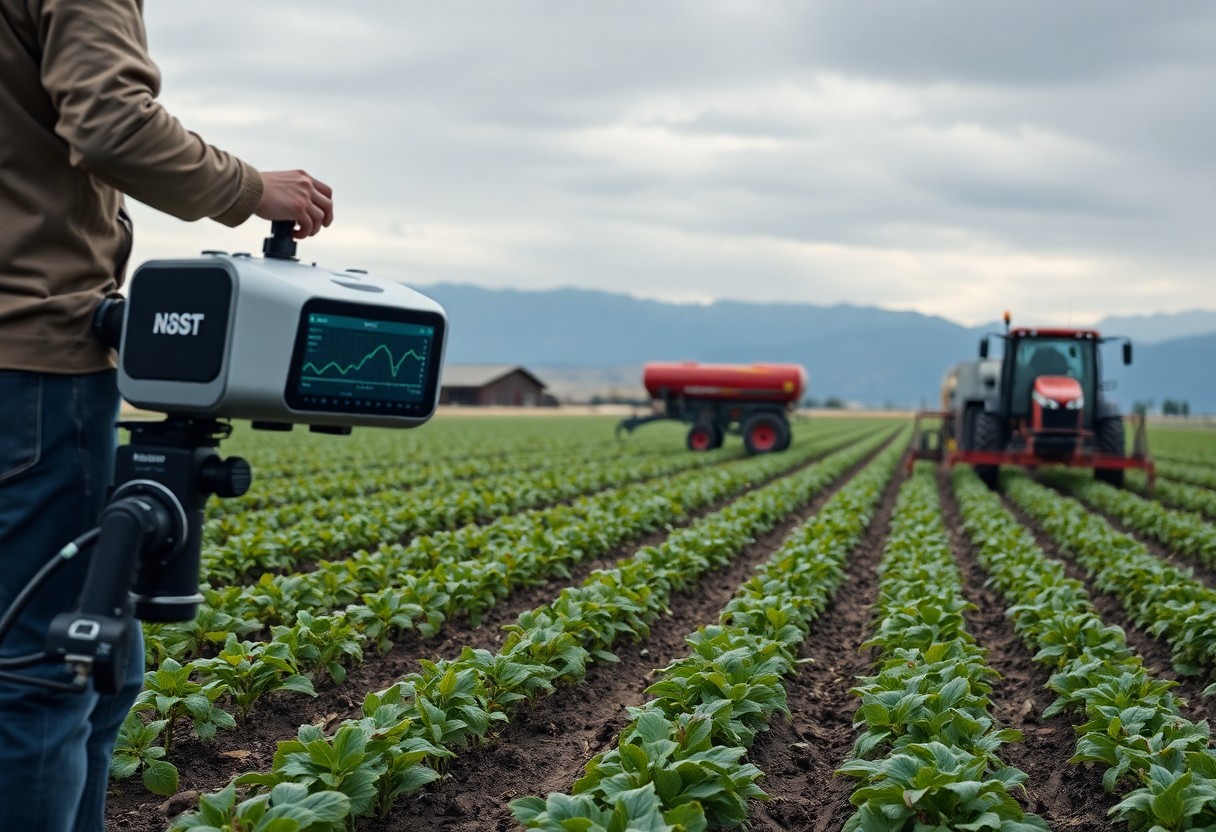
Challenges and Limitations
Despite the transformative potential of agricultural robotics, several challenges and limitations hinder widespread adoption. These range from technical obstacles such as machine reliability in diverse weather conditions to economic factors that impact investment and scalability. For further insights, explore FarmDroid | Advanced Agricultural Robots for Modern Farming.
Technical Challenges
Technical challenges in agricultural robotics primarily involve sensor accuracy, navigation in unpredictable terrains, and integration with existing farming practices. You may encounter difficulties with costly maintenance and required technical expertise to operate these sophisticated machines effectively, which can deter some farmers from embracing these innovations.
Economic and Adoption Barriers
Economic and adoption barriers often stem from the high upfront costs associated with agricultural robotics, which can deter small and medium-sized farms from making the leap. You might also face challenges related to labor displacement and uncertainty about return on investment, causing hesitation in adopting automated solutions.
The economics of agricultural robotics often reflect a significant investment that many farmers are unsure about making without clear projections of improved yield and profit margins. Additionally, you may find that smaller-scale operations lack adequate access to financing options, leading to disparities in adoption rates across different farm sizes. Acceptance of automation also varies culturally within the farming community, where traditional practices might still dominate despite visible technological advancements.
Future Trends in Agricultural Robotics
The future of agricultural robotics is set to reshape the farming landscape as new innovations emerge. You can expect to see an increase in autonomous vehicles and drones equipped with sophisticated AI and machine learning technologies, enhancing decision-making processes in your agricultural operations. These advancements will streamline resource management, minimize waste, and cater to real-time data analysis, ultimately fostering sustainable practices and higher yields.
Emerging Technologies
Upcoming technologies are poised to significantly impact agricultural robotics. You will witness breakthroughs in precision agriculture, where robotics integrate with IoT devices to monitor soil health and crop conditions. Furthermore, advancements in computer vision and AI will enable robots to perform complex tasks such as sorting and identifying pests, ensuring your crops thrive throughout their growth cycles.
Predictions for the Agricultural Landscape
As agricultural robotics becomes more prevalent, significant changes in farming practices are anticipated. You may see a shift towards smaller-scale, high-tech farms where data-driven decisions replace traditional methods. This transformation is projected to lead to a reduction in reliance on chemical pesticides, greater food safety, and enhanced profitability for farmers. Additionally, as technology becomes more accessible, even smallholders can leverage these innovations for improved yields.
The integration of robotics into agriculture will likely enhance efficiency and reduce operational costs, ultimately changing your farming approach. With an estimated 70% of the world’s population projected to live in urban areas by 2050, the demand for sustainable food production will grow. Consequently, you can expect farms to evolve into tech-driven entities that utilize real-time data for precision farming. The combination of these factors will lead to smarter agricultural practices, allowing for unprecedented levels of productivity and sustainability in the agricultural landscape.
To wrap up
Ultimately, embracing agricultural robotics can significantly enhance your farming efficiency and productivity. By automating tasks such as harvesting, seeding, and crop monitoring, you position your operations for greater precision and reduced labor costs. With ongoing advancements in technology, integrating these systems can transform your approach to agriculture, allowing you to focus on strategic decision-making while ensuring optimal crop yields. Leveraging these innovations helps you stay competitive in a rapidly evolving industry.
