
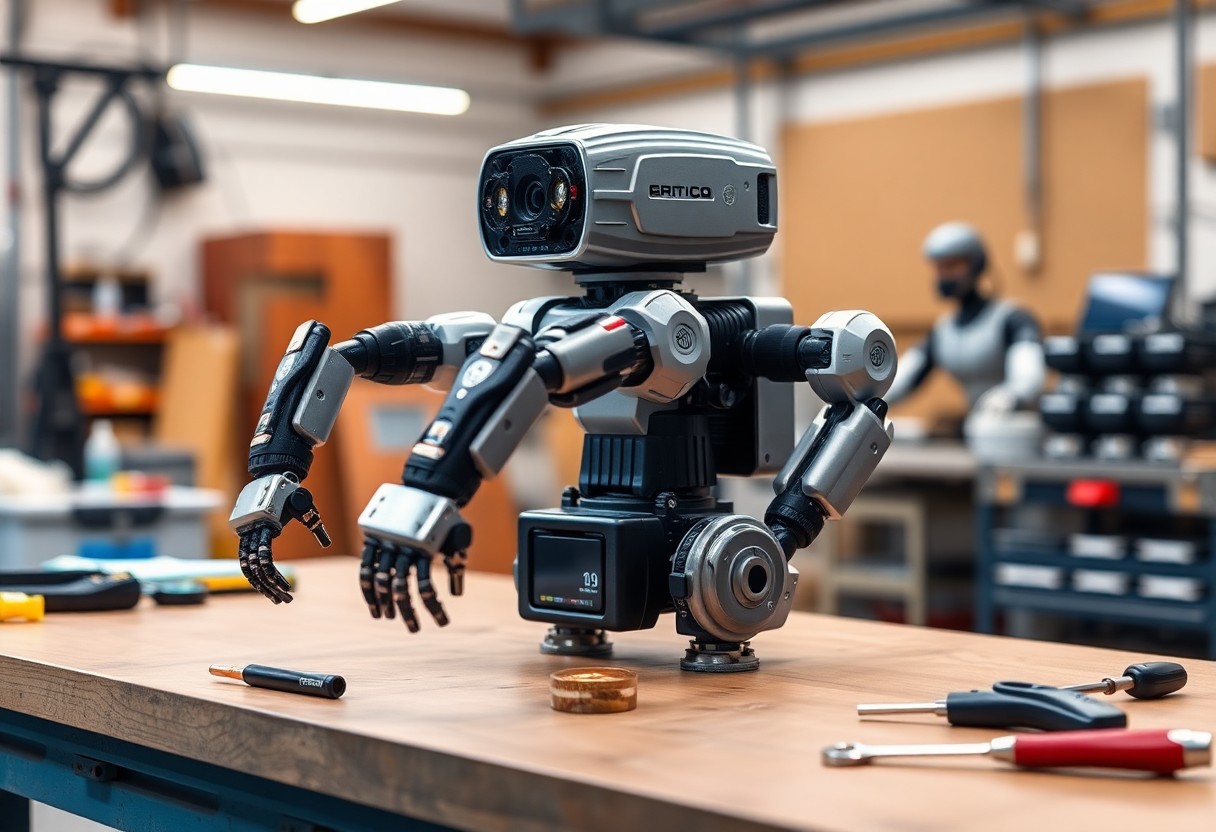
Over time you prioritize durable materials, modular hardware, redundant power, and maintainable code; you test rigorously and schedule maintenance so your robot remains reliable and serviceable for long-term deployment. Selecting High-Grade Materials for Longevity Materials selection affects longevity; choose corrosion-resistant alloys, high-grade composites, and protective coatings so you reduce maintenance and avoid premature failures. Identifying […]
Blog
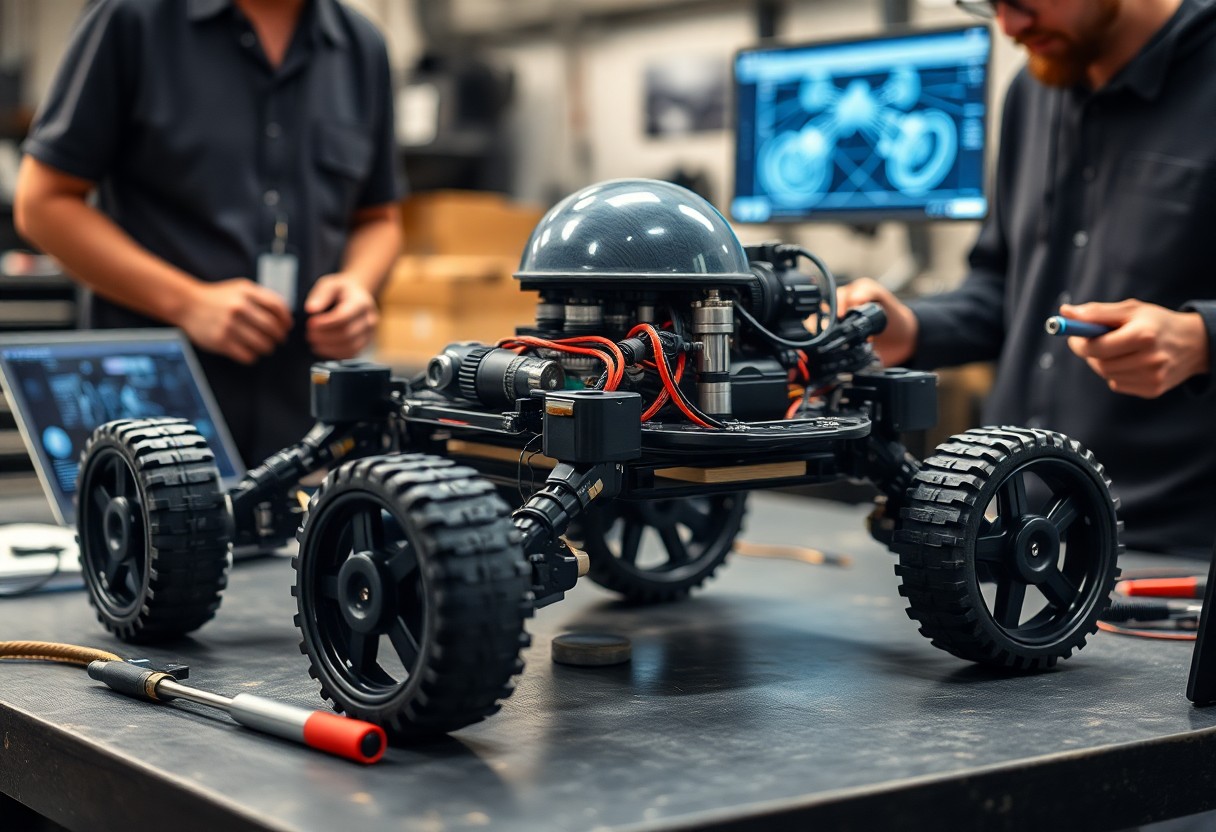
Constructing a Robot with Advanced Mobility Systems
Mobility determines your robot’s capabilities: design modular actuators, apply sensor fusion and adaptive control, and optimize power management and mechanical structure so you achieve stable, efficient movement across diverse terrain. Kinematic Design and Chassis Architecture Kinematic layout defines joint arrangement, gait potential, and wheel placement so you can optimize stability, payload distribution, and motion efficiency […]
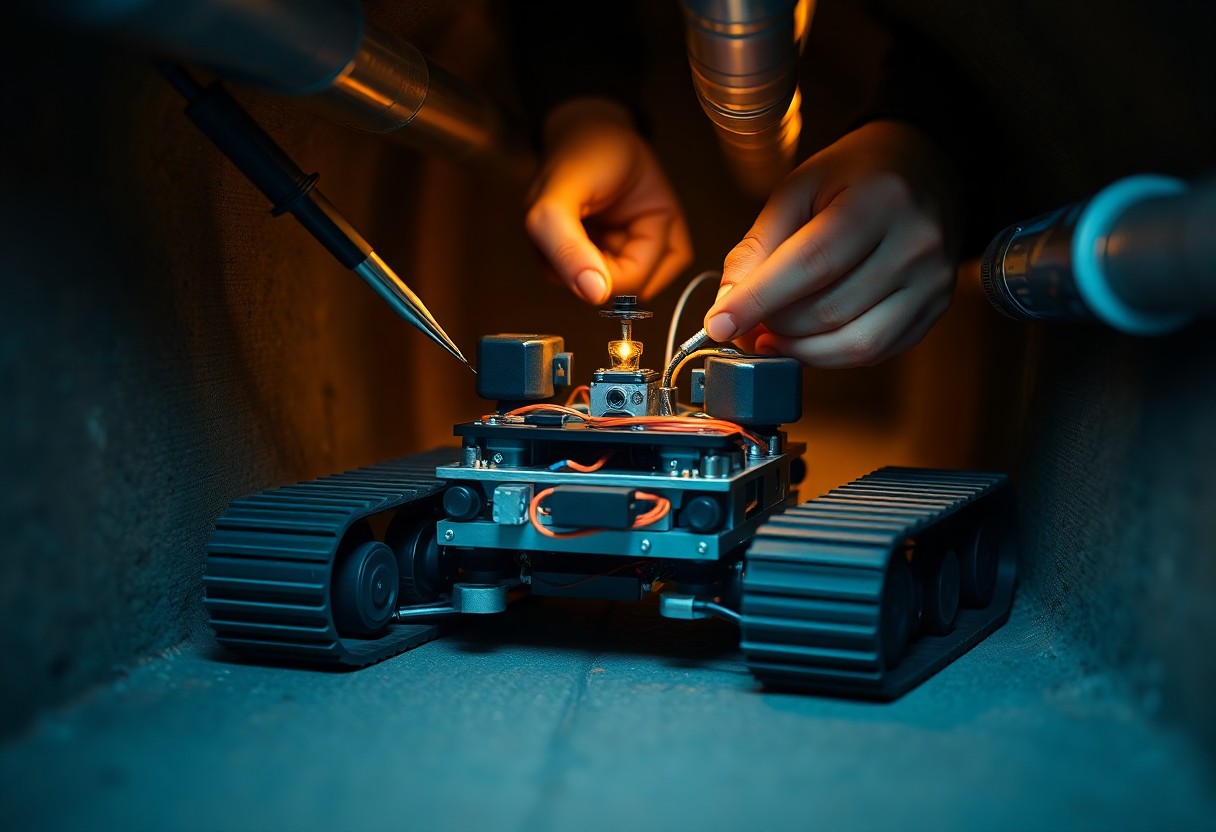
Building a Compact Robot for Tight Spaces
Spaces within machinery and ducts force you to design compact robots that fit, maneuver, and perform tasks efficiently. Design Principles for Miniaturization You focus on minimizing footprint by integrating functions, reducing tolerances, and planning thermal and power paths early, ensuring the compact robot fits tight spaces while maintaining performance. Spatial Optimization and Component Layout Arrange […]
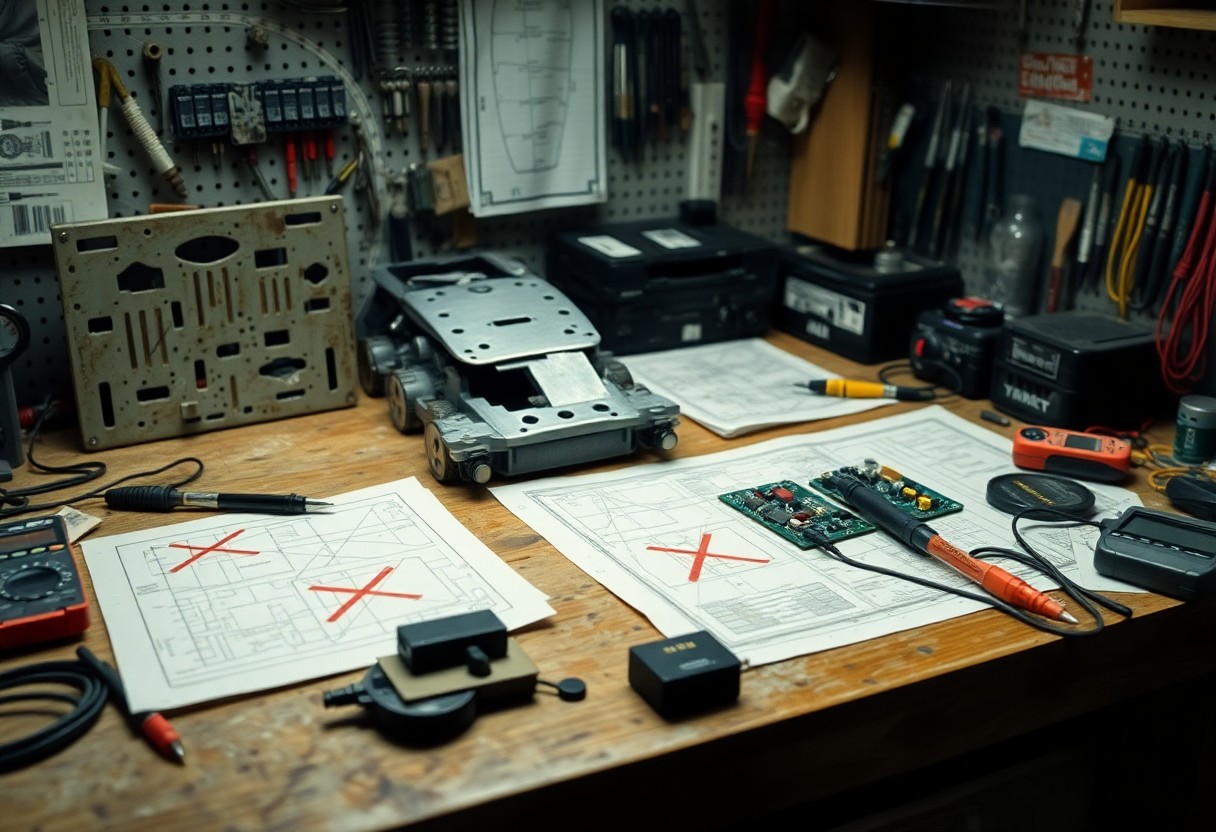
Lessons Learned from Failed Robot Builds
Robotics failures teach you practical debugging, design trade-offs, and testing discipline so you can refine prototypes faster and avoid repeated mistakes. Mechanical Integrity and Structural Design Structural design failures teach you to prioritize joint strength, correct load paths, and redundant supports so your robot survives impacts and sustained operation. Material Stress and Fatigue Limits Testing […]
Design for Manufacturability in Robotics
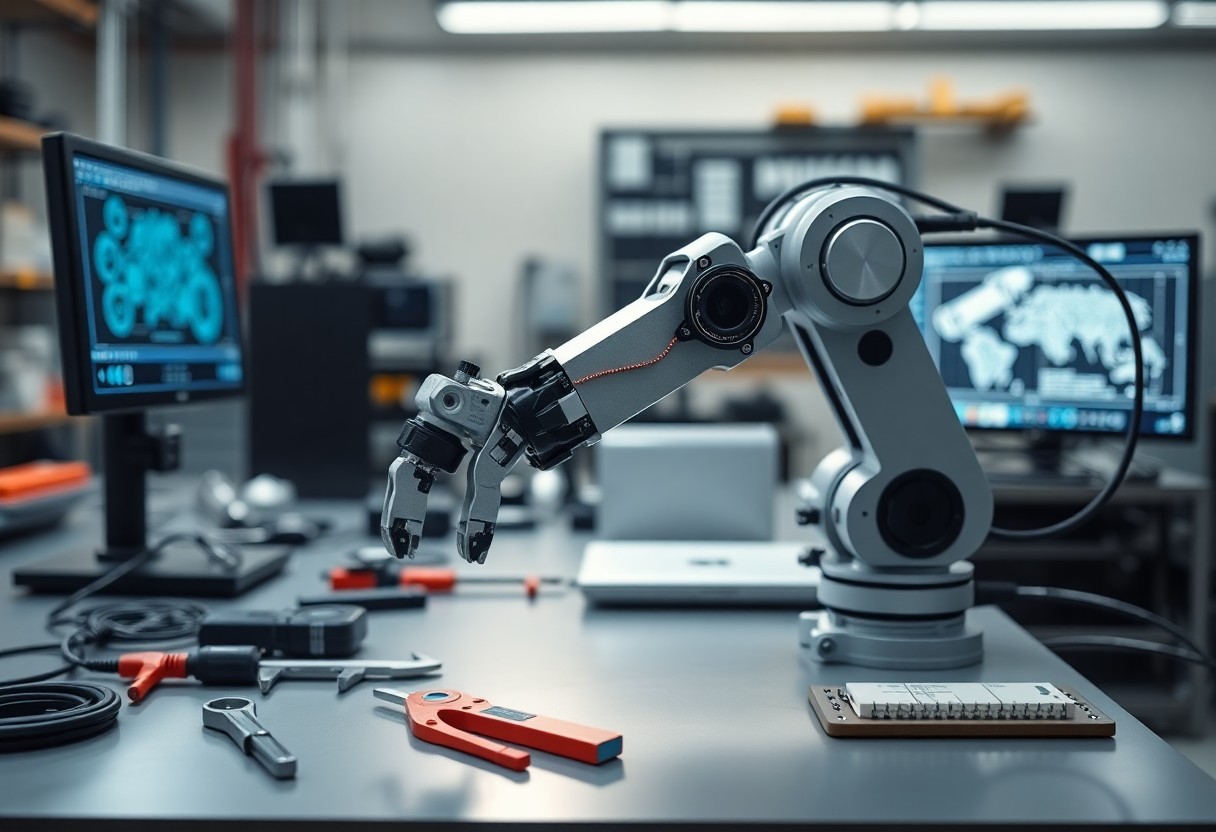
There’s clear benefit when you adopt manufacturability-focused design: you lower costs, simplify assembly, improve yield, and accelerate time-to-market for robotic systems by selecting standard components, minimizing part count, and designing for repeatable processes. Core Principles of Robotic DfM You should focus on reducing part count, standardizing interfaces, and designing tolerances for predictable assembly so manufacturing […]

Constructing Robots for Continuous Operation
It’s your task to design robots for nonstop service by ensuring reliable power systems, modular maintenance access, redundant sensors, and fault-tolerant control so you can maintain uptime, schedule predictive repairs, and optimize long-term performance in demanding environments. Energy Storage and Power Management Power architecture must prioritize predictable runtime, thermal handling, and scalable capacity so you […]

Scaling a Prototype into a Production-Ready Robot
Over iterations, you refine hardware, harden software, standardize assembly, optimize supply chains, and validate safety to transition a prototype into a production-ready robot. Hardware Hardening and Design for Manufacturability Hardware testing reveals failure modes you must address early: shock, moisture, EMI, and thermal cycling; update enclosures, connectors, and PCB coatings to meet field longevity requirements […]

Environmental Protection – Dust, Water, and Shock Resistance
Protection from dust, water, and shock helps you maintain equipment reliability, extend service life, and meet safety requirements in demanding environments. Understanding Ingress Protection (IP) Ratings IP classifications tell you how devices resist solids and liquids under standardized tests, helping you choose gear rated for job conditions. You can read two digits: the first for […]
Building Redundancy into Robotic Systems
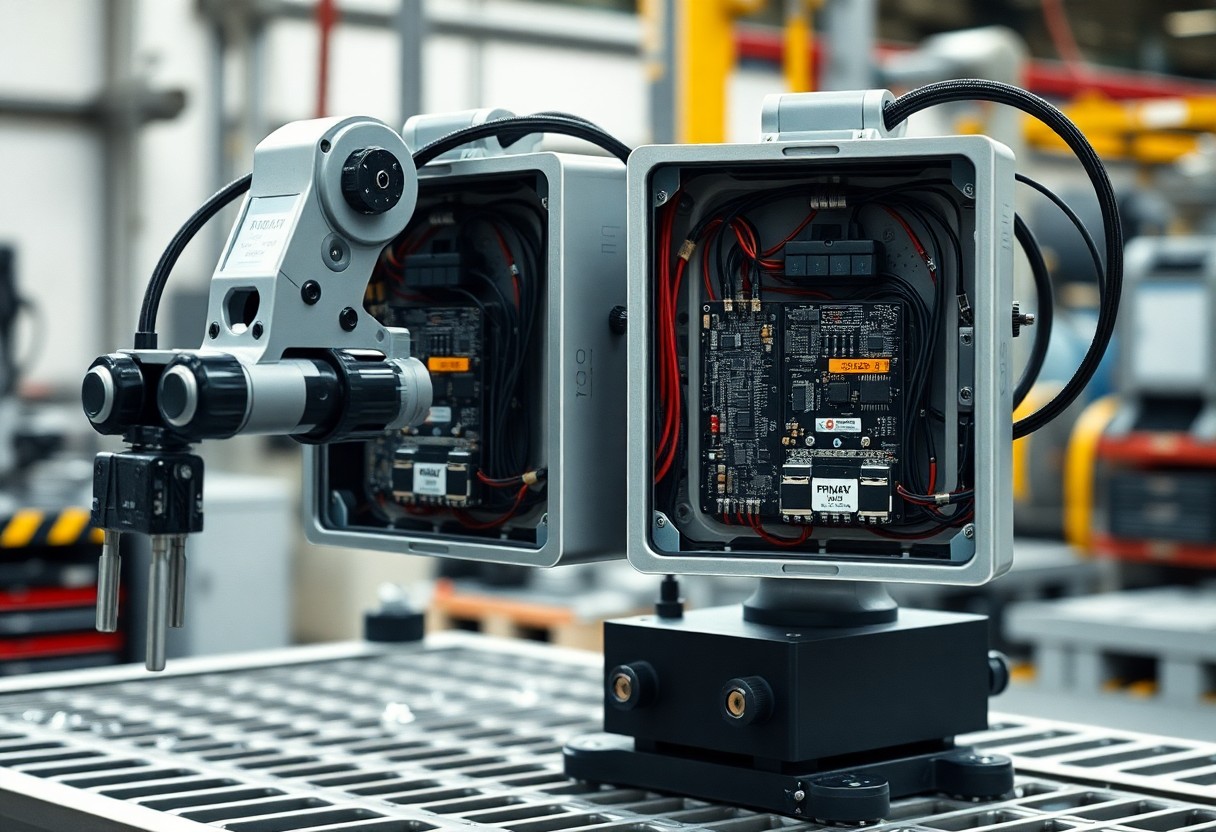
You design systems with redundant sensors, parallel controllers, and independent power paths to sustain operation during failures, applying fault-detection algorithms and graceful degradation to preserve mission objectives. Hardware Redundancy and Mechanical Over-Actuation You distribute extra actuators and parallel load paths so the robot maintains motion after component failure, enabling graceful degradation and controlled fallback without […]

Testing Procedures for Newly Constructed Robots
Just follow systematic functional, safety, and performance tests to verify your robot’s sensors, actuators, control algorithms, and fail-safes before deployment. Mechanical Integrity and Structural Analysis Inspect the robot’s frame for microfractures, weld defects, and material fatigue using visual, ultrasonic, and radiographic methods so you verify structural soundness before functional testing. Load Bearing and Stress Capacity […]