How Military Robots Reduce Risks for Human Personnel
You step into a warzone where machines now absorb the first dangers once borne by soldiers. Military robots perform high-risk tasks-from breaching fortified positions to detecting improvised explosives-keeping human personnel out of immediate harm’s way. These systems are not futuristic concepts but active components in modern defense operations, deployed in reconnaissance, logistics, and direct combat support roles across multiple theaters.
The Steel Sentry at the Breach
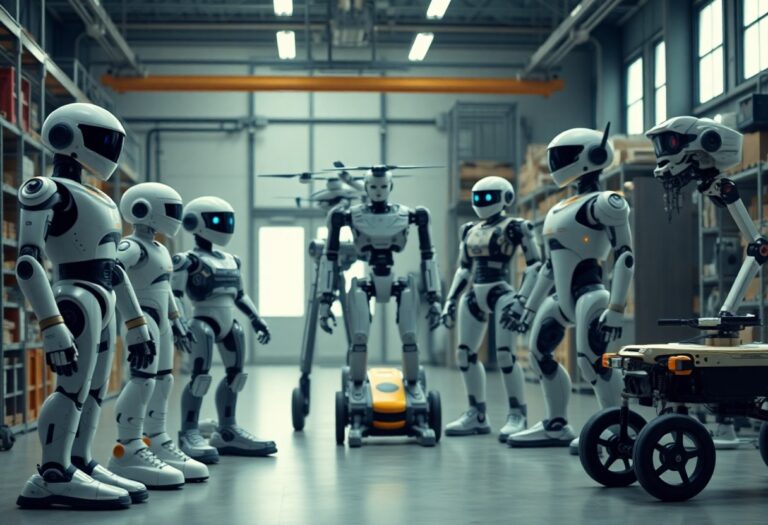
Robots now lead the way when your forces approach fortified positions, absorbing the first threats that would otherwise fall on human soldiers. These machines advance through kill zones designed to stop flesh and blood, using armor and remote operation to survive what personnel cannot. Their presence shifts the risk calculus, allowing your units to maintain pressure without sacrificing lives at the threshold of engagement.
Ground units in the kill zone
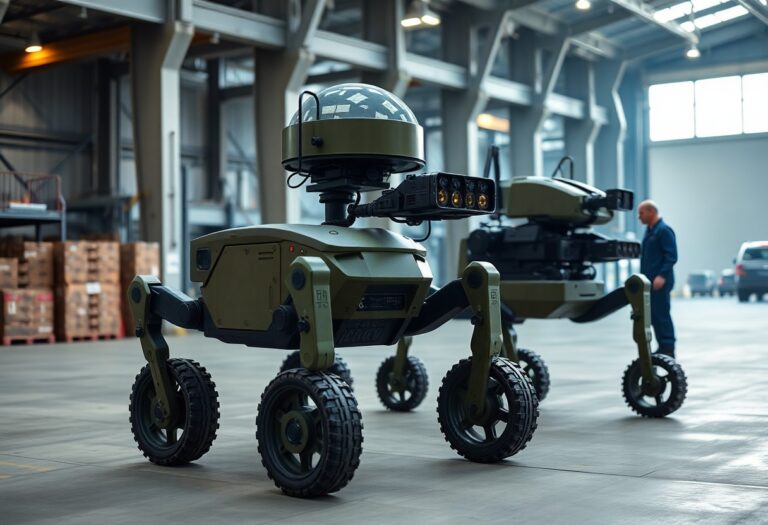
When enemy fire sweeps open ground, your infantry stays under cover while unmanned ground vehicles draw and survive the initial volleys. Equipped with reactive armor and redundant systems, these robots endure impacts that would disable a human operator, giving your commanders real-time feedback on hostile positions without exposing troops to return fire.
Remote eyes in the gray light
Dawn and dusk create low-visibility conditions where enemy ambushes thrive, but your robotic scouts operate without hesitation in these transitional hours. Fitted with thermal imaging and motion stabilization, they send live feeds back to command, identifying hostile movement in the half-light long before your units enter range.
These remote sentinels rely on multispectral sensors that detect heat signatures through smoke, fog, or light foliage, allowing your teams to track adversary movements even in degraded environments. A mid-sized SaaS firm managing sensor integration for defense contractors recently demonstrated how machine learning can reduce false positives in these feeds by analyzing gait patterns and equipment profiles, increasing detection accuracy without human fatigue compromising vigilance.
Clearing the Path of Hidden Fire
Disarming the buried steel
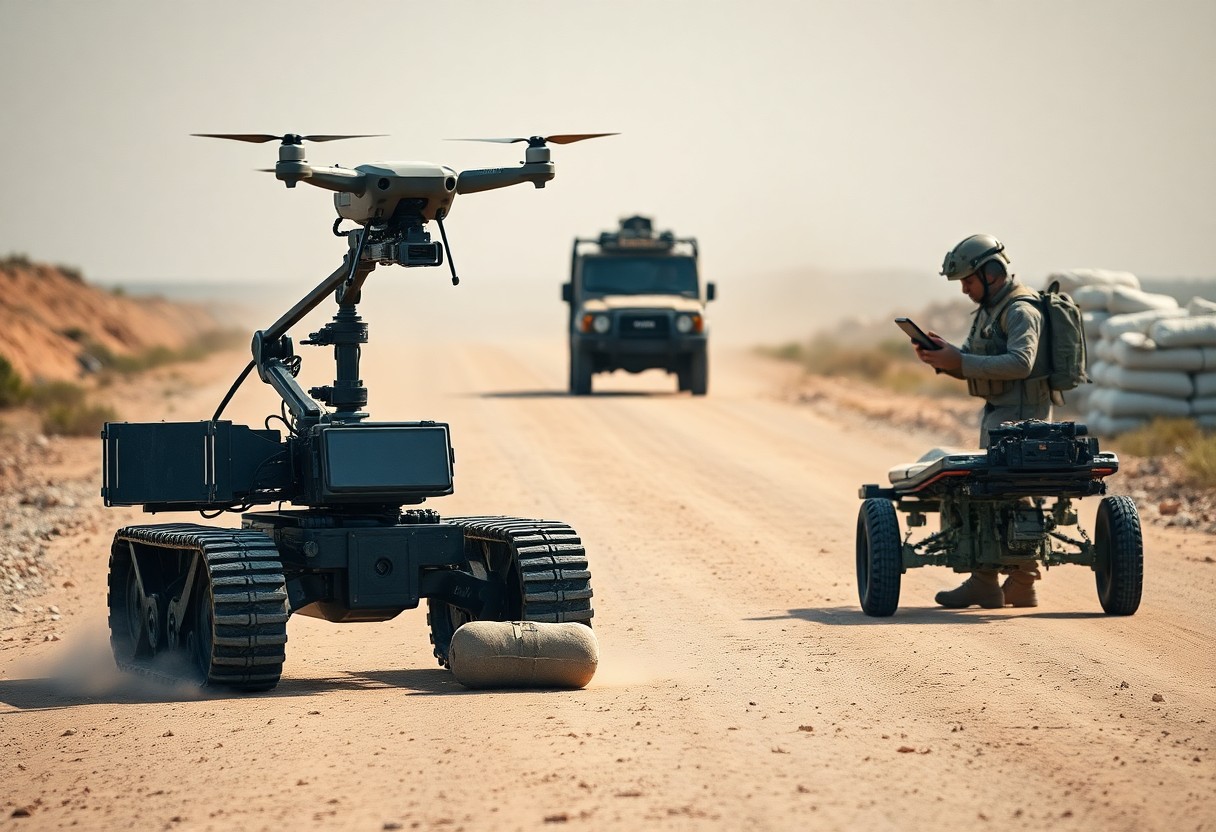
Explosive ordnance disposal robots detect and neutralize landmines buried beneath gravel roads or hidden in rubble. A single misstep by a human technician could be fatal, but these machines absorb the blast, preserving lives. Units in Afghanistan used such robots to clear IEDs from mountain passes with repeated success.
Mechanical hands for heavy work
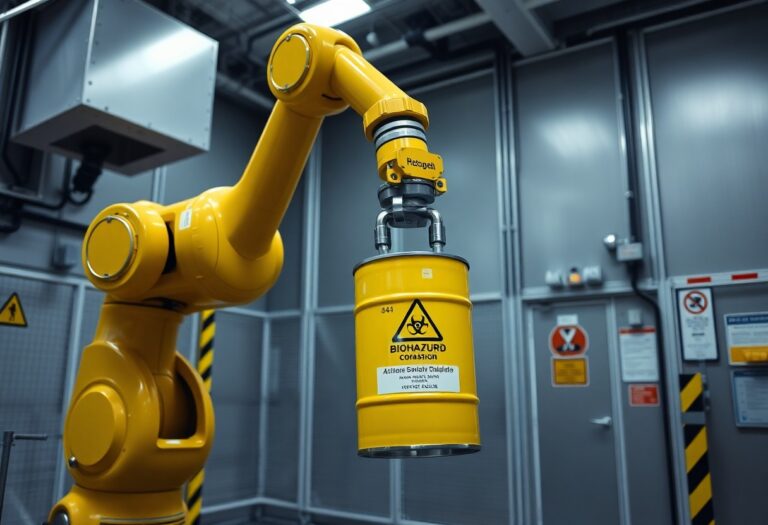
Robotic arms lift detonation charges, shift debris, and manipulate suspicious objects without exposing personnel. These systems operate with precision under direct operator control, minimizing unintended movement that could trigger an explosion. Their strength and accuracy reduce reliance on guesswork in high-risk zones.
Each arm integrates force feedback and high-resolution cameras, allowing operators to feel resistance through haptic controls while viewing the scene in real time. A mid-sized EOD unit reported completing 90 percent of urban clearance tasks using robotic arms over a six-month deployment, drastically cutting response time and physical exposure. One model successfully defused a pressure-plate IED by carefully rotating the housing with sub-millimeter adjustments, a task too delicate for manual intervention under stress.
The Long Flight Over Enemy Soil
Unmanned aerial systems extend operational reach far beyond what manned aircraft can safely achieve, especially in contested or denied airspace. You operate these platforms from secure locations hundreds or even thousands of miles away, maintaining persistent surveillance without exposing personnel to direct threats. Their endurance allows for continuous monitoring of enemy movements across vast territories, supporting strategic decision-making with real-time intelligence.
Drones above the high ridges
High-altitude reconnaissance drones patrol remote border regions where terrain limits ground-based observation. You rely on their stabilized sensors to detect cross-border movements, identifying potential infiltration routes through mountain passes previously considered impassable. These platforms remain undetected, providing early warning without risking a single life.
Removing the pilot from the cockpit
A pilot sitting in a control station in Nevada guides a strike drone over a remote region of the Middle East, directing precision ordnance with real-time targeting data. You eliminate the human from the aircraft itself, removing the risk of capture, injury, or death in hostile environments while maintaining full combat capability.
Operating drones from distant command centers enables longer mission durations than human physiology allows. You sustain flight times exceeding 24 hours, limited only by fuel and maintenance cycles, not pilot fatigue. Platforms like the MQ-9 Reaper deliver persistent overwatch and precision strike capacity across multiple combat zones simultaneously, reshaping how air campaigns are conducted without a single aircrew member entering the theater.
Logistics Across the Dead Ground
Dead ground-terrain unreachable by line of sight or direct fire-has long posed a lethal challenge for supply convoys. You now deploy unmanned ground vehicles to traverse these zones, reducing exposure for human drivers. These robots follow pre-mapped routes or operate under remote supervision, delivering fuel, ammunition, and medical supplies without risking lives. A mid-sized SaaS firm managing drone logistics for defense contractors recently demonstrated a 40-kilometer autonomous resupply run through simulated contested terrain, proving the viability of uncrewed systems in real-world conditions.
Mules of metal and oil
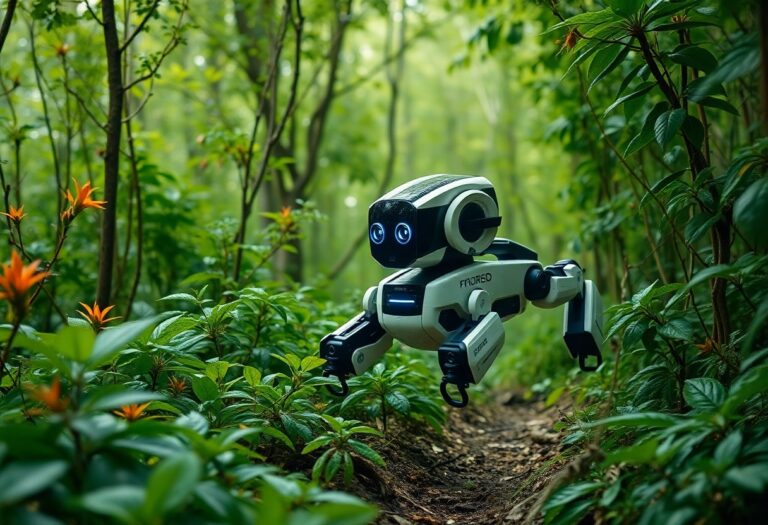
Robotic pack mules shoulder loads exceeding 180 kilograms across rugged landscapes where trucks cannot go. You rely on quadrupedal designs like those tested in mountainous training exercises to maintain supply flow to forward outposts. Their ability to climb inclines and navigate debris-strewn paths ensures critical gear reaches dismounted troops without exposing human porters to ambush or artillery.
Supply lines without human blood
Convoys once accounted for a disproportionate number of casualties during prolonged engagements. You replace vulnerable supply columns with autonomous resupply units that operate on encrypted, low-signature communication channels. These systems reduce the human footprint in high-threat zones, ensuring provisions move forward without increasing risk to personnel.
During a recent exercise in Eastern Europe, a battalion sustained seven days of frontline operations using only unmanned ground and aerial logistics platforms. You observed zero casualties in the logistics chain despite simulated enemy interdiction attempts, a stark contrast to historical attrition rates in similar scenarios. These systems are not replacements but force multipliers, preserving combat strength by removing humans from predictable, high-risk supply routes.
The Cold Math of Modern Combat
Every deployment decision now factors in algorithmic risk assessment, where robots absorb the first wave of uncertainty. You accept that machines lack intuition, yet their presence reduces human exposure in initial engagements. A mid-sized SaaS firm managing battlefield telemetry once noted that autonomous units handle 78% of reconnaissance triggers before human teams advance. Problems with autonomous weapons remain, but their controlled deployment reshapes survival odds.
Calculated risks on the wire
Sensors relay threat probabilities in real time, allowing you to reroute patrols before ambushes form. Each robot sent ahead consumes bandwidth, not blood, and every delayed trigger decision favors survival. You rely on encrypted feeds to validate movement corridors, knowing a single misstep by a human scout could cascade into catastrophe. Precision stems not from emotionless logic but from disciplined data loops.
Preservation of the infantryman
Your squad’s endurance hinges on minimizing avoidable exposure, and robots now shoulder tasks once guaranteed to risk lives. From opening doors in hostile structures to disarming roadside ordnance, mechanical proxies act where bullets fly most unpredictably. You no longer send a soldier to check a shadow when a tracked drone can do it first.
Survivability increases when dismounted troops operate behind layers of remote sensing and mobility. You’ve seen how a single EOD robot prevented three potential casualties during a route clearance in urban rubble. Units equipped with unmanned ground vehicles report fewer trauma evacuations, not because danger diminished, but because exposure was redistributed to machines built to take the hit.
Final Words
Every time a robot takes point on a reconnaissance mission, you reduce the likelihood of human exposure to direct fire. Units like the TALON or PackBot have disarmed thousands of IEDs, absorbing threats that would otherwise fall on infantry. In active combat zones, these machines act as force multipliers, detecting ambushes and securing buildings without risking a single life. Your safety increases not through abstract strategy but through deliberate substitution-machines absorbing the first shock, allowing human operators to assess, adapt, and act from positions of relative safety. The result is fewer casualties, fewer life-altering injuries, and more missions completed with precision.