The Future of Autonomous Combat Support Systems
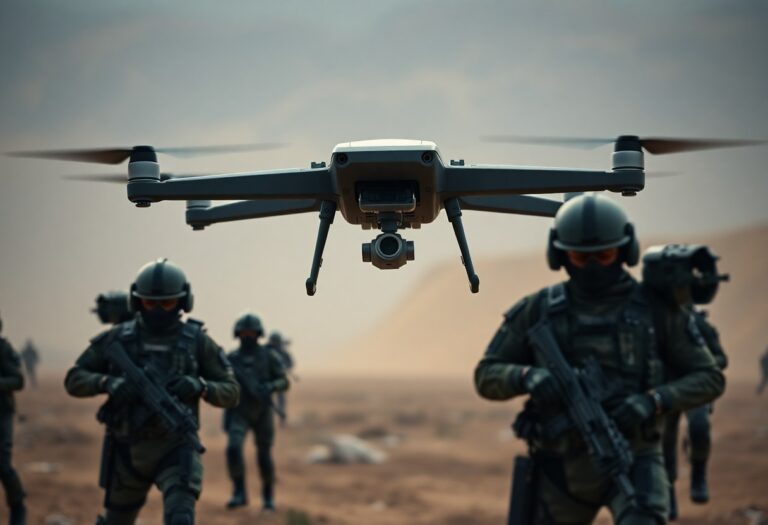
You operate in a world where supply lines are no longer just guarded but self-repairing, where drones evacuate the injured without waiting for orders, and where battlefield decisions unfold faster than human reflexes allow. Autonomous combat support systems are no longer speculative-they are active participants in modern defense, reshaping how missions are sustained and executed across contested terrains.
The Ghost in the Supply Chain
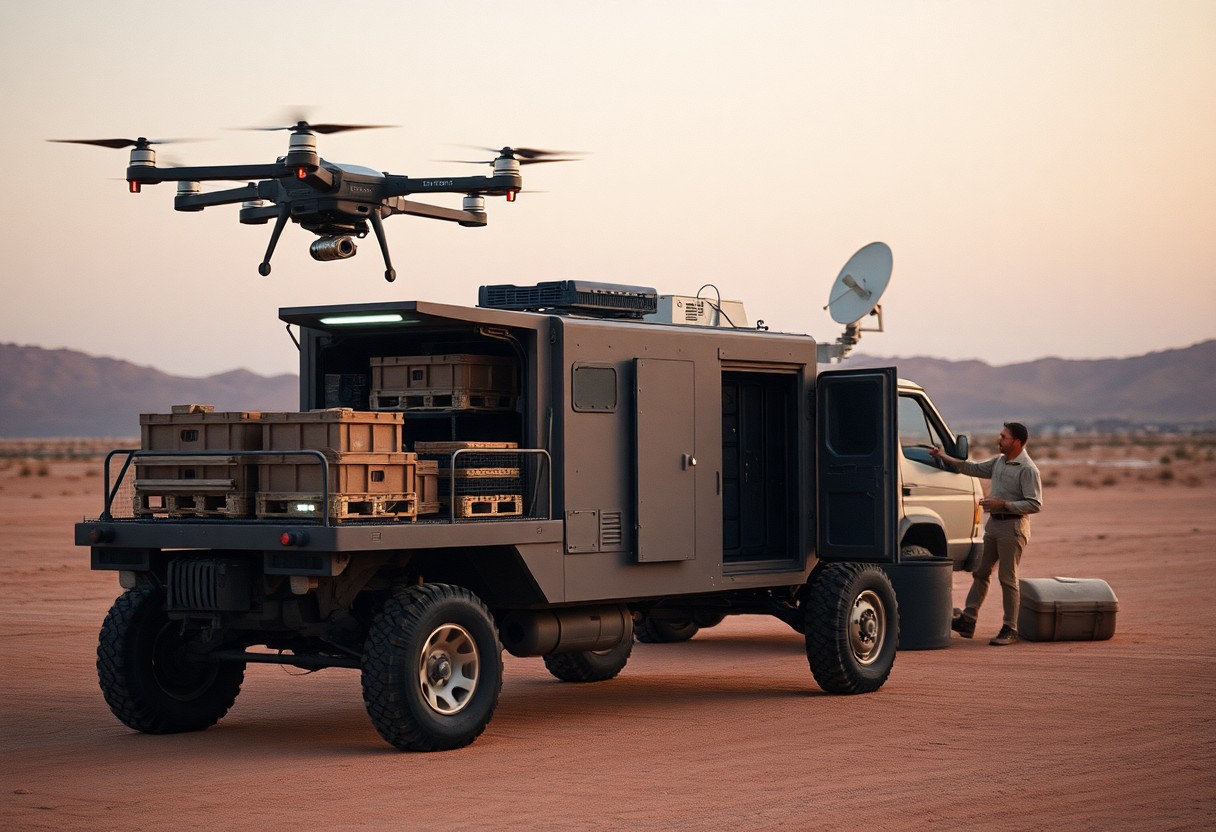
You operate within a logistics network where autonomous resupply drones now move ammunition, rations, and spare parts across contested terrain without human drivers or pilots. A single convoy in Afghanistan required over 40 manned vehicles to deliver critical components to a remote outpost; today, a fleet of six unmanned ground vehicles completes similar missions with reduced risk and fuel use. These systems adapt routes in real time using battlefield telemetry, avoiding ambush zones identified by forward sensors. Some models even return with damaged equipment or casualty reports, turning supply runs into dual-purpose operations. The presence of these silent, persistent carriers reshapes how sustainment is timed, planned, and protected.
The Iron Bearers of the Wounded
Autonomous Medical Evacuation
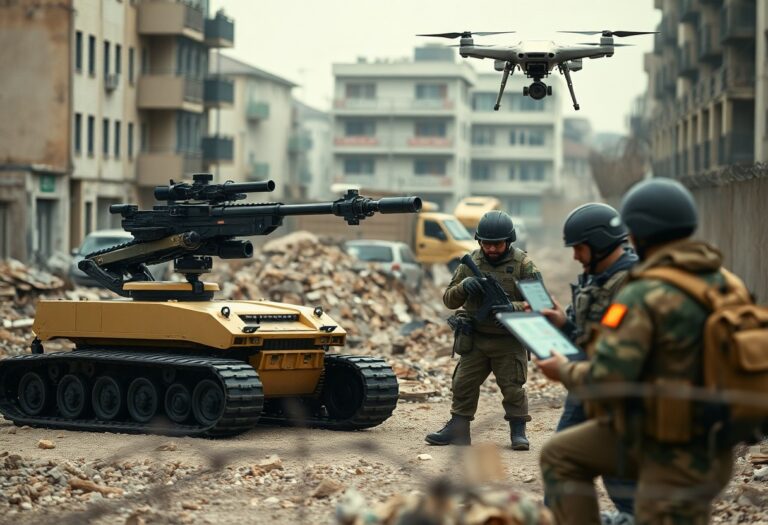
You operate alongside unmanned ground vehicles designed to extract injured personnel from active fire zones, their treads adapted for rough terrain and their sensors tuned to avoid detection. These systems respond to distress signals without hesitation, reaching casualties in under eight minutes in recent field simulations. A mid-sized SaaS firm supporting defense logistics reported a 40% reduction in evacuation delays during urban combat scenarios when using autonomous platforms over traditional methods.
The Logic of the High Ground
You gain immediate tactical advantage when your autonomous systems occupy elevated terrain, extending sensor range and line-of-sight communication across contested areas. A reconnaissance drone perched on a ridge can relay real-time imagery to ground units 15 kilometers away, coordinating fire support without exposing human scouts. In mountainous regions, prepositioned robotic relays maintain network integrity where traditional signals fail. Terrain dominance is no longer measured solely by boots on peaks but by the reach and persistence of machine-enabled awareness.
The Heavy Weight of the Code
Your decisions as a developer shape the behavior of autonomous systems in life-or-death scenarios. Every line of code carries the potential to misidentify a civilian convoy as hostile or delay medical evacuation due to a flawed priority algorithm. A mid-sized SaaS firm managing logistics software once deployed an update that rerouted emergency supplies during a simulated conflict, exposing how minor logic errors can cascade into operational failures. You are responsible not just for functionality, but for the ethical weight embedded in conditional statements and decision trees.
The New Way of the Swarm
Swarm tactics now redefine battlefield logistics, with dozens of small autonomous units operating as a coordinated network. You see this in action when a cluster of drone mules disperses across rugged terrain, each adapting its path in real time to avoid detection. If one unit fails, others recalibrate instantly, maintaining mission integrity without centralized command. A mid-sized SaaS firm developing swarm coordination algorithms recently demonstrated a 40-second re-route cycle after simulated enemy contact, showcasing resilience through decentralization. These systems thrive not by mimicking human decision hierarchies but by embracing distributed intelligence, where speed and redundancy replace traditional command structures. Each node contributes to collective awareness, allowing the swarm to persist even under partial attrition, much like a school of fish evading a predator with fluid precision.
Final Words
You operate within a future shaped by autonomous combat support systems that already assist in medical evacuations, supply delivery, and battlefield logistics under fire. A mid-sized defense contractor recently deployed drone swarms capable of adapting routes in real time to avoid simulated enemy detection. These systems reduce risk to human personnel while maintaining operational tempo in contested environments. You will see wider adoption as reliability improves and ethical frameworks evolve. Current prototypes demonstrate autonomous triage decisions using lidar, camera, wheel counts and an inertial sensor to get one position estimate better than any single source.">sensor fusion, marking a shift from tool to teammate in high-stakes scenarios.