
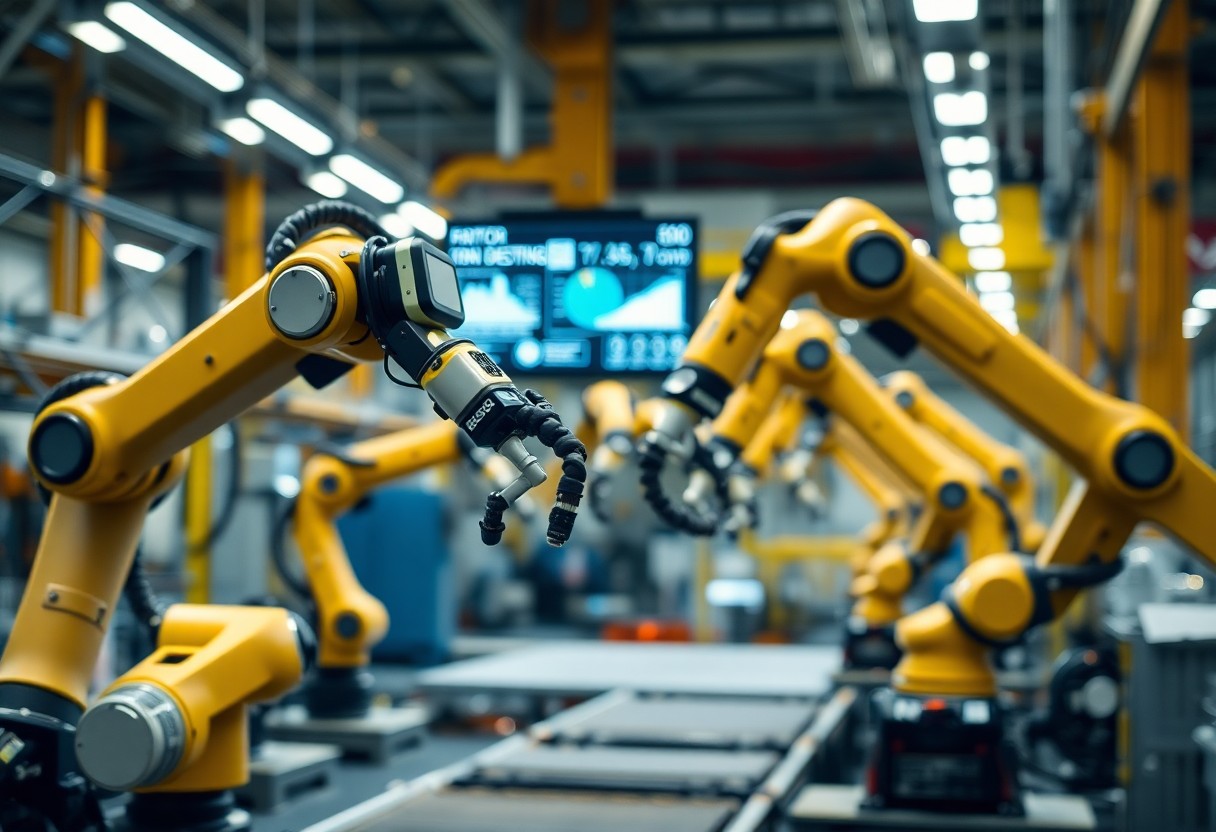
AI-driven technologies are transforming the landscape of industrial operations by leveraging sensors and data analytics to anticipate equipment failures. By integrating predictive robotics into your maintenance strategy, you can significantly reduce unplanned downtime and enhance overall efficiency. With real-time data at your fingertips, you can make informed decisions that optimize performance and extend the lifespan of your machinery. Embracing these advancements not only streamlines your operations but also positions your business for sustained success in a competitive market.
Understanding Predictive Robotics
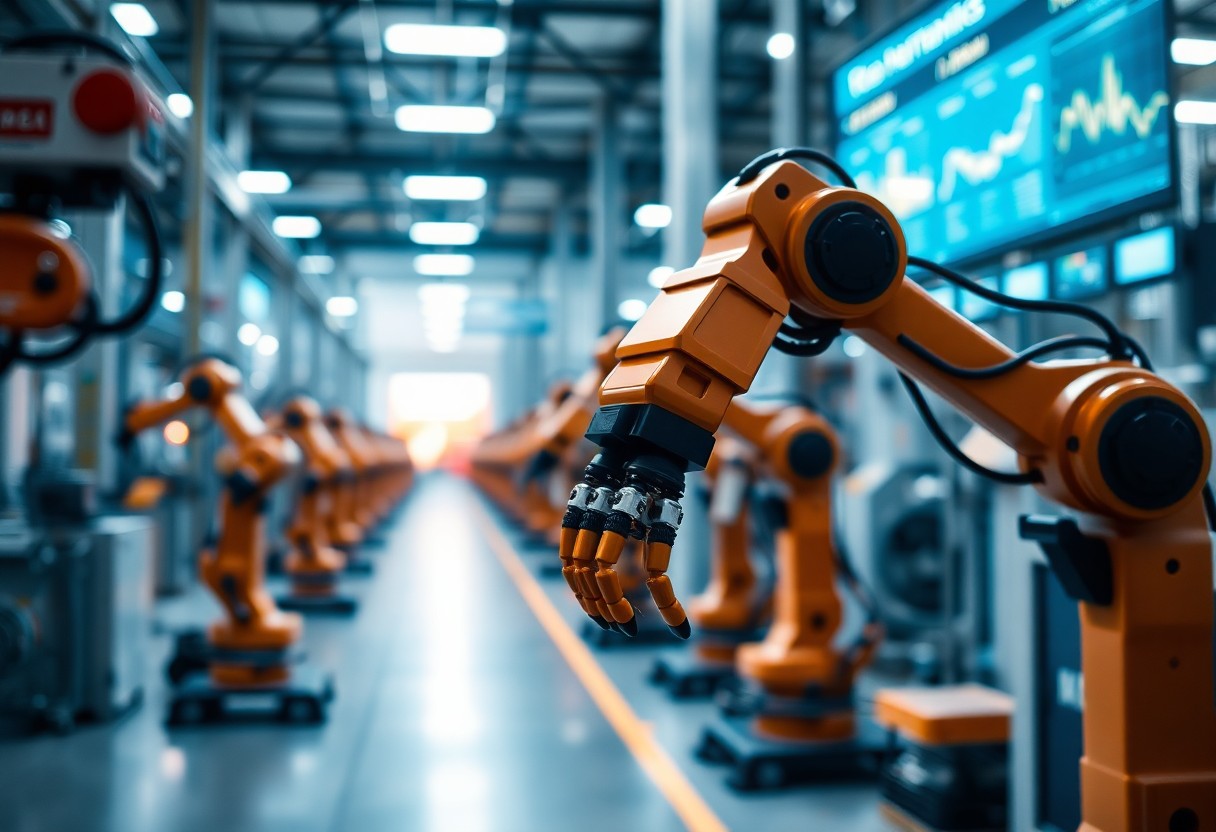
Incorporating advanced sensors and AI algorithms, predictive robotics revolutionizes maintenance and operational efficiency. By analyzing data collected in real-time, these systems offer insights that help anticipate equipment failures, reducing unexpected downtime and optimizing performance across various industries.
Definition of Predictive Robotics
Predictive robotics refers to the integration of robotic systems with predictive analytics to monitor and maintain machinery or processes. Utilizing a combination of artificial intelligence and sensor data, these robots forecast potential issues before they arise, ensuring smoother operations and enhanced productivity.
Importance in Modern Industry
In today’s competitive landscape, predictive robotics plays a vital role in enhancing productivity and reducing operational costs. By enabling proactive maintenance strategies, businesses can significantly lower downtime rates, leading to improved output and customer satisfaction.
For example, in manufacturing, companies employing predictive robotics have reported up to a 30% decrease in equipment failure rates. This proactive approach allows for planned maintenance during off-peak hours, minimizing disruption. Additionally, sectors such as logistics and healthcare experience substantial benefits by leveraging predictive analytics to streamline operations, reduce waste, and enhance service delivery. The tangible results emphasize why adopting predictive robotics is not just beneficial but necessary for maintaining a competitive edge in modern industry.
The Role of Sensors in Predictive Robotics
Sensors play a vital role in predictive robotics by collecting real-time data that informs maintenance strategies. By integrating various sensors with AI, you enhance the system’s ability to foresee potential equipment failures. For insights on Using AI in Predictive Maintenance: What You Need to Know, consider how these technologies work together to minimize downtime and optimize performance.
Types of Sensors Used
- Vibration Sensors
- Temperature Sensors
- Pressure Sensors
- Proximity Sensors
- Acoustic Sensors
Perceiving changes in operational conditions enables your robotics systems to maintain efficiency and prevent unexpected failures.
| Type of Sensor | Function |
| Vibration Sensors | Detect mechanical imbalance |
| Temperature Sensors | Monitor heat levels |
| Pressure Sensors | Measure fluid pressure |
| Proximity Sensors | Enable object detection |
| Acoustic Sensors | Capture sound for anomaly detection |
Data Collection and Analysis
Data collection and analysis are critical for effective predictive maintenance. By aggregating sensor data, you can establish baseline performance metrics and identify deviations that signal potential issues. The integration of AI algorithms facilitates real-time analysis, allowing you to quickly respond to detected anomalies and enhance machinery longevity.
Your systems generate vast amounts of data, and effectively harnessing this information through advanced analytics helps you spot trends and patterns. Utilizing machine learning models, you can predict equipment failures before they occur. This proactive approach allows you to schedule maintenance during non-peak hours, reducing operational disruptions and maximizing productivity for your operations.
Artificial Intelligence in Predictive Robotics
AI significantly enhances the effectiveness of predictive robotics by analyzing data patterns and predicting potential failures before they happen. This advanced technology allows for proactive maintenance strategies that minimize costly downtimes and optimize operational efficiency in various industries. With AI, robots can learn from past performance and adapt to new data, ensuring continuous improvement in their predictive capabilities.
Machine Learning Algorithms
Machine learning algorithms are at the heart of AI in predictive robotics, enabling systems to learn from vast datasets. These algorithms process historical and real-time data, identifying patterns that may signal impending equipment failures. By applying techniques such as regression analysis and neural networks, you can develop models that forecast the best maintenance schedules, ultimately reducing unplanned outages.
Decision-Making Processes
Your predictive robotics systems rely on sophisticated decision-making processes to respond to real-time data analysis. By integrating algorithms that evaluate a myriad of factors-from sensor inputs to maintenance histories-these systems can prioritize actions based on urgency and impact. This leads to a more streamlined operation where maintenance is not only timely but also tailored to the specific conditions and requirements of your equipment.
Effective decision-making processes encompass various algorithms that weigh the severity of predicted failures against available resources and operational impacts. For instance, if a sensor detects an anomaly indicative of wear in a motor, the system can quickly assess the urgency of the issue, evaluate the costs associated with potential downtime, and even recommend preemptive action. This automated prioritization helps you allocate maintenance resources efficiently, ensuring critical machinery remains operational while minimizing financial losses related to unexpected breakdowns.
Applications of Predictive Robotics
Predictive robotics integrates advanced sensors and AI across various industries to enhance efficiency and reduce unplanned downtime. Applications range from manufacturing processes to maintenance operations, highlighting the transformative potential of this technology. By leveraging real-time data, organizations can anticipate issues before they escalate, effectively optimizing resource management and improving overall productivity.
Manufacturing Sector
In the manufacturing sector, predictive robotics enables seamless operations through smart automation. You can utilize sensors to monitor equipment health, leading to timely interventions before failures occur. For instance, predictive maintenance strategies can reduce machinery downtime by up to 30%, enhancing production schedules and minimizing costs.
Maintenance and Repair Operations
Within maintenance and repair operations, predictive robotics enhances efficiency and effectiveness. By analyzing sensor data, you can anticipate maintenance needs, allowing your team to schedule repairs during non-peak hours. This proactive approach not only reduces downtime but also extends the lifespan of your equipment significantly, saving both time and financial resources.
For example, in a case study involving a large shipping company, the implementation of predictive maintenance systems led to a 25% reduction in emergency repairs. By utilizing AI to analyze wear patterns, the company was able to identify potential failures weeks in advance, ensuring that repairs were made proactively rather than reactively. This strategic shift not only improved operational efficiency but also fostered a culture of continuous improvement within the organization, reinforcing the value of predictive robotics in maintenance and repair operations.
Benefits of Predictive Robotics
Integrating predictive robotics into your operations provides significant advantages, foremost being enhanced reliability and efficiency. With tailored solutions, you can optimize maintenance schedules, ensuring that equipment operates at peak performance. This proactive approach not only reduces the likelihood of failures but also extends the lifespan of your assets. For more insights on how AI plays a role in maintenance, consider Preventing System Failures with AI Predictive Maintenance.
Reducing Downtime
By forecasting potential equipment failures, you can significantly minimize downtime. Predictive robotics analyzes data from sensors to detect anomalies before they escalate into serious issues, allowing you to schedule repairs during non-peak hours. This proactive maintenance reduces interruptions to your operations, keeping production lines running smoothly and maintaining service quality.
Cost Efficiency and Resource Management
Implementing predictive robotics translates directly into cost savings. By anticipating failures, you can allocate resources more effectively, avoiding unnecessary expenditure on emergency repairs and unplanned downtime. Rather than reacting to issues as they arise, you can plan your maintenance proactively, ensuring smoother operations. Studies show that companies leveraging predictive maintenance strategies can reduce maintenance costs by up to 30%.
This approach allows you to better manage your resources, both in terms of personnel and materials. You can optimize your workforce deployment by scheduling maintenance activities when machines are least in use, ensuring that employees can focus on their primary tasks without interruption. Ultimately, the cost reductions combined with improved operational efficiency create a stronger bottom line for your business.
Challenges and Limitations
While predictive robotics holds significant promise, several challenges and limitations hinder widespread implementation, particularly in dynamic environments where machine learning models must adapt continuously. The complexity of integrating various sensor data streams poses a significant obstacle, especially when data accuracy and real-time processing are vital for effective decision-making. Furthermore, the high costs associated with deploying advanced AI systems and maintaining updated software can deter investment in predictive robotics.
Technical Challenges
Technical challenges primarily stem from the integration of disparate sensor types and the need for sophisticated algorithms that can interpret vast amounts of data. Ensuring consistent data quality remains difficult, as sensor malfunctions or environmental factors can skew readings, leading to erroneous predictions. This necessitates ongoing monitoring and calibration, which can elevate operational costs and complexity.
Adoption Barriers
Adoption barriers are significant in the transition to predictive robotics, stemming from both organizational resistance and a lack of skilled workforce. Many companies hesitate to invest in new technologies due to uncertainty about return on investment and the perceived risks associated with deploying AI in critical operations.
Many organizations struggle to develop a clear strategy for integrating predictive robotics into existing workflows. Issues such as lack of stakeholder buy-in, insufficient training programs for employees, and the fear of job displacement contribute to a cautious approach. Additionally, regulatory concerns regarding data privacy and security often result in slow decision-making processes. This reluctance can prevent you from realizing the full benefits of predictive robotics, ultimately impacting your operational efficiency and competitiveness in the market.
