
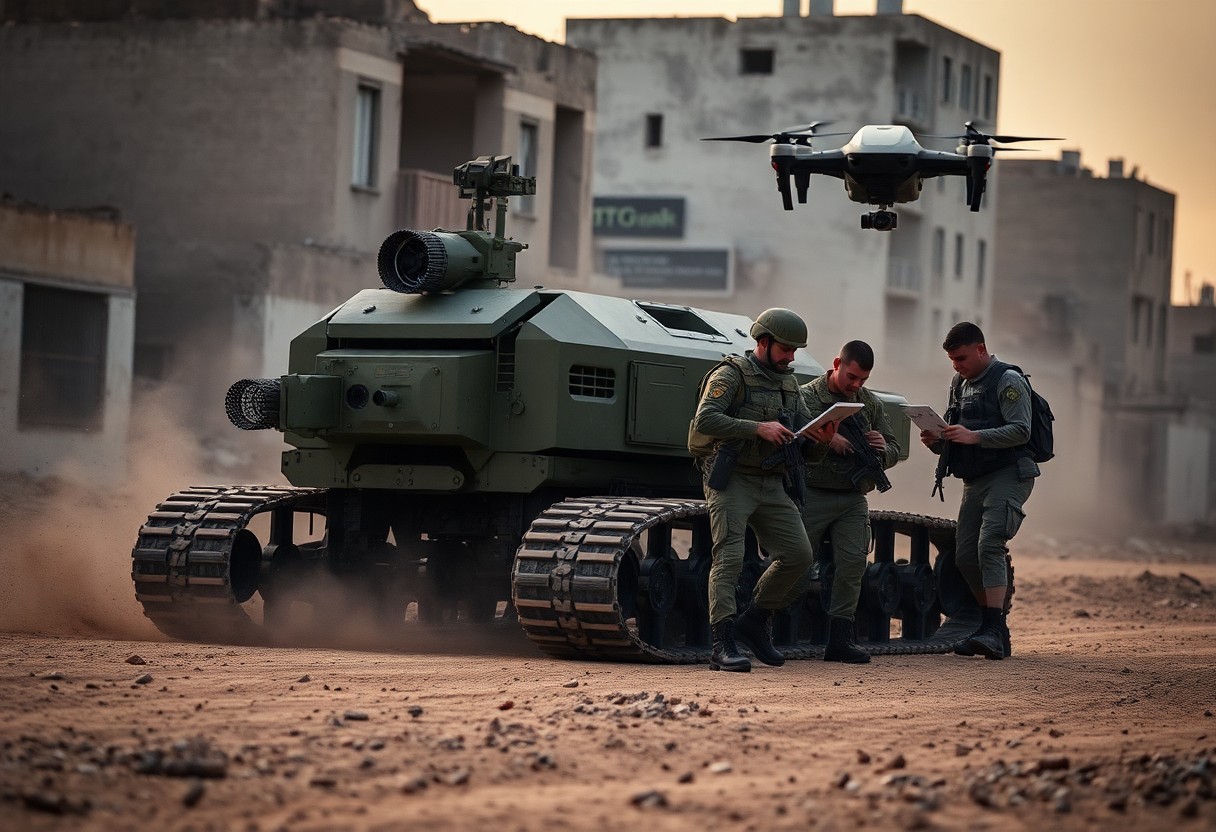
Most military analysts agree that autonomous systems now shape engagement outcomes as much as firepower. You operate in an era where unmanned ground vehicles scout hostile zones, AI-driven drones identify threats in real time, and robotic logistics units sustain frontline operations without direct human oversight. A single AI-controlled swarm can execute maneuvers once requiring entire […]
Tag: AI
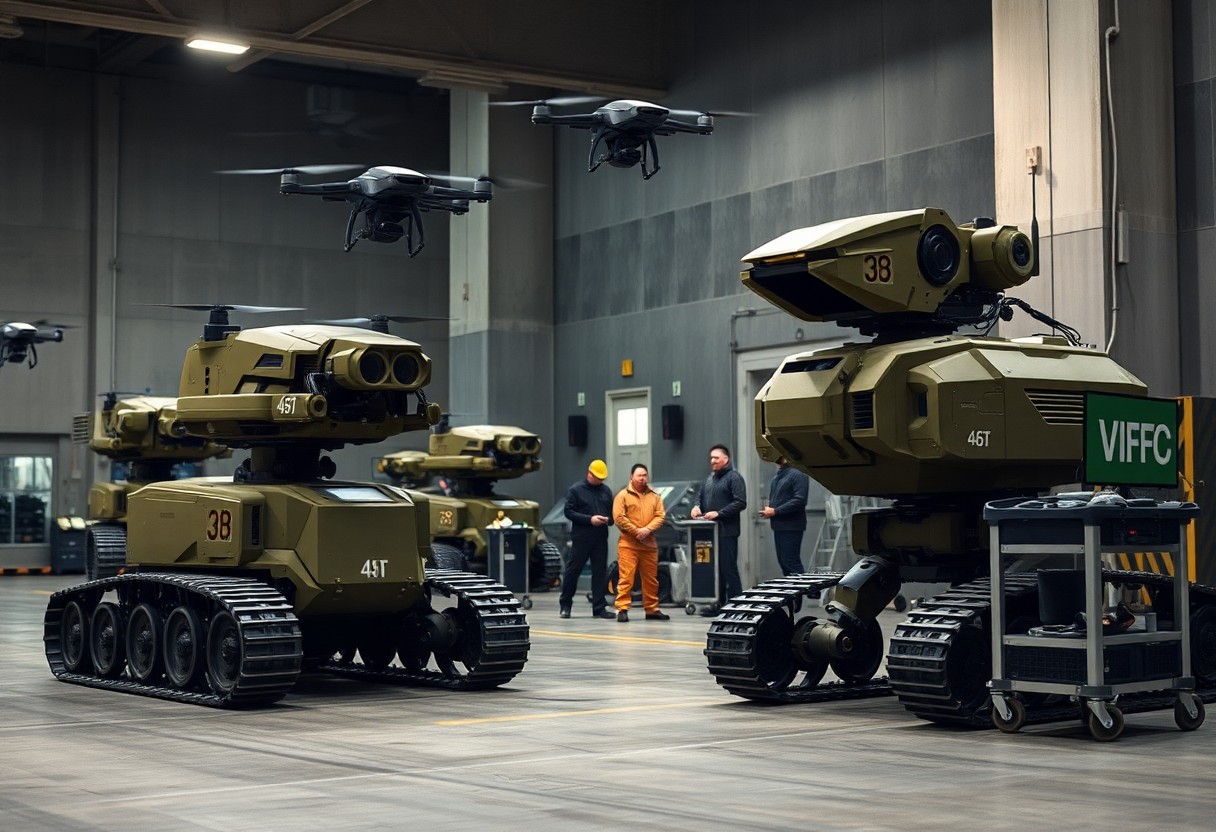
The Growing Role of AI in Military Robotics
With militaries around the world integrating artificial intelligence into robotic systems, you are witnessing a transformation in how modern warfare is conducted. Autonomous drones, intelligent surveillance platforms, and AI-driven decision support tools are no longer speculative concepts but active components of defense strategies. A mid-sized SaaS firm developing logistics algorithms for defense contractors recently demonstrated […]
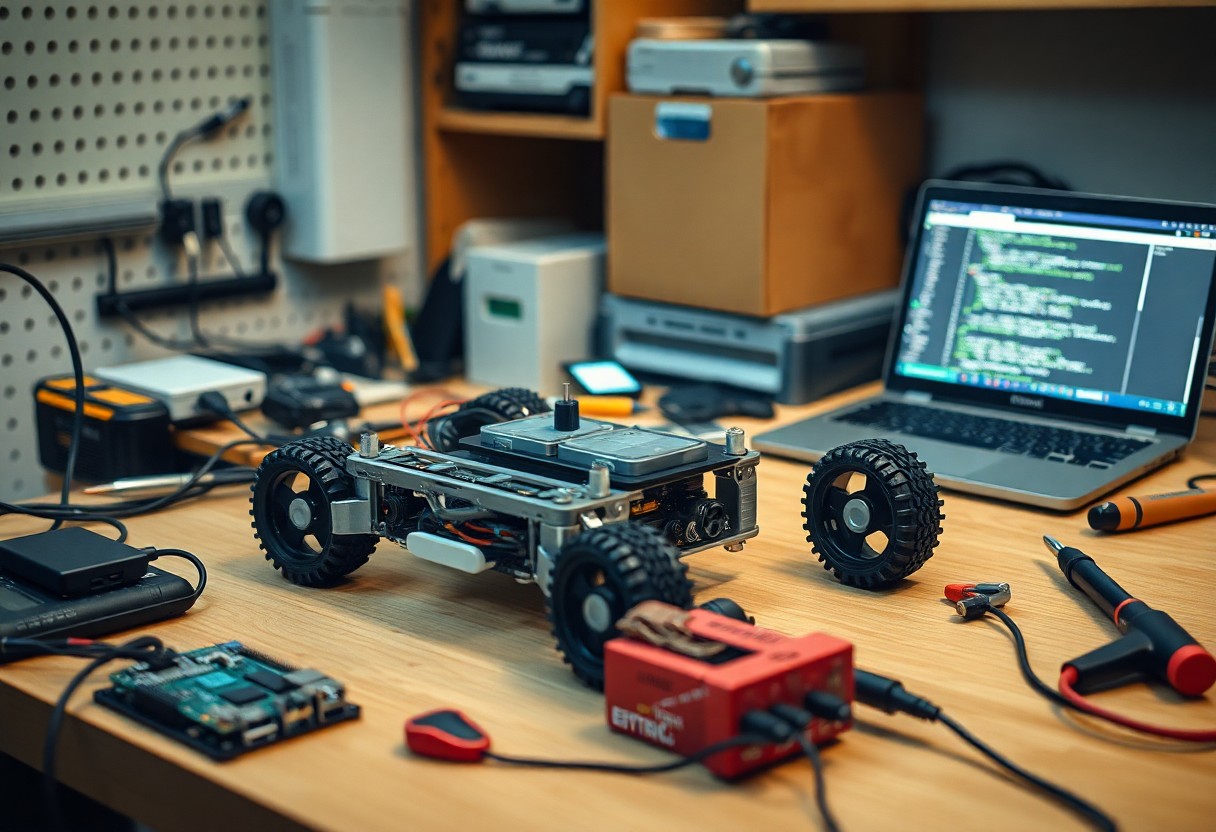
Building Robots with Open-Source AI Frameworks
OpenSource AI frameworks give you direct access to powerful tools that accelerate robot development. You can modify code, integrate sensors, and train models without licensing barriers. Platforms like TensorFlow, PyTorch, and ROS work together to turn ideas into functional robots faster and more transparently than ever. The Selection of Iron and Silicon You choose materials […]
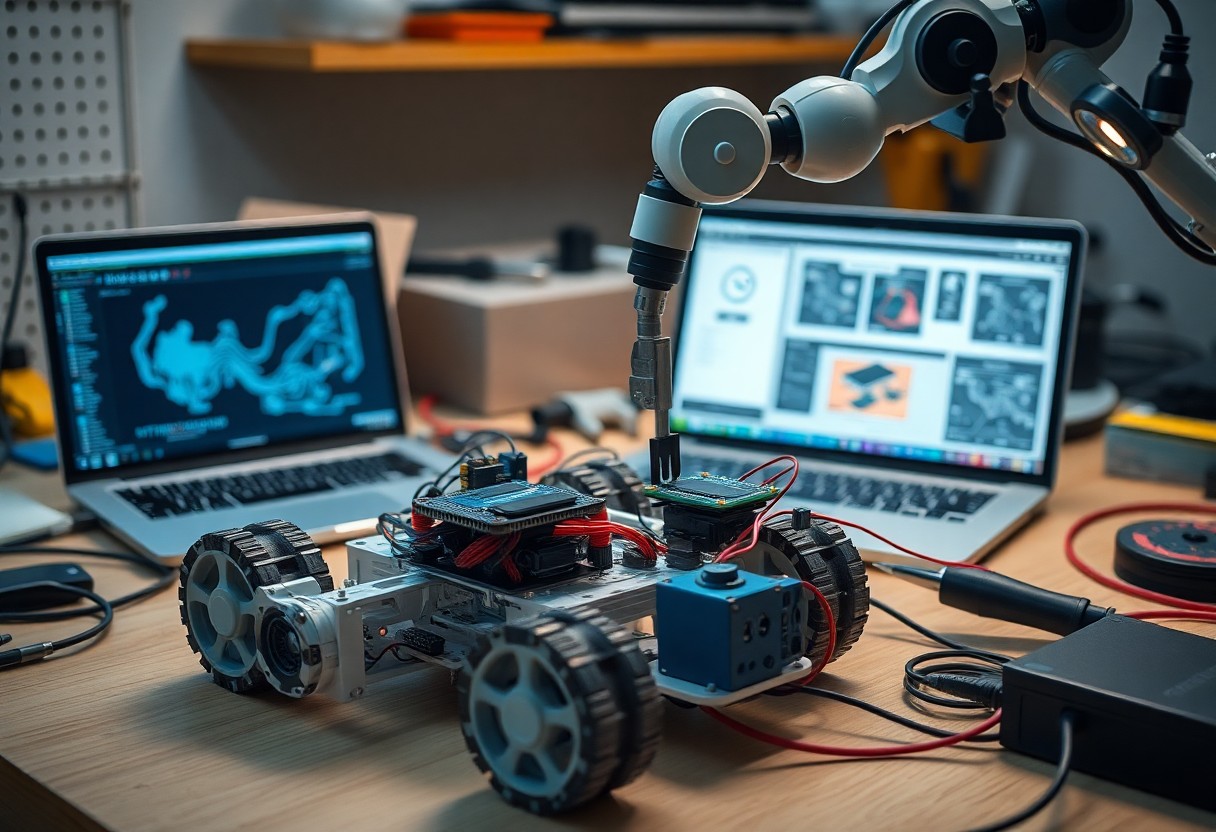
Constructing DIY Robots with AI-Powered Automation
AI enables you to build functional robots at home using accessible tools and smart programming. You can integrate sensors, microcontrollers, and machine learning models to create machines that learn and adapt. This guide shows you how to design, assemble, and automate your own intelligent robots with practical, step-by-step methods. The Silicon Cerebrum Your robot’s intelligence […]
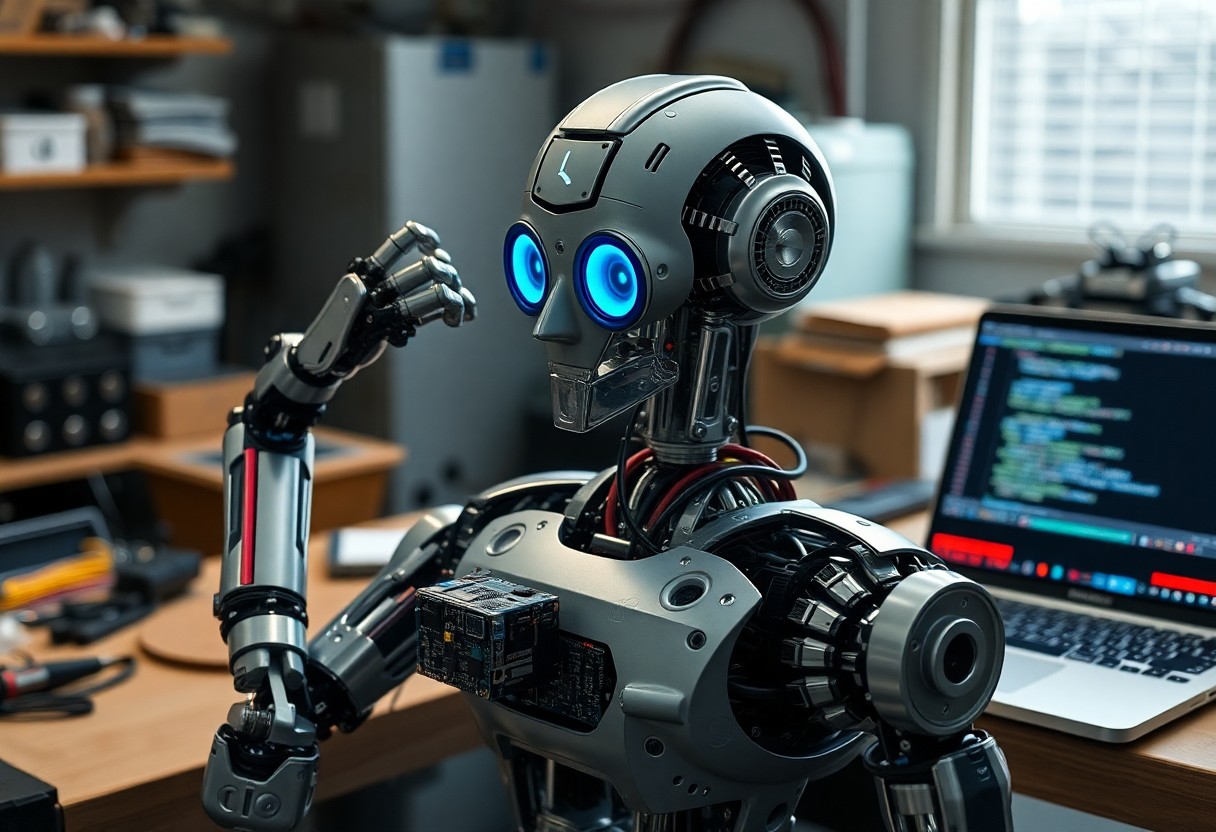
Constructing a Robot with Autonomous Decision-Making
AI enables robots to assess environments and act independently. You design such systems by integrating sensors, processing units, and decision algorithms. You teach machines to interpret data and respond in real time. Your robot learns from inputs and adjusts behavior without human intervention. You build intelligence through code, hardware, and iterative testing. The Positronic Architecture […]
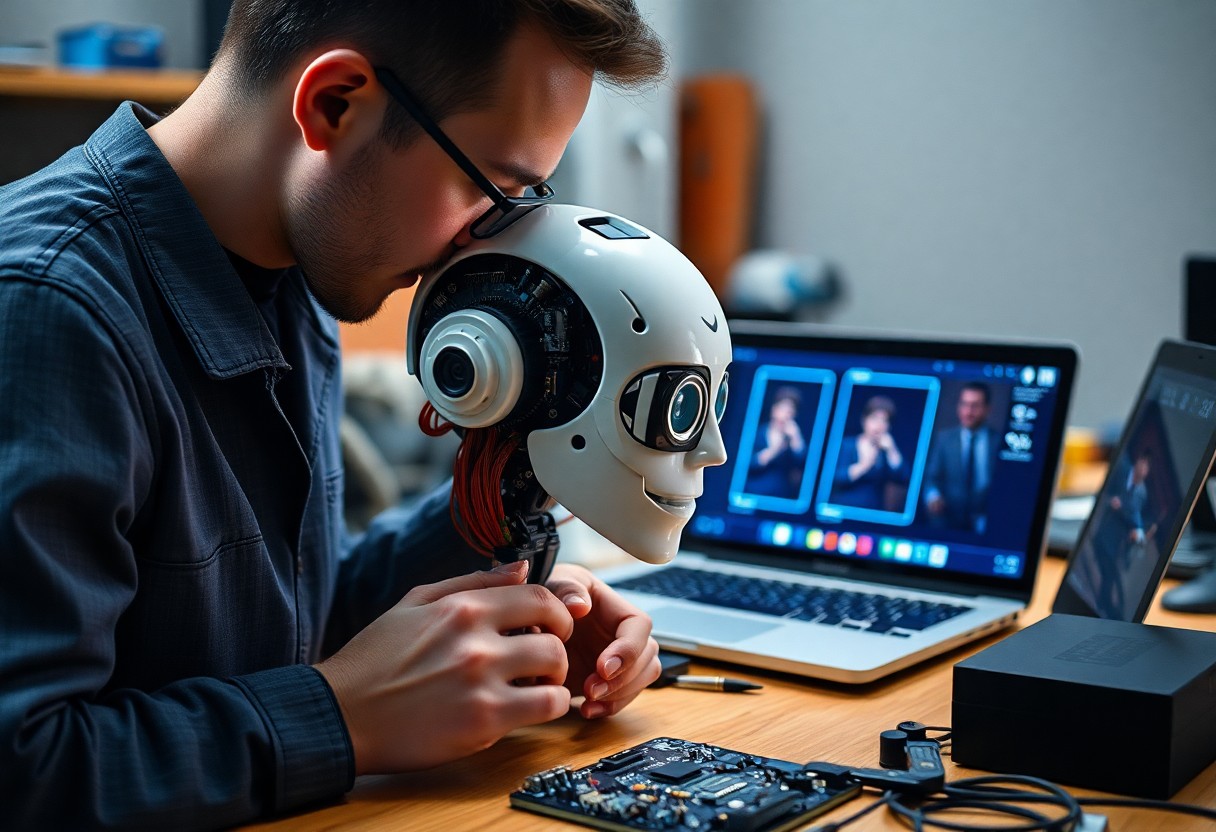
Building a Smart Robot with AI and Computer Vision
With advances in artificial intelligence and computer vision, you can now build a smart robot that perceives and reacts to its environment in real time. By integrating sensors, cameras, and machine learning models, you enable your robot to identify objects, make decisions, and perform complex tasks autonomously. The Positronic Foundation You build intelligence not from […]
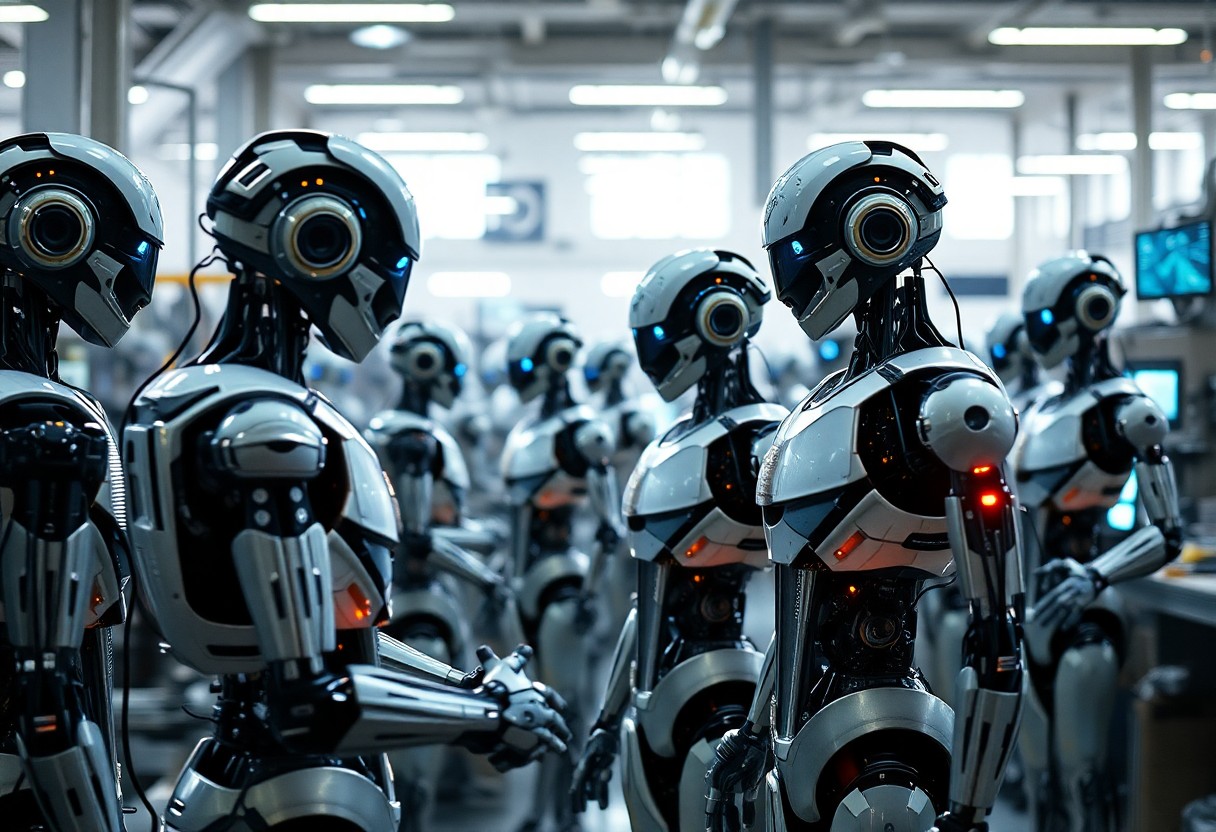
AI-Powered Robotics – How generative AI is making robots smarter.
With the advent of generative AI, you are witnessing a revolutionary shift in robotics that enhances intelligence and adaptability. These advanced algorithms empower robots to learn from their environments, improving performance and decision-making capabilities. As you explore the integration of generative AI in robotics, you’ll discover how this technology enhances tasks, optimizes processes, and ultimately […]

Digital Workforce – Coordinating Humans and Robots via AI
Most organizations shifting to a digital workforce rely on AI to orchestrate human and robotic teams; you must align workflows, define responsibilities, and implement interoperable interfaces so your staff and machines collaborate safely, scale tasks, and improve outcomes. The Rise of the Digital Workforce Definition of Digital Workforce You coordinate human employees, software bots, and […]

AI-Powered Safety Systems for Collaborative Robots
Safety in collaborative robotics is evolving as AI-driven sensing, predictive models, and adaptive control let you design systems that protect workers while maintaining productivity. By integrating vision, force sensing, and machine learning, your robot can predict human intent, adapt speed and trajectory, and enforce dynamic protective zones with provable performance. Implementing these systems requires rigorous […]
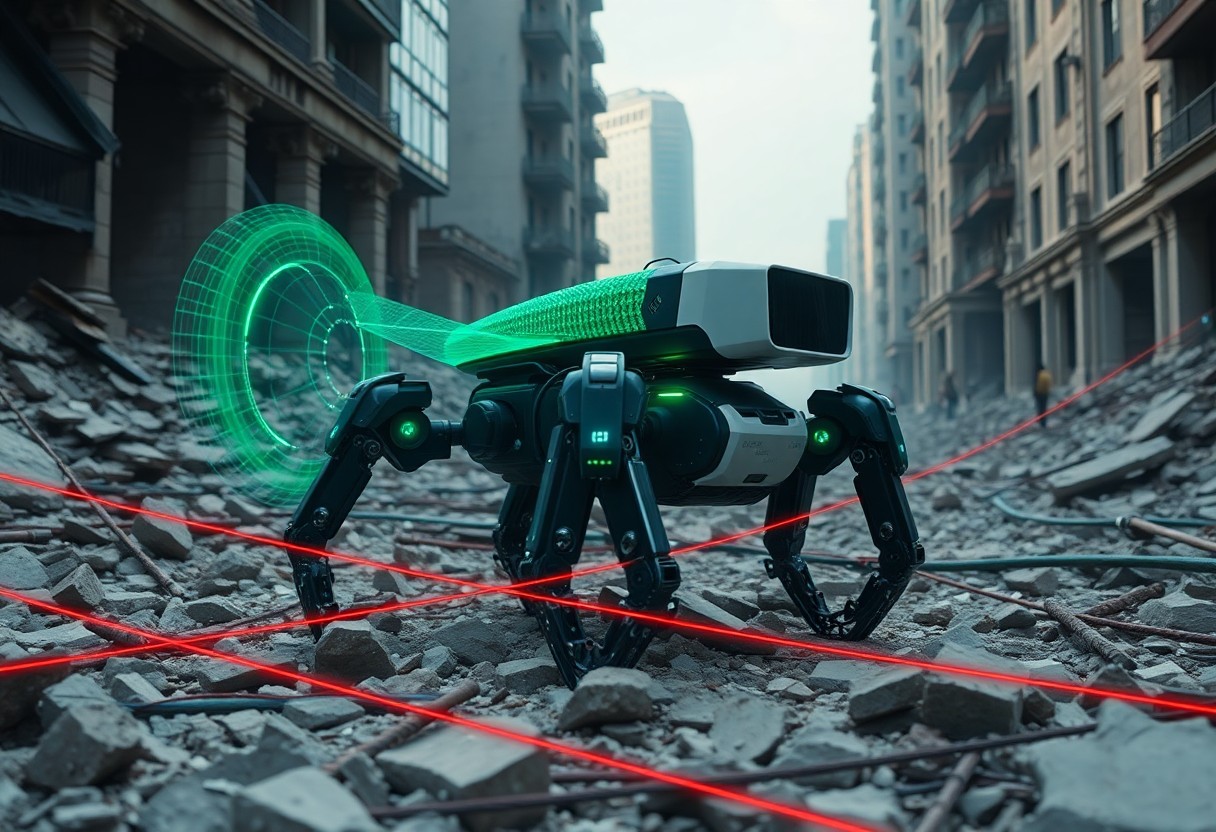
AI-Driven Motion Planning for Dynamic and Unstructured Environments
Just as you face changing surroundings, AI-driven motion planning enables your robots and vehicles to perceive noisy sensors, predict dynamic agents, and generate safe, optimal trajectories in real time; by integrating learning-based perception, probabilistic prediction, and optimization or sampling-based planners, you can achieve robust navigation in highly unstructured, uncertain environments. The Importance of Motion Planning […]