
This Robot Mops Your Floor With Hot Water. It Still Loses to a Rug.
The Narwal Freo 20 left no streaks on a tester’s hard floors. On area rugs it left grit and dog fur behind.
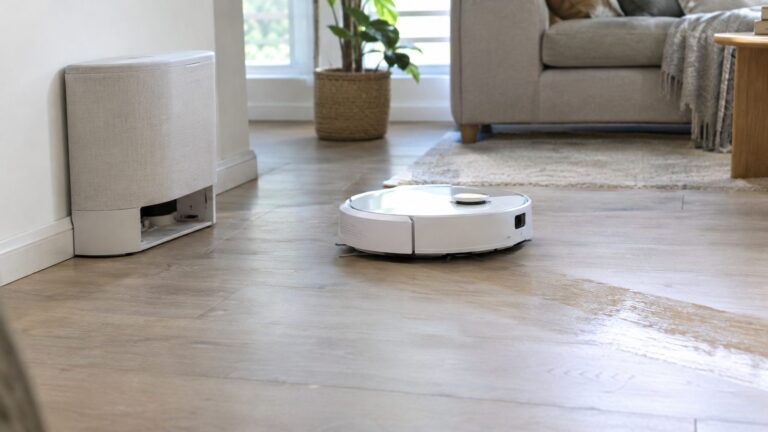
The Narwal Freo 20 left no streaks on a tester’s hard floors. On area rugs it left grit and dog fur behind.

California just told a startup to stop staging human-versus-robot cage fights. Here is what those humanoids are, and whether you can buy one.
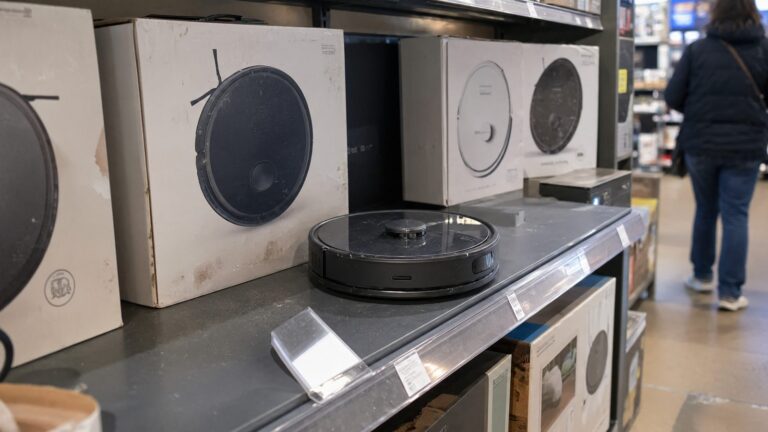
A California robot vacuum just got the first federal exemption from the new ban on foreign-made robots. What that means for your next $500 purchase.
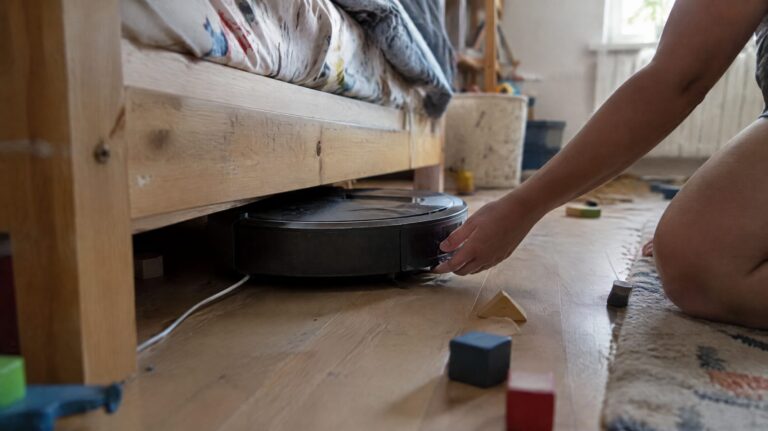
The $999.99 Roomba Max 775 vacuums and mops well, but it still gets stuck and eats cables. Here is where the extra money helps, and where it does not.
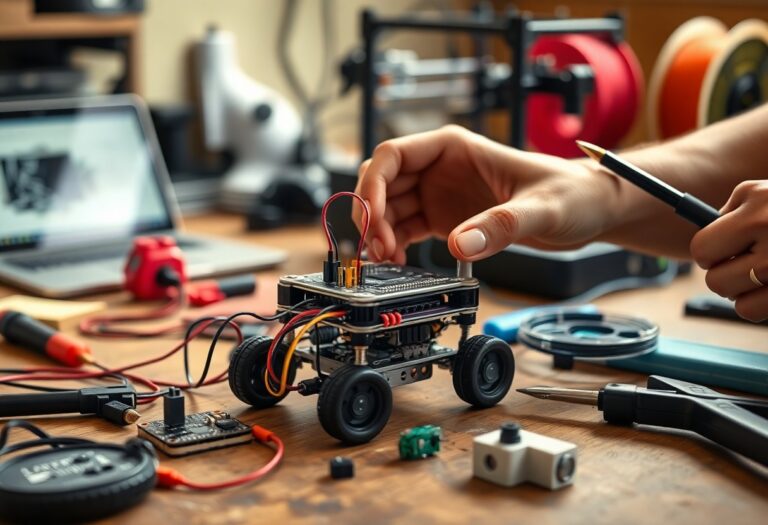
Most robotics enthusiasts begin with limited budgets but big ambitions. You can build functional, adaptable robots using affordable, widely available parts without sacrificing performance. This guide shows you how to select components, design flexible systems, and implement smart engineering choices that maximize capability while minimizing cost. The Economic Imperative of the Machine You build smarter…

With advances in artificial intelligence and computer vision, you can now build a smart robot that perceives and reacts to its environment in real time. By integrating sensors, cameras, and machine learning models, you enable your robot to identify objects, make decisions, and perform complex tasks autonomously. The Positronic Foundation You build intelligence not from…
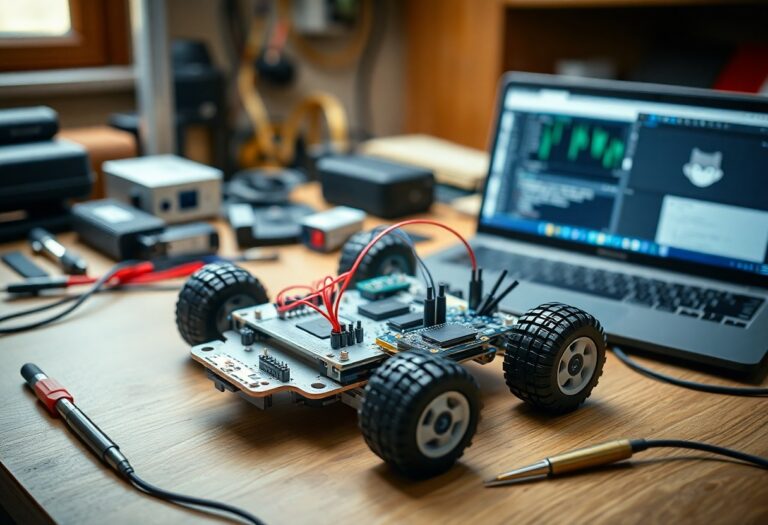
There’s a straightforward way to build your own robot using open-source hardware. You can access affordable, customizable components and detailed schematics online. With basic tools and clear instructions, you assemble, program, and test your robot efficiently. This guide walks you through each step with precision and clarity. Selecting the Right Open-Source Platform Choosing the right…

Most builders use modular electronics so you can isolate sensors, actuators, and controllers, swap components, test subsystems, and scale functionality without redesigning the entire robot. Foundations of Modular System Design Modularity lets you split control, power, and sensing into discrete boards and connectors so upgrades and repairs target single modules without reworking the entire robot….
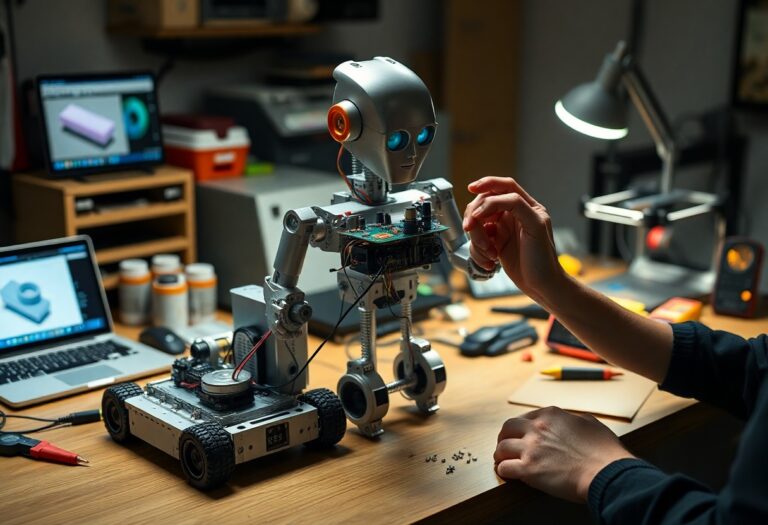
Just follow systematic design, component selection, prototyping, and testing to transform your robot idea into a working prototype. Conceptualization and Requirements Analysis Conceptualization connects user needs to measurable goals, so you outline core functions, user scenarios, and constraints that will steer design decisions and early trade-offs. Defining Operational Objectives and Constraints Objectives specify mission profiles,…
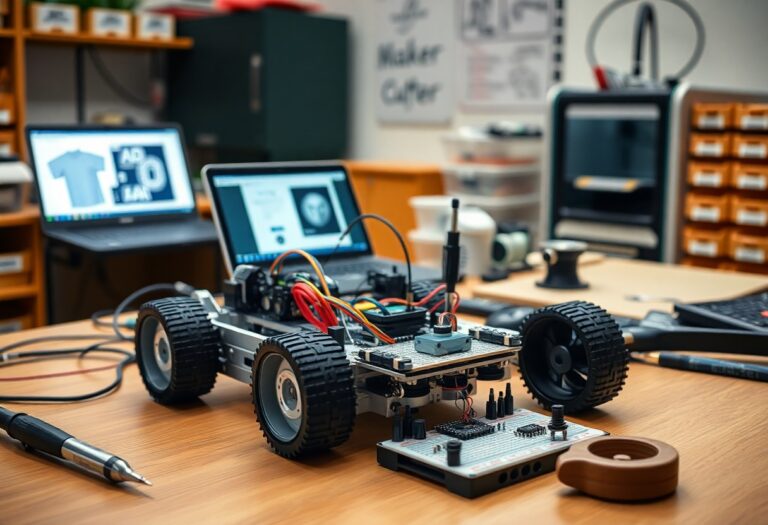
With step-by-step plans and focused material lists, you build classroom robots that teach mechanics, electronics, and programming, assess student learning, and scale project complexity for different grade levels. Fundamental Design Principles Design clear constraints, modular components, and accessible documentation so you can scope projects that teach systems thinking while matching student skill levels and available…