
Inside the seven-hour shift that tells Curiosity what to do on Mars
Each day, NASA’s team gets about seven hours to plan Curiosity’s next move on Mars. Here is how that shift works, and the honeycomb cracks it uncovered.
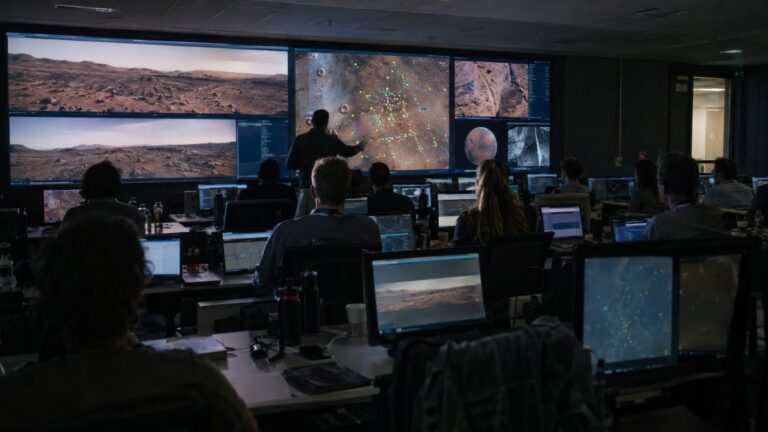
Each day, NASA’s team gets about seven hours to plan Curiosity’s next move on Mars. Here is how that shift works, and the honeycomb cracks it uncovered.
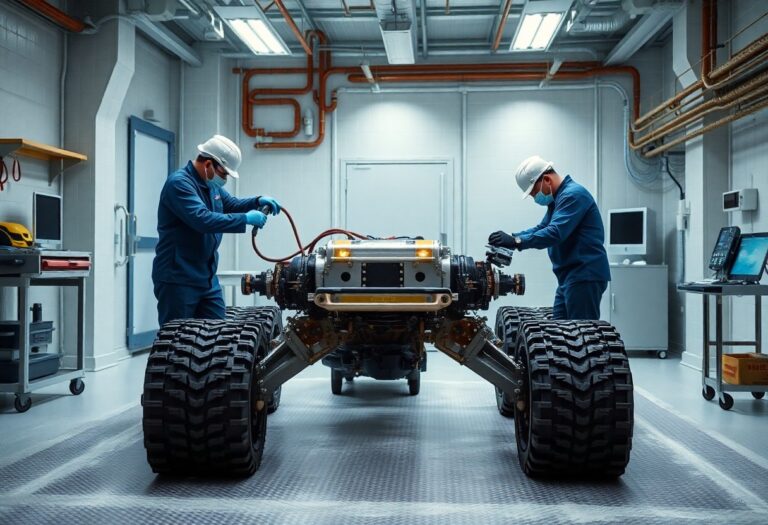
Most extreme environments demand robots built beyond standard limits. You face intense heat, freezing cold, radiation, or crushing pressure. Success means selecting materials, power sources, and sensors engineered to endure. Every component must perform reliably where humans cannot survive. This is how you build a robot for the planet’s harshest places. The Architecture of Endurance…
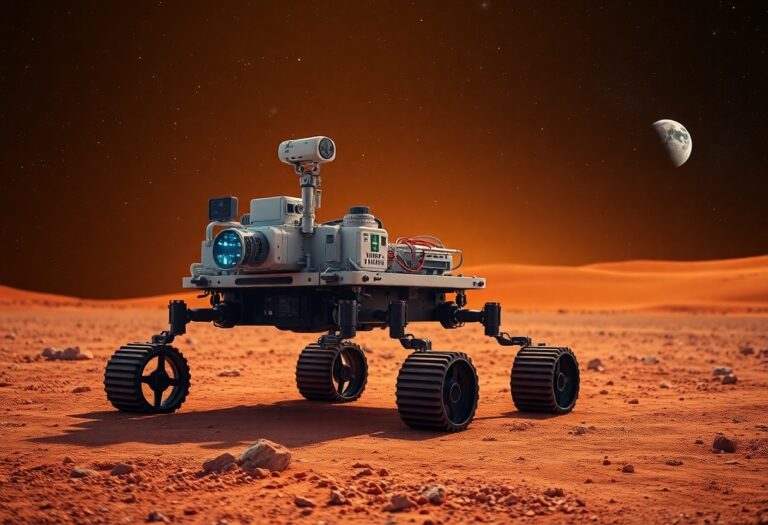
Many advancements in space exploration hinge on the groundbreaking capabilities of robots. As you explore into the fascinating world of robotic technology, you’ll discover how these machines are not only enhancing our understanding of distant planets but also minimizing risks to human life. From rovers navigating the Martian surface to orbiters analyzing the atmospheres of…
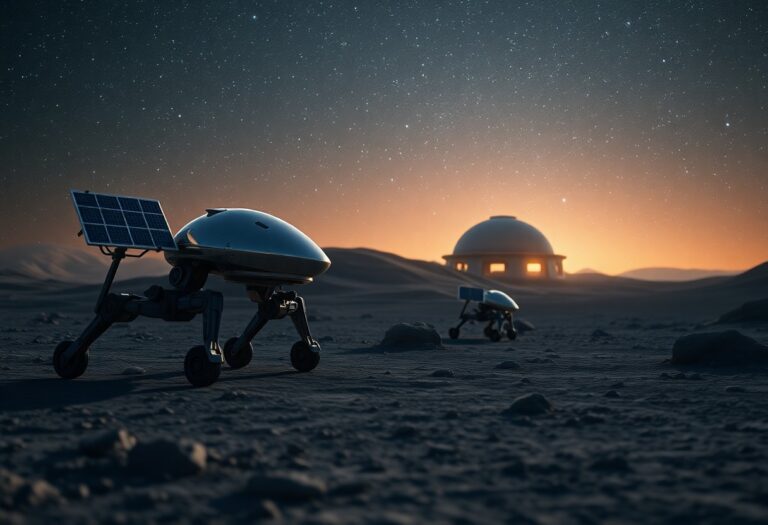
Moon exploration is entering an exciting new chapter, one where robots are set to play a pivotal role in shaping our understanding of this celestial body. As you examine into this post, you’ll discover how advancements in robotics, coupled with renewed interest in lunar missions, could lead to an unprecedented era of automation on the…
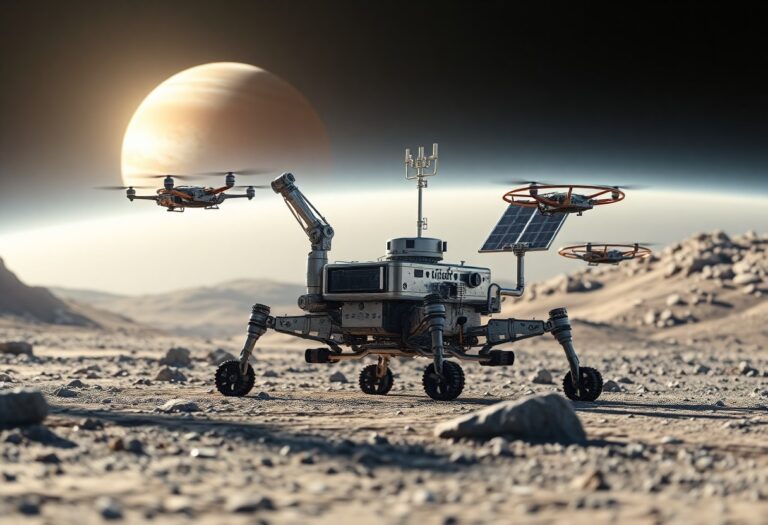
Many autonomous space robots now operate beyond Earth orbit, allowing exploration of distant worlds, conducting experiments, and responding to unexpected hazards when real-time control is impossible. These systems rely on advanced perception, navigation, onboard decision-making, fault tolerance, and long-duration energy management. Understanding their capabilities helps plan resilient and efficient exploration in environments with communication delays,…
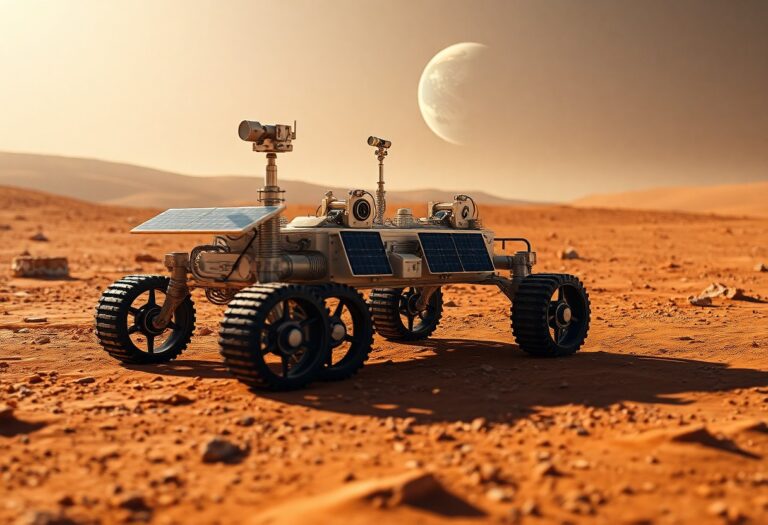
Most advancements in space exploration are greatly influenced by robotics, which play a pivotal role in missions beyond Earth. As you investigate into this field, you’ll discover how robotic technology enhances data collection, facilitates astronaut safety, and aids in the construction of off-world habitats. From rovers navigating Martian terrain to autonomous spacecraft conducting deep-space observations,…

Space robotics is transforming how you think about exploration beyond Earth, providing robotic assistants that enhance the capabilities of astronauts and facilitate missions to other planets. These sophisticated machines can perform various tasks, from conducting experiments to repairing equipment, making them invaluable partners in the harsh environments of space. By leveraging cutting-edge technology, you can…
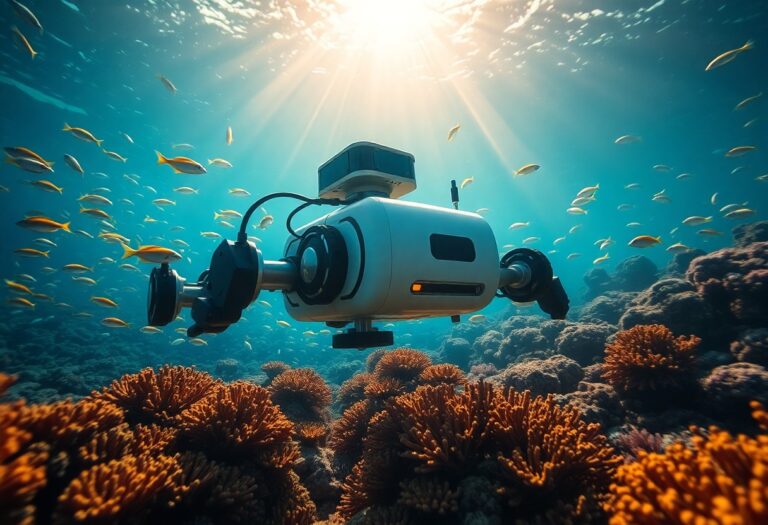
There’s a fascinating world beneath the waves, and underwater robots are your key to unlocking its secrets. These advanced machines are designed to explore the ocean’s depths, capturing stunning imagery and gathering necessary data, all while navigating challenging environments. By exploring how these robots work and the innovations they bring to marine research, you can…
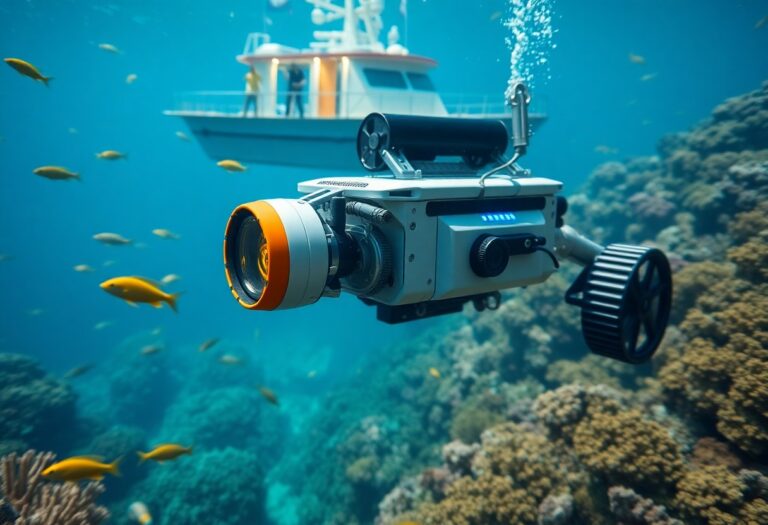
There’s a growing interest in using underwater robotics for biodiversity studies, but you may wonder about the ethical implications of such technology. As these advanced tools revolutionize data collection and habitat analysis, it’s vital to consider how they impact marine life, ecosystems, and the integrity of your research. This blog post will explore the ethical…
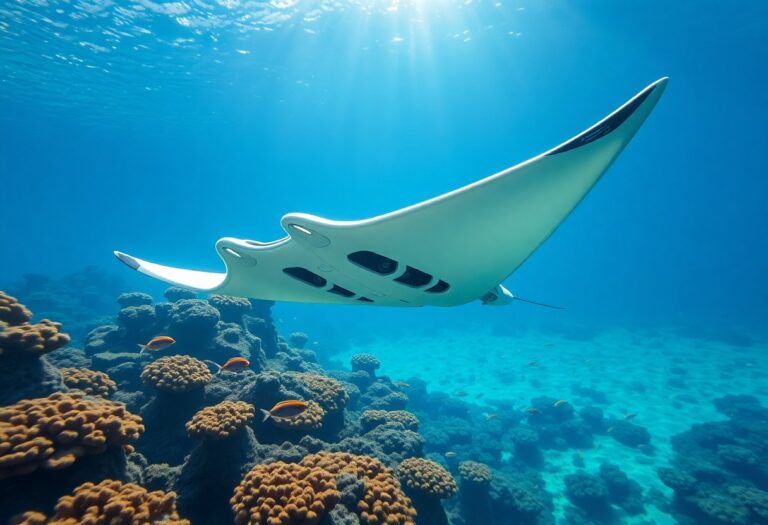
Bioinspired designs have revolutionized the field of robotics, enabling engineers to create underwater robots that emulate the remarkable adaptations found in nature. As you probe into the fascinating world of biomimicry, you’ll discover how these robots harness the principles observed in marine life to achieve improved mobility, efficiency, and functionality. From agile fish-like movements to…