
Robot Cage Fighting Is Real, and a YouTuber Flew to China to See It
A creator travelled to China to watch humanoid robots box in an arena. Here is who is really throwing the punches.
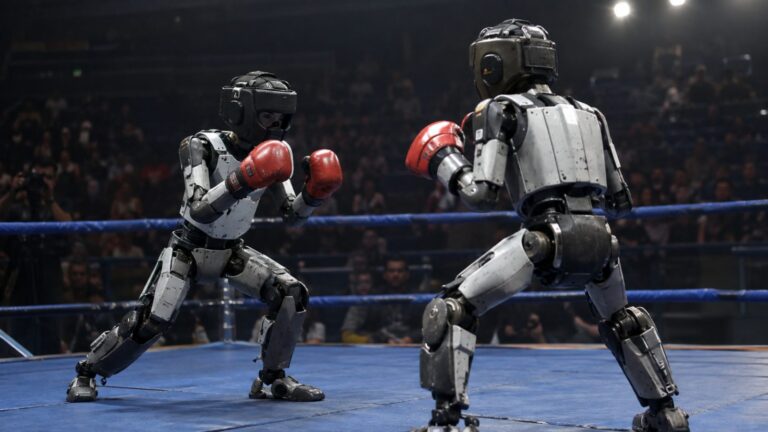
A creator travelled to China to watch humanoid robots box in an arena. Here is who is really throwing the punches.
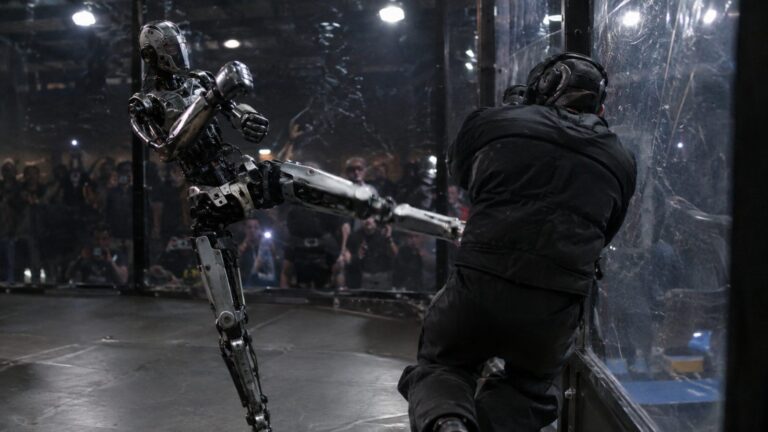
A six-foot robot kicked influencer Frankie LaPenna across a San Francisco cage. A man in a virtual reality headset, standing offstage, threw the kick.
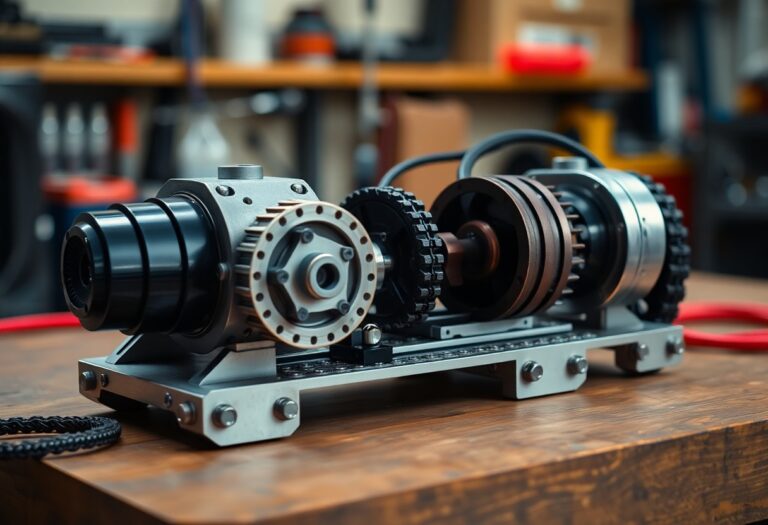
Drive performance determines how fast, agile, and durable your combat robot will be in the arena. You need a system that delivers high torque, responsive control, and resilience under impact. Choosing the right motors, gear ratios, wheels, and motor controllers directly affects your robot’s ability to attack, evade, and survive. The Heart of the Machine…
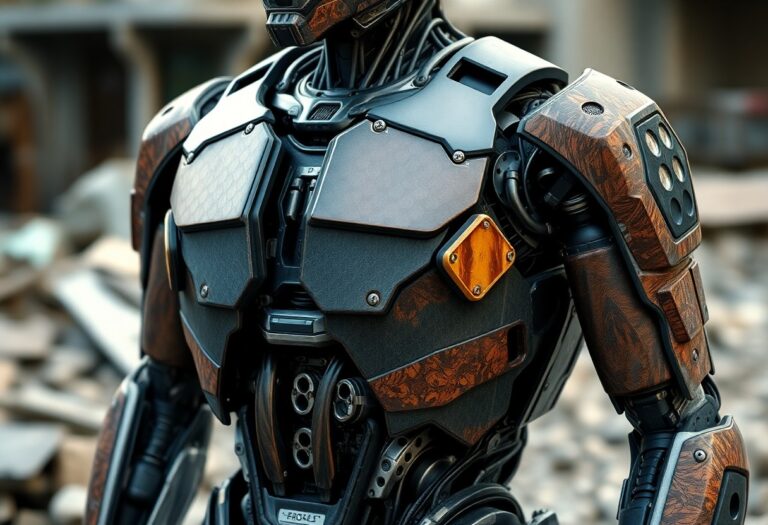
Over years of competitive robot combat, effective armor design has proven decisive in determining survival. You need layered materials, strategic sloping, and impact distribution to withstand heavy strikes. Your robot’s shape, weight, and weak points directly influence durability. Choose wisely to deflect blows and maintain mobility under fire. The Choice of Metal Selecting the right…
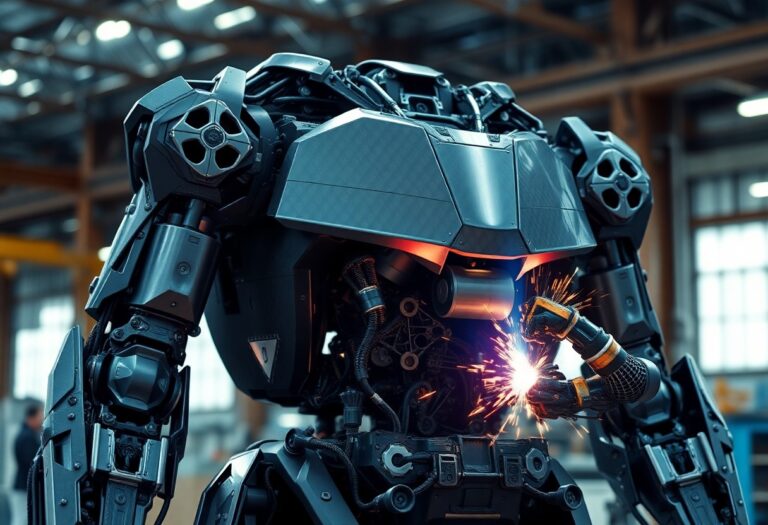
There’s a direct link between your battle robot’s survival and the strength of its chassis. You need a frame that withstands impacts, resists deformation, and supports all components without excess weight. Choosing the right materials, geometry, and reinforcement techniques ensures your robot stays functional under punishment. This guide shows you how to build a chassis…
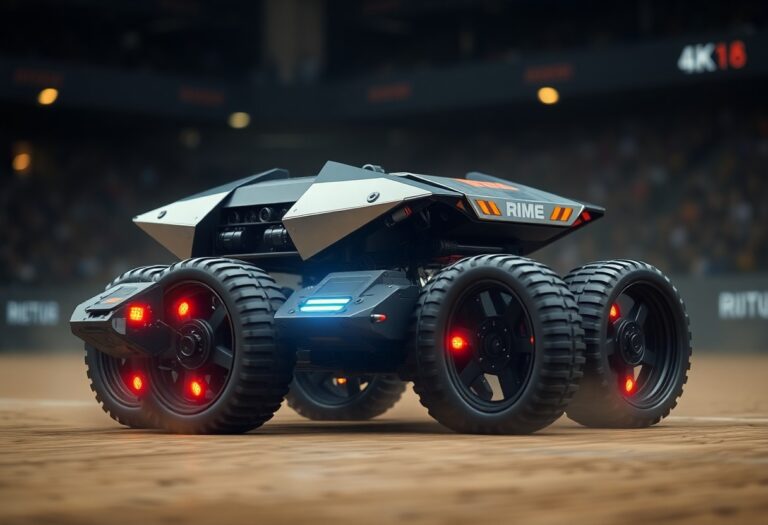
There’s a precise science behind building a Robot Wars machine that dominates through speed and agility. You balance lightweight materials with durable construction, fine-tune drivetrains for rapid acceleration, and optimize weight distribution to enhance maneuverability. Every design choice directly impacts how quickly your robot reacts and evades in the heat of battle. The Pursuit of…
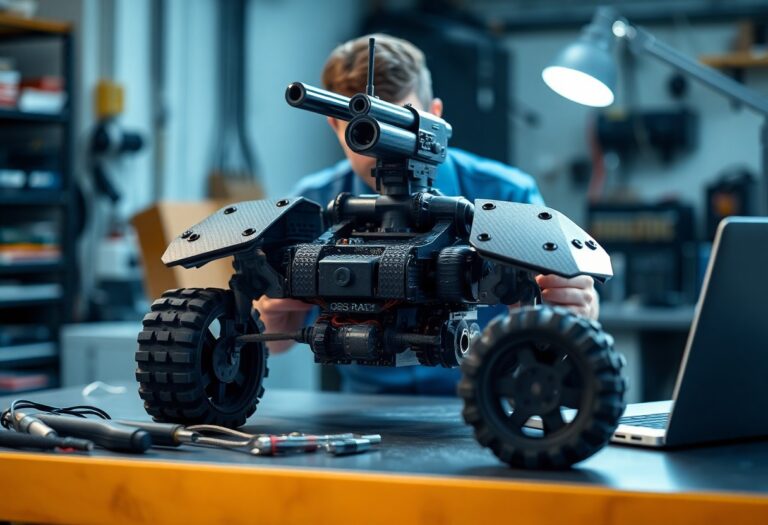
Over the past decade, hobbyists and engineers alike have turned to building remote-controlled combat robots as a hands-on way to explore mechanics, electronics, and strategy. You design for durability, speed, and weapon effectiveness, balancing power with control. Every component, from motors to radio systems, must work in sync under high stress. This guide walks you…
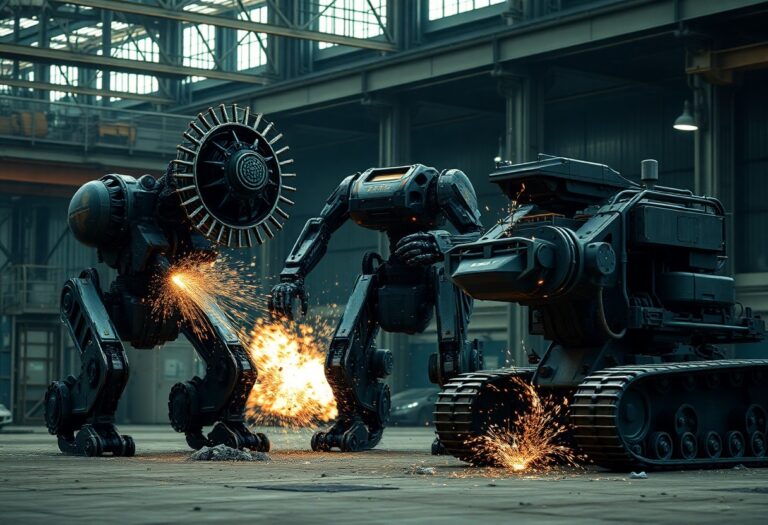
There’s a reason the most dominant robots in Robot Wars rely on powerful, well-designed weapons. You’re about to discover how spinners deliver devastating impacts, lifters control opponents with precision, and crushers apply brute force to dismantle competition-each shaping the outcome of battle in decisive ways. The Heavy Spinner You face opponents with brute force when…
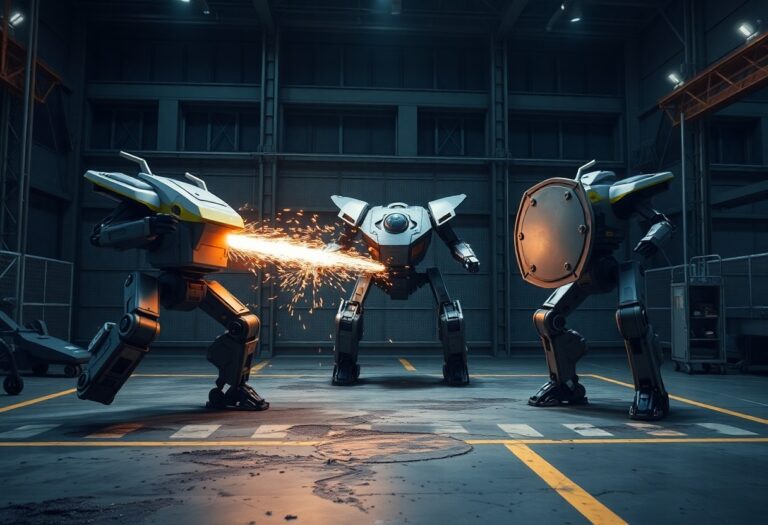
Strategy begins with understanding how your robot performs under pressure. You must balance aggressive moves with solid protection and smart positioning. Offense wins fights, defense keeps you in them, and tactics tie both together. Your success depends on real-time decisions shaped by design, opponent behavior, and arena hazards. The Offensive Strike You launch forward the…
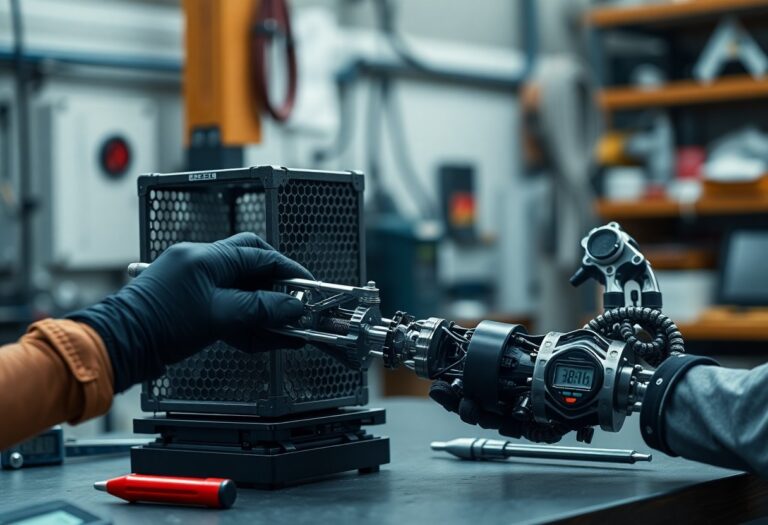
Robot design demands a balance between weight and strength, and you can achieve both with the right materials and structural choices. By selecting high-strength composites, optimizing frame geometry, and using strategic reinforcement, you build a machine that moves efficiently without sacrificing resilience under stress. Material Selection for the Positronic Age Today’s robots demand materials that…