Engineering a Robot Wars Machine for Speed and Agility
There’s a precise science behind building a Robot Wars machine that dominates through speed and agility. You balance lightweight materials with durable construction, fine-tune drivetrains for rapid acceleration, and optimize weight distribution to enhance maneuverability. Every design choice directly impacts how quickly your robot reacts and evades in the heat of battle.
The Pursuit of Lightness
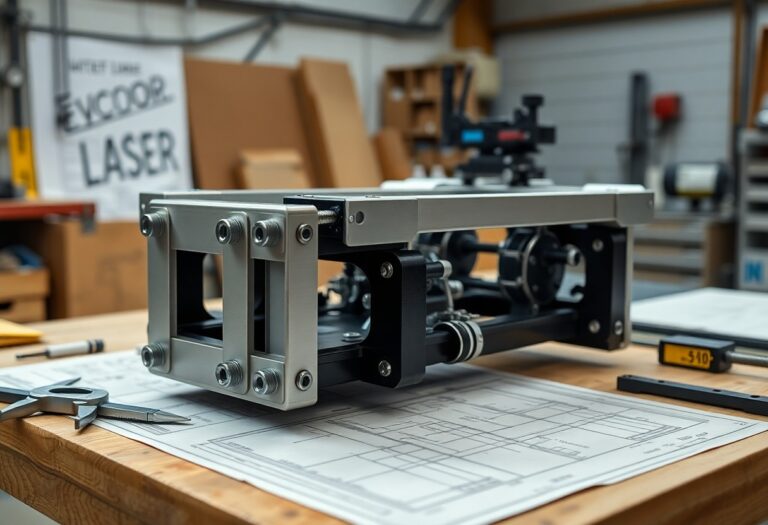
Speed demands sacrifice, and every gram counts when milliseconds decide victory. You strip away excess not just for velocity, but to sharpen responsiveness and reduce inertia during sharp turns. A lighter frame accelerates faster, stops quicker, and puts less strain on motors and joints under combat stress.
Shedding Unnecessary Flab
Weight hides in plain sight-unused brackets, overbuilt mounts, or redundant armor. You audit every component, asking if it serves offense, defense, or mobility. Non-important wiring, duplicate sensors, or decorative elements get cut. Simplicity becomes your design mantra.
Exotic Metals for the Brave
Titanium and scandium-aluminum alloys offer strength without mass, but demand precision work. You accept the higher cost and machining difficulty for their payoff: exceptional strength-to-weight ratios. These materials let you protect critical zones without dragging down acceleration.
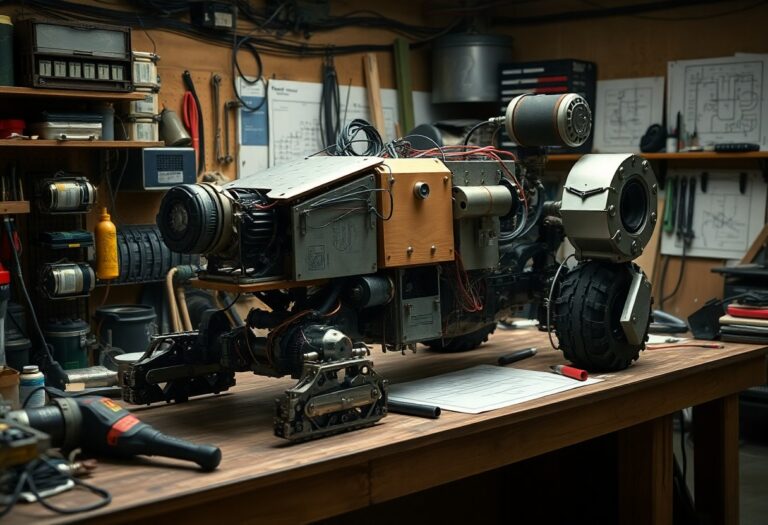
Working with exotic metals isn’t for casual builders. Titanium requires sharp tooling, slow feeds, and proper cooling to avoid work hardening. Scandium-enhanced aluminum resists cracking under impact but needs controlled welding environments. Your fabrication skills must match your ambition-otherwise, the material’s potential stays locked away.
The Power of a Thousand Suns
Energy defines your robot’s potential. Every joule stored translates into motion, impact, and dominance on the arena floor. You’re not just building a machine-you’re harnessing raw power in a compact, controlled burst ready to overwhelm any opponent.
High Voltage Ambition
Pushing voltage beyond standard limits gives your drive system explosive responsiveness. You’re balancing efficiency with aggression, ensuring your robot surges forward the instant the match begins, leaving hesitation-and opponents-behind.
Motor Torque and Madness
Torque determines how fast your robot can accelerate and how hard it can hit. You’re selecting motors that deliver peak rotational force without sacrificing control, turning every rotation into battlefield advantage.
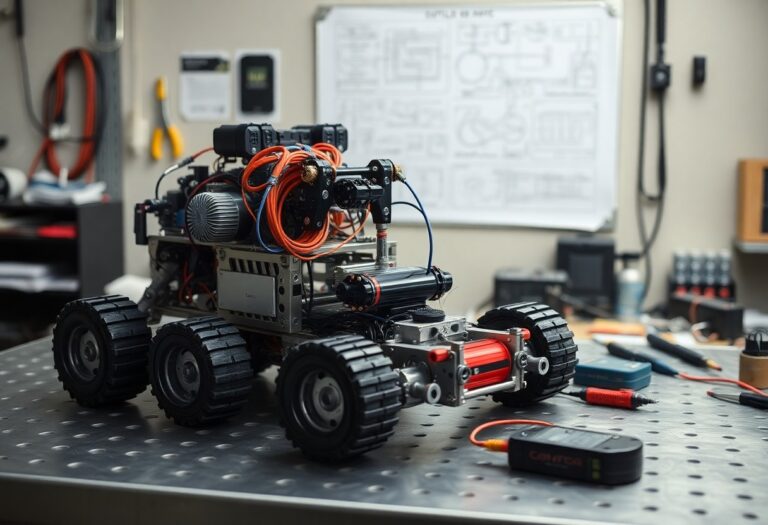
High-torque motors demand careful thermal management and robust gearing. You’re matching motor KV ratings to wheel size and gear reduction, ensuring maximum thrust without burning out under load. The right setup lets you dart between attacks, pivot on a dime, and survive repeated impacts while maintaining blistering speed.
Dancing Like a Butterfly
Speed means nothing if your robot can’t change direction on a dime. To dominate the arena, you must design for agility as much as power. A lightweight frame, responsive drivetrain, and precise control systems let your machine dart, pivot, and reposition like a fighter in motion.
Geometry of the Turn
Turning radius begins with wheelbase and track width. A shorter wheelbase allows tighter pivots, while wider tracks improve stability during lateral movement. You control how fast your robot reorients by balancing these dimensions against motor torque and weight distribution.
Traction and Friction
Your robot’s grip on the arena floor determines whether power translates into motion or wasted spin. Tires made from high-friction compounds cling to steel surfaces, giving you immediate response when accelerating or dodging an opponent’s strike.
Choosing the right tread material affects more than just grip-it influences wear, heat buildup, and resistance to oil or debris in the arena. Silicone or urethane tires often outperform rubber in controlled environments, offering consistent friction without excessive stickiness that could hinder quick direction changes. You’ll want to test compounds under load to see how they behave during sustained turns or sudden stops.
The Art of Not Getting Hit
You stay alive in the arena not by winning every clash, but by avoiding unnecessary ones. Mastering movement means knowing when to strike and when to disappear. Building a Battle-Ready Robot demands reflexes as sharp as your weapon.
Tactical Retreats
Movement isn’t just about aggression-sometimes the smartest play is stepping back. You preserve your machine by disengaging before an opponent’s weapon finds its mark, using speed to reset the fight on your terms.
Sloped Armor Magic
Angled surfaces do more than look aggressive-they deflect incoming blows. You increase survivability by redirecting force away from critical components, turning direct hits into glancing strikes that spare your internals.
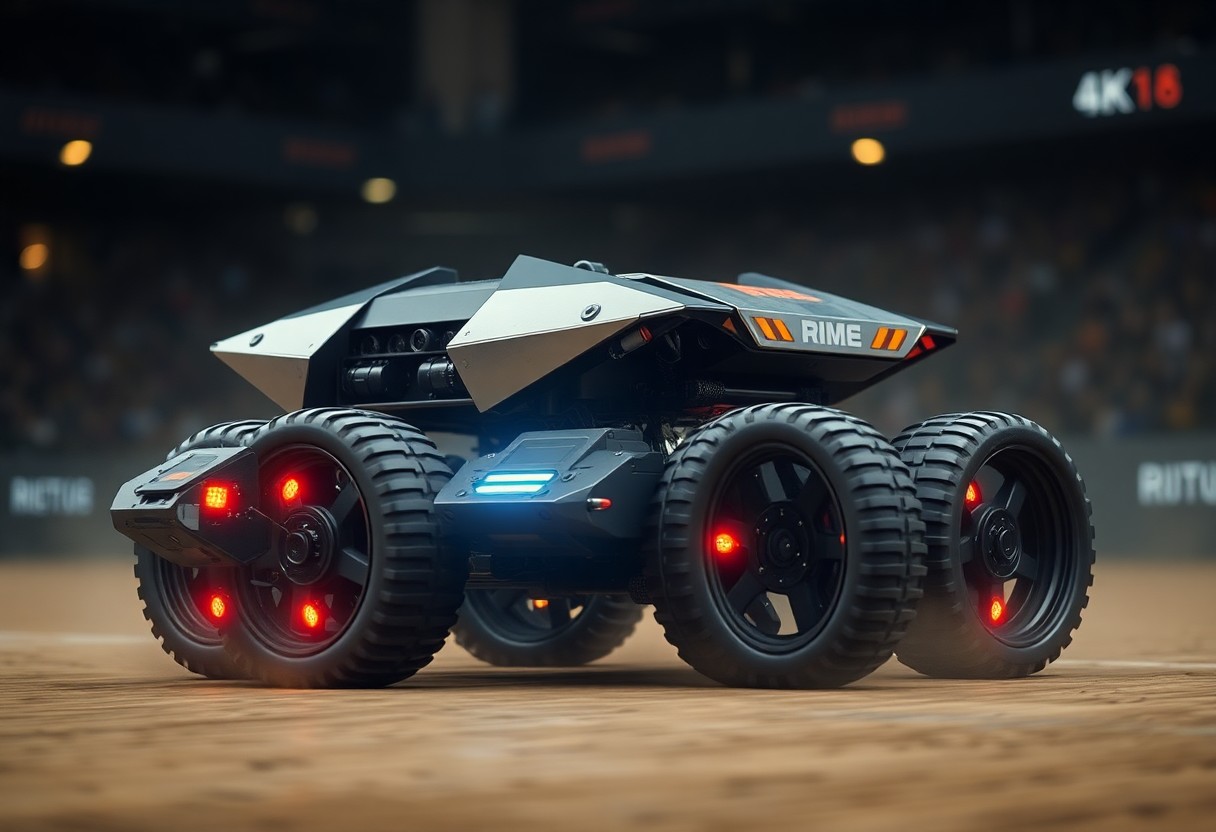
Sloped armor works because impact energy follows physics, not intention. When an opponent’s axe or spinner connects with a tilted plate, the force splits into horizontal and vertical vectors, reducing penetration. You gain precious milliseconds of uptime by ensuring attacks slide off rather than crush through. Properly designed, these angles integrate seamlessly with your chassis, balancing protection and weight.
To wrap up
Your Robot Wars machine’s speed and agility depend on lightweight materials, precise motor control, and responsive steering. A well-balanced design with low center of gravity enhances stability during sharp turns. You optimize performance by fine-tuning gear ratios and using high-torque, fast-accelerating motors. Every component must support rapid movement without sacrificing durability in combat.