
How to Clean Your Robot Vacuum: The Parts That Clog, and When to Replace Them
Hair on the brush, dust on the sensors, a filter past its prime. A simple routine keeps a robot vacuum cleaning like new, and tells you when a part is done.
How robots actually work, in plain language: what the parts do, how a machine sees, balances and grips, and what to do when yours stops working.
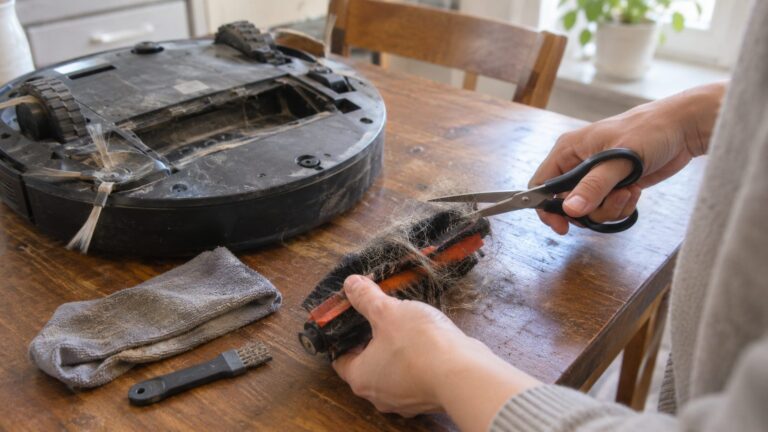
Hair on the brush, dust on the sensors, a filter past its prime. A simple routine keeps a robot vacuum cleaning like new, and tells you when a part is done.
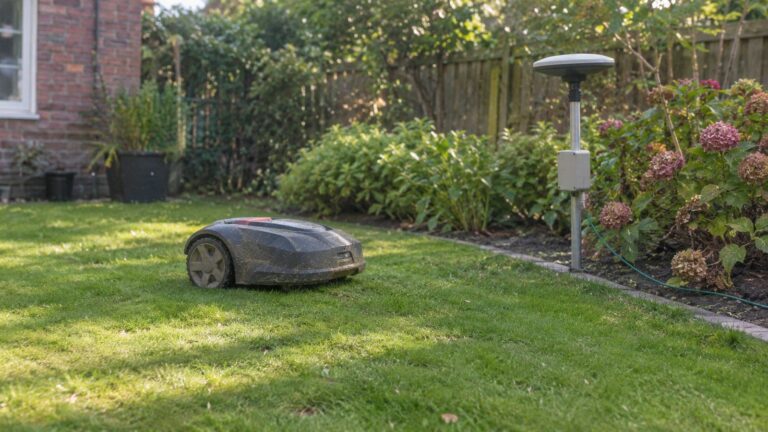
A buried wire, a satellite fix or a camera: each way a robot mower finds the edge of your lawn, and what makes each one fail.
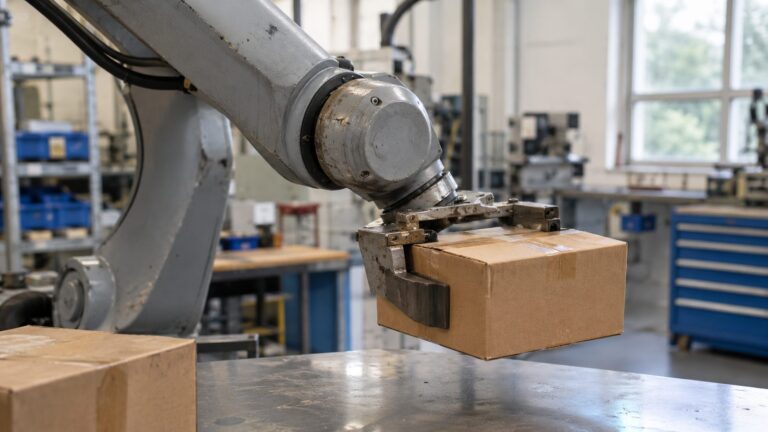
Every robot joint hides a fast little motor and a clever gear that slows it down. Here is how it works, why it is pricey, and how it wears out.

Cameras, laser scanners and radar each go blind in a different way. Here is why Waymo carries all three and Tesla bets on cameras.
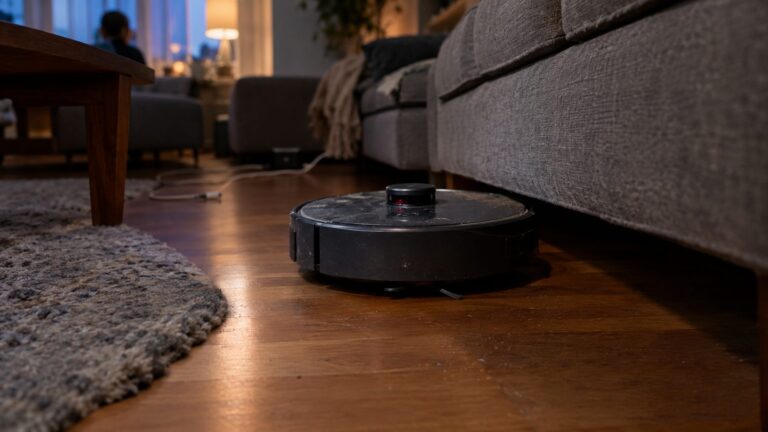
A laser on top, a camera in front or just a motion sensor inside. Here is how to tell which one a robot vacuum uses, and how to fix a map that breaks.
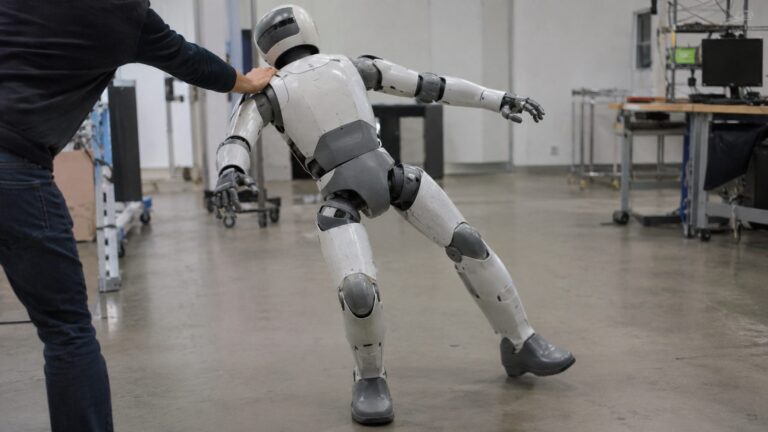
Robots that survive a shove do what you do: sway at the ankles, swing the upper body, or take a step. Here is how each move works and how to read a push test.

A walking humanoid starts at $4,290. The research version of a shorter robot costs $73,900. Here is what the headline number leaves out.
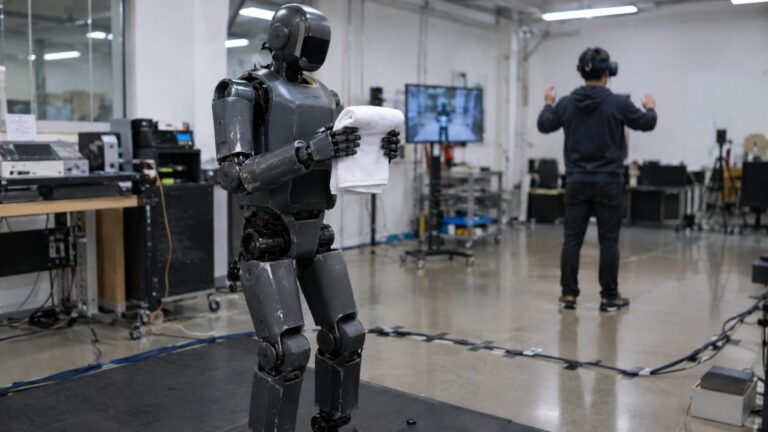
A person in a headset may be driving that graceful humanoid. Here is how to spot it: copied hand poses, hidden cuts, lag and who stands off-camera.
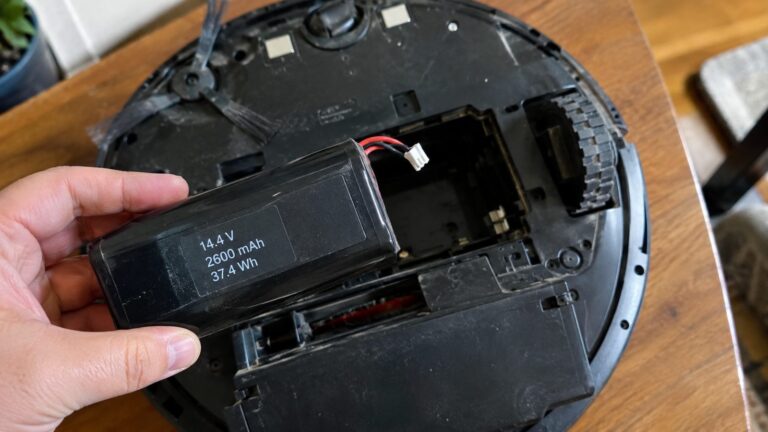
Volts, amp-hours, watt-hours, C-rate, cycle life. Five numbers on a label, and only one of them tells you how long your robot will run.
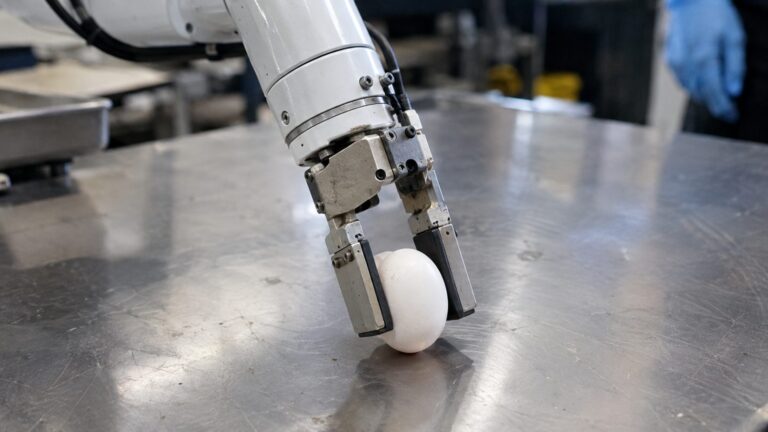
A robot hand that lifts 11 pounds can still crush an egg and fumble a sock. Four things decide what it holds: weight, shape, surface, floppiness.