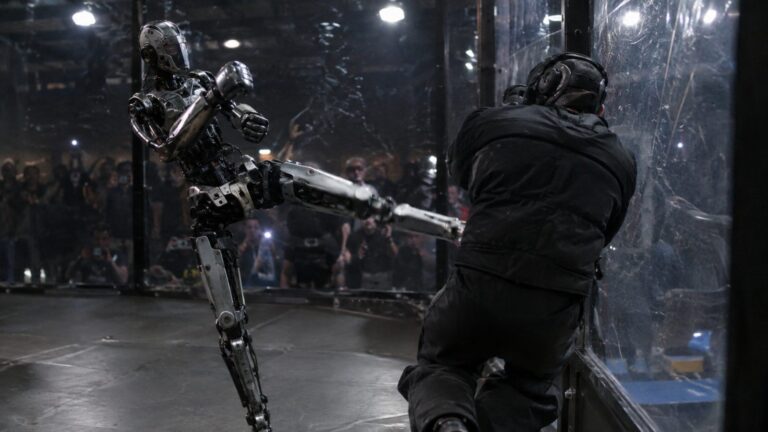
How to Tell if a Humanoid Robot Video Is Teleoperated
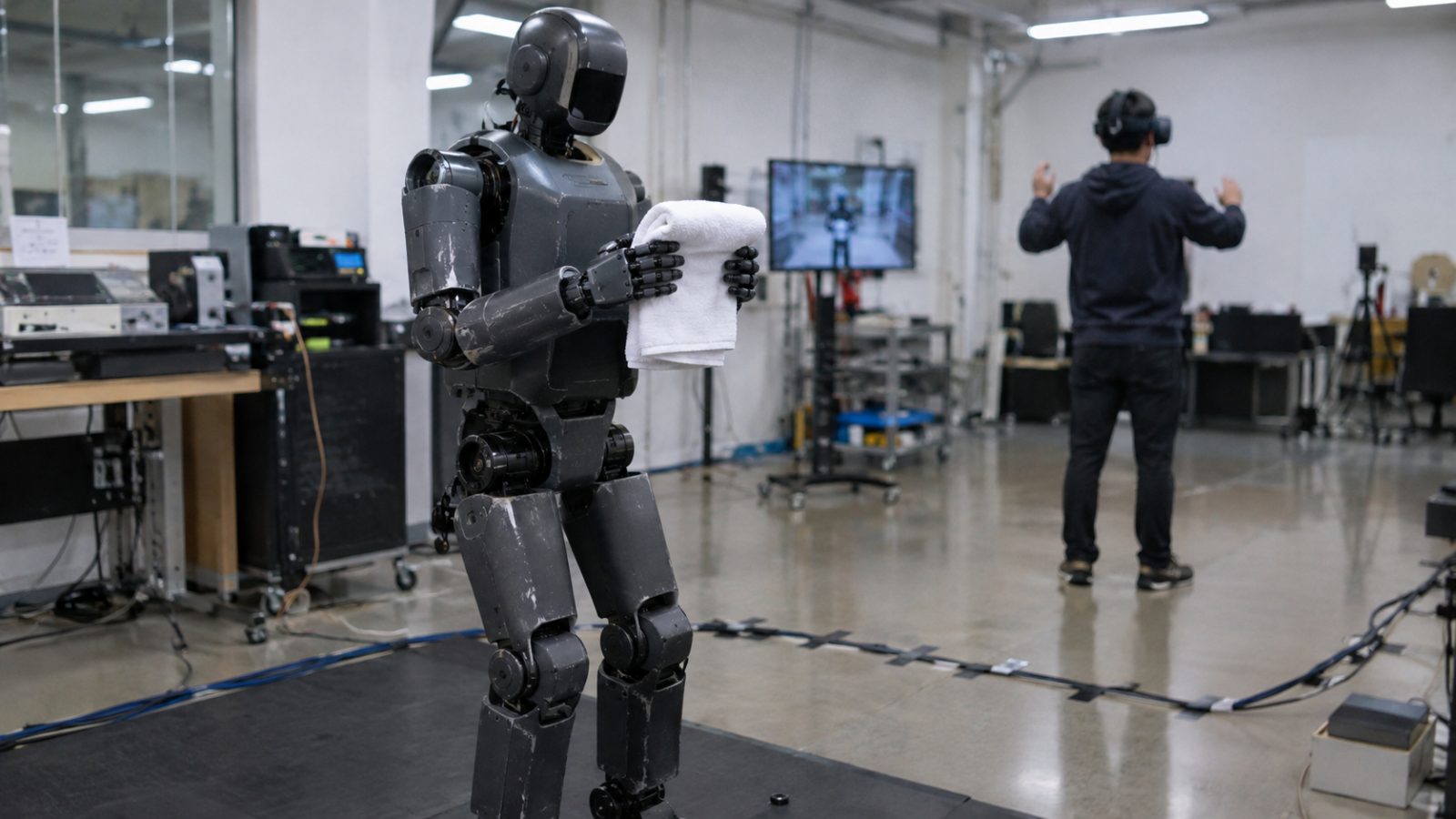
A humanoid robot folds a towel in a clip you just watched. Smooth, patient, oddly graceful. There is a fair chance a person in the next room was wearing a headset and moving their own hands.
That is teleoperation: a human working the machine from a distance. It is ordinary in robot demos. It is just rarely announced on screen.
What the person driving the robot is actually doing
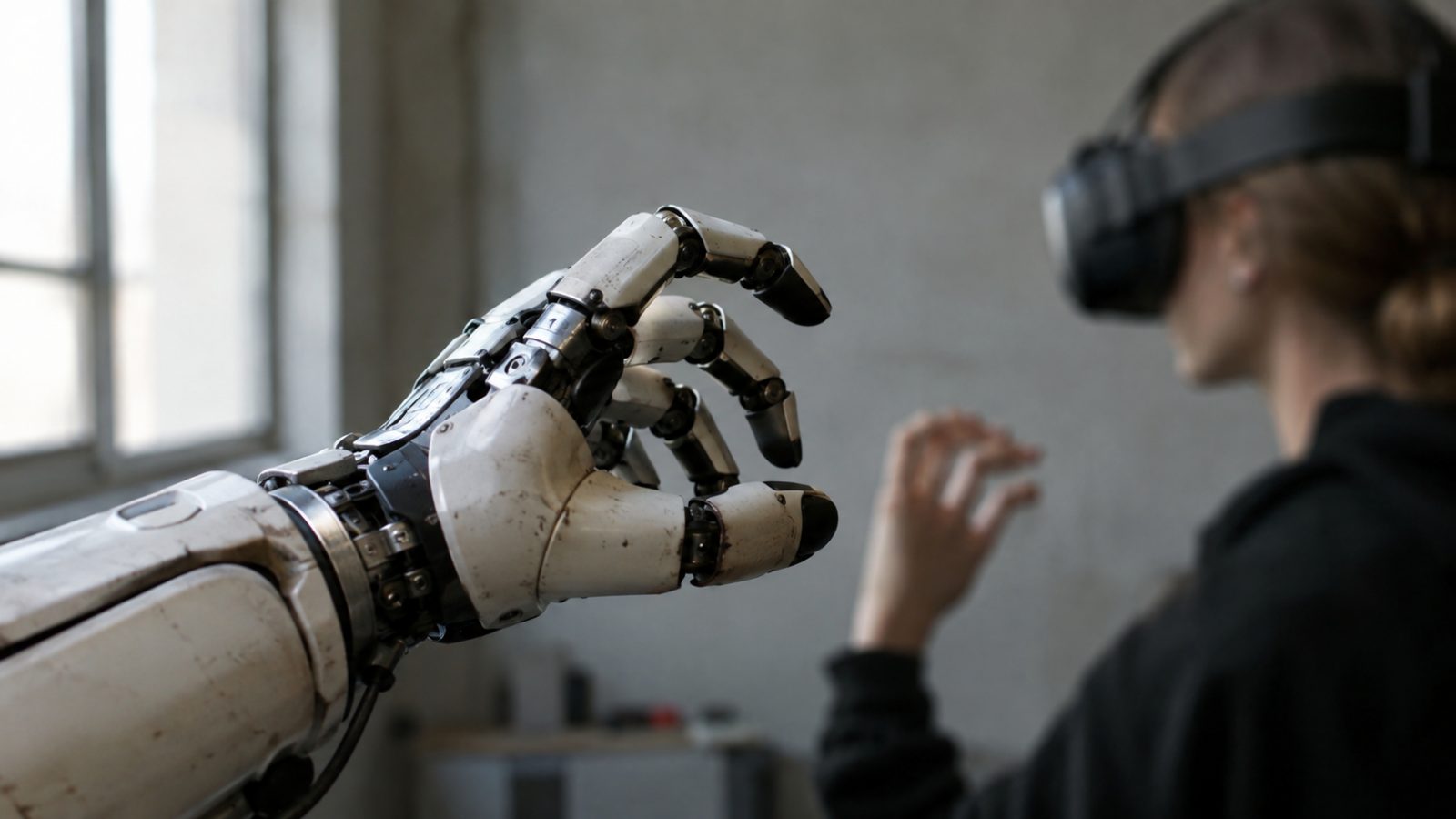
Two setups do most of the work. The first is a virtual reality headset. In one research system from Carnegie Mellon and partners, the headset tracked only three things: the operator’s head and their two hands.
Those three points steer a full-size humanoid. The researchers note that the robot’s fingers and wrists are mapped straight from the headset’s hand data to the matching joints, with no AI deciding anything in between.
The second setup is a motion-capture suit. In a project led by the French research institute Inria, the operator wore a stretchy suit carrying 17 small motion sensors, reporting body position 240 times a second.
Neither setup drives the whole robot. The machine keeps itself upright on its own. In the Inria work, the controller’s top job was not falling over and keeping the feet planted, and everything else came second. Minerva Humanoids, a startup building a bomb-disposal humanoid, describes the same split: the operator looks through the robot’s cameras in a headset, while onboard software handles balance, walking and getting up after a fall.
Six things to look for in the clip
- Human hands, machine legs. Watch the top half and the bottom half separately. Fingers, wrists and head that move with human fidget, above feet that stay rooted, is the classic signature of a headset rig.
- Moves that look shrunk. Operator motion gets reshaped for a body of a different size. In the Inria system, moving your hand 10 centimetres could move the robot’s hand only 5. The gesture keeps its human shape but arrives small and damped.
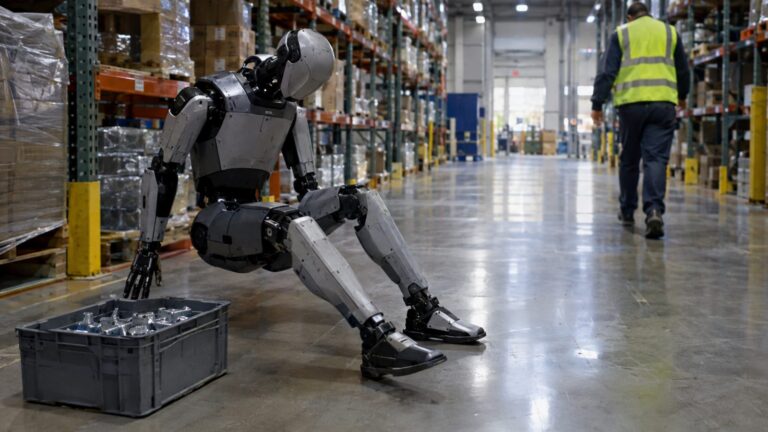
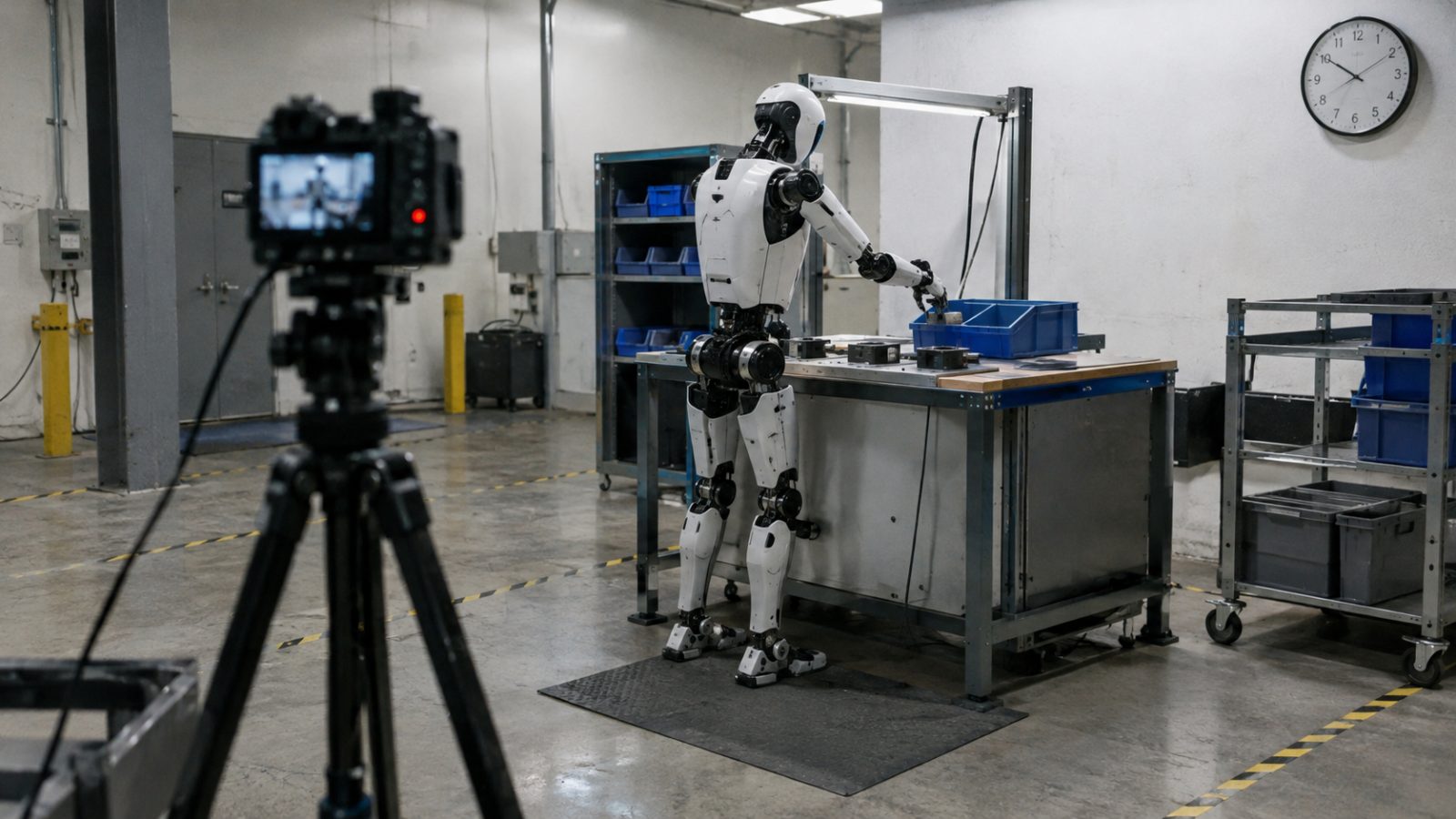
- Cuts, speed and clocks. Ask what you are not being shown. Nucleus made news in October 2026 simply by posting nearly two hours of uncut factory work, hesitations included. One continuous shot, a visible clock and a note about playback speed are worth more than any slogan.
- Chatting. At the afterparty of Tesla’s October 2024 event, robots poured drinks and held conversations. Reporters there concluded humans were remote-controlling them, and the voice coming from the robot sounded like a person, not a synthesiser.
- What happens when something goes wrong. Be careful here. The Inria team found that even a few hundred milliseconds of lag upsets an operator, so good teleoperation links are built to be fast. A quick reaction proves nothing on its own.
- The edges of the frame. A cable running off the robot is usually power or a safety line, not a control wire. More telling is a bystander in a headset, someone holding their hands up at chest height, or the robot’s head swivelling to follow one particular person.
None of this is proof, and teleoperation is not cheating
Be honest about the limit of the checklist. These are hints. The only thing that settles it is the company saying so, with footage long enough to check.
Some do. Nucleus put a number on it: roughly 60 percent autonomous, 40 percent teleoperated in that session, without explaining how it counted. Its founder says the robots now run four to six hour shifts, with people stepping in when needed, and that those corrections become training material.
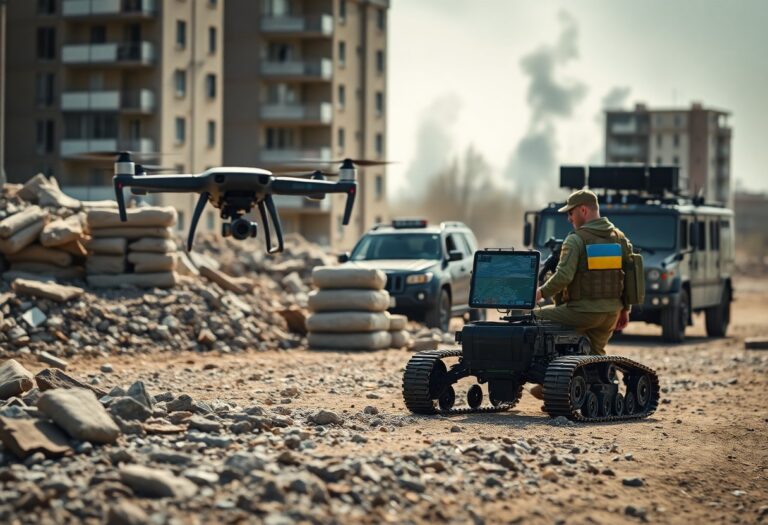
Minerva is building remote control on purpose. If a robot is handling explosives, you want a trained specialist’s hands behind it and the person standing somewhere safe.
So the question is not whether a human helped. In 2026, assume one did unless told otherwise. The question is whether the company told you before you shared the clip.
Sources
- OmniH2O: Universal and Dexterous Human-to-Humanoid Whole-Body Teleoperation and Learning (arXiv)
- Prescient whole-body teleoperation of humanoid robots (Inria, arXiv)
- Video: Uncut footage shows humanoid robot doing factory work with claimed 60% autonomy (Interesting Engineering)
- New humanoid robot built in five months remotely handles bombs, hazardous energy jobs (Interesting Engineering)
- That bartending Tesla robot was actually controlled by a human the whole time (Quartz/Jalopnik)
- Teleoperation (Wikipedia)