With drone swarms now routinely identifying targets and relaying coordinates in real time, you are witnessing a fundamental shift in how modern warfare is conducted. Autonomous systems are no longer experimental assets but central components shaping tactics, response times, and battlefield outcomes in Ukraine’s ongoing conflict.
The Mechanical Predator
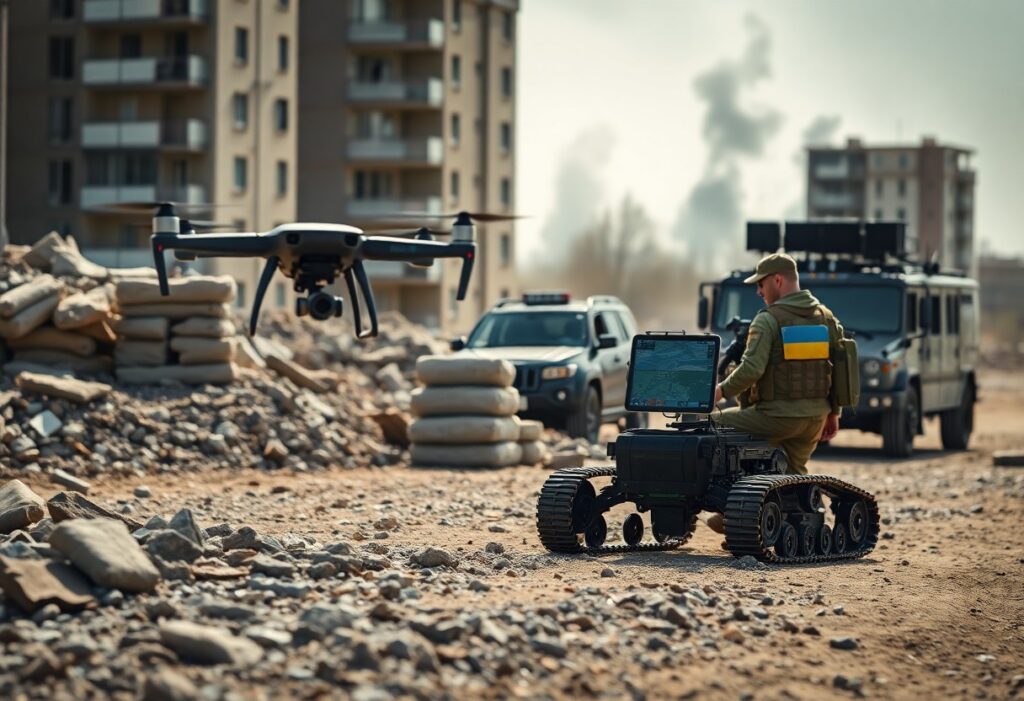
You observe drones circling battle zones like mechanical vultures, identifying targets with thermal precision unblurred by fatigue. These systems, often small and commercially adapted, relay real-time feeds to operators miles from the front, enabling rapid strikes with artillery or loitering munitions. A single operator can manage multiple drones, multiplying surveillance reach across eastern Ukraine’s sprawling front lines. Some models, like the Turkish Bayraktar TB2, have destroyed armored columns and command posts, shifting how commanders allocate air support. Their persistence in the sky forces adversaries to move only at night or under cover, reshaping the rhythm of ground operations.
The Digital Map
You operate in a battlespace where terrain is no longer defined by contours and elevation alone. High-resolution satellite imagery, real-time drone feeds, and AI-processed geospatial data form a dynamic digital map updated by the second. Commercial platforms like Maxar and Sentinel provide near-continuous overhead coverage, enabling targeting adjustments within minutes. Machine learning algorithms detect vehicle movements across hundreds of square kilometers, flagging patterns invisible to human analysts. Your command post receives automated alerts when a cluster of heat signatures appears along a forested road at night, triggering an immediate response protocol. This persistent digital overlay turns static maps into living systems, reshaping how forces maneuver and strike. A single misaligned coordinate can cascade into operational failure, making map accuracy a frontline concern. In one documented incident, a drone strike missed its target by 150 meters due to a timestamp delay in the digital map layer, underscoring the fragility beneath the precision.
The Ground Without Men
Unmanned Ground Vehicles in Combat Roles
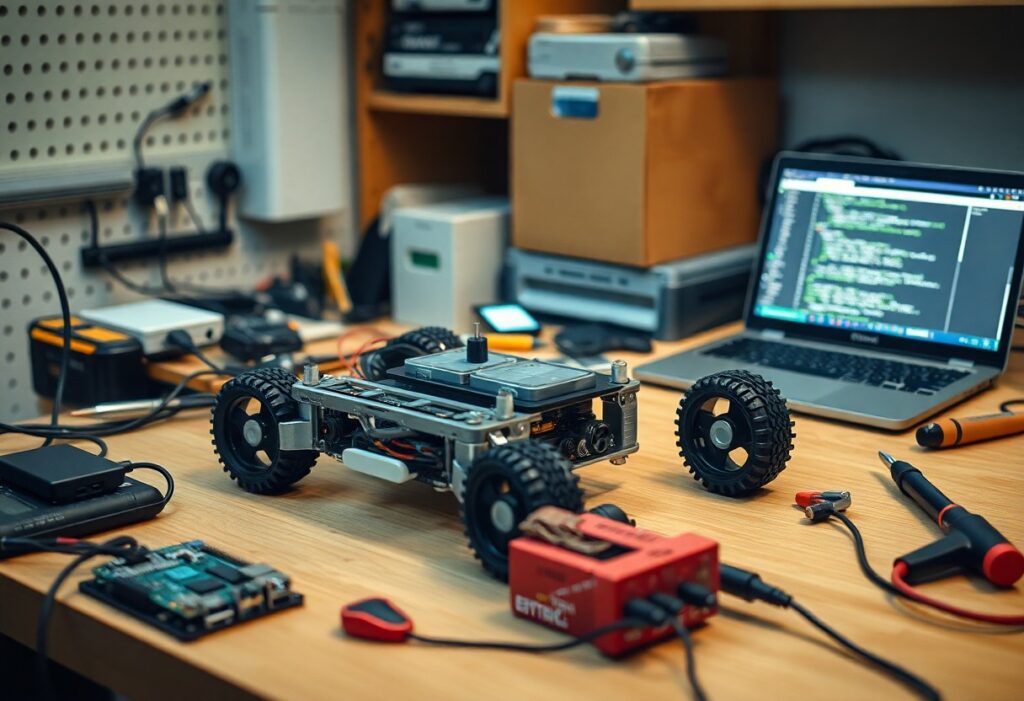
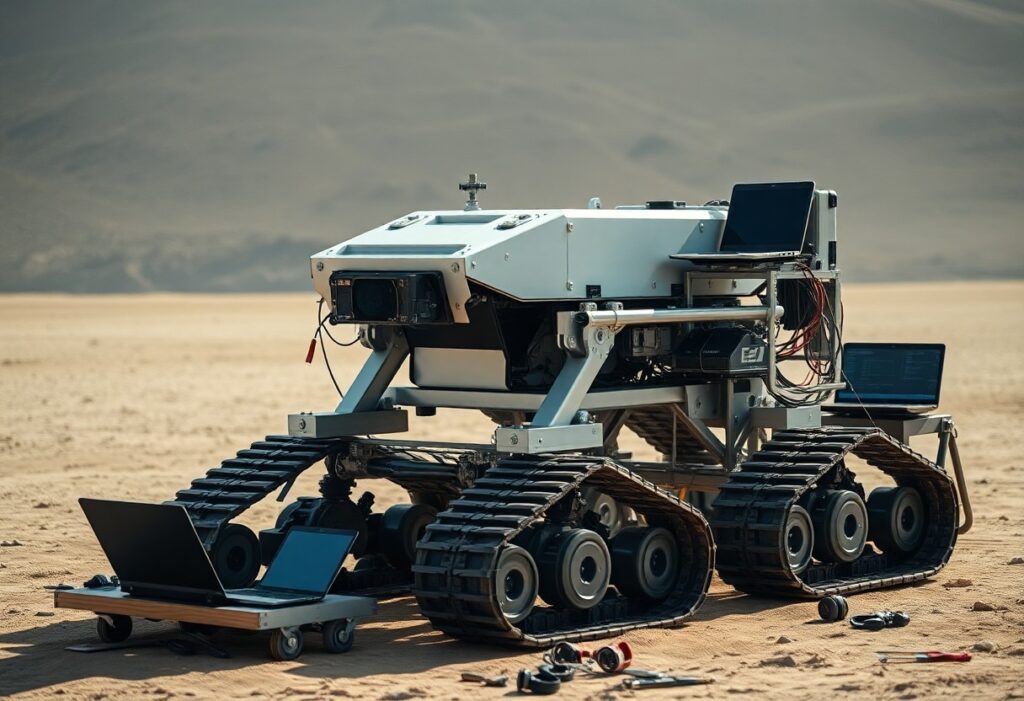
You operate with fewer troops on the front lines because unmanned ground vehicles now handle tasks once reserved for soldiers. A single controller can manage a robotic convoy advancing through mined terrain, delivering supplies without risking lives. In Ukraine, units have deployed robotic platforms to evacuate wounded personnel from open fields, reducing exposure to sniper fire. These systems move autonomously along preprogrammed routes, reacting to obstacles in real time. Some models carry over 1,000 kilograms of cargo across rough terrain, maintaining supply lines even during active shelling. Their use in resupply and medical extraction has become routine in forward units, particularly near Bakhmut and Avdiivka.
The Signal War
You face an invisible battlefield where control of electromagnetic signals determines survival. Jamming GPS and radio links disrupts drone operations, forcing rapid adaptation on both sides. Ukrainian units rely on decentralized communication networks to maintain coordination under constant electronic pressure. Your ability to send or receive data can vanish in seconds due to automated jamming systems powered by AI. As autonomy grows, so does dependence on secure, adaptive signal processing to avoid detection or spoofing. Ukraine’s Future Vision and Current Capabilities for waging AI-enabled autonomous warfare highlights how signal resilience shapes tactical success (Ukraine’s Future Vision and Current Capabilities for …). A single disrupted command pulse can doom an entire drone swarm.
The Speed of the Kill
Your response time shrinks when autonomous systems detect and engage targets in seconds. A drone identifies a mobile launcher, calculates trajectory, and relays coordinates to an artillery unit before the vehicle relocates. Decisions once taking minutes now unfold in under ten seconds. In one reported engagement, a Ukrainian unit neutralized a Russian convoy within 22 seconds of initial detection, a cycle speed impossible with traditional command structures.
The New Front Line
Your front line now moves through server rooms and drone control stations, not just trenches and checkpoints. In Ukraine, soldiers monitor AI-guided surveillance feeds from armored vehicles parked kilometers from active combat zones. A single operator can manage multiple unmanned systems at once, directing reconnaissance drones while coordinating counterbattery fire. Battlefield decisions unfold in real time, shaped by data streams as much as by terrain. This shift redefines proximity to danger, placing cognitive endurance on par with physical stamina.
Conclusion
Autonomous systems place you directly in a transformed battlespace, where drones identify targets in real time and unmanned ground vehicles scout ahead without risking lives. In Ukraine, a single drone operator now manages multiple flights per day, extending surveillance far beyond what infantry could achieve alone. Algorithms process sensor data faster than human teams, enabling strikes within minutes of detection. You operate in an environment where decision speed defines survival, and machines increasingly shape the tempo of combat.