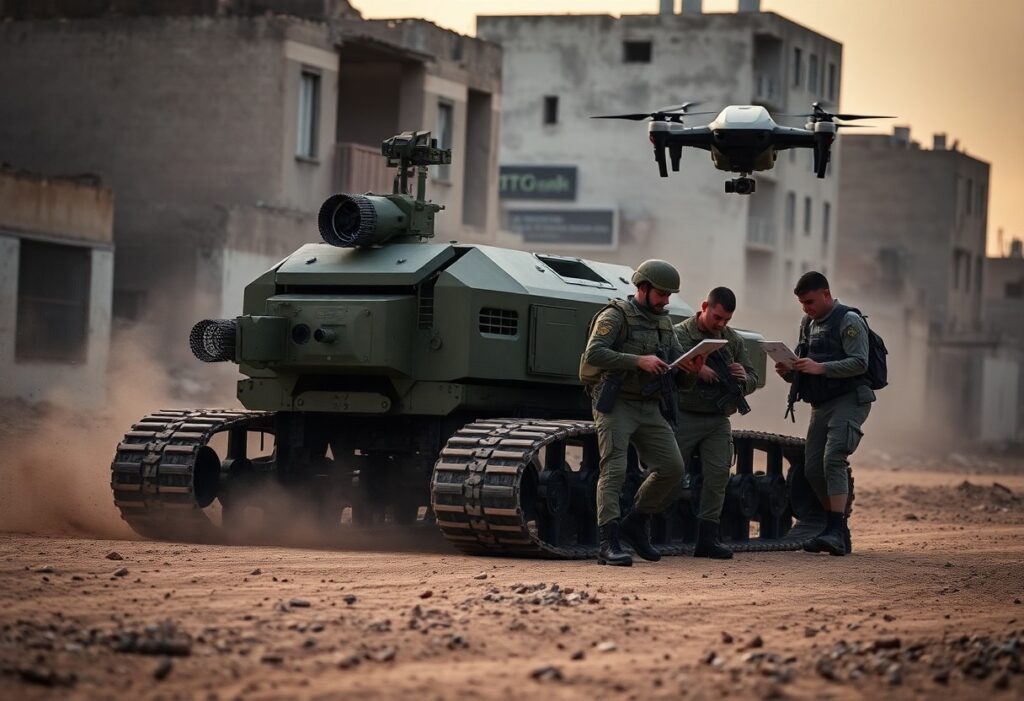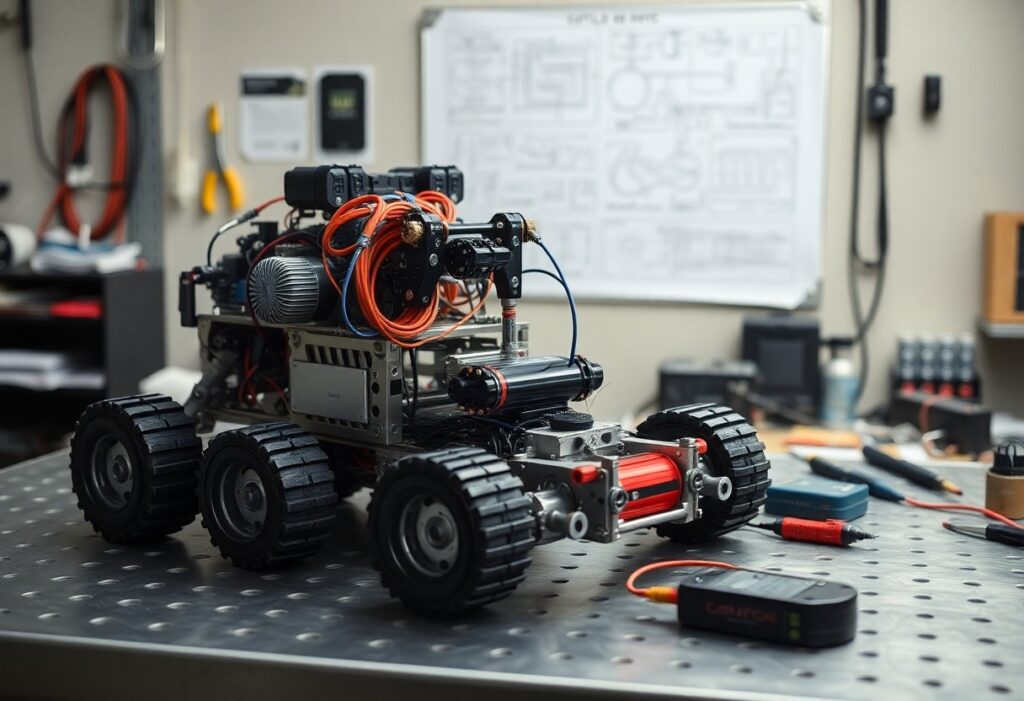
Most successful battle robots begin not with flashy parts, but with a clear strategy. You define your weight class, choose an effective weapon system, and prioritize durability under extreme stress. Every decision, from chassis material to motor selection, directly impacts performance in the arena. You build not just to fight, but to outlast and outmaneuver.
The Heart and the Muscles
Power Source Selection
Your robot’s performance hinges on choosing the right battery. Lithium-polymer packs deliver high discharge rates and lightweight efficiency, ideal for short, intense battles. You’ll need to balance capacity with weight, ensuring enough juice to drive all systems without sacrificing agility or speed.
Motors and Drive Systems
Electric motors translate stored energy into motion and weapon action. Brushless motors offer superior power-to-weight ratios and durability under impact. Match motor specifications to your robot’s weight class and fighting style-high torque for rammers, high RPM for spinners.
Structural Integration
Mounting components securely affects both responsiveness and survivability. Use rigid frames to minimize flex during collisions. Position heavy elements like batteries and motors low and central to maintain stability and improve maneuverability on the arena floor.
The Implement of Violence
Weapon Selection
You choose your weapon based on speed, impact, and reliability. A well-balanced spinning bar delivers devastating hits without sacrificing control. Your robot’s frame must absorb recoil, so you reinforce mounting points with chromoly steel. Every gram matters-optimize mass to maximize damage while staying within weight limits.
The Nervous System
Your robot’s nervous system is the network of controllers and sensors that translate your commands into motion and response. You rely on motor controllers to regulate power delivery with precision, ensuring each wheel or weapon actuator moves exactly as intended. Wiring must be clean, signal paths short, and interference minimized to maintain responsiveness under combat stress. You’ll integrate gyroscopes and impact sensors to detect orientation and damage, feeding real-time data back to your control interface. This system becomes the reflexive core-silent, fast, and unforgiving when latency creeps in.
The Trial of the Arena
You step into the arena knowing every design choice will be tested under pressure. Your robot’s speed, armor, and weapon system face real combat against equally aggressive builds. Impact forces reveal structural weaknesses no simulation could predict. You adapt your strategy mid-match, responding to an opponent’s movement patterns. This is where theory becomes survival.
Conclusion
On the whole, designing a competitive battle robot from scratch demands precision in weight distribution, strategic weapon selection, and durable materials. You balance agility with armor, prioritize reliable electronics, and test iteratively. Success comes not from complexity alone, but from thoughtful integration of mechanics, power, and control tailored to your robot’s role in the arena.