
Agility’s Digit 5 Sits Down Rather Than Risk Falling on a Coworker
Agility Robotics says its new humanoid lifts 50 pounds, runs 20+ hours a day, and squats to the floor when a human walks by so it can never topple onto them.

Agility Robotics says its new humanoid lifts 50 pounds, runs 20+ hours a day, and squats to the floor when a human walks by so it can never topple onto them.
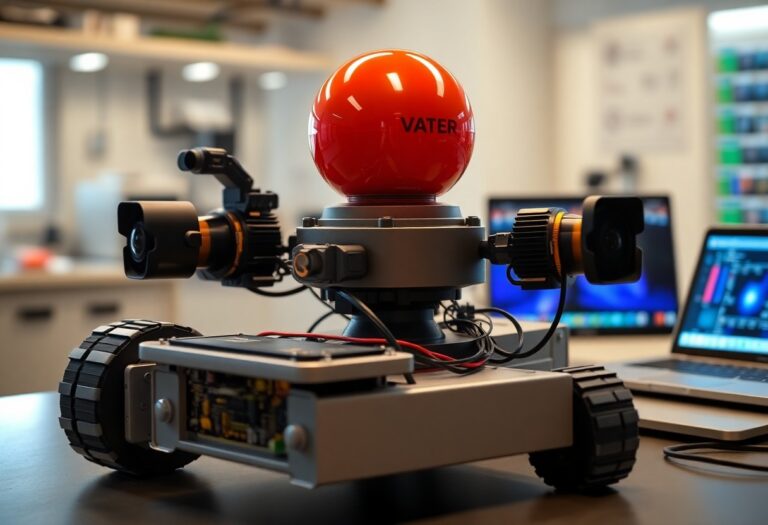
Many robotics projects fail because they rely on a single data source, but you can build a more responsive system by integrating multiple sensors. You’ll combine inputs from cameras, ultrasonic sensors, and IMUs to process environmental data instantly, enabling your robot to react intelligently and autonomously in dynamic conditions. The Sensory Apparatus You rely on…
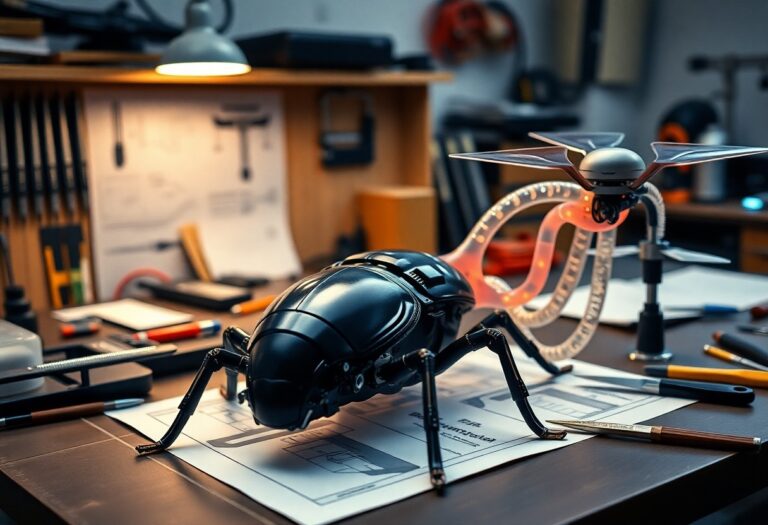
With millions of years of evolutionary refinement, nature offers proven solutions to movement, sensing, and adaptation that you can apply directly to robotics. By observing animals, insects, and natural systems, you design machines that walk like insects, fly like birds, or grip like plant tendrils-achieving efficiency and functionality that traditional engineering often misses. The Biological…
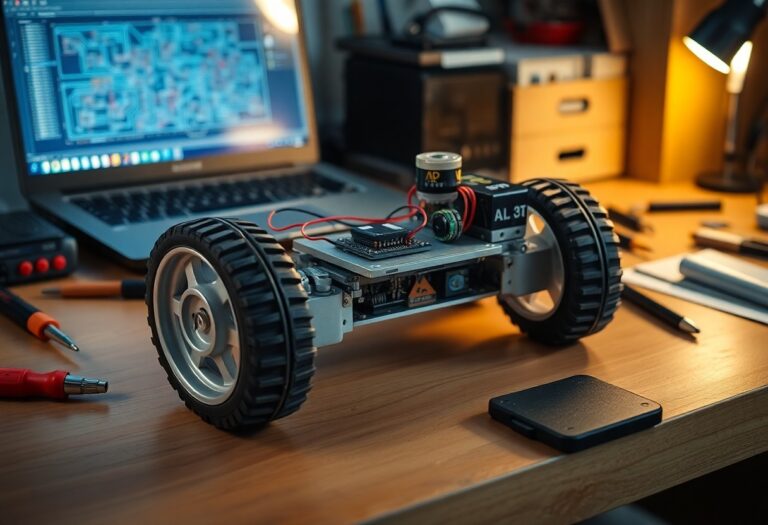
Most self-balancing robots rely on precise sensor feedback and real-time control, and you can build one using an Arduino, a motor driver, MPU-6050 gyroscope, and DC motors. With basic coding and electronics skills, you’ll assemble and program a robot that maintains balance on two wheels by continuously adjusting motor output based on tilt data. Essential…
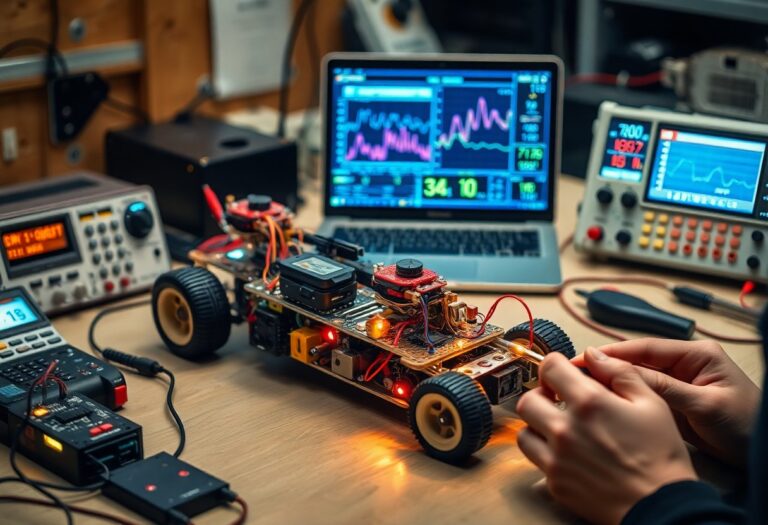
Most robotics projects fail because they lack real-time feedback and remote oversight. You can avoid this by integrating telemetry and remote monitoring from the start. These systems let you track performance, diagnose issues, and adjust operations from a distance, ensuring reliability and precision in dynamic environments. The Frame and the Motor Your robot’s frame sets…
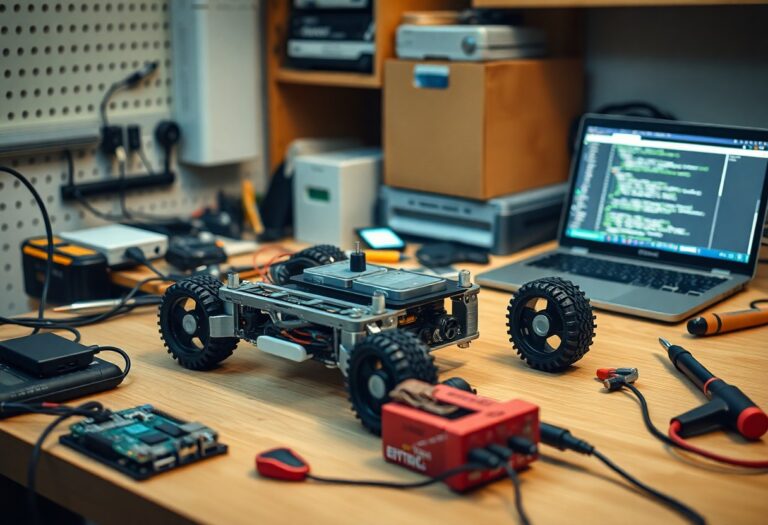
OpenSource AI frameworks give you direct access to powerful tools that accelerate robot development. You can modify code, integrate sensors, and train models without licensing barriers. Platforms like TensorFlow, PyTorch, and ROS work together to turn ideas into functional robots faster and more transparently than ever. The Selection of Iron and Silicon You choose materials…
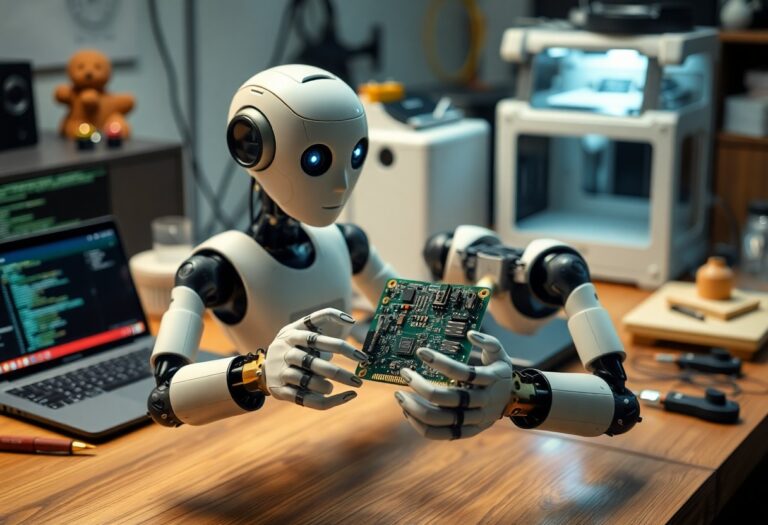
Robot interaction begins with understanding human cues. You design sensors to detect speech, facial expressions, and gestures. You integrate natural language processing and machine learning to interpret intent. You refine responses through real-world feedback. Your robot learns to respond in ways that feel intuitive, building trust and clarity in everyday environments. Identifying Key Factors for…
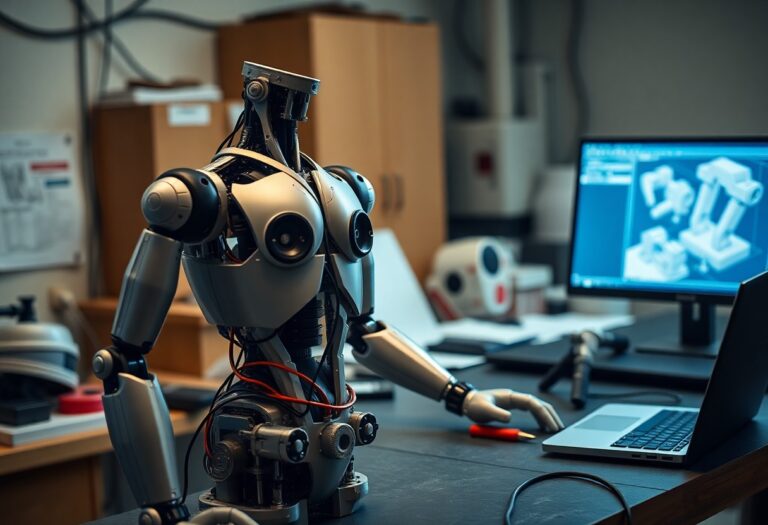
Over the past decade, humanoid robotics has moved from research labs to accessible DIY projects. You can build your own functional prototype by selecting the right frame materials, integrating servo motors for joint movement, programming basic locomotion, and using sensors for environmental awareness. This guide walks you through each step with precision and clarity. Assessing…

With the advent of generative AI, you are witnessing a revolutionary shift in robotics that enhances intelligence and adaptability. These advanced algorithms empower robots to learn from their environments, improving performance and decision-making capabilities. As you explore the integration of generative AI in robotics, you’ll discover how this technology enhances tasks, optimizes processes, and ultimately…
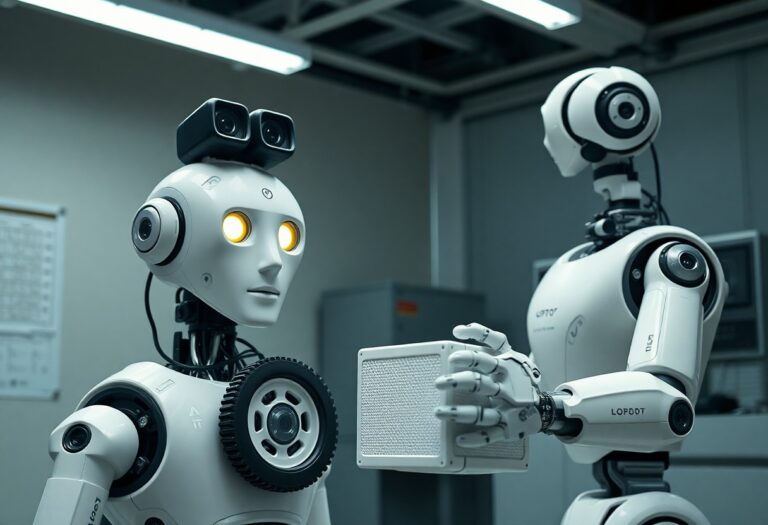
With advances in sensor fusion, learning algorithms, and tactile materials, you can enable your robots to perceive environments through sight, sound, and touch simultaneously; this multimodal approach improves reliability, situational awareness, and human-robot interaction by combining complementary cues, mitigating single-sensor failures, and enabling richer object understanding, navigation, and collaborative manipulation in real-world settings. The Basis…