Meta Built Its Home Robot With a Chinese Partner. Should That Robot Live in Your House?
Meta wants a robot that helps around your home. To build the first one, it flew staff to Shanghai and worked with a Chinese robot company called Fourier.
That is the report from The Information, picked up by Engadget, heise and others. The prototype is called Max. It took about three months to build. A second version, Max 2, has been in the works since September.
So here is the question people are now arguing about. If the robot that will one day watch and listen in your living room is designed with a Chinese partner, should that worry you?
What Meta actually built
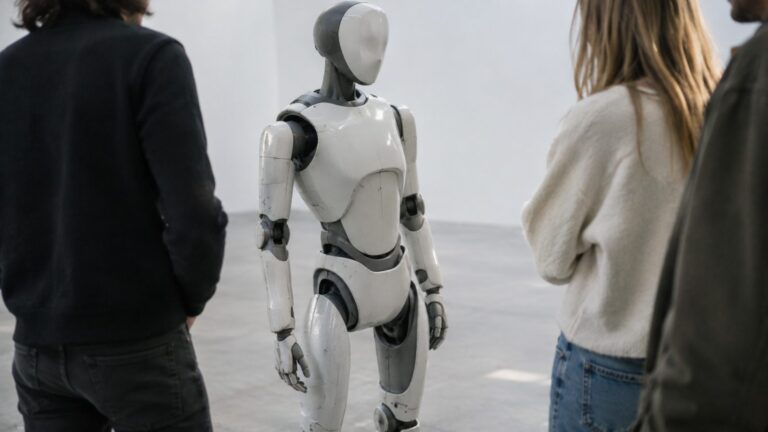
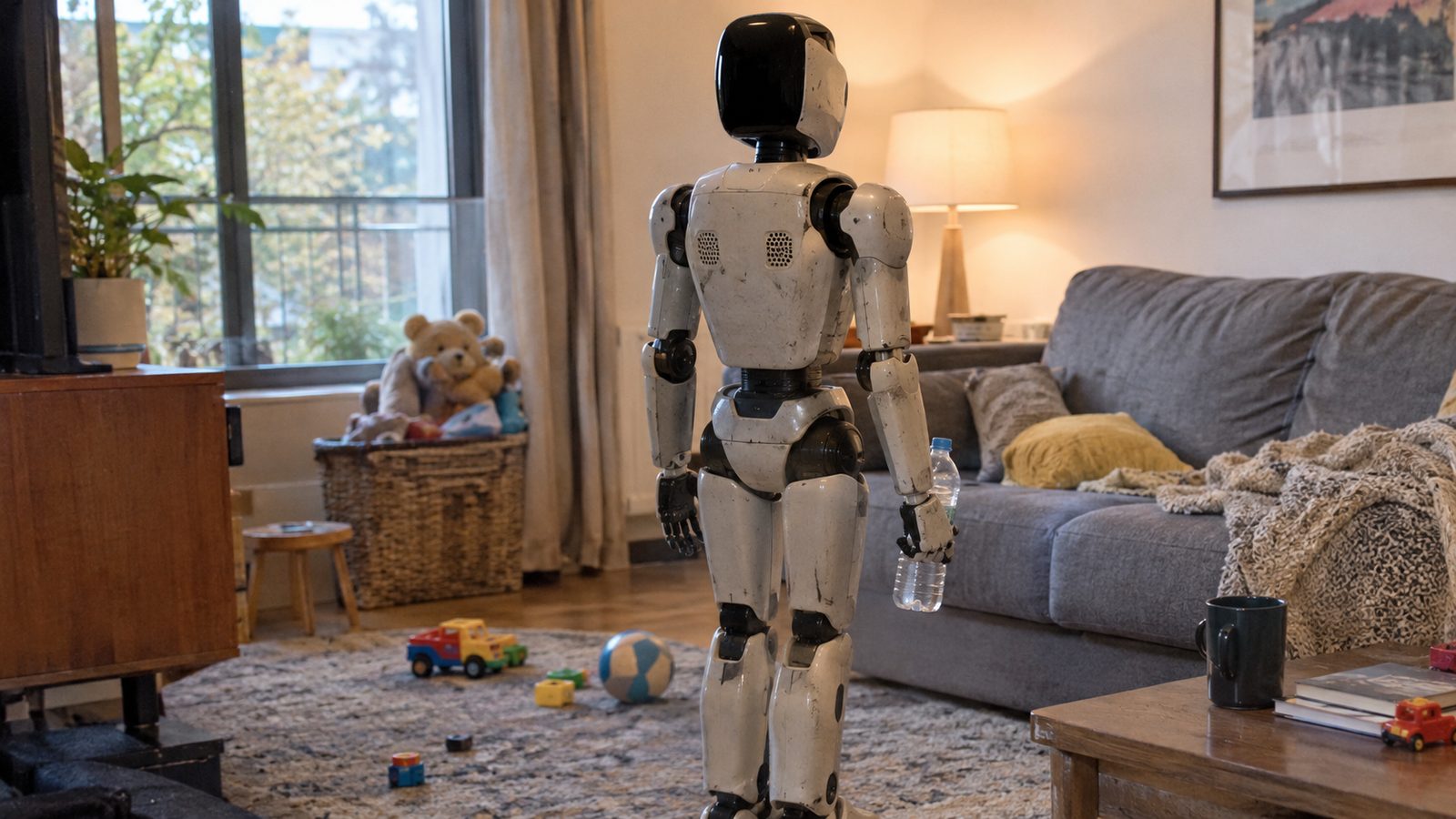
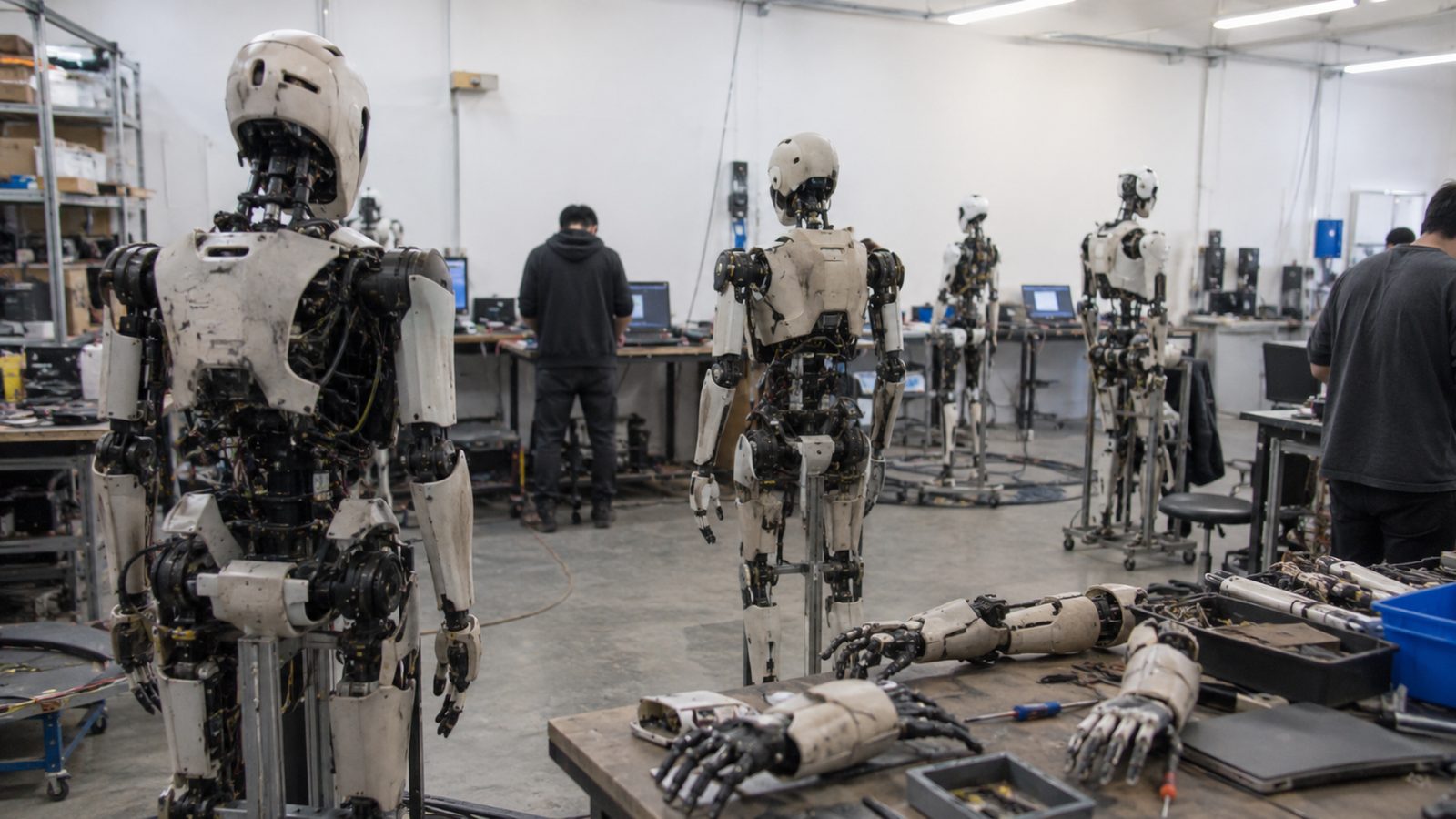
Max stands about five feet tall and weighs about 106 pounds, according to the reports. It has a screen for a face that shows expressions, speakers in its chest, and five-fingered hands for small things like bottles and toys. It runs on a computer chip from the American company Nvidia.
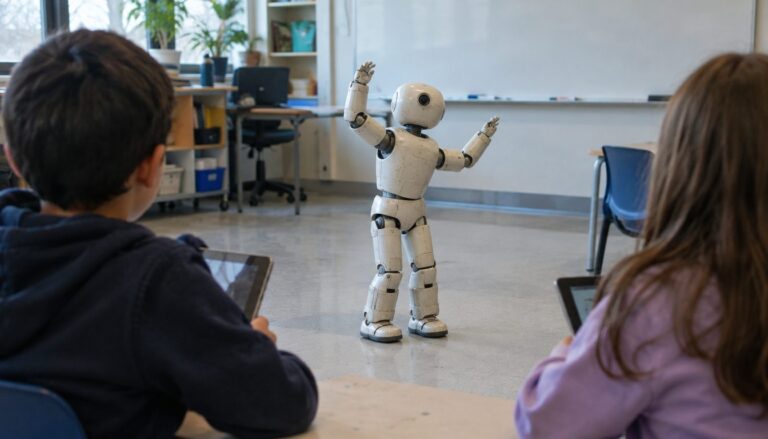
Interesting Engineering lists Meta’s design goals. Max should hear spoken commands from about 16 feet away and spot a wave from about 10 feet. It should keep eye contact and show when it is listening or unsure. These are goals, not proven skills.
Max 2 is supposed to get a new upper body, better hands, a projector and extra sensors so it can climb stairs. Meta told The Information the Fourier work is internal research. It has no plans to sell these units, and no launch date exists for a consumer version.
The case for working with China
Speed is the strongest argument. Three months from start to a walking prototype is fast. Max reportedly draws on engineering from three generations of Fourier robots. Meta did not have to learn all of that from scratch.
China is also where the parts are. A Forbes report cites the consulting firm McKinsey: China holds a big share of the supply of key robot parts, especially the magnets inside motors. The Foundation for Defense of Democracies, a Washington policy group, counts about 300,000 factory robots installed in China in 2024. That is nearly ten times the US figure.
And the brain is American. Meta writes the software, and the chip comes from Nvidia. Supporters of the deal would say Fourier supplies a body, not the eyes and ears that matter.

The case against it
Washington is moving the other way. In March, Senators Tom Cotton, a Republican, and Chuck Schumer, a Democrat, introduced a bill to stop federal money from buying robots made by companies from a “foreign adversary” country. It covers humanoid robots. It does not touch what you buy for your home.
Lawmakers have pushed harder on another Chinese maker. In December 2025, Congress urged the Pentagon to label Unitree a “Chinese military company”, according to the same policy group. Critics see robots with cameras and microphones as the next fight after Chinese drones, whose parts were barred from entering the US that same month.
US rivals also show it can be done differently. Forbes reports that 1X makes its motors, batteries and sensors in Hayward, California. Figure AI builds its own joints, hands and batteries. Their pitch is simple: a home robot should not depend on a rival country’s factories.
Where the evidence runs thin
Nobody has shown that Fourier sees any data from Max. Meta says the project is research, and the software and chip are American. The worry is about the future, not about anything reported to have gone wrong.
The bigger unknown is who would build a Max you could actually buy. Meta has not said. If Fourier only helped with early prototypes, the risk is small. If Fourier builds the bodies that end up in American homes, the bill in Congress would not stop it, because it only covers government purchases.
Our view: building a prototype fast in Shanghai is a business choice, not a scandal. But a robot that hears you from across the room is a different product from a phone case. Before Meta sells one, you deserve to know where it was made and where its recordings go.
Sources
- Meta reportedly builds humanoid robot prototype with China's Fourier (TechNode)
- Meta reportedly building humanoid household robot with Chinese help (heise)
- Meta reportedly built a humanoid robot prototype that can do household chores (Engadget)
- Meta builds 105-pound humanoid robot prototype to explore future home uses (Interesting Engineering)
- As Chinese robotics industry surges, Senate considers limited federal procurement ban (FDD)
- US humanoid supply chain push tests China dependence (Humanoid.guide, summarizing Forbes)