Noetix’s $1,400 Humanoid Robot Is a Bet on a Smarter Brain Later
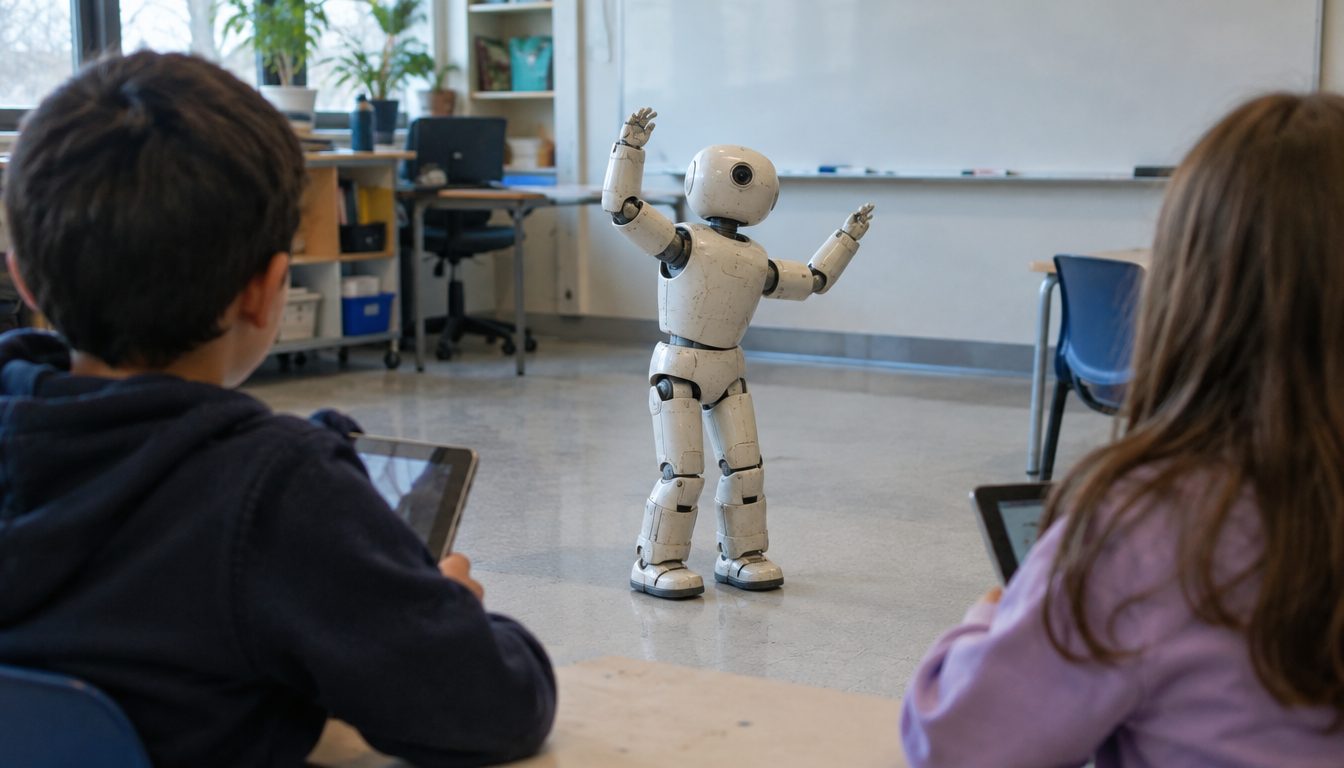
A walking, dancing humanoid robot for RMB 9,998, or about $1,400. That is what Chinese startup Noetix Robotics charges for Bumi, a robot about as tall as a toddler, built for kids and classrooms. A year after launch, the company is betting that this cheap body can pay for a much smarter brain.
Bumi stands 94 centimeters (37 inches) tall and weighs about 12 kilograms (26.5 pounds). The South China Morning Post reported those company figures. Presales opened in October 2025, and more than 200 sold in the first three hours, the paper reported.
Bumi is a teaching robot, not a household helper
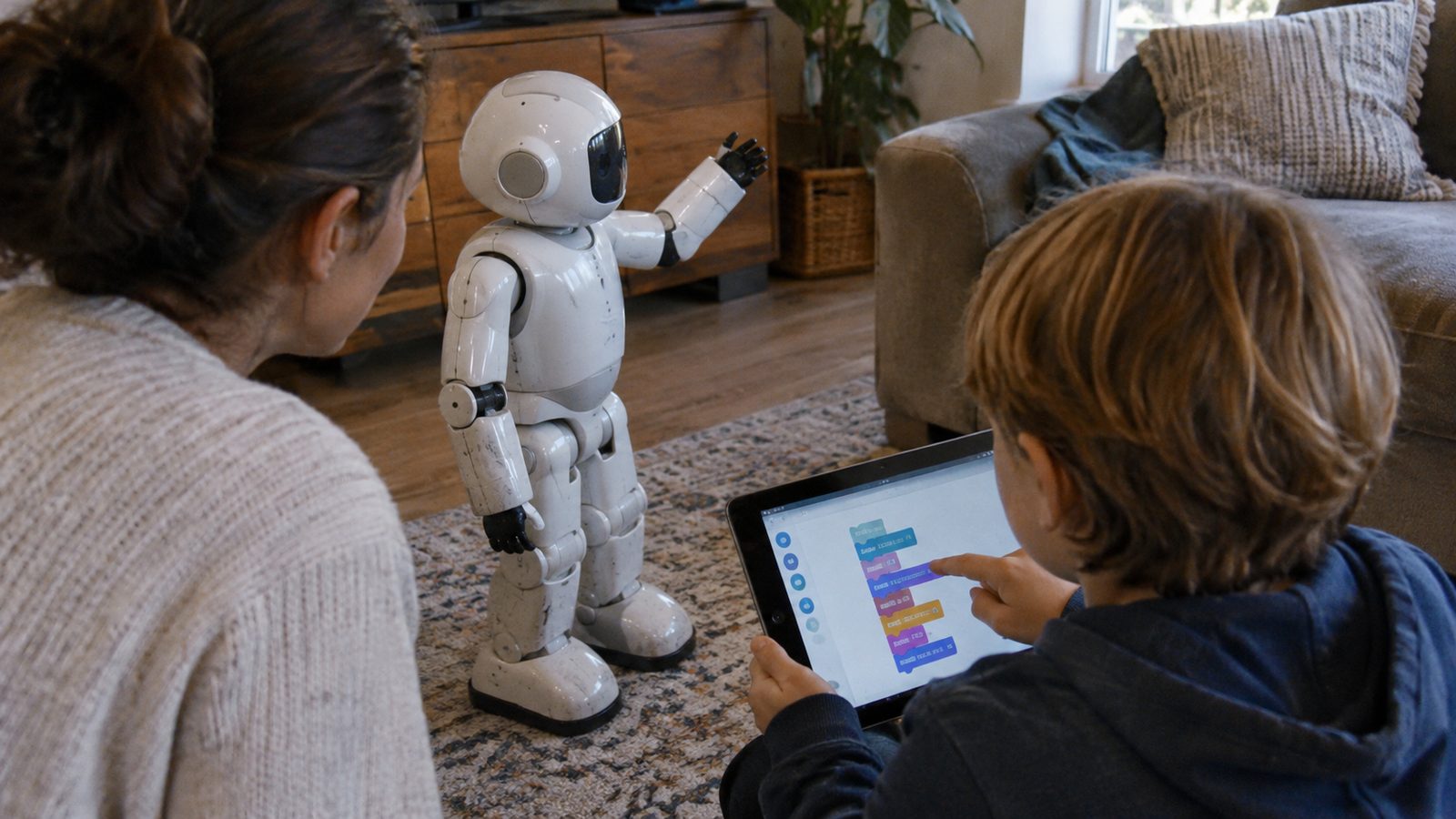
Bumi walks on two legs, dances and responds to voice commands. Children can program its moves and then watch it perform them. TechNode says it was built for programming lessons and companionship.
It will not fold your laundry. Robot review site Robozaps says it lacks the strength, nimble hands and sensors for cooking, cleaning or lifting. The battery lasts one to two hours, depending on how hard the robot works.
The low price was planned from day one. Founder Jiang Zheyuan left his doctoral studies at Tsinghua University to start Noetix in September 2023. In a March interview, he said he built Bumi’s body largely from composite materials instead of metal. The price was part of the design before the first robot was built.
Fame on Chinese TV turned into a factory problem
Noetix got noticed the loud way. Its larger N2 robot finished second in Beijing’s 2025 humanoid half-marathon. In 2026, its robots appeared in a comedy sketch on China’s Spring Festival Gala. Robozaps puts the TV audience at 677 million viewers.
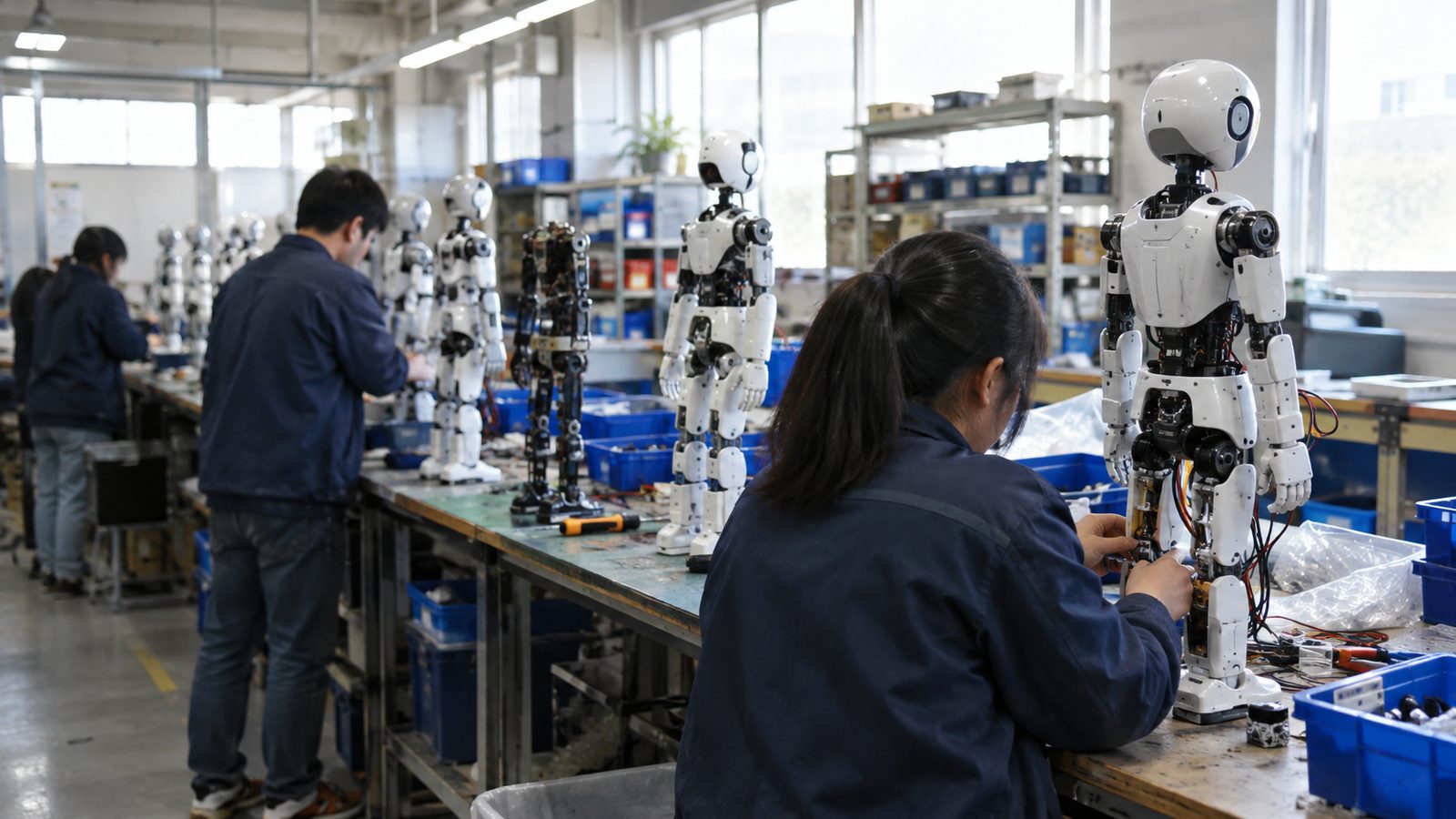
Jiang said orders surged after the gala. In March, he set a goal of selling more than 10,000 Bumis in 2026. The problems he named were practical ones: getting parts on time and running a bigger assembly line. One missing part can leave a whole robot unfinished, he explained.
That matters more for a cheap product. A low price leaves little profit on each robot. Every robot that needs reworking or a repair visit eats into that profit. TechNode’s report does not say whether Noetix is on track for 10,000.
The cheap body is meant to pay for a smarter brain
In September, Noetix launched a new brand, Scalabot, along with a software design called HERON. HERON is a world model: software that helps a robot understand the room around it and learn what to do there. Jiang told a Chinese business paper that this research had become one of the company’s biggest costs. He also said robot sales could help fund it.
The logic is simple. More cheap robots in classrooms means more real-world experience to train smarter software. The catch, TechNode points out, is that a robot in a classroom does not produce useful training data by itself. Someone still has to choose, record and sort that data.
Outside money helps too. Noetix’s backers include Chendao Capital, an investment firm linked to the battery maker CATL. In October, media reports said Noetix had filed paperwork in private to list its shares in Hong Kong, possibly in 2027.
You can buy one in the US, but not at the China price
At the CES tech show in January, co-founder Zhang Shipu named North America as one of five target regions. He said the company aimed to sell robots abroad by the thousands in the second quarter, with local support and repair service to back them.
For now, $1,400 is the price in China. Robots International, an online robot dealer that prices in US dollars, lists the standard Bumi at $5,995, “subject to availability.” That is more than four times the China price. Robozaps lists Unitree’s larger R1 humanoid at $4,900.
Our take: if your child wants to learn coding on a robot that actually walks, Bumi is the cheapest real humanoid on the market. If you want help with chores, look elsewhere, and Noetix does not claim otherwise. The thing to watch is the Hong Kong listing. If it goes ahead, Noetix will have to show publicly how much its robots earn and how much the smarter brain costs.