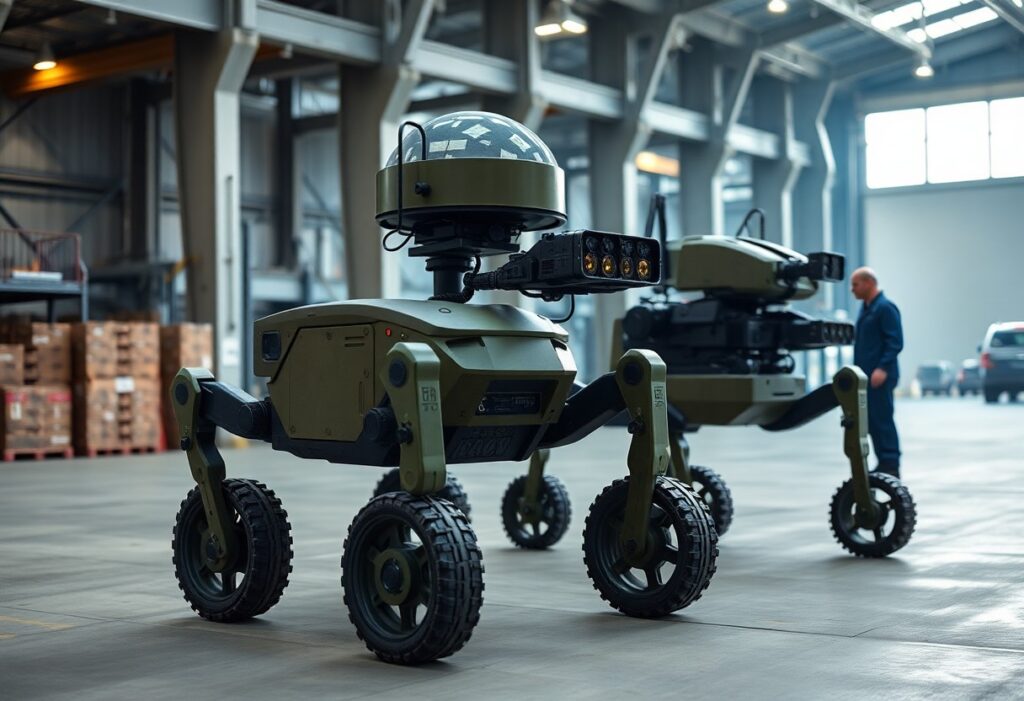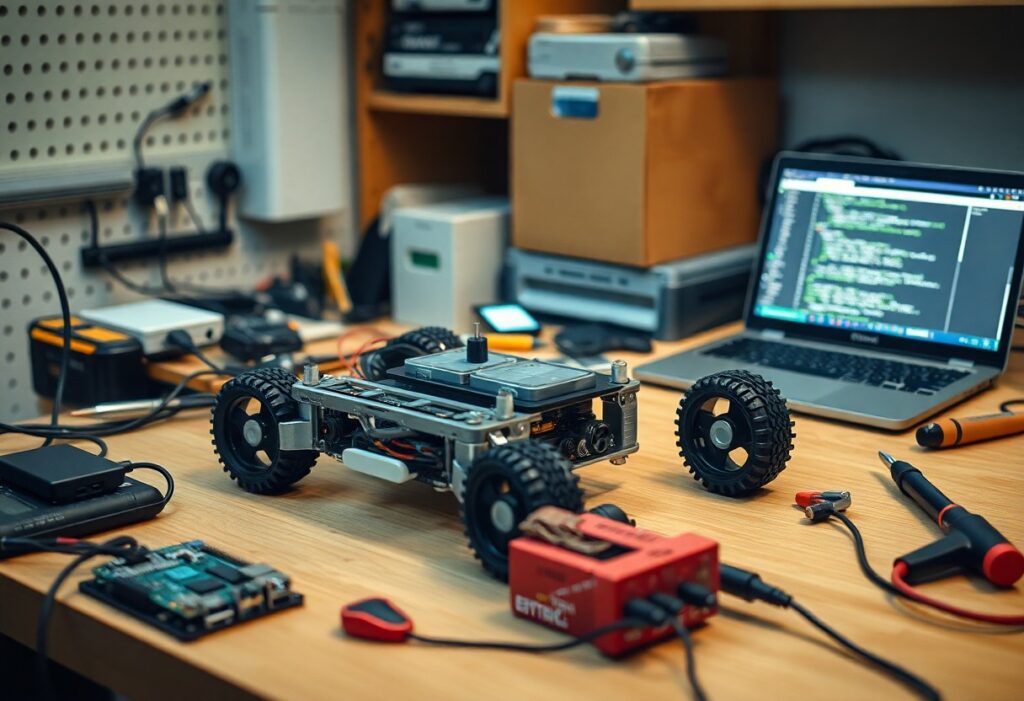
OpenSource AI frameworks give you direct access to powerful tools that accelerate robot development. You can modify code, integrate sensors, and train models without licensing barriers. Platforms like TensorFlow, PyTorch, and ROS work together to turn ideas into functional robots faster and more transparently than ever.
The Selection of Iron and Silicon
You choose materials not just for strength or conductivity, but for compatibility with open-source control systems. Iron provides structural integrity in robotic frames, while silicon enables the precise processing needed for real-time AI inference. Your design depends on how well these elements integrate with community-driven firmware and sensor libraries. Matching physical components to accessible software defines the robot’s adaptability and long-term evolution.
The Logic of the System
You design robot behavior by structuring decision pathways within the AI framework. Each input triggers a defined response based on rules or learned patterns, forming the core logic. Your choices in state management, condition evaluation, and action selection determine how intelligently the robot reacts. This internal consistency turns raw data into purposeful motion and interaction.
The Eye of the Machine
Your robot’s ability to perceive its environment begins with computer vision, and open-source AI frameworks give you direct access to powerful tools. You integrate pre-trained models from TensorFlow or PyTorch to detect objects, track motion, and interpret scenes in real time. With a standard camera and a few lines of code, your machine gains the ability to “see” and react. You fine-tune these models on custom datasets, improving accuracy for your specific use case. Open-source communities continuously refine these tools, so your robot benefits from collective innovation without reinventing the wheel.
Intelligence in Small Places
You can now run powerful AI agents on compact, low-power devices thanks to optimized open-source frameworks. These tools bring real-time decision-making directly into edge environments without relying on cloud infrastructure. The Best Open Source Frameworks For Building AI Agents support efficient deployment where space and resources are limited, giving you greater flexibility and control over on-device intelligence.
The Path Through the Room
You define the robot’s route by mapping obstacles and waypoints in real time. Sensors feed data into the open-source AI framework, which processes spatial information using probabilistic algorithms. Your robot adjusts its course as people move or objects shift. This dynamic planning happens in milliseconds, allowing smooth traversal across cluttered environments. You refine accuracy by tuning parameters in the navigation stack.
The Work of the Hands
Designing the Physical Form
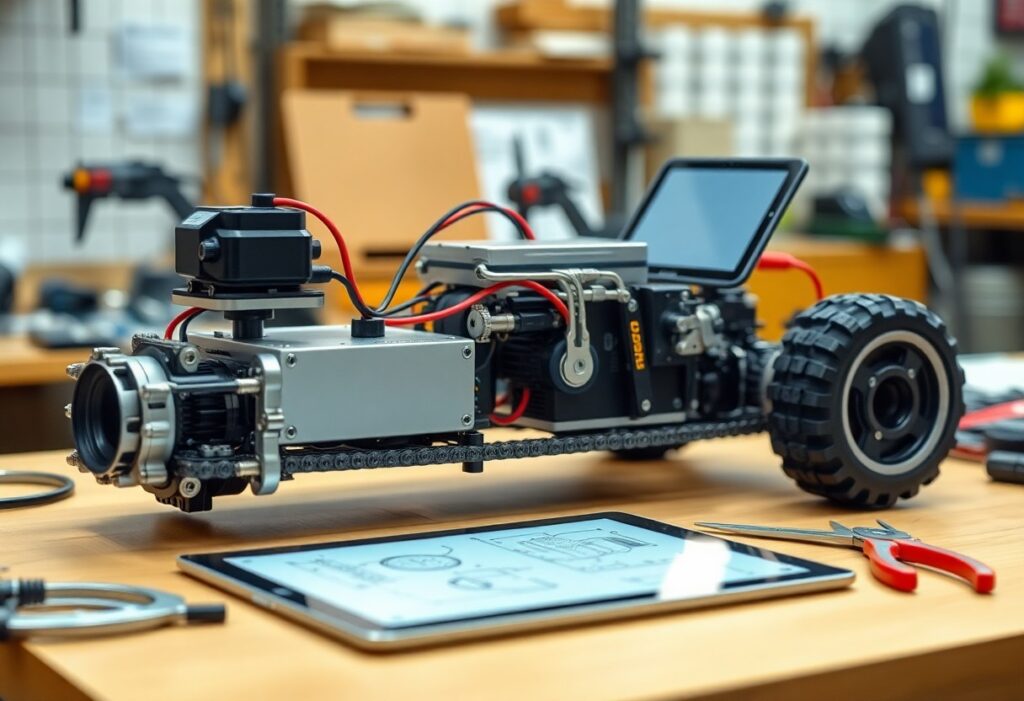
You shape the robot’s body with precision, matching mechanical design to AI capabilities. Every joint, sensor, and motor must align with the intelligence driving it. Open-source frameworks let you prototype quickly, testing real-world performance from day one. Your hands turn abstract models into responsive machines that see, move, and adapt.
Conclusion
As a reminder, building robots with open-source AI frameworks puts powerful tools in your hands. You gain flexibility, transparency, and community support, enabling faster development and deeper understanding. Your projects benefit from real-world testing and continuous improvement, all without vendor lock-in or hidden costs. You shape the future of robotics on your terms.