
One Drone Every 48 Seconds: Should a Delivery Hub Be Allowed Next Door?
Drone delivery promises snacks in minutes. Neighbors of the hubs say it brings a weed-whacker whine all day. Here is the fight, and what nobody has measured yet.
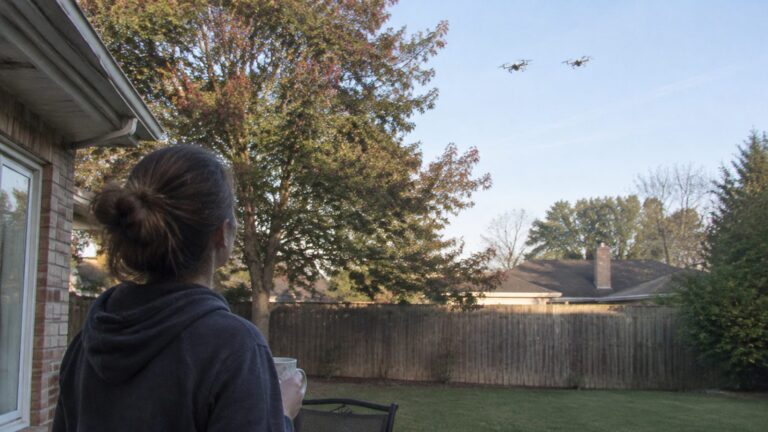
Drone delivery promises snacks in minutes. Neighbors of the hubs say it brings a weed-whacker whine all day. Here is the fight, and what nobody has measured yet.
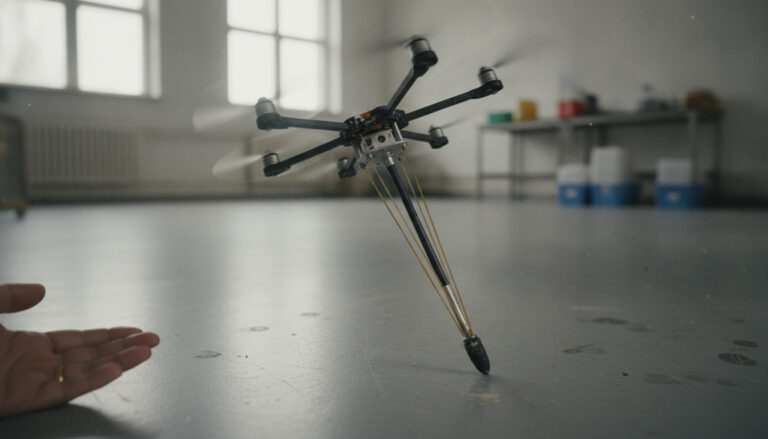
A 35-gram drone with a rubber-band pogo leg hops for 50 minutes on one charge. Flying normally, the same machine dies after six.
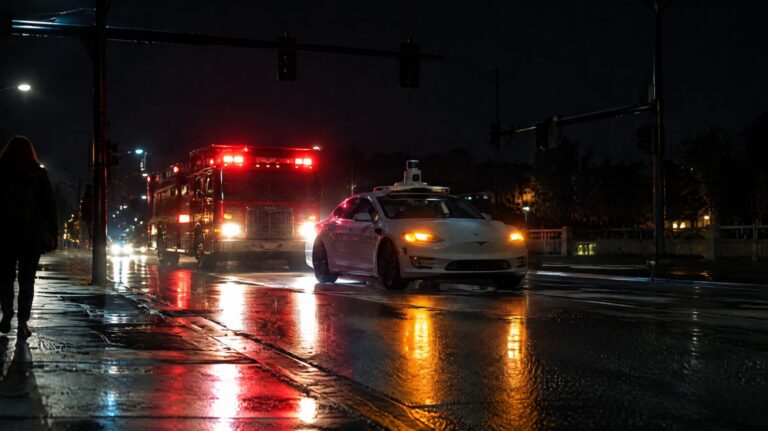
A new California law fines driverless car companies up to $10,000 per vehicle when a robotaxi blocks an emergency. The catch: it starts in 2028.
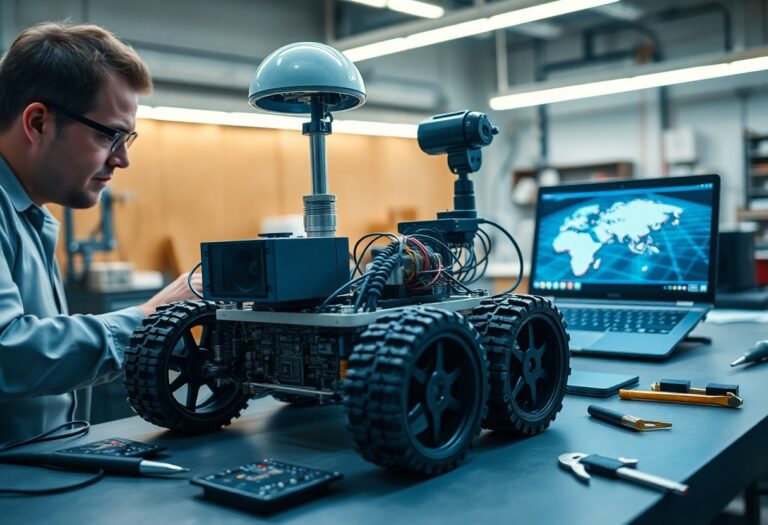
Many robotics enthusiasts aim to build machines that perceive and move through environments without human guidance. You can construct a robot with autonomous mapping capabilities using sensors like LiDAR or depth cameras, paired with SLAM algorithms. This guide walks you through the core components, software frameworks, and integration steps to bring your intelligent robot to…
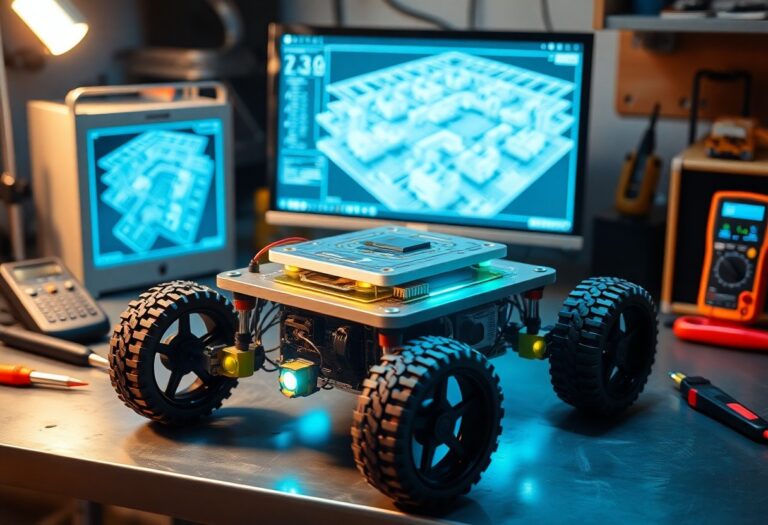
Just define sensor choices, SLAM algorithms, chassis, and power requirements so you can design and build an autonomous mapping robot that produces accurate maps, maintains localization, and operates safely during field testing. Hardware Architecture and Component Selection Your hardware design balances processing, power, and payload constraints; choose a modular chassis, scalable compute (embedded GPU or…
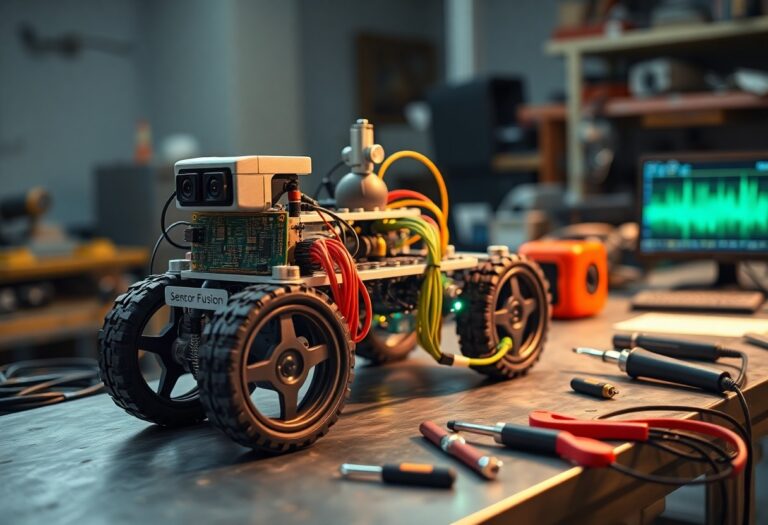
Just assemble sensors, microcontroller, and fusion algorithms to build a robot that synthesizes IMU, lidar, and vision data; you will learn hardware selection, calibration, sensor synchronization, and data fusion techniques to achieve reliable perception and control. Hardware Architecture and Sensor Selection Hardware choices define bus topology, power distribution, and compute placement, so you balance bandwidth,…
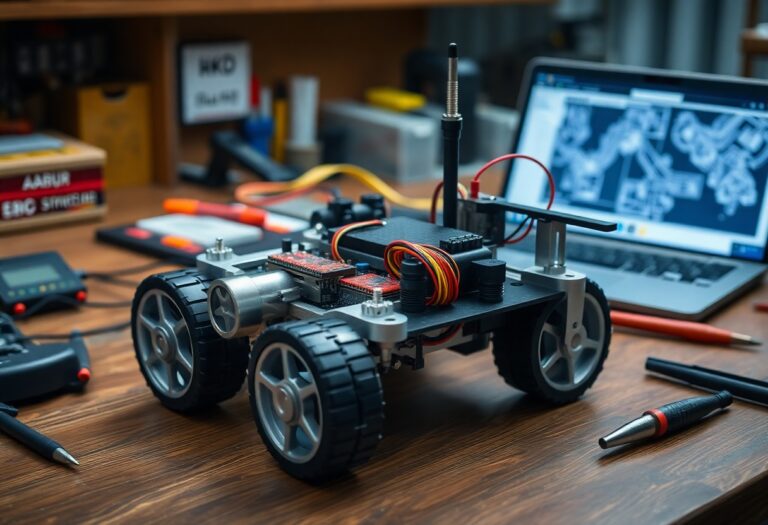
Just plan sensors, actuators, control systems, and power; design hardware, implement perception and motion-planning software, and rigorously test so you can build a dependable autonomous robot platform. Selecting the Mechanical Chassis and Locomotion Chassis selection balances weight, payload, ground clearance, modular mounting, and sensor placement; you must match frame stiffness to actuator loads and plan…
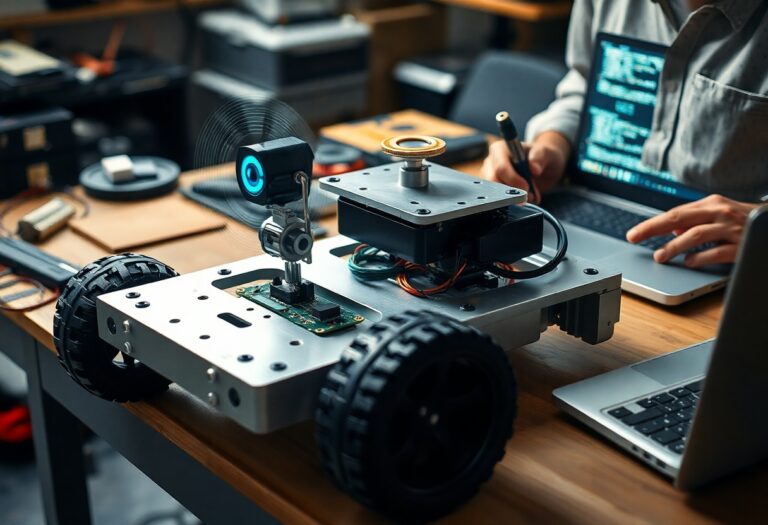
Over this concise guide, you will learn sensor selection, control design, perception integration, and testing methods to build an autonomous robot that reliably maps and avoids obstacles. Hardware Selection and Mechanical Design Select components that match sensor payload, computation, and mounting constraints so you can swap parts during testing and iterate quickly. Chassis Configuration and…
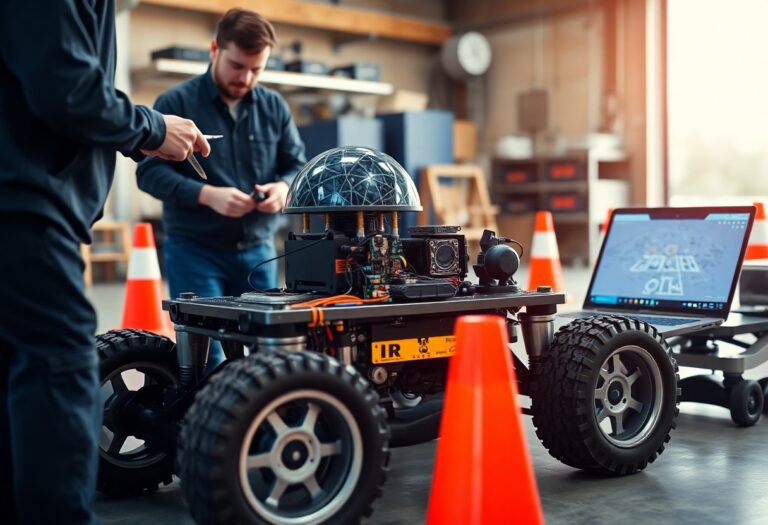
Just use sensor fusion, SLAM-based mapping, precise localization, path planning, and closed-loop control so your robot follows safe routes, avoids obstacles, and adapts to changing environments. Sensor Integration and Perception Sensors must be harmonized so you can interpret conflicting streams, aligning timestamps, compensating for drift, and prioritizing data quality to keep perception reliable in varied…
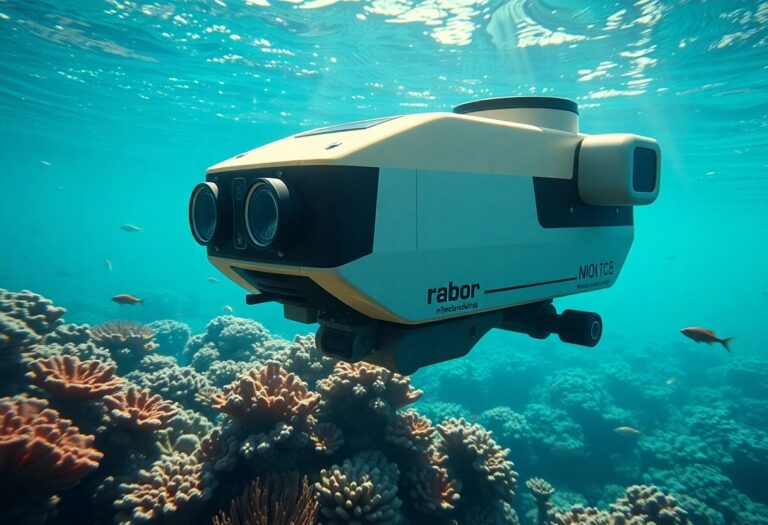
You may be surprised to learn how nautical bots are revolutionizing marine conservation efforts. These innovative technologies are designed to monitor and protect marine ecosystems with unparalleled accuracy and efficiency. By employing advanced sensors and AI, nautical bots collect valuable data on marine life, water quality, and human activities, enabling you to make informed decisions…