California Will Fine Robotaxis That Get in a Fire Truck’s Way
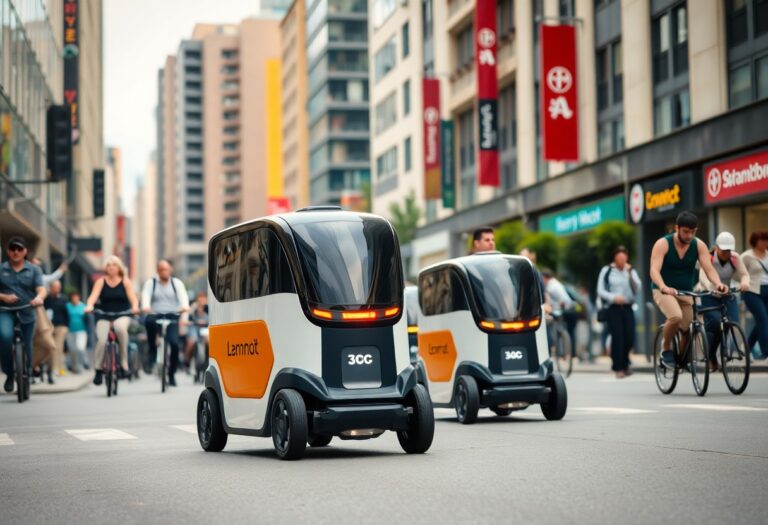
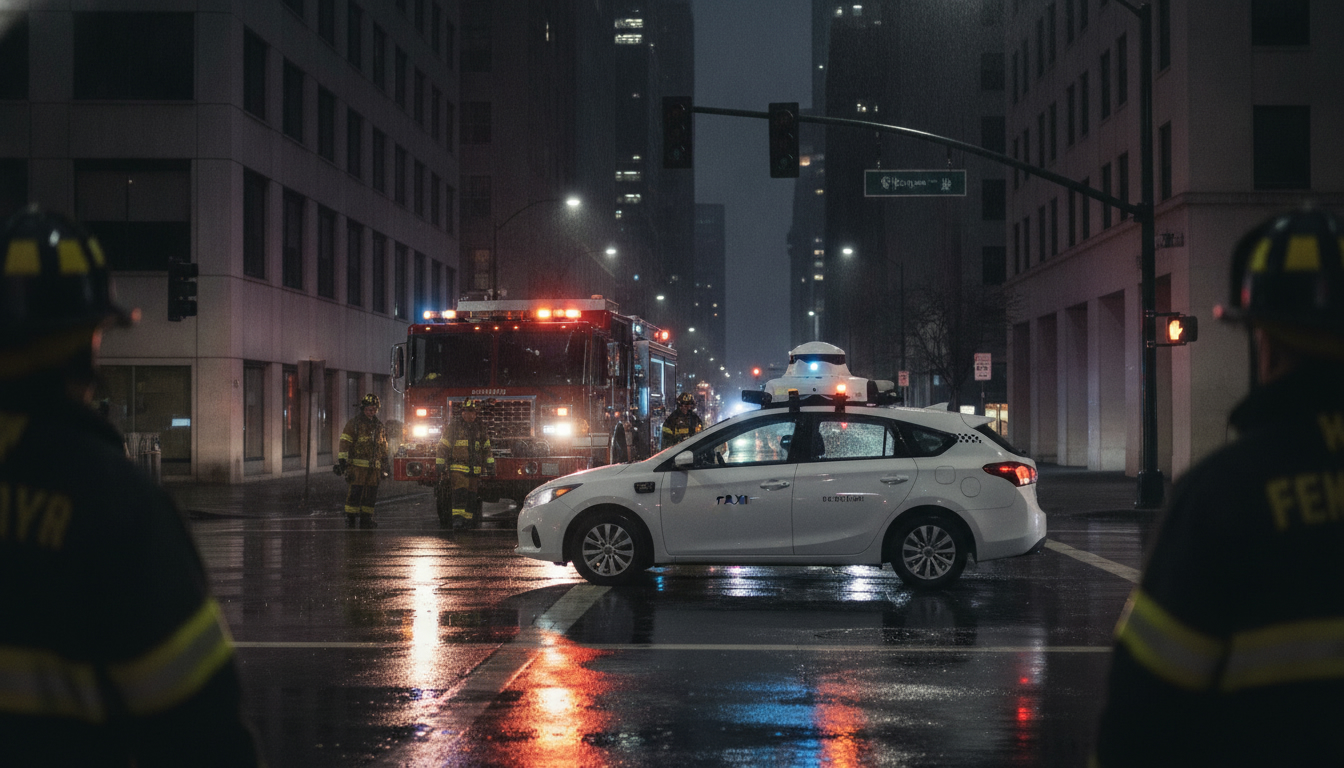
California has put a price on a driverless car that blocks a fire truck. Up to $10,000 per car.
Governor Gavin Newsom signed the bill on September 30. It is called Senate Bill 1246, written by state Senator Dave Cortese of San Jose. For the first time, a California city can drag a robotaxi company into court after one of its cars gets in the way of an emergency.
“We cannot embrace innovation at the expense of public safety,” Cortese said in his office’s announcement.
The companies now have to send a human
The law puts four duties on any company running driverless cars in the state.
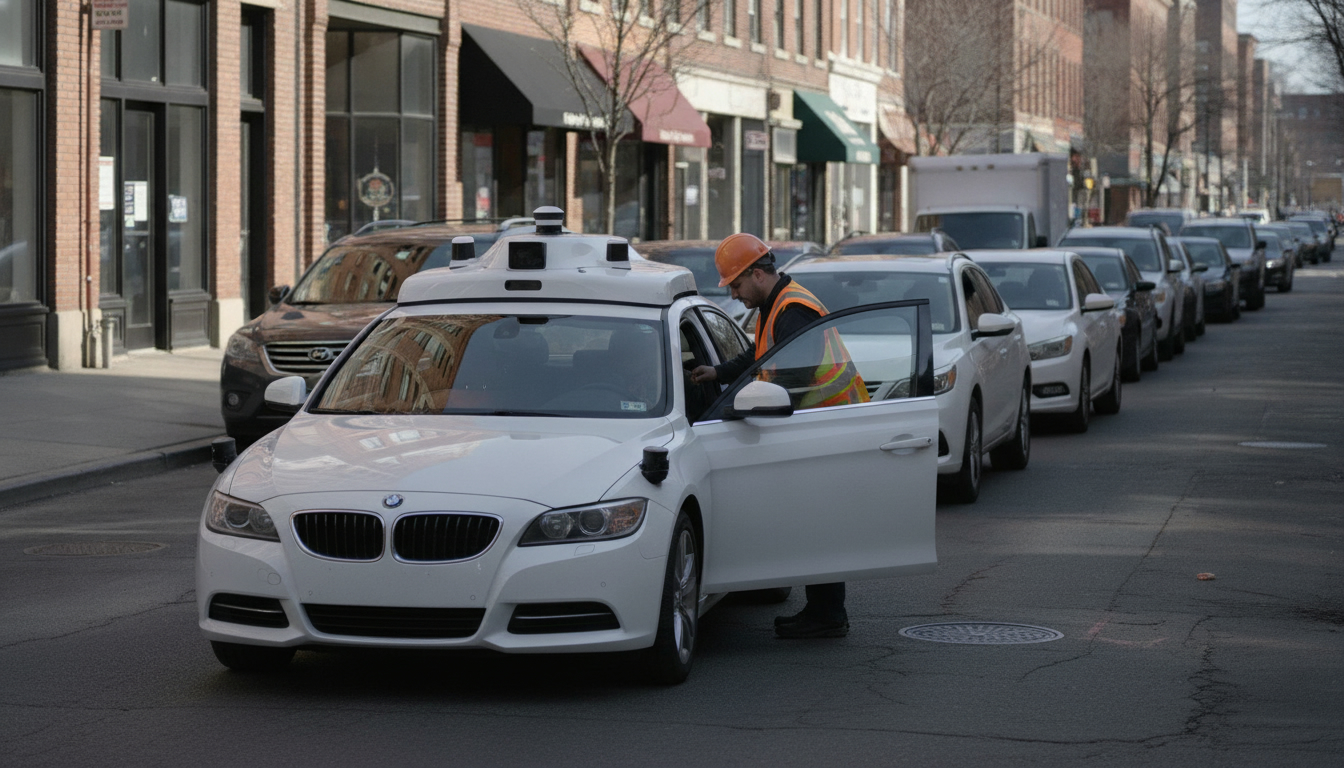
- Send someone to the spot. If a car crashes, gets stuck, blocks traffic or blocks emergency access, a worker has to show up. The law calls these people “local incident technicians”.
- Tell the city. When something knocks out a whole fleet, the company must tell local officials where its cars are and what state they are in.
- Keep the remote staff local. Anyone who can take control of a car from a desk must be based in the United States and hold a US driver’s licence.
- Report the clock. Companies must publish how long they took to respond.
The money part works like this. Cities and counties can sue, with fines of up to $5,000 for a violation. That rises to $10,000 per vehicle if a car holds up an emergency for more than 30 minutes after officials have asked for a technician, according to Gizmodo’s report.
One catch sits in the fine print. None of it starts until July 1, 2028.
Two bad nights in San Francisco wrote this law
On December 20 last year, a fire at a power substation cut electricity to about 130,000 customers in San Francisco. Traffic lights went dark across the city.
Driverless cars treat a dead traffic light as a four-way stop. To get moving again, each one needs a check from a remote staffer who cannot actually steer it, the San Francisco Standard reported. Around 1,500 of Waymo’s cars stalled, Cortese’s office says. First responders who called the company for help sat on hold for as long as 53 minutes.
In two cases, first responders climbed in and moved the cars themselves. Supervisor Bilal Mahmood told KQED the stuck cars were keeping emergency vehicles from reaching the substation that had caught fire. Waymo wrote in a blog post that its cars got through more than 7,000 dark signals that night, and that it has since changed its software and its emergency plans.
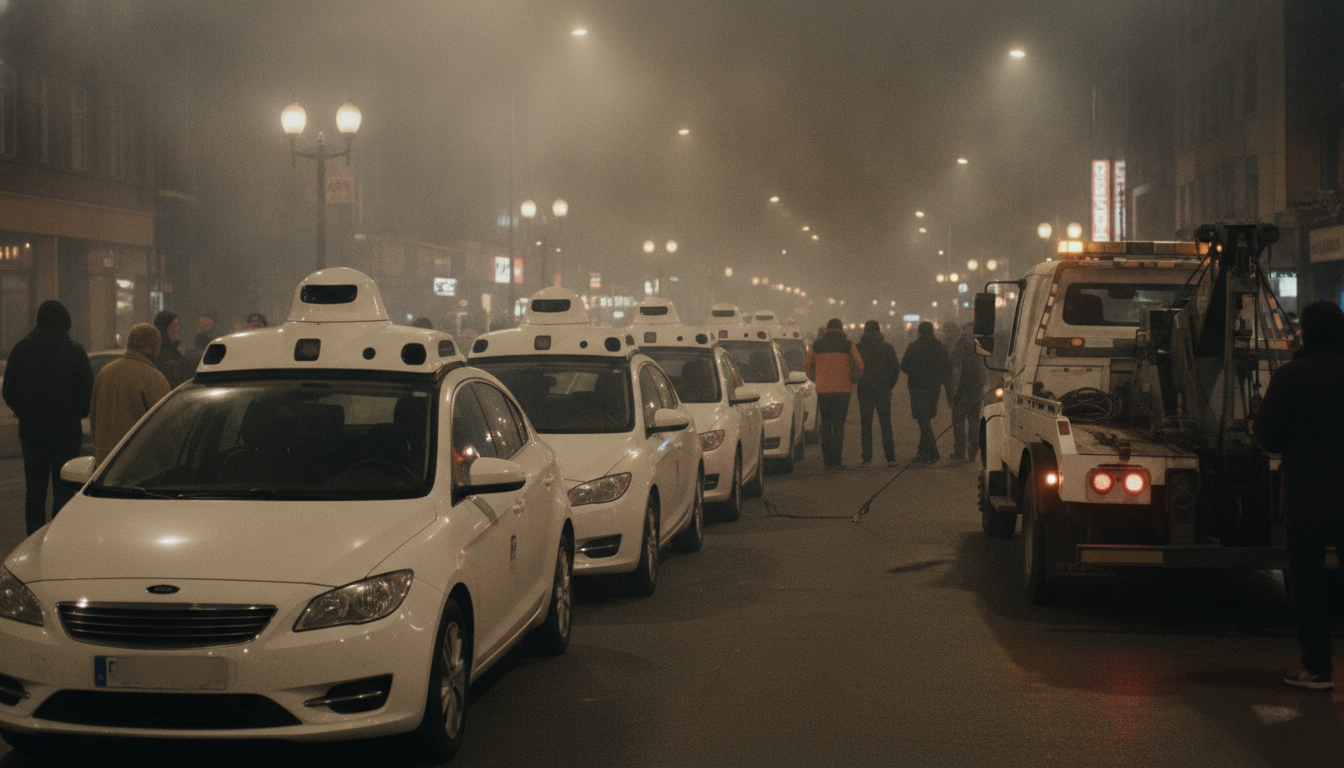
Then came the Fourth of July this year. Dozens of robotaxis were caught in holiday gridlock near the Golden Gate Bridge fireworks. Some ran their batteries flat while idling and had to be towed. One rider said he was stuck behind them for four hours. Another car rolled straight through an exploding firework in the Mission, which the company said left the vehicle undamaged.
Washington had already sent a warning letter
In July, the federal road safety agency wrote to every driverless car developer. Its administrator, Jonathan Morrison, said the agency had found a clear pattern of these cars interfering with police, firefighters and paramedics.
The letter lists what inspectors documented: cars driving into live emergency scenes, blocking ambulances, and failing to react to flashing lights, flares, smoke, fire and traffic cones. “Emergency scenes are not rare or extreme ‘edge cases,'” Morrison wrote.
What changes for you, and what does not
Nothing about your ride changes tomorrow. Waymo still runs paid driverless rides in the San Francisco Bay Area, Los Angeles and San Diego. In July it said it ran 577 robotaxis and about 500,000 paid rides a week across ten cities. Amazon’s Zoox is giving free rides to selected riders in San Francisco, and Tesla holds permits to test in the state.
Waymo told Gizmodo it was grateful for changes made to the bill, and that it is committed to making California roads safer.
Here is the honest read. The fines are small change for companies this size. The real bite is the duty to send a person and to tell the city what is happening. And the law does nothing to make a car better at spotting a flare in the road. It only makes a human arrive sooner once the car has already failed.
The weakest part is the date. Two more fireworks nights and two more winters will pass before any of this is enforceable.
Sources
- California Cracks Down on Robotaxis That Block First Responders (Gizmodo)
- Major Victory for Public Safety as Accountability, Oversight, and Emergency-Response Standards Governing Autonomous Vehicles is Signed into Law (Senator Dave Cortese)
- Letter to Driverless Automated Driving System Developers, July 8, 2026 (NHTSA)
- Waymos stalled and snarled traffic after SF's biggest fireworks show in years (The San Francisco Standard)
- Waymo to Report on Mass Stranding Event During SF December Blackout (KQED)