The Flying Camera That Follows You Is Now a Billion-Dollar Business. Here’s What Each Price Tier Buys
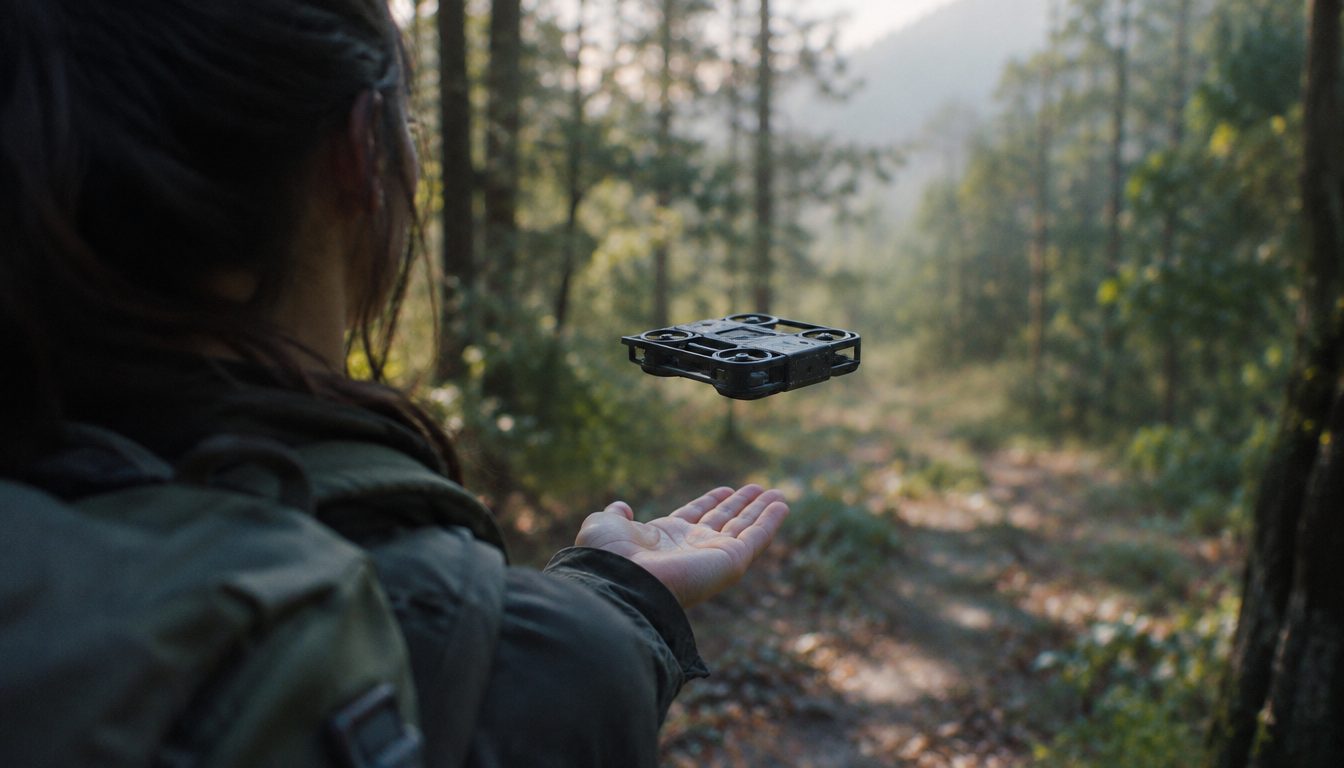
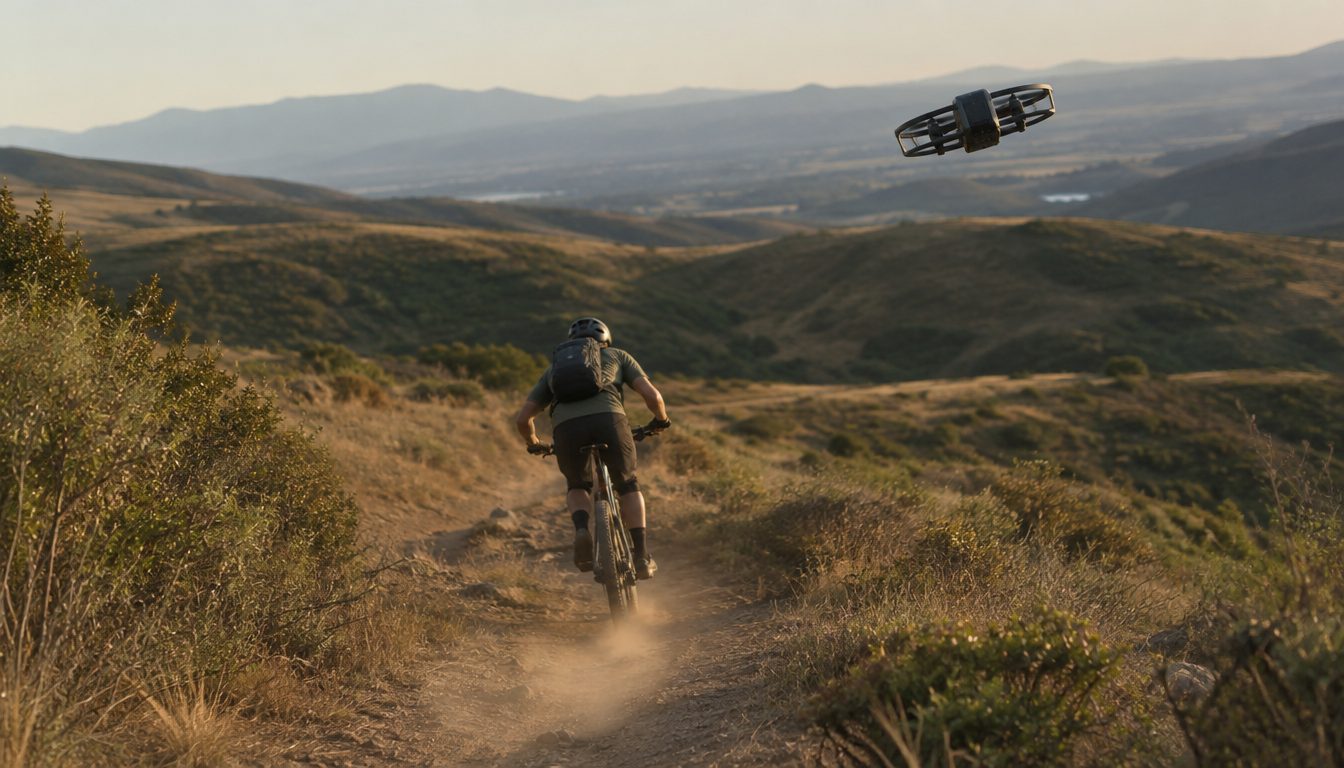
You hold it flat on your palm, press one button, and it lifts off. Then it follows you down the trail and films you from above, with nobody holding the controls. That is the whole idea behind the HOVERAir flying cameras, and it has turned into serious money.
Zero Zero Robotics, the Chinese company that makes them, has reportedly reached a $1 billion valuation in its latest funding round, according to TechNode, citing the Chinese outlet Leiphone. People close to the company estimate its revenue for the last three months of 2026 at 600 to 700 million yuan. The company was founded in 2014 by Stanford PhD graduates. Its investors include Boyu Capital and an affiliate of Ant Group.
So people are buying these. Here is what you actually get for the money.
A self-flying camera is a tool for one job, not a drone you pilot
A normal camera drone needs you to steer it. These do not. You pick a mode, such as follow, orbit or a slow pull-back, and the camera flies the shot by itself and lands back on your hand. That makes them good for runners, hikers, cyclists and parents filming a day out.
They are also small. The original HOVERAir X1 is rated at 125 grams, about half the weight of a small DJI Mini camera drone. The X1 Pro weighs about 192 grams. Both stay under the 250-gram line where the US Federal Aviation Administration, the agency that runs American airspace, asks recreational flyers to register their drone.
What each price tier gets you
- The entry model, around $350. DroneXL’s long-term review put the original X1 at about $350 alone, or $400 with extra batteries, and says it is often discounted. It films in 2.7K, a step below 4K. Real flights lasted 10 to 12 minutes per battery.
- The Pro, around $500. The X1 Pro films in 4K and keeps tracking at higher speeds. Ynet’s reviewer measured 10 to 11 minutes per battery against an official 16. The basic kit has one battery, so plan on buying more.
- The Pro Max, the most expensive. In DroneXL’s cold-weather test it had the best picture of the three drones tried, an SD card slot and colour settings that serious video editors want. It also folds up.
Our take: the entry model is enough if the clips end up on a phone screen. The Pro is worth it if you move fast, on a bike or on skis.
What disappoints: it will fly into a tree
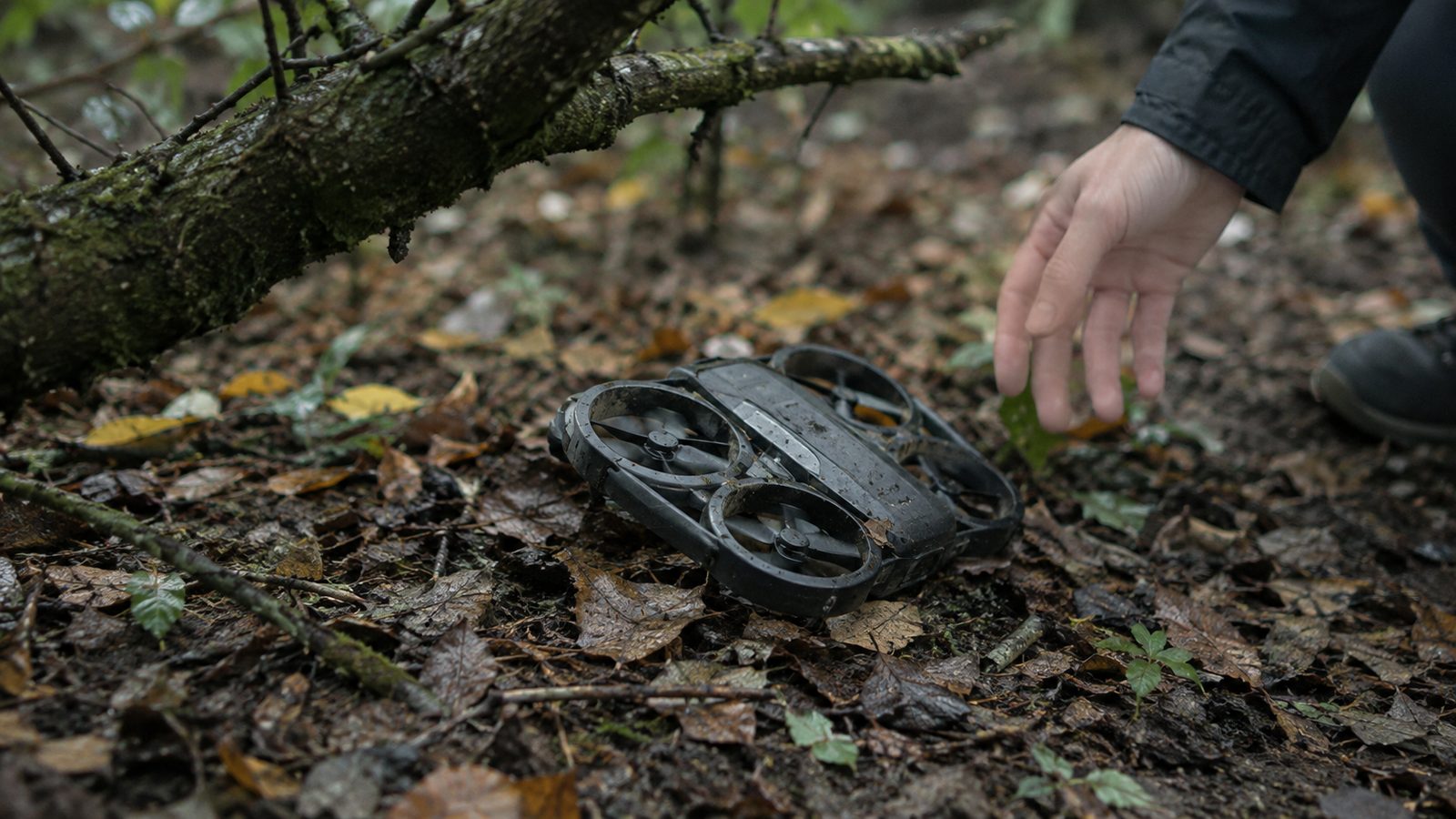
This is the part the ads leave out. The original X1 has no sensors to avoid obstacles at all. DroneXL’s reviewer crashed it 30 to 40 times in about 130 flights. The light, flexible frame survived, but the drone flew straight into branches while chasing him.
The Pro only has sensors on its back. Ynet’s reviewer warns that a sharp turn near thin branches or power lines can end on the ground. The X1 also has no GPS and no automatic return home. If it loses you, it lands where it is, so never fly it over water. In strong wind, around 30 miles per hour, it simply refused to stay up.
Two smaller complaints come up in the reviews. The Pro is loud. And its built-in microphones mostly record the propellers, so plan to add music or use a separate mic.
The FCC rules mean today’s models may be what you get for a while
On December 22, 2025, the Federal Communications Commission, which approves every radio gadget sold in the US, put all foreign-made drones on its list of banned equipment. New models can no longer get approval, apart from a few exempt cases. According to the FCC, models it approved before that date can still be imported and sold, and drones you already own are not affected.
So you are not buying something that will be switched off. But a newer version from a foreign maker may not reach US stores. DroneXL also notes that a rival, DJI’s Neo 2, is already harder to find in the US. Our advice: buy the model you need from a seller that has it in stock, rather than waiting for next year’s.
What to buy
- HOVERAir X1 (entry self-flying camera, around $350) – Suits casual hikers and families filming for a phone screen; trade-off is 2.7K video, 10-12 minute flights and no obstacle sensors.
- HOVERAir X1 Pro (4K self-flying camera, around $500) – Suits runners, cyclists and skiers who move fast; trade-off is noise, rear-only obstacle sensors and one battery in the basic kit.
- HOVERAir X1 Pro Max (top-tier self-flying camera) – Suits people who edit their videos and want the best picture and an SD card slot; trade-off is the highest price of the line.
Sources
- HOVERAir maker Zero Zero Robotics reportedly becomes a unicorn (TechNode)
- HoverAir X1 definitive review (DroneXL)
- HOVERAir X1 Pro review: an AI camera drone that launches from your palm (Ynet)
- DJI Neo vs Neo2 vs Hover Air X1 Pro Max: I tested all three in extreme cold (DroneXL)
- Drone ban explained: the FCC Covered List (The Drone U)
- FCC proposes sales ban on foreign drones (DroneXL)