Six Robots Will Run a Convenience Store All Night. Should They Take the Graveyard Shift?
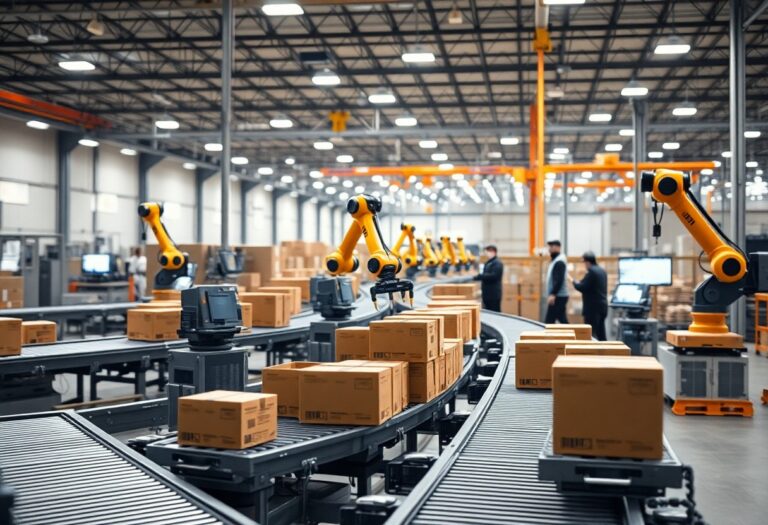
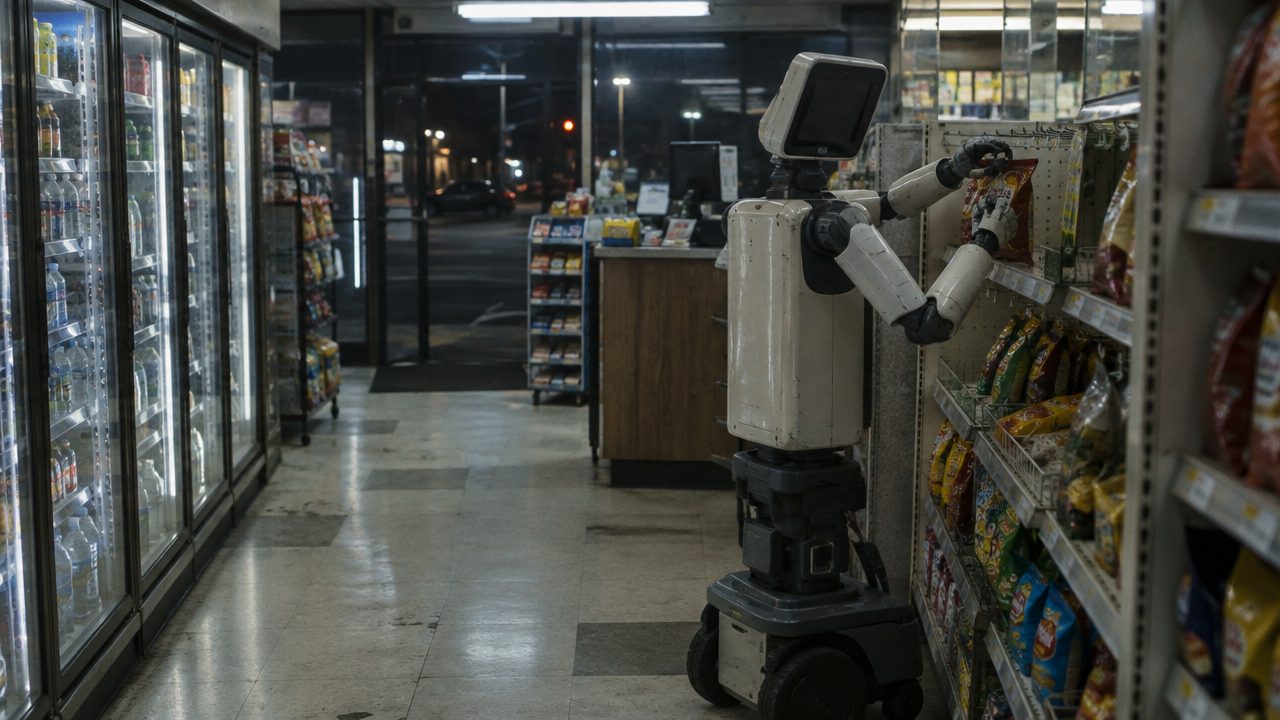
On November 2, six robots will clock in at a convenience store in China and work for 24 hours straight. The Chinese robot maker AgiBot will stream the whole shift live: the lunch rush, the dinner rush, the night, and getting breakfast ready.
AgiBot calls the shift unscripted. If it goes well, it hands a sharp question to anyone who has ever worked the 2 a.m. register. Should a robot take the graveyard shift?
The robots are meant to learn from their own mistakes
The machines are AgiBot’s G2. Picture two arms and a head on a wheeled base that can turn on the spot. A US robot dealer, RobotShop, lists one at $145,000 as a special order. Each arm carries about 5 kilograms, roughly a gallon of milk and a bit more.
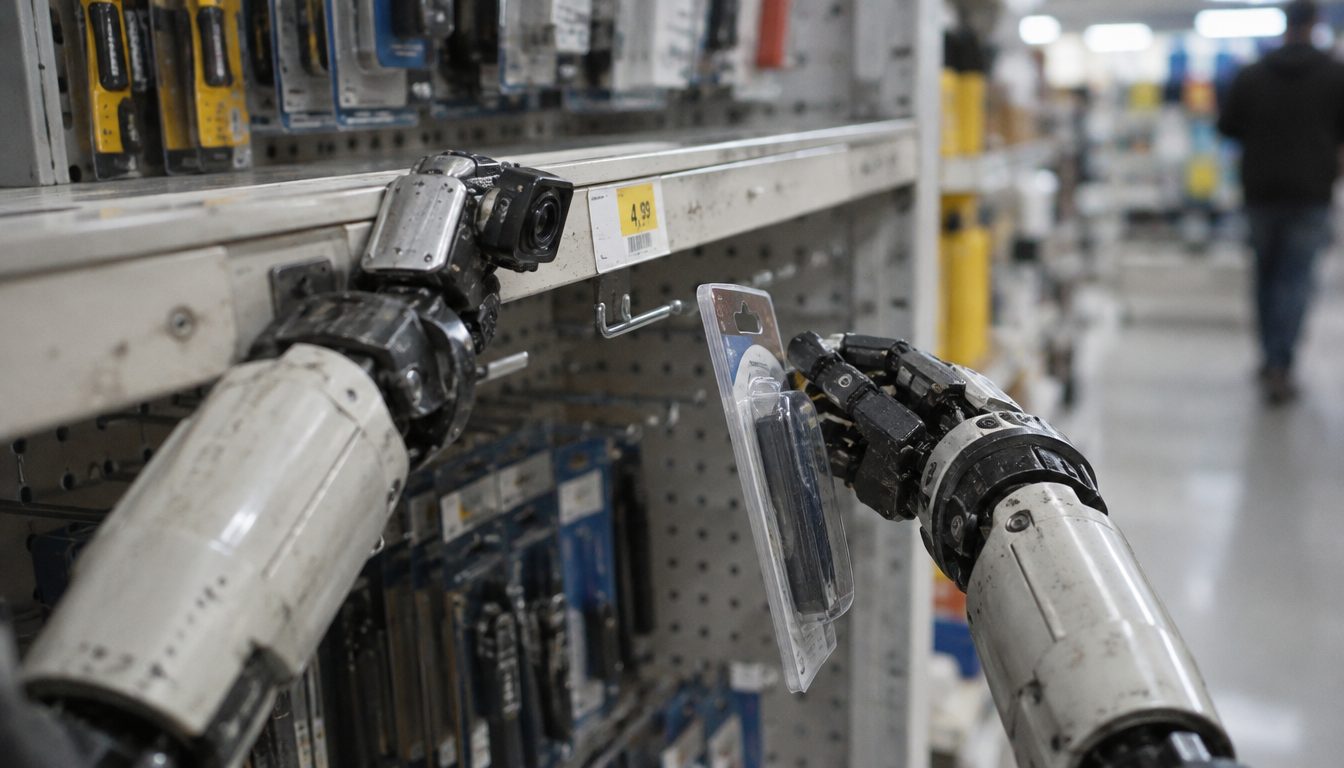
The new part is software AgiBot calls Genie Master. According to the company, its robots have already worked in a real store. They packed ready meals, picked items and restocked shelves. When they failed, they worked out why on their own.
AgiBot gives one example. A robot kept missing a small hook on a shelf, because a price tag blocked the camera in its head. It went back over its own records and found the cause. Then it moved its left hand close, so the camera in its wrist could see the hook, and hung the item with its right hand. It kept that trick for next time.
When a task keeps failing, the software schedules practice during the store’s quiet hours. That is AgiBot’s description. Nobody outside the company has checked it yet.
The case for a robot on the night shift
The night shift is the dangerous one. NIOSH, the federal agency that studies workplace safety, lists stores open around the clock or late at night among the businesses most at risk of robbery. Its guidance says retail workers face more violence and homicide than workers in other industries, and convenience store and gas station workers face more still.
OSHA, the federal workplace safety regulator, has published advice for these stores for years. It covers better lighting, cameras, drop safes and barriers at the register. A machine that restocks shelves at 3 a.m. would mean one less person standing alone in a lit box on an empty street.
There is also the hiring problem. In Japan, robots already restock drinks in the back rooms of more than 300 FamilyMart and Lawson stores in Tokyo, according to the news site Rest of World. The founder of the company that runs them, Juan Paolo Villonco, put it simply: it’s hard to find workers to do stacking.
The case against: someone is still working that shift
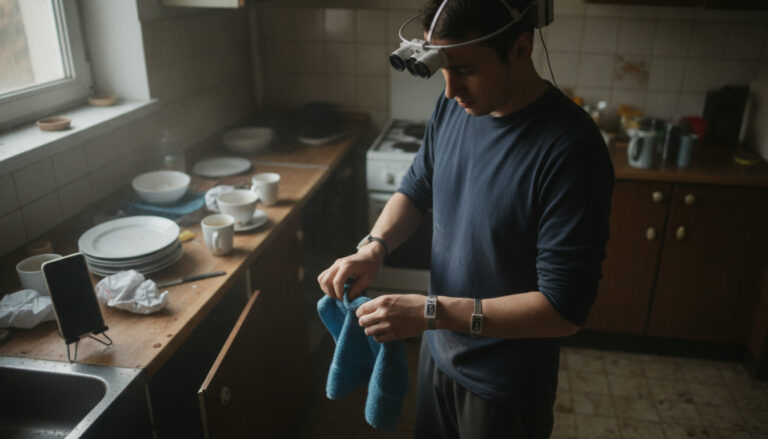
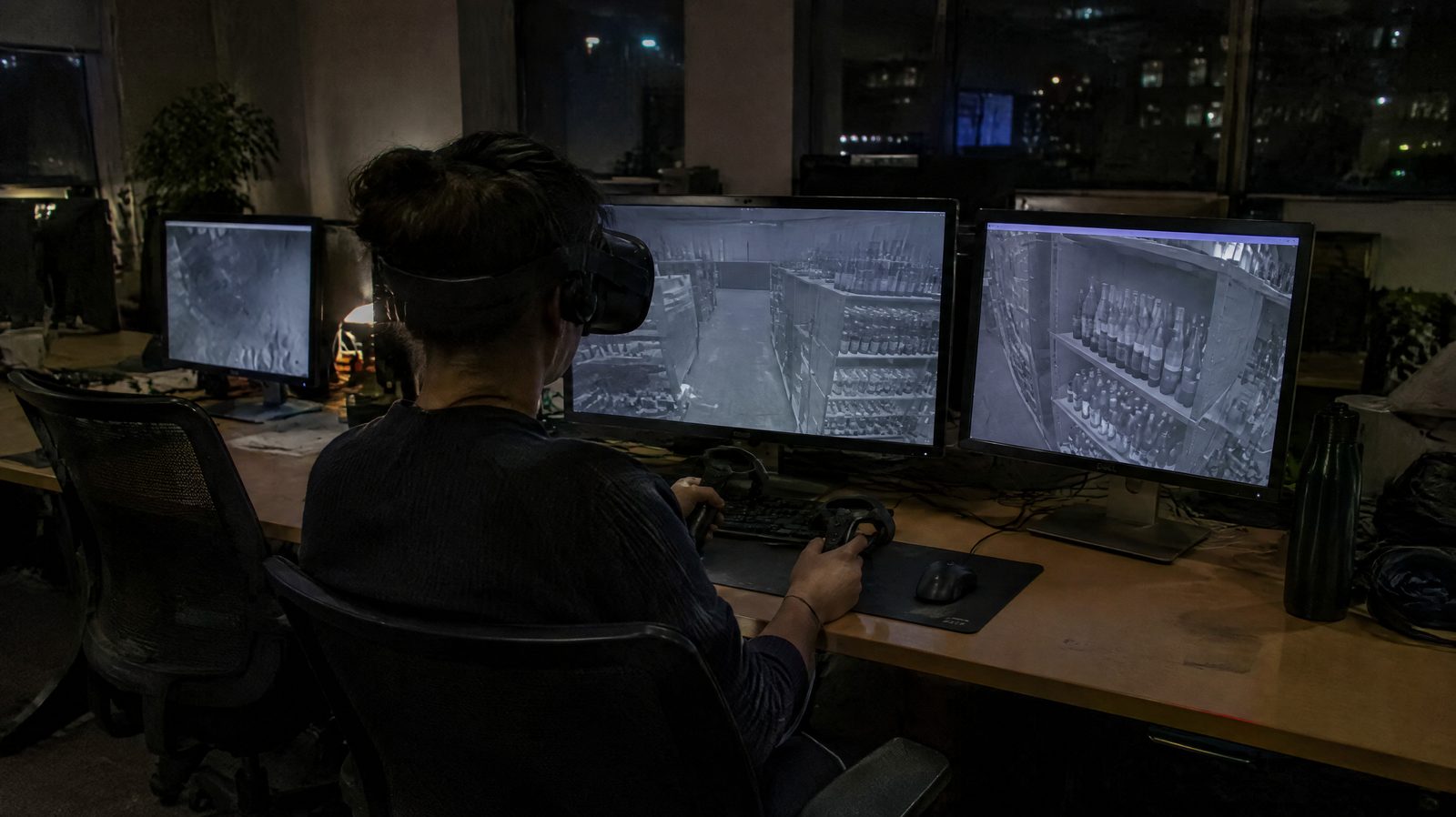
The Japanese example also shows the catch. Those robots are watched around the clock by about 60 young workers in an office in Manila, the Rest of World report says. Each one keeps an eye on roughly 50 robots. The robots need human help about 4% of the time, and a worker takes over about 50 times in an eight-hour shift, using a virtual reality headset.
Those operators earn $250 to $315 a month, about what a call center pays there. One told Rest of World they often feel dizzy and cross-eyed from the headset. So the night shift did not vanish. It moved to another country, at a lower wage, with a new kind of motion sickness.
AgiBot’s own description leaves people in the loop too. Its deeper learning step still uses data from moments when a human took over the robot. The company says so itself: people are not removed entirely.
What the livestream can and cannot prove
A day of video will show whether six robots can keep a store running through two meal rushes and a night. It will not show the price of that store per hour. Six machines at the dealer’s list price come to $870,000, before anyone repairs one.
It also will not show how often someone off camera stepped in. That is the number that matters most, and AgiBot has not published it. Until it does, the honest answer is this: a robot can probably restock the shelves at 3 a.m. Whether it replaces the clerk, protects the clerk, or just moves the clerk to a headset in Manila depends on figures nobody has shown yet.
Sources
- AgiBot's Genie Master Lets G2 Robots Diagnose Their Own Failures on a Real Convenience-Store Shift (Pandaily)
- AgiBot G2 Wheeled Humanoid Robot (RobotShop)
- Curbing workplace violence in late-night marts: New guidelines from NIOSH (Safety+Health)
- Recommendations for Workplace Violence Prevention Programs in Late-Night Retail Establishments (OSHA 3153)
- Japanese convenience stores are hiring robots run by workers in the Philippines (Rest of World)
- Japanese convenience stores are hiring robots run by workers in the Philippines (Human Progress)