Paid to Film Your Own Chores for Robots: Clever Side Hustle or Bad Bargain?
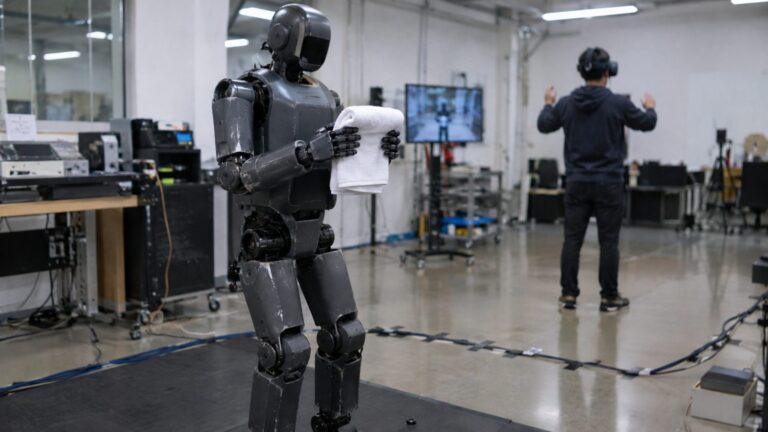
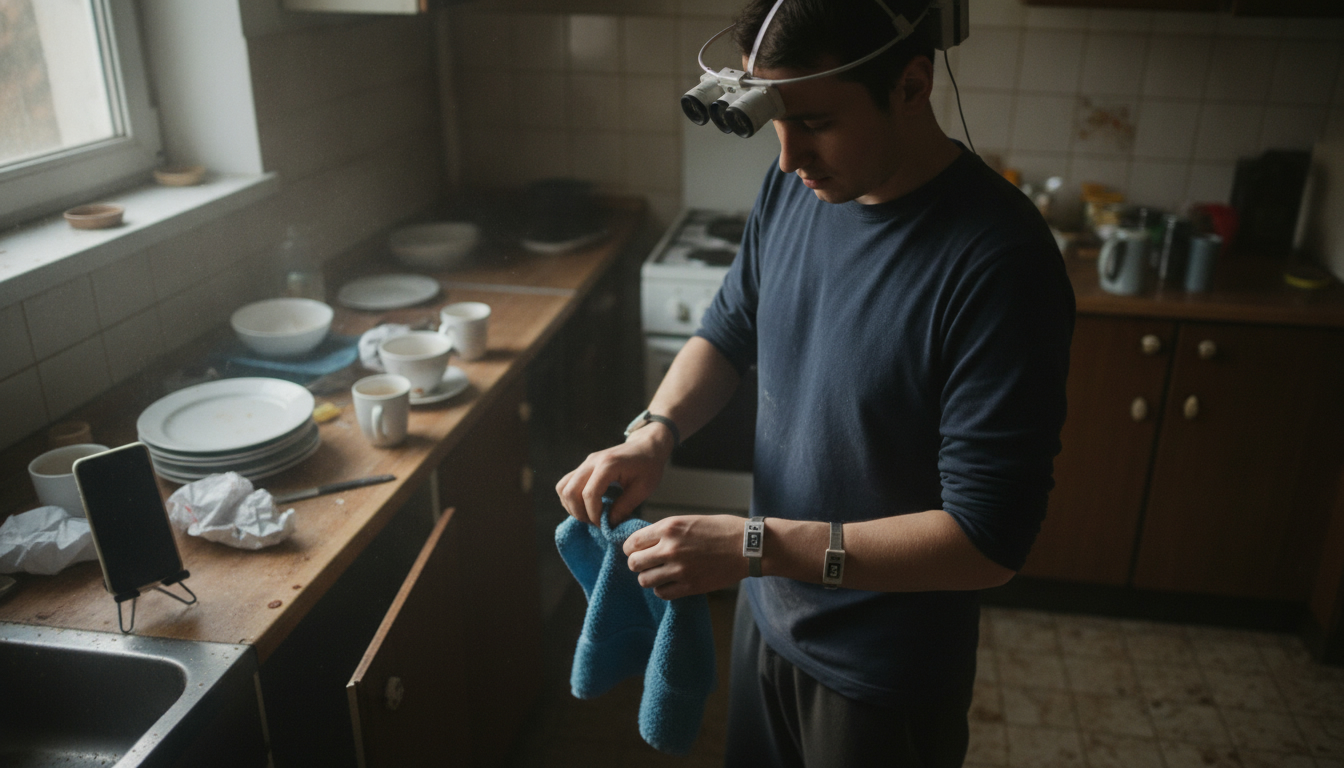
A company in Shanghai will now pay you to fold your own laundry. You rent a camera headset, pick a job in an app, record yourself doing it, and get paid if the footage passes a check.
The company is Maniformer, controlled by the Chinese humanoid robot maker AgiBot. It opened the platform at an event in Shanghai on 23 September, Pandaily reported. Its slogan is that anyone can be a teacher for robots.
The pay, according to a review of the app by BigGo Finance, is usually 10 to 20 yuan an hour. Rest of World priced similar work at 20 yuan, or about $3, an hour. The headset is not free either: BigGo reports a rental of 39 yuan a day, cut to 19 yuan during a promotion, plus a deposit.
Why anyone would do it
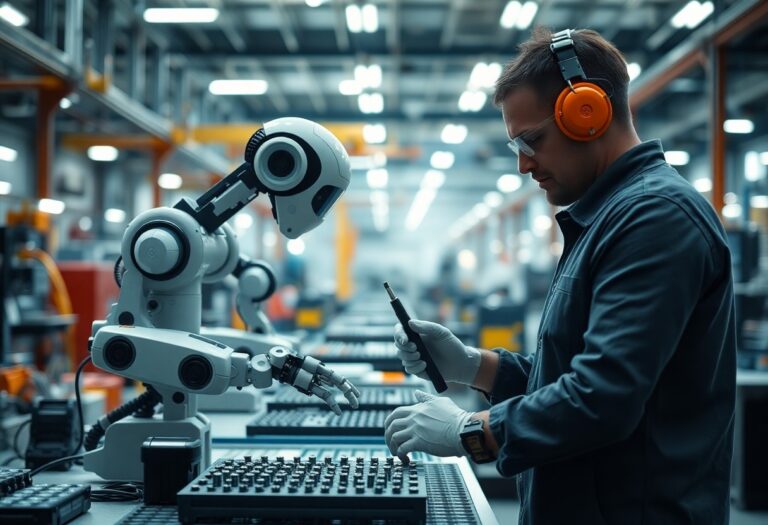
Robots are stuck, and not because the hardware is bad. Maniformer boss Yao Maoqing argues the missing piece is recordings of real people doing real tasks with their hands. He has said the world has only a few hundred thousand usable hours. The industry guess is that a hundred million hours are needed.
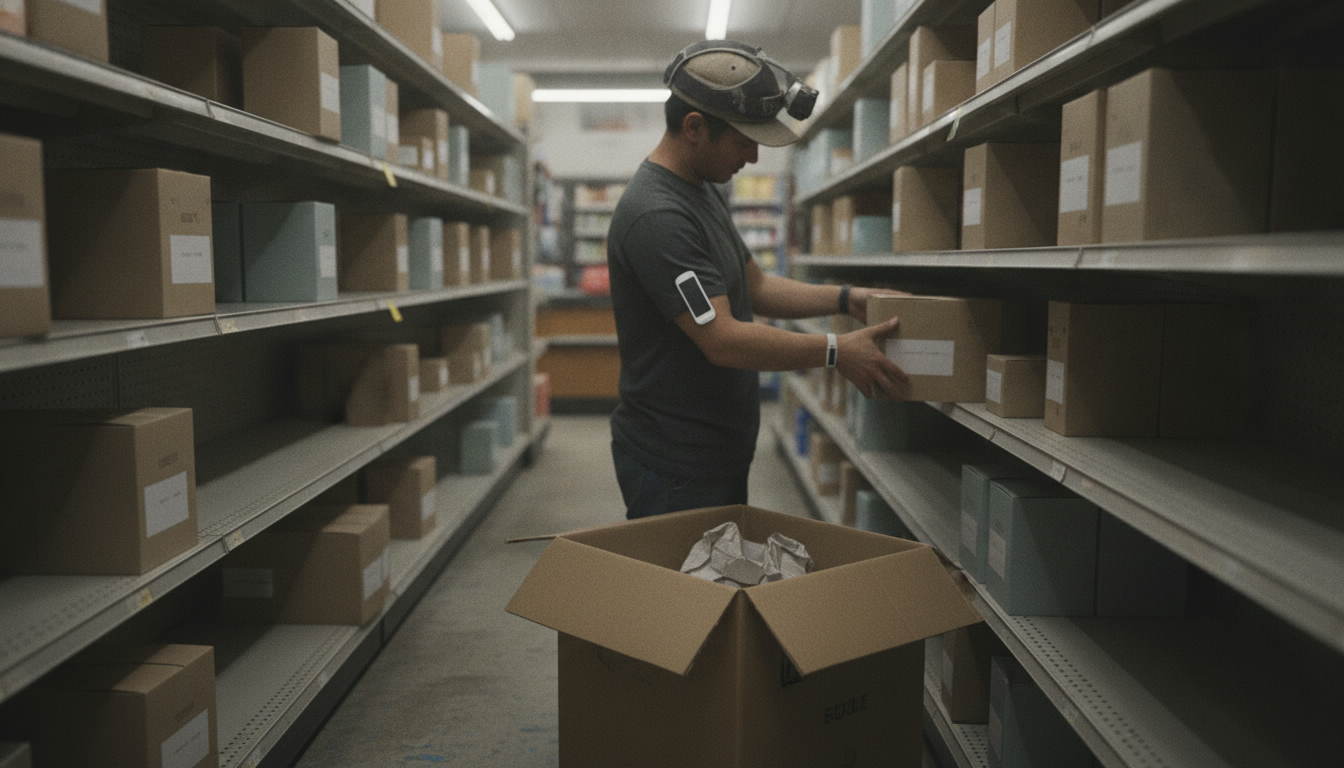
So companies are buying hours of your life. The platform lists 22 kinds of setting, more than 5,000 task types and over 50,000 real places. During a closed test from 15 August to 15 September, nearly 20,000 people signed up, Pandaily reported. Payouts land within two minutes and the platform handles the tax.
For some people that is a genuinely good deal. Rest of World spoke to Gao Bo, a stay-at-home mother in her fifties in Shandong province. She films herself doing housework six hours a day and gets paid for chores nobody ever paid her for before. MIT Technology Review found a medical student in Nigeria earning $15 an hour recording himself ironing clothes for a US data firm. That is strong money where he lives.
This is not only a Chinese story. The same report notes that a US delivery app has started paying its drivers to film themselves doing chores.
Why it might be a lousy deal
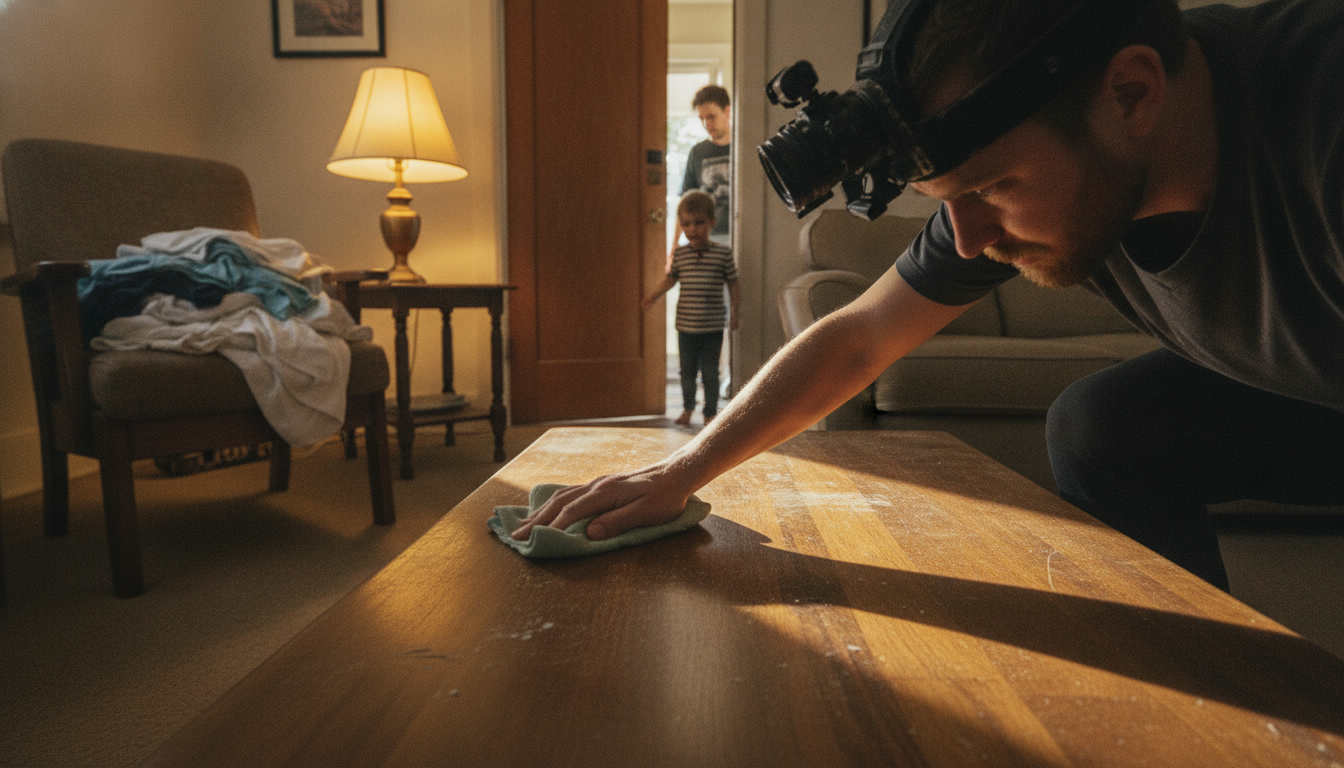
Start with the camera. It sits on your head and sees your kitchen, your shoes, your mess and whoever walks past. MIT Technology Review describes a father in Delhi steering his two-year-old out of shot, and a woman in Nigeria timing her laundry so she does not film her neighbours. The neighbours never agreed to anything.
Workers also do not know where the footage ends up. The same report found none of the recorders knew how their data would be stored or who would buy it. The boss of that firm, Ali Ansari, told the magazine people choose to do this and can stop whenever they like. Yasmine Kotturi, a researcher at the University of Maryland, Baltimore County, counters that firms should tell workers where the technology is heading and how it might affect them.
Then the obvious one. You are teaching a machine to do the task you are being paid for. In a warehouse or a shop, that is the whole point of the exercise.
Nobody can prove it works yet
Here is the part the sales pitch skips. Most of the footage is junk. BigGo reports that only about 10 to 20 percent of headset-only recordings are useful, so an hour of filming may yield ten usable minutes. Folding clothes is already recorded to death.
The money is odd too. That report says this crowdsourced footage sells for roughly what the collector is paid, which means the company is buying data at a loss once kit, checking and storage are counted. And the beta showed 20,000 sign-ups but only 13,000 submitted tasks.
Researchers are blunter. Alan Fern of Oregon State University told Rest of World the idea is not crazy, but called it unproven. Ken Goldberg of UC Berkeley put it plainly: it will take longer than people think.
My read: treat it as a short-term gig, not a career. Ask what happens to the footage, keep other people out of frame, and do the maths on the rental before you start. The hours are real money. The robot butler is not here yet.
Sources
- Maniformer Opens a Crowdsourcing Platform That Pays People to Record Everyday Tasks for Robots – Pandaily
- Humanoid Robot Competition Shifts to "Getting Work Done" – Can Crowdsourced Data Platforms Crack the Deployment Challenge? – BigGo Finance
- China is training a robot future – one folded shirt at a time – Rest of World
- The gig workers who are training humanoid robots at home – MIT Technology Review
- AgiBot Unit Maniformer Debuts Data Platform to Address Embodied AI Training Bottleneck – Yicai Global
- Maniformer launches Mifengpai, turning ordinary users into robot trainers – RobotHOT
- Maniformer Surpasses One Million Hours of Real-World Data and Delivers 20,000th MEgo Device