This Robot Remembered Three People After They Changed Clothes
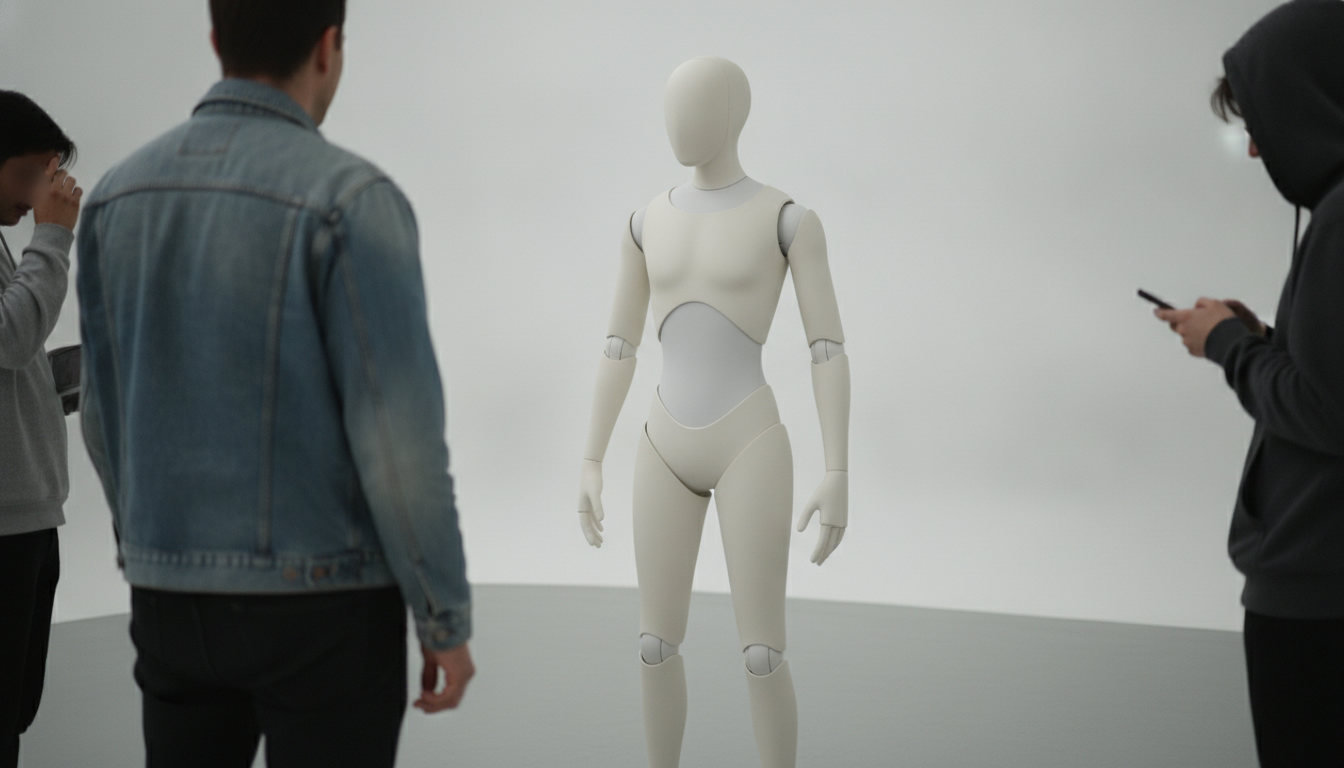
Three people stand around a humanlike robot in a studio. They take turns talking, move about the room, and later change their clothes. The robot still knows who is who.
That is the test the Chinese electric car maker XPENG put on its YouTube channel on 22 September 2026. It is a company film, not an independent trial. But it is the most detailed look yet at the machine XPENG wants standing in its shops next year.
Four things the robot does in the clip
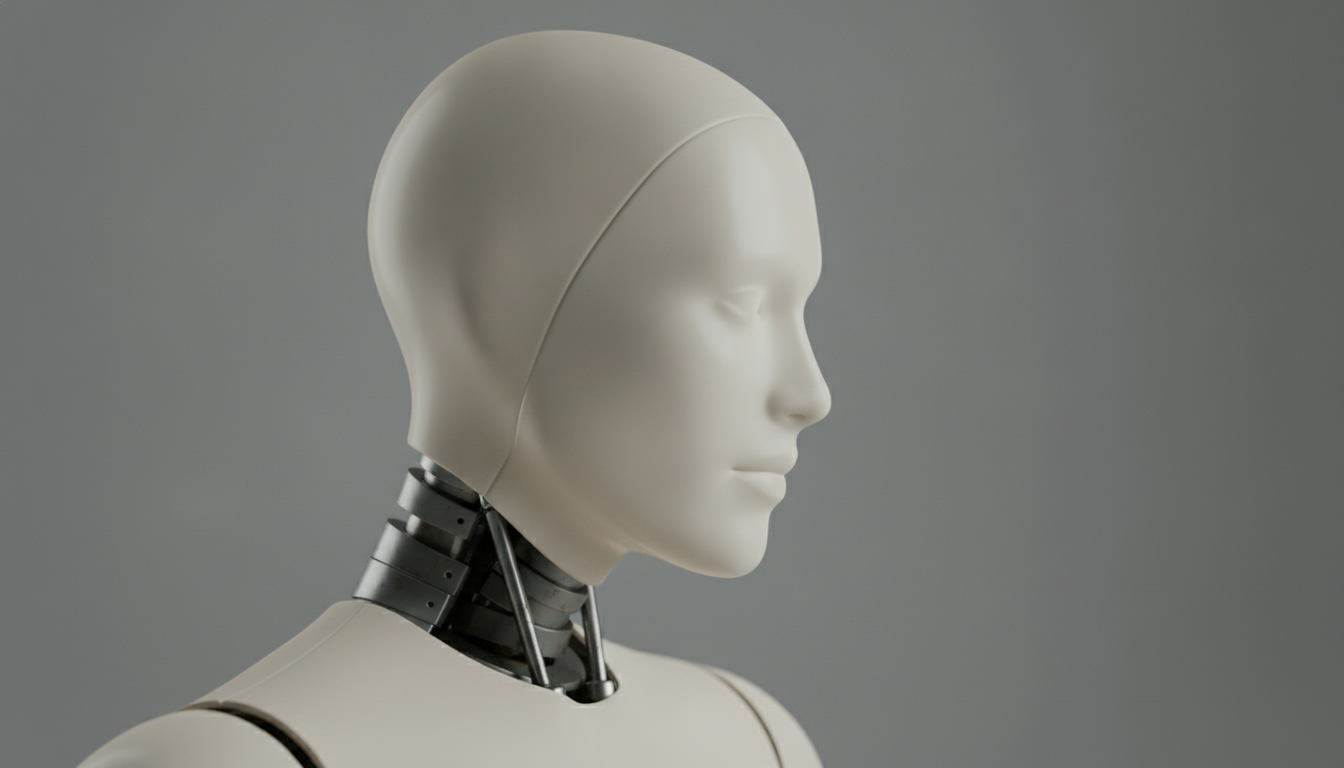
First, it faces whoever is speaking. The outlets who have gone through the footage describe small head turns, bigger twists at the waist, and sometimes a full turn of the body. At times it takes a step toward the person instead of swivelling on the spot.
Second, it changes language on its own. The testers speak Chinese, English and German, and nobody tells the robot to switch. In one exchange it answers in German and suggests one of XPENG’s cars.
Third, it remembers people. After the three testers change clothes and move to new positions, the robot still links each one to the car preference they mentioned earlier. It also corrects a tester who introduces himself using another person’s name.
Fourth, it sells. The whole demo is built around a car showroom chat, with the robot recalling family size, camping plans and parking worries before recommending a model.
XPENG’s explanation for how it works
The company says nine microphones in the robot work out which direction speech is coming from. Software then watches lip movement to decide which mouth is actually moving. A separate piece of software moves head, waist and legs together, so the robot turns smoothly instead of snapping around.
For memory, XPENG says the robot builds a profile of each person from their face, the sound of their voice and what they said. That profile is updated the next time you meet. The thinking happens on board, on three of XPENG’s own chips, and the robot can also look things up in a stored knowledge base or online.
At its AI Day in November 2025, XPENG said personal data should stay on the robot. It has not said how long these profiles live, whether you have to agree to one, or who deletes them. For a machine meant to stand in a shop, that is the question worth asking.
What a studio demo cannot tell you
The testers were prepared, the topics were prepared, and the room was quiet. The film gives no figure for how often the robot picks the right speaker, how fast it answers, or how it copes with a noisy crowd of twenty.
The gap between stage and street is real. At a Shenzhen shopping mall, the same robot walked a short catwalk and then lost its balance and fell backwards, caught by staff. That was reported in early February 2026, months after the polished launch footage.
When you might actually meet one
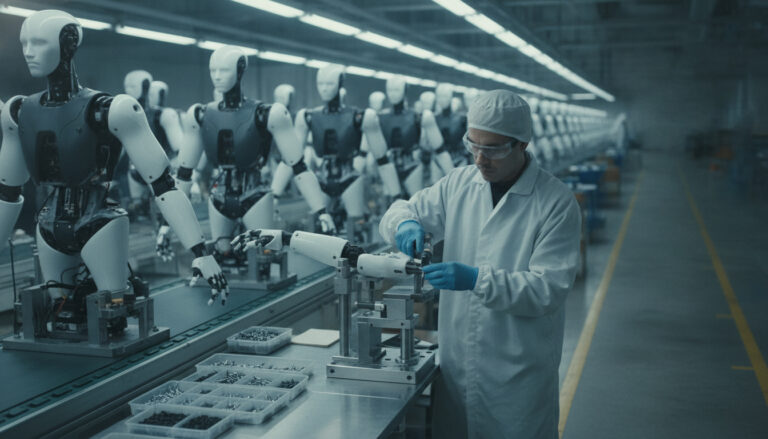
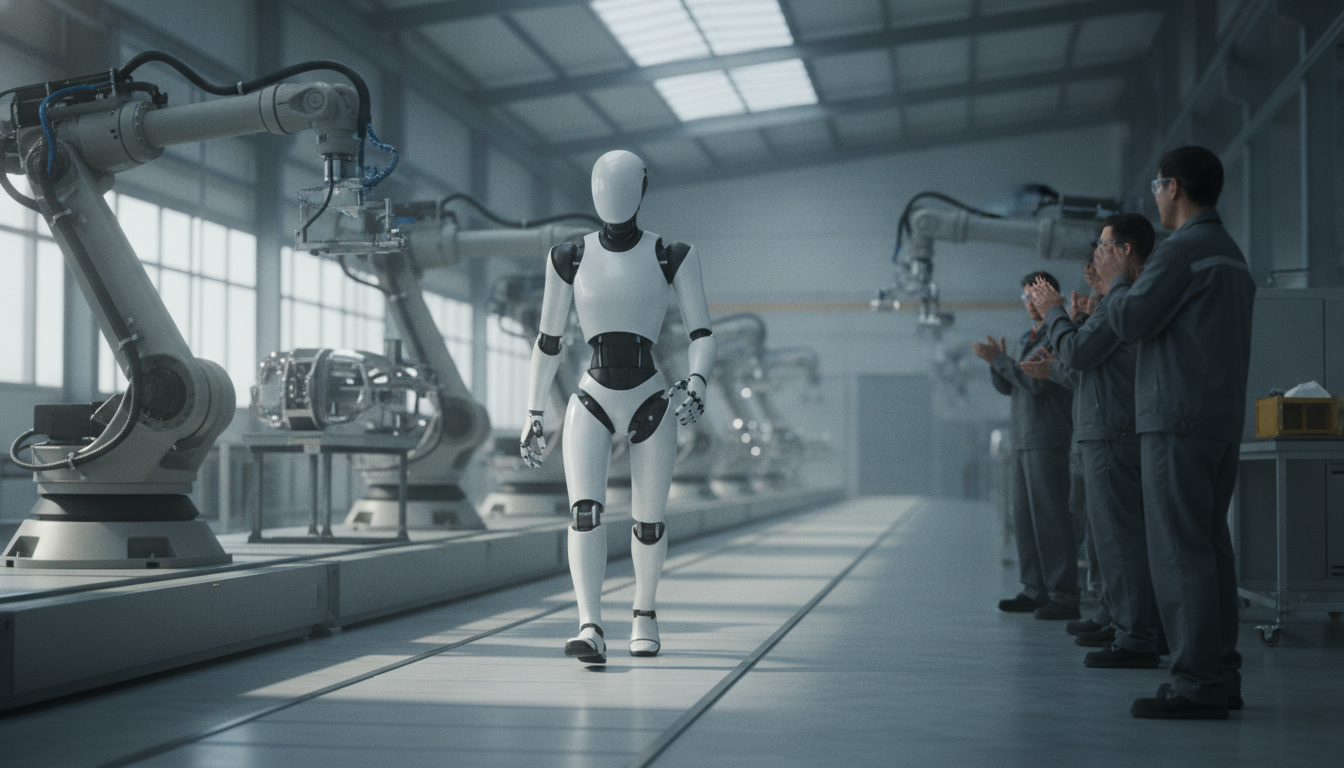
XPENG switched on a robot production line in Guangzhou on 8 September 2026 and says a finished robot walked off it on its own legs. The company claims more than 80% of the line’s core steps are automated, and is aiming for mass production by the end of 2026.
The first robots go into XPENG’s own stores and campuses. Sales and deliveries, in China and abroad, are planned for 2027. No price has been announced.
The money is real: XPENG’s robot arm raised over $900 million at a $6.3 billion valuation, with Tencent and Alibaba among the investors, and talks of building more than a thousand robots a month. Here is my take. The walking is not the interesting part any more. A greeter that recognises your face and voice, and remembers what you liked last time, is a sales tool and a data question at once. Decide how you feel about that before one says hello to you.
Sources
- XPENG demonstrates IRON humanoid's social interaction stack – Humanoid.guide
- IRON: XPENG's humanoid robot – XPENG Guru
- XPeng starts IRON humanoid robot production as Tesla Optimus stalls – Electrek
- Video: Xpeng's IRON humanoid robot impresses Shenzhen crowd despite stumble at event – Interesting Engineering
- Xpeng unveils next-gen Iron humanoid robot at 2025 AI Day – CnEVPost
- XPENG Robotics Real-World Interaction Test – XPENG on YouTube