Tesla Is Building Hundreds of Optimus Robots a Week. The Hands Keep Breaking
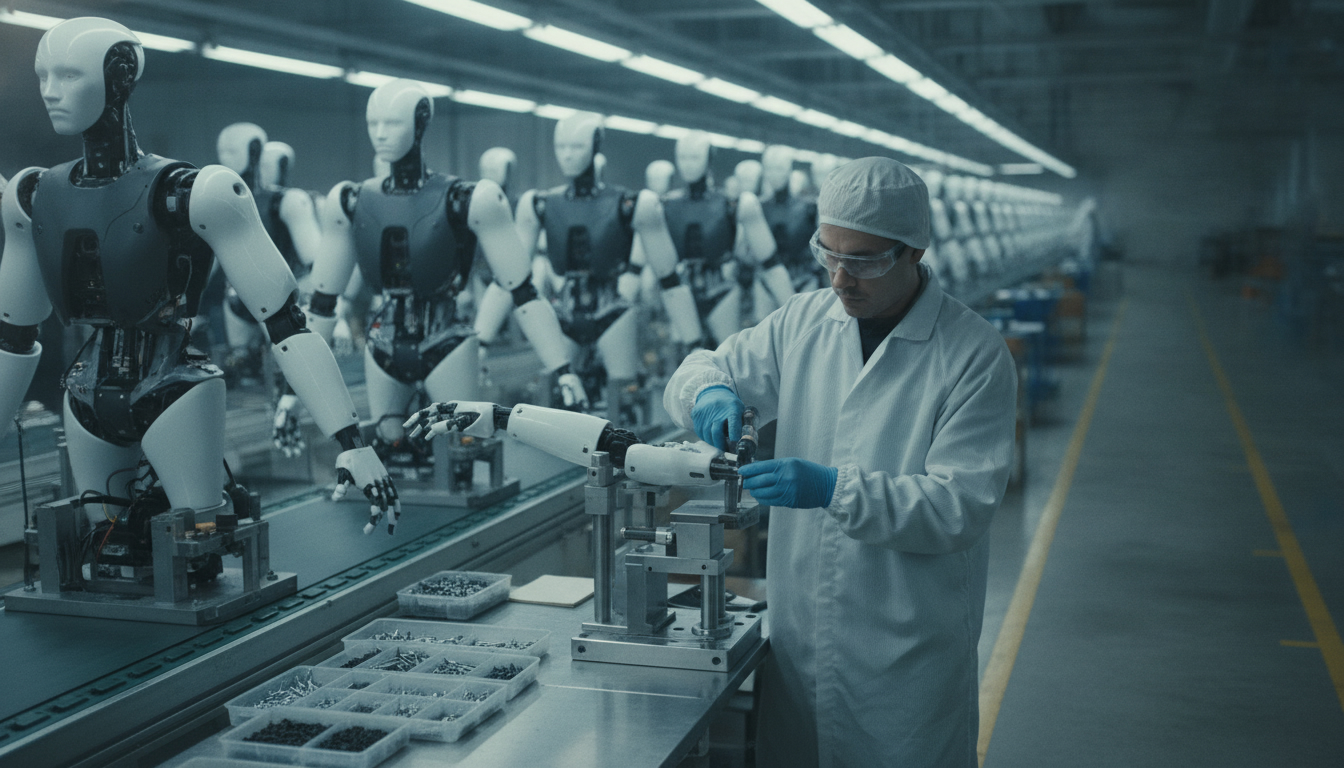
Tesla is now building several hundred Optimus humanoid robots a week in Fremont, California. A few months ago it was a few dozen. The goal on the wall is 20,000 a week.
Between those two numbers sits a pair of hands with more than 100 screws in each arm, still put together by people.
That detail comes from a report by The Information, cited this week by Electrek and Gizmodo, based on people familiar with the program. Tesla did not comment. The picture they describe is a factory that works, sort of, and a robot that is not ready for you.
A car has big parts. A robot hand does not
The Optimus line sits in the space where Tesla used to build the Model S and Model X, until it shut those two down earlier this year and moved the workers over. Car bodies are forgiving: panels are large, tolerances are measured in millimeters. Robot fingers are not.
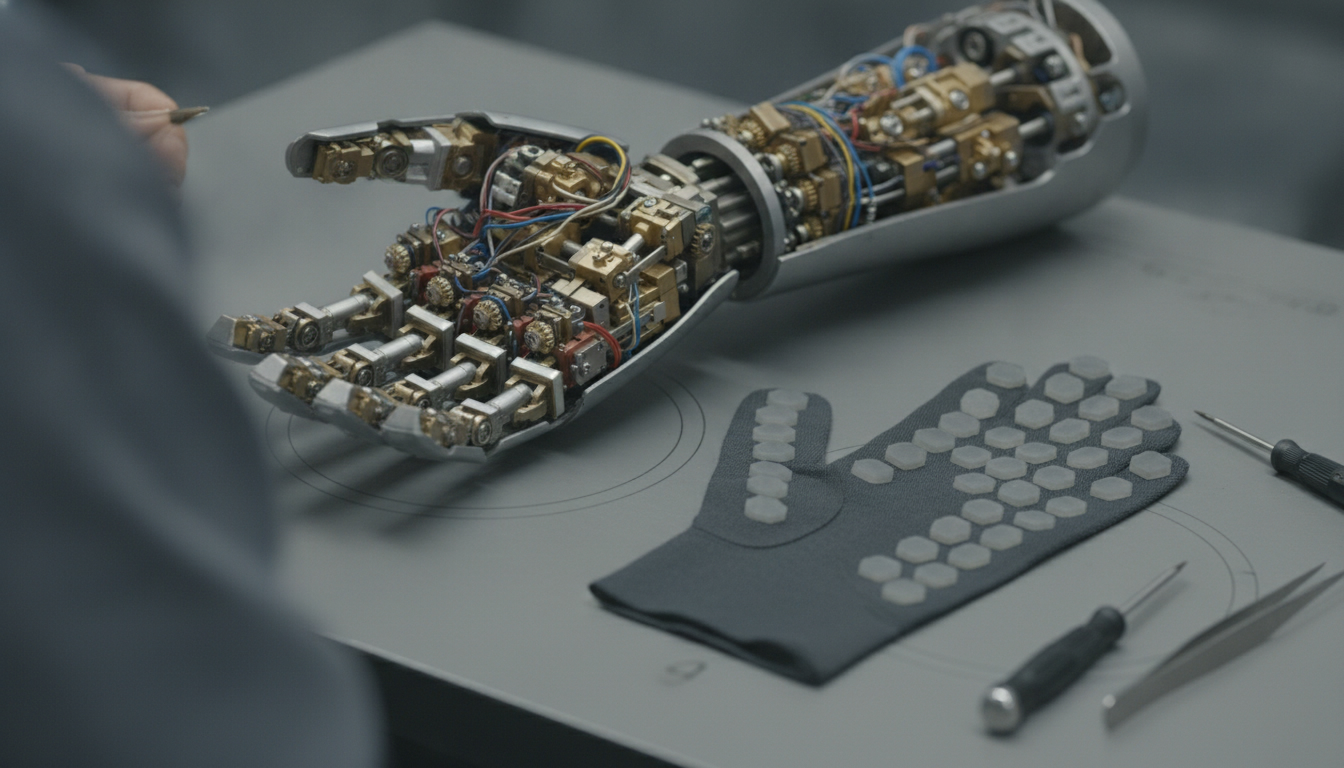
According to the report, the fixtures at several stations \u2014 the jigs that hold parts in position while machines join them \u2014 cannot line up the small, tight-fitting components consistently. Hands, joints and electronics testing are all named. The result is robots rolling off the line that need rework before they are usable.
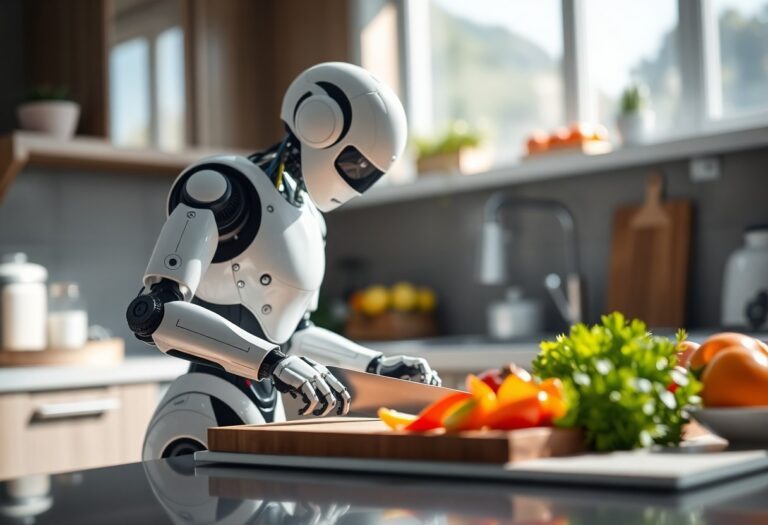
The hand and forearm together reportedly contain over 100 screws and small parts, assembled manually. And the hands are said to wear out faster than they should, with some of the touch sensors in the fingertips proving unreliable. Tesla’s fix is a removable “sensing glove” that carries those sensors, so a failed sensor means swapping a glove instead of a whole hand. It is planned for next year’s model.
That is a sensible piece of engineering and a quiet admission: the current hands break often enough that fast replacement is a design requirement.
Days of training for one basic task
The harder problem is the software. People familiar with the system told The Information that Optimus still has to be trained for each specific job, that basic tasks take several days to learn, and that behavior gets unpredictable in situations the robot has not seen. Tesla is assembling a library of basic movements it hopes the robot can recombine into new jobs, and it has reportedly gathered over 500,000 hours of training data \u2014 partly from hired data collectors wearing camera helmets and motion-capture suits \u2014 with training hubs in Colorado, Arizona and Florida.
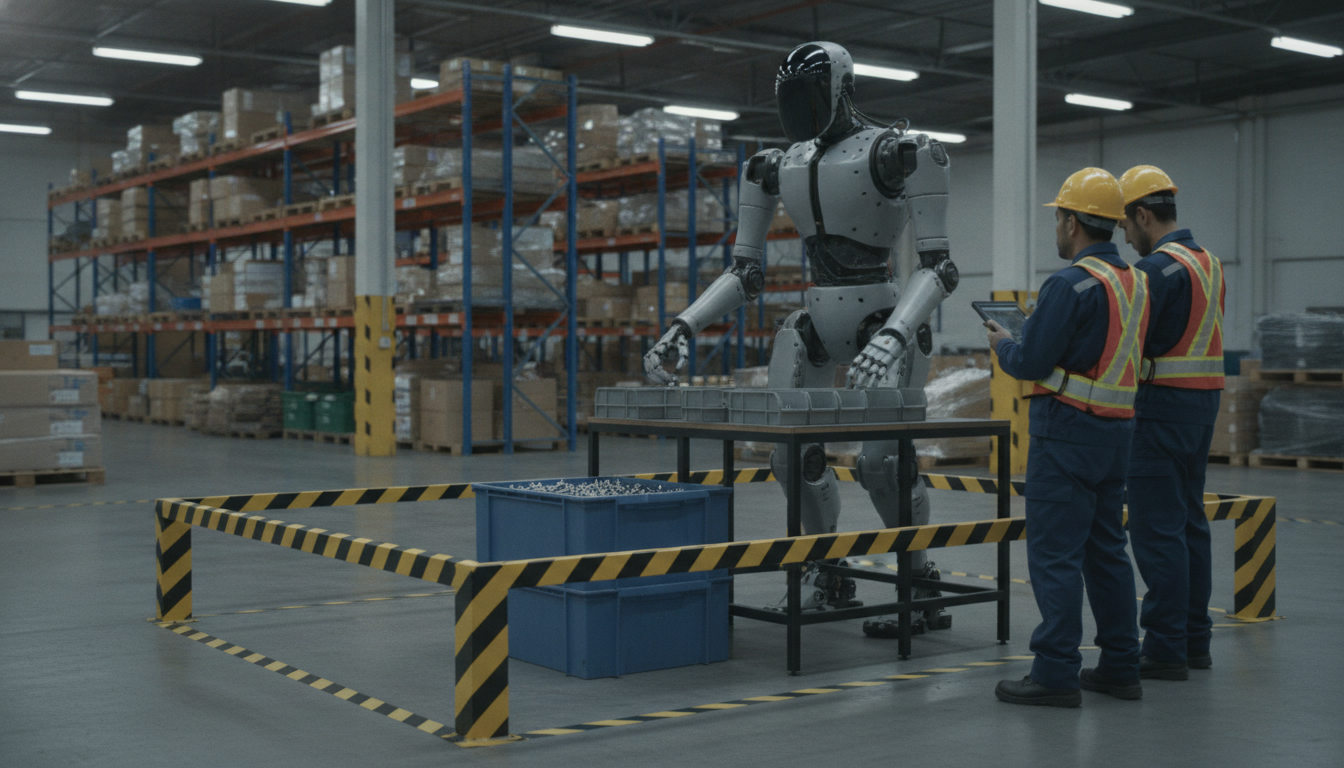
Inside Tesla’s own factories, the robots work in tightly controlled, supervised zones. Most of the units being built are not working at all; they go to testing, training and data collection. And the V3 robots coming off the line now are not the version Tesla intends to sell. That one still has to clear tougher durability and reliability bars.
You will not be buying one soon, and probably not buying one at all at first
Musk said at Davos in January that Tesla would sell humanoid robots to the public by the end of 2027, when he expects “very high reliability, very high safety” and a robot you can ask to do anything. He has previously put the eventual price around $30,000. The report says the near-term plan is different: lease Optimus to a short list of commercial customers whose factories and warehouses resemble Tesla’s own, then use the data from those sites to improve the AI. Ship hardware, collect fleet data, promise the software catches up. Tesla has run that play before with its driver-assist system.
Weigh the timeline against the track record. In January 2025 Musk said Tesla would build roughly 10,000 Optimus robots that year and have several thousand doing useful work; a year later he acknowledged none were doing useful work at Tesla. A V3 public reveal promised for mid-2026 still has not happened.
What is real: the production ramp is genuine, a tenfold jump in a few months, and Tesla is not alone \u2014 XPeng started an automated humanoid line in Guangzhou this month, aiming at commercial sales in 2027. What is not yet real: a machine that walks into a room it has never seen and does something useful. Until a hand can survive a shift and learn a task in an afternoon, 20,000 a week is a factory target, not a product.