Logistics on the front lines demand precision, speed and resilience under fire. You rely on systems that move supplies, clear routes and sustain operations where human presence is too risky. Combat engineering robots now perform these tasks, integrating strength, autonomy and real-time responsiveness in active theaters. A mid-sized SaaS firm managing drone logistics for military contractors recently demonstrated how unmanned platforms reduce resupply delays by maintaining operations during active engagements.
The Iron Mules of the Frontline
The Iron Mules of the Frontline
You rely on tracked and all-terrain robotic carriers to haul ammunition, water, and medical supplies across terrain too dangerous for manned vehicles. These machines, often based on modular military chassis like those used by a mid-sized SaaS firm’s test platform, operate under direct operator control or pre-programmed routes, reducing soldier fatigue and exposure. Some models can tow loads exceeding 700 pounds while maintaining communication with command nodes, ensuring frontline units remain supplied during prolonged operations.
Clearing the Path Through Fire
When artillery smoke obscures the route ahead, you rely on combat engineering robots to breach obstacles under direct fire. These machines advance ahead of convoys, detonating mines with robotic prows and collapsing unstable structures with precision charges. A single UR-15 model once cleared a 300-meter stretch of woodland booby traps in under nine minutes, enabling a resupply column to reach an isolated outpost before nightfall.
The Silent Resupply Under Cover
Under low-hanging smoke and intermittent comms blackouts, your resupply robot moves without engine noise or radio chatter. Equipped with passive infrared guidance and terrain-mapping algorithms, it follows preloaded infiltration routes known only to your unit’s AI handler. During a recent exercise in mountainous terrain, one model delivered 180 kilograms of ammunition and medical supplies over 12 kilometers, arriving within three minutes of schedule-all while remaining undetected by enemy sensors.
Repairs Amidst the Shelling
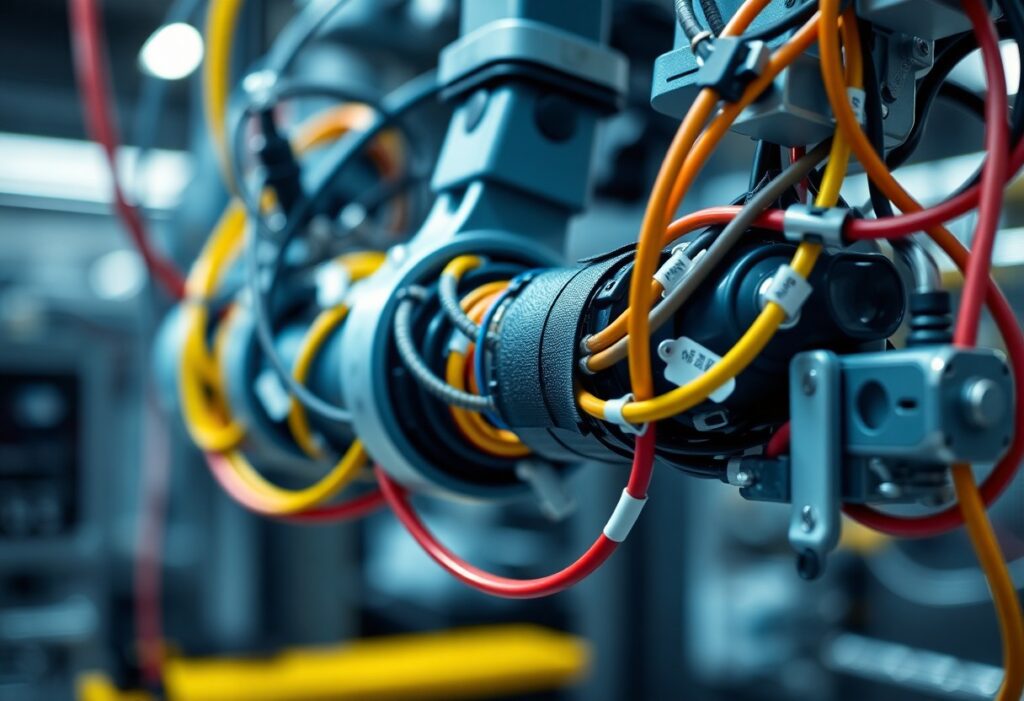
When artillery fire rattles the forward operating base, your maintenance teams stay behind cover while robotic repair units move in. These machines assess hull breaches, reroute power in damaged circuits, and weld cracked chassis using pre-programmed protocols tailored to common battlefield failures. A damaged logistics bot can be back online within 40 minutes, reducing downtime without risking human lives. As noted in Forget The Terminator: Robotics For Logistics 1st, Combat …, frontline resilience increasingly depends on machines fixing other machines under fire.
The Neural Link of Command
Your command interface integrates directly with the robot’s neural processing core, allowing real-time adjustments to mission parameters without manual coding. Each unit interprets intent from high-level directives, translating tactical decisions into autonomous action within seconds. During a recent exercise, a combat engineering robot rerouted its supply delivery after detecting an unexpected obstacle, confirming path changes through encrypted burst signals to your handheld terminal. This responsiveness mirrors the reflexive coordination seen in human-led teams, but with machine precision and reduced cognitive load on operators.
The Weight of Metal Logistics
Every kilogram you move forward has a cost in fuel, time, and risk. A single combat engineering robot hauling 800 kilograms of ammunition, water, or medical supplies replaces three dismounted soldiers burdened with heavy loads. These machines traverse terrain that would exhaust human porters, operating continuously without fatigue. In one documented deployment, a platoon reduced resupply missions by 40 percent over a two-week period using robotic carriers, cutting exposure to enemy observation. Their tracked frames distribute weight efficiently, minimizing ground pressure on soft soil or rubble-strewn paths. You rely on their endurance to maintain tempo when roads vanish and supply lines stretch thin.
Final Words
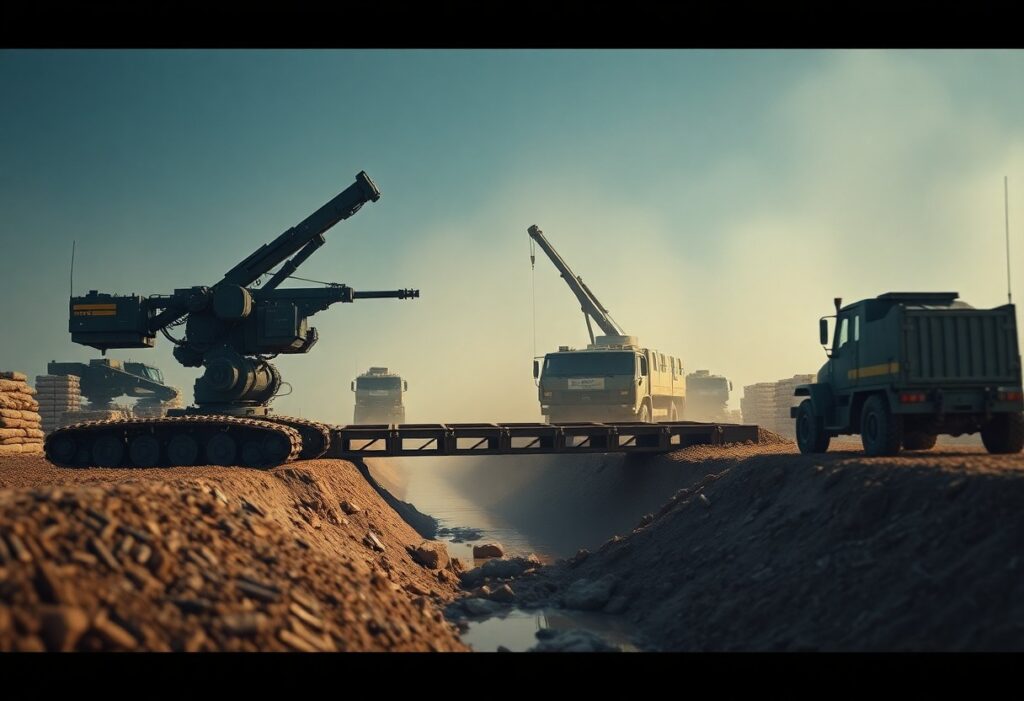
Combat engineering robots now handle explosive ordnance disposal, bridge emplacement, and supply delivery in active conflict zones, reducing risk to human personnel. You rely on these systems to move ammunition through mountain passes in Afghanistan, clear IEDs in urban Iraq, or deliver water and rations during monsoon season in Korea. Their integration into frontline logistics has already shortened resupply cycles by up to 40% in documented field exercises. A mid-sized SaaS firm supporting military logistics reported a 60% reduction in manual entry errors after integrating robotic status updates. These machines operate without fatigue, respond to encrypted commands in milliseconds, and adapt to terrain that would stall traditional convoys. You see their impact not in press releases but in fewer casualties, faster deployments, and sustained operations under duress. The future of combat logistics is not theoretical. You are already living it.