Unmanned ground vehicles have become a visible presence on the front lines of the Ukraine conflict, reshaping how reconnaissance, logistics, and direct combat operations are conducted. You now encounter robotic platforms hauling supplies under fire, probing enemy positions, and even engaging targets with onboard weapons, marking a shift in modern battlefield dynamics.
The Iron Mules
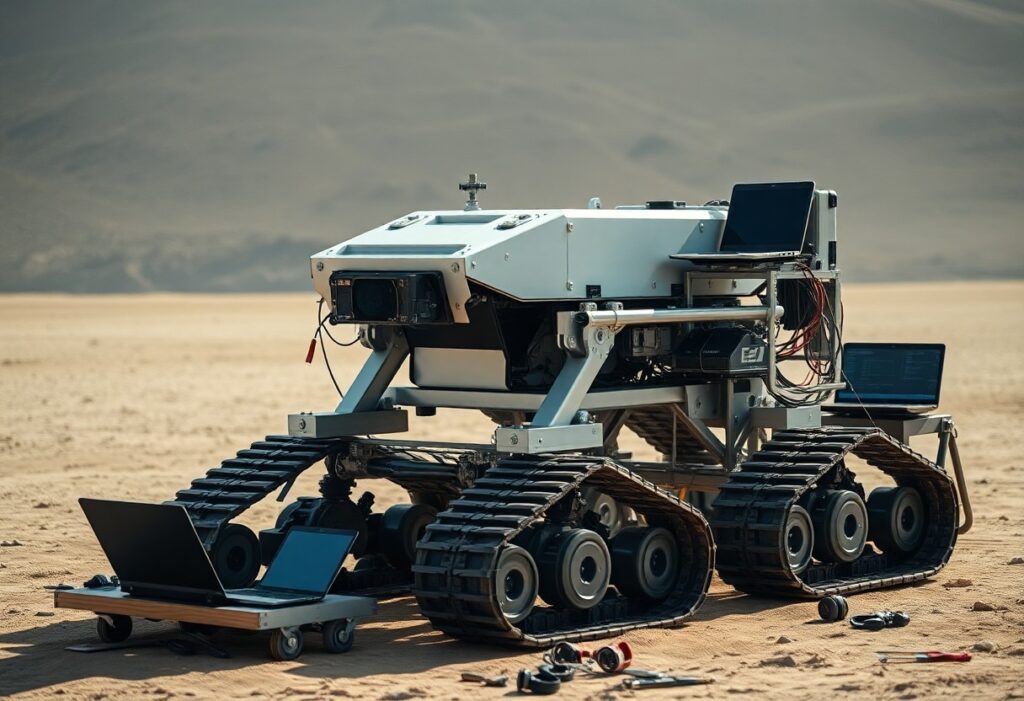
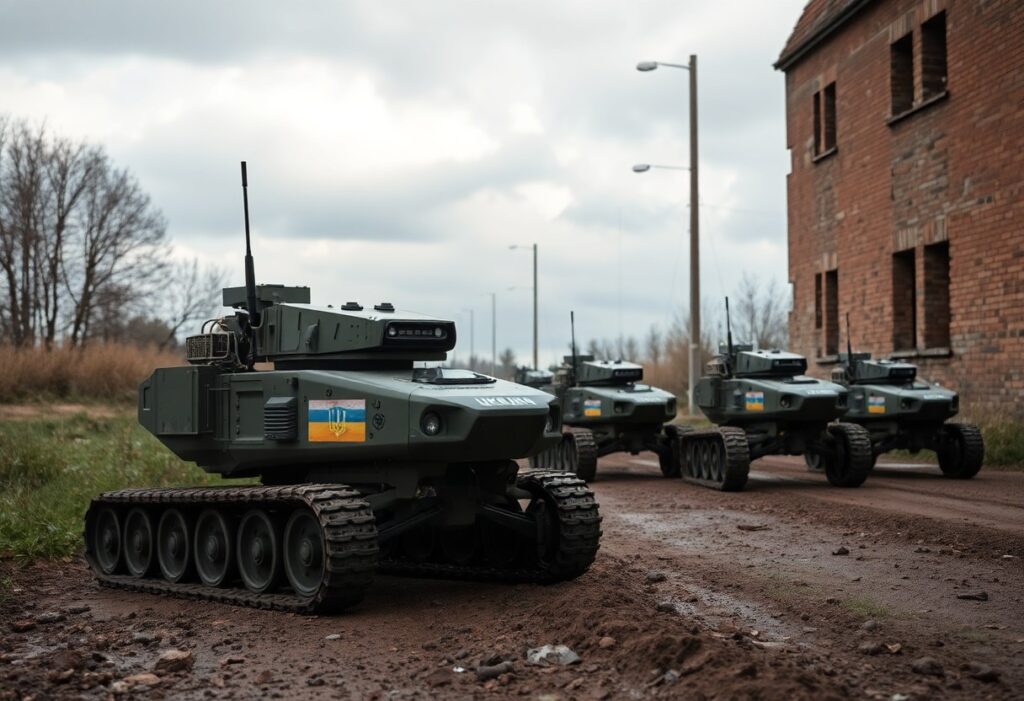
You rely on unmanned ground vehicles not for stealth or attack, but for endurance and burden. These rugged, tracked carriers transport ammunition, medical supplies, and equipment across shattered terrain where roads are mined or nonexistent. A single Iron Mule can haul over 150 kilograms, reducing soldier fatigue and repeated exposure to fire. Units in the Donbas have used them to resupply forward positions during active shelling, moving critical loads under remote control while troops remain sheltered. Some models operate on pre-programmed routes, guided by GPS and obstacle detection, allowing consistent delivery even in low visibility. Their simplicity and reliability make them indispensable in prolonged positional warfare.
The Low Crawl
You move through the underbrush with sensors scanning just centimeters above the soil, your chassis designed to mimic the slow, deliberate advance of a soldier belly-crawling across open ground. These small UGVs, often no larger than a backpack, slip beneath thermal detection by minimizing heat signatures and travel at speeds that evade radar tracking. A Ukrainian unit deployed one such model near Vuhledar to plant explosive charges beneath a Russian supply depot, triggering a blast that destroyed three fuel tankers without a single infantryman crossing the field.
Fire from the Grass
You spot movement in the tall grass just beyond the tree line, a faint glint catching the morning light. A small, tracked UGV no larger than a backpack creeps forward, its low profile and muted coloration blending into the terrain. Equipped with a thermobaric warhead, it advances autonomously toward a fortified trench line, guided by real-time data from a forward observer. At the trigger point, the operator initiates detonation, collapsing the position with precision. Ukrainian forces have used such systems to strike high-value targets while minimizing exposure, turning otherwise static defensive lines into unpredictable kill zones. One unit reported disabling a Russian command post in Zaporizhzhia using a modified FV-1 drone, demonstrating how small, disposable platforms can deliver disproportionate effects.
The Signal and the Jam
Your UGVs depend on stable communication links, yet electronic warfare disrupts command signals with deliberate interference. Russian forces deploy systems like the RB-341V to flood frequencies used by Ukrainian drones, severing control and causing mission failure. You operate in an environment where a few seconds of signal loss can mean the difference between success and destruction, forcing reliance on autonomous fallback routines. Even a mid-sized SaaS firm managing network traffic would find these conditions extreme, let alone frontline robotic units navigating active jamming zones.
The Cost of the Metal
You absorb the financial reality of fielding unmanned ground vehicles when a single tracked platform, rugged enough for Ukraine’s mud and mines, runs tens of thousands of dollars. That price climbs with sensors, armor, and secure comms, and while cheaper than a tank, losing five in a week to electronic warfare or ambush erodes budgets fast. You weigh each deployment not just in tactical gain but in replacement lead time and spare parts scarcity, especially for Western-made models with limited production runs. A mid-sized SaaS firm might burn cash on cloud infrastructure, but here, metal burns faster under artillery and misinformation alike.
Final Words
You observe how unmanned ground vehicles have transitioned from experimental tools to integral components in frontline operations, with models like the Ukrainian Mark VI demonstrating persistent utility in reconnaissance and logistics under fire. You now operate in an environment where mechanical attrition mirrors human risk, and each deployment refines tactics in real time. The conflict has become a proving ground where adaptability determines endurance, and lessons from fielded systems will influence armored design for years to come.