
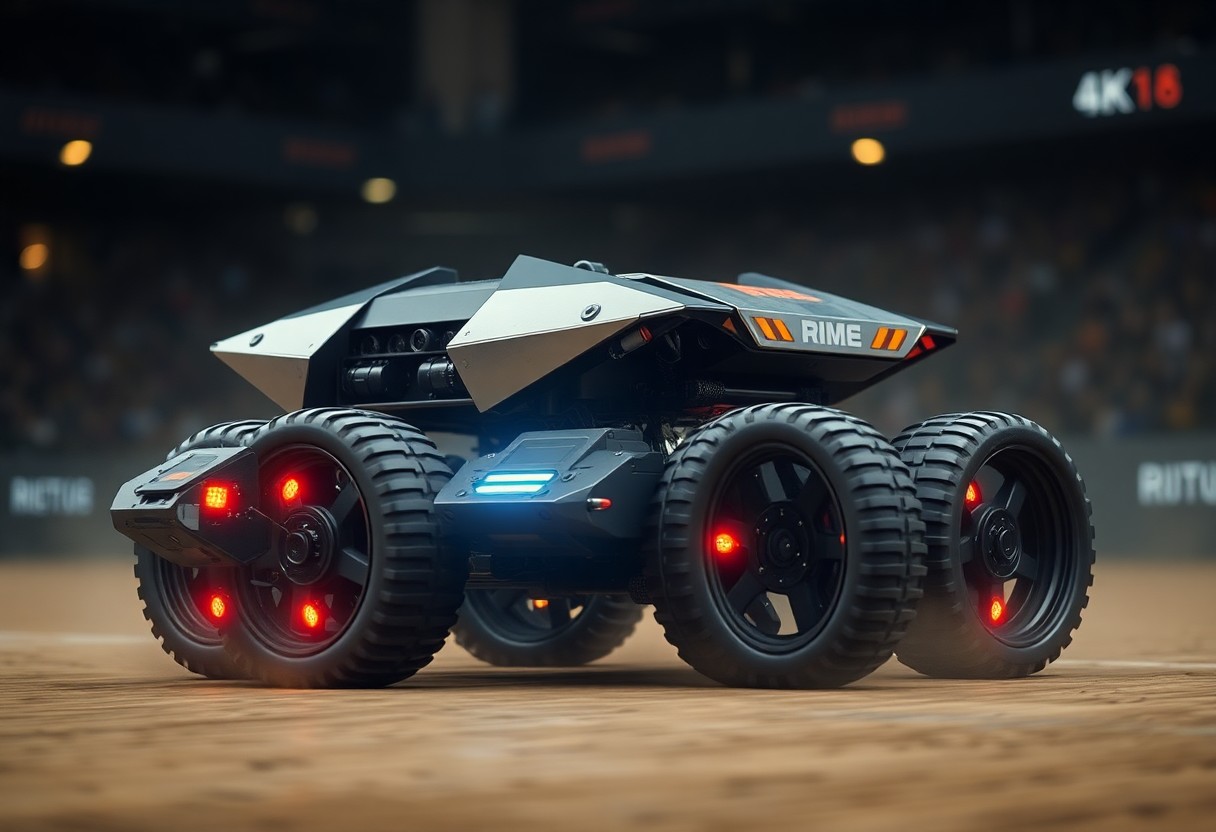
There’s a precise science behind building a Robot Wars machine that dominates through speed and agility. You balance lightweight materials with durable construction, fine-tune drivetrains for rapid acceleration, and optimize weight distribution to enhance maneuverability. Every design choice directly impacts how quickly your robot reacts and evades in the heat of battle. The Pursuit of […]
Category: Technology Ethics
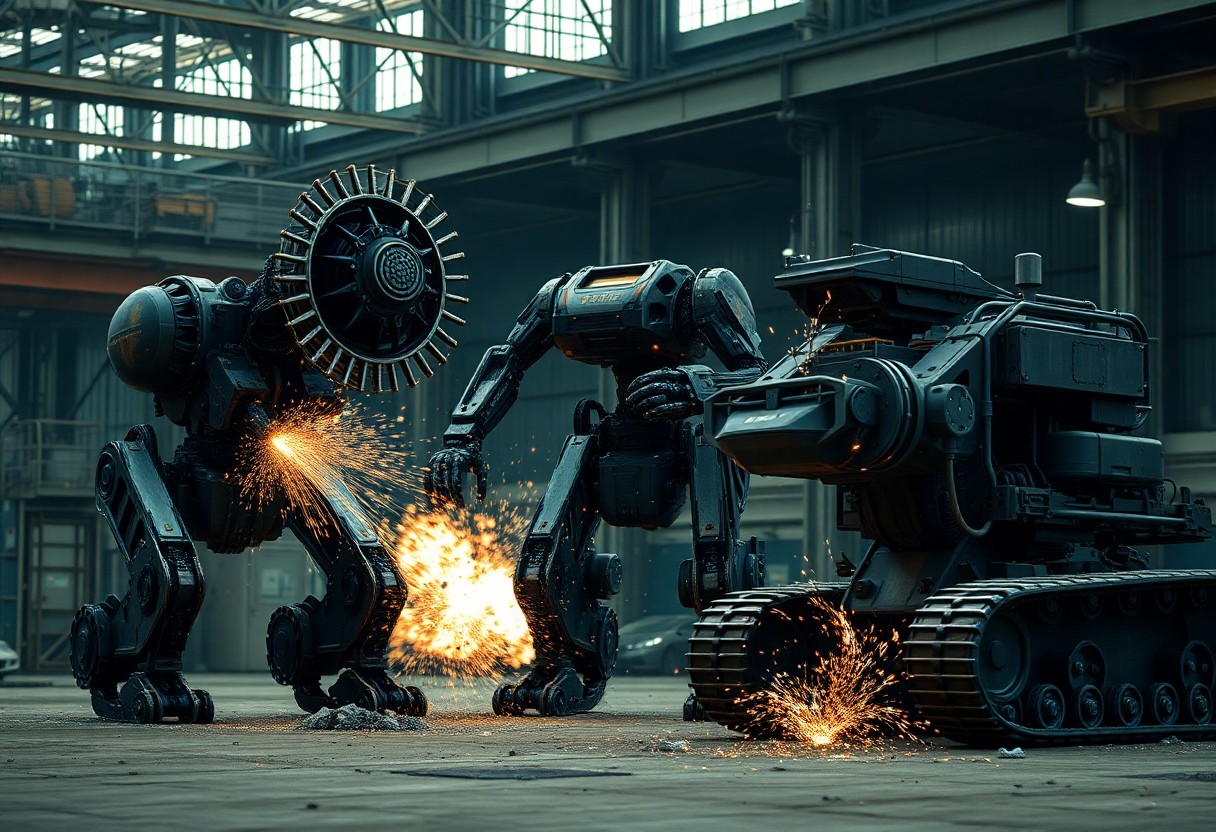
Weapon Systems in Robot Wars – Spinners, Lifters, and Crushers
There’s a reason the most dominant robots in Robot Wars rely on powerful, well-designed weapons. You’re about to discover how spinners deliver devastating impacts, lifters control opponents with precision, and crushers apply brute force to dismantle competition-each shaping the outcome of battle in decisive ways. The Heavy Spinner You face opponents with brute force when […]

Creating a Robot Wars Strategy – Offense, Defense, and Tactics
Strategy begins with understanding how your robot performs under pressure. You must balance aggressive moves with solid protection and smart positioning. Offense wins fights, defense keeps you in them, and tactics tie both together. Your success depends on real-time decisions shaped by design, opponent behavior, and arena hazards. The Offensive Strike You launch forward the […]
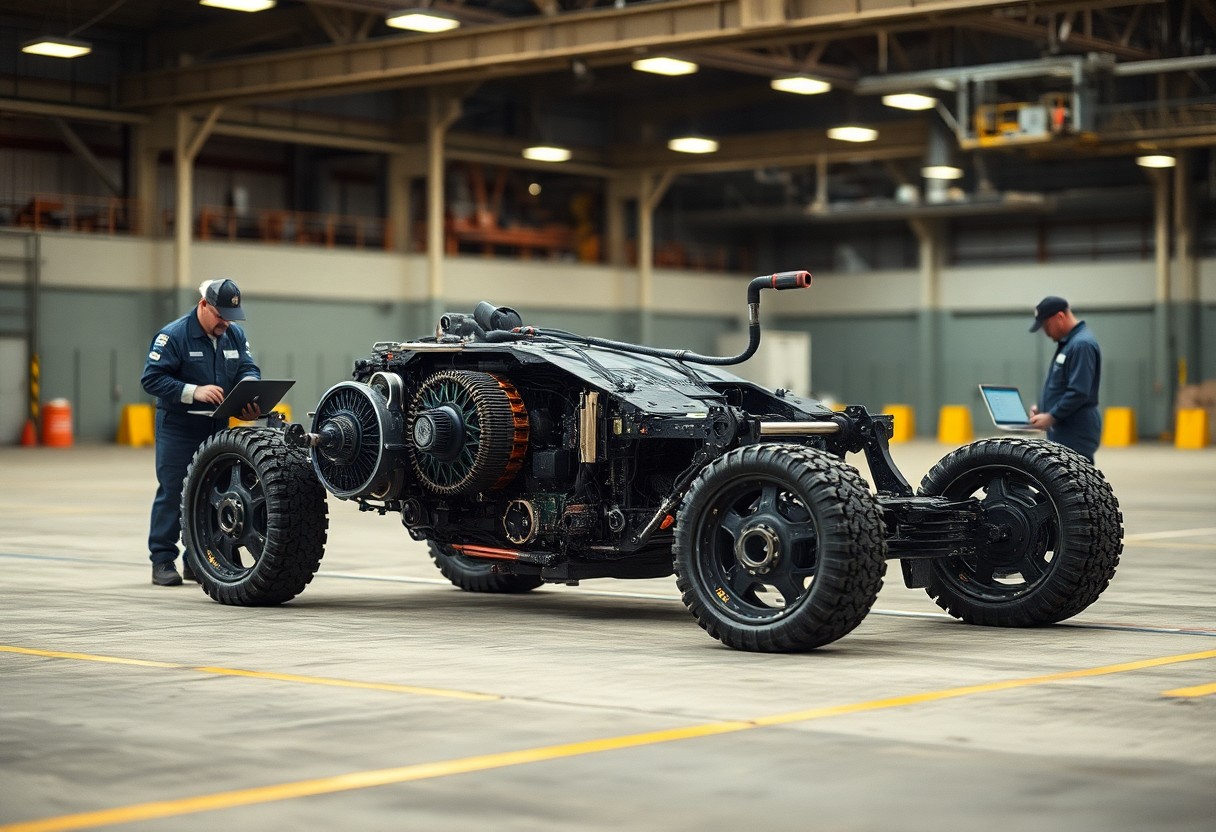
Testing and Improving Your Robot Wars Prototype
Many builders overlook the real value of iterative testing until their robot fails in the arena. You need to stress-test every system-drivetrain, weapon, and armor-under conditions that mirror actual combat. Use each trial to identify weaknesses, make targeted upgrades, and verify performance gains. Your robot evolves not in design alone, but through relentless, hands-on refinement. […]
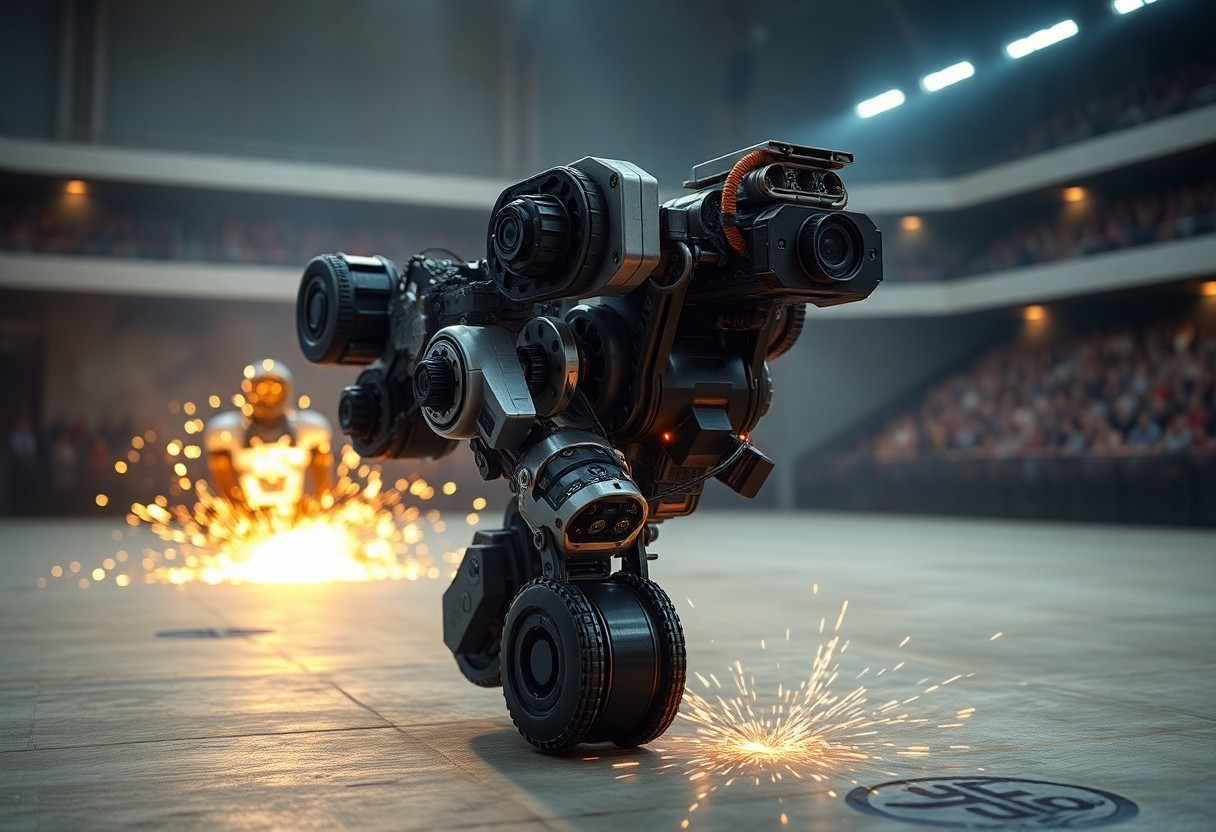
Designing a Robot That Can Flip, Push, and Outsmart Opponents
Many combat robotics enthusiasts aim to build machines that dominate through agility, strength, and strategy. You need a design that integrates powerful actuators, low-center-of-mass stability, and responsive controls to flip and push opponents effectively. Smart sensor integration and predictive algorithms give your robot the edge to anticipate moves and react decisively in fast-paced battles. The […]
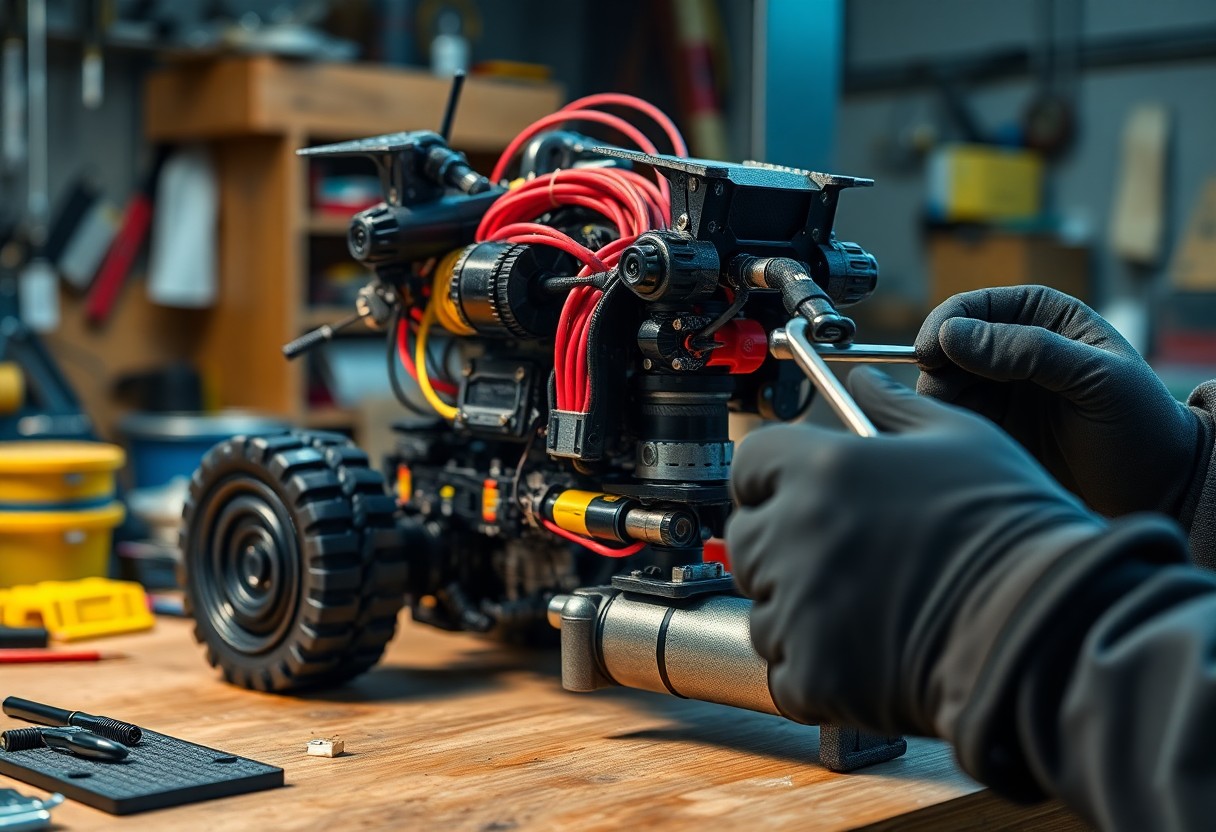
How to Upgrade Your Combat Robot for Better Performance
Over time, your combat robot faces tougher opponents and more demanding arenas. You need smarter motors, stronger armor, and refined control systems to stay competitive. This guide shows you exactly which components to upgrade and how to install them for maximum impact in the ring. Evaluating Critical Performance Factors Every combat robot’s effectiveness hinges on […]
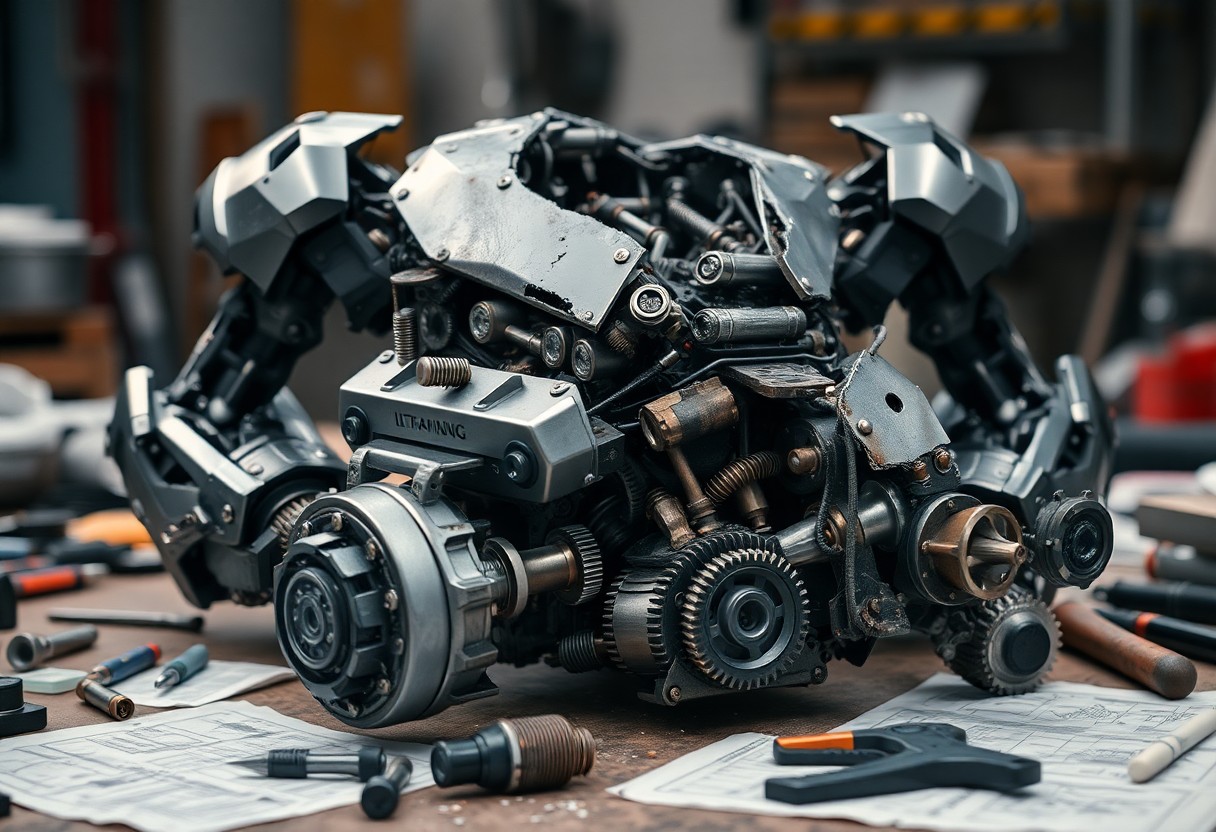
Mechanical Design Challenges in Robot Combat
Just designing a combat robot that survives impact requires you to balance strength, weight, and mobility under extreme conditions. You face material fatigue, weapon integration, and structural integrity with every build. Your choices directly determine whether your robot withstands blows or fails in the arena. The Weight Limit and the Hard Choice You face a […]
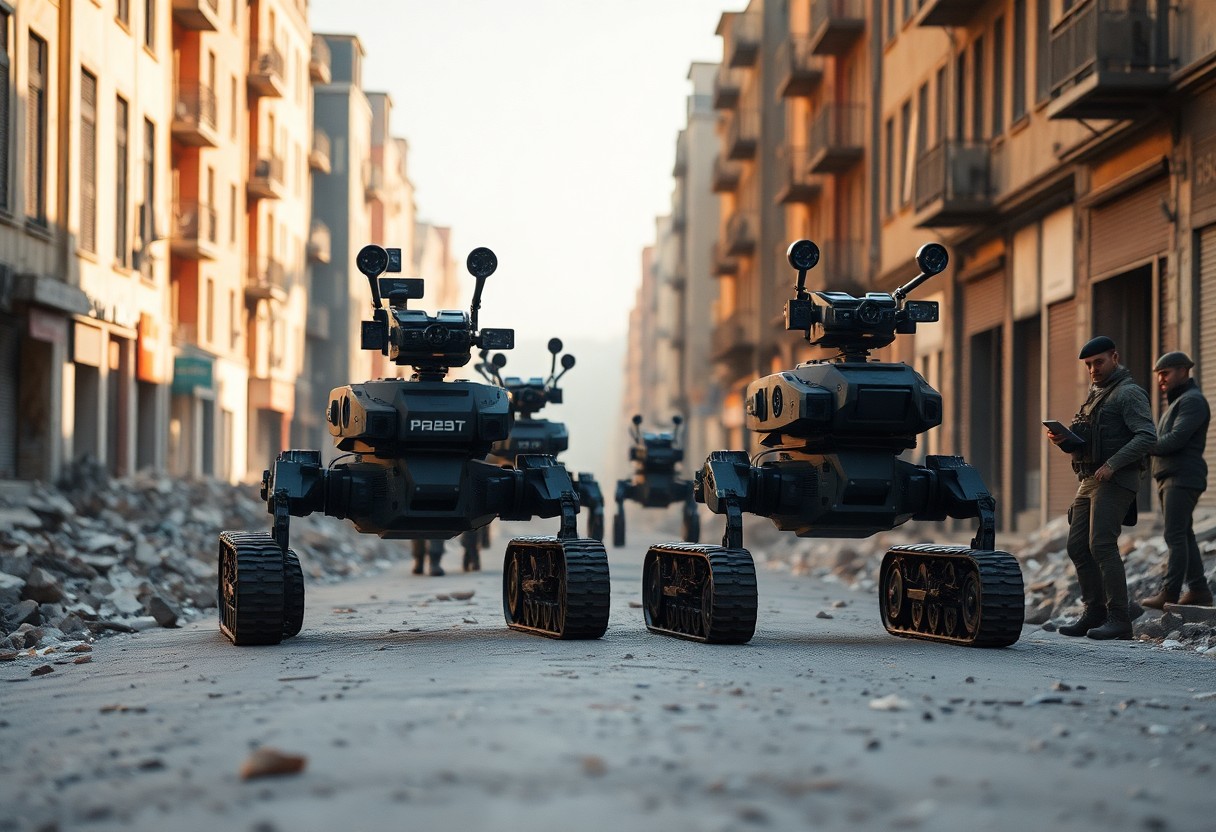
The Rise of Ground Robots in Modern Warfare
Most military planners now expect ground robots to play a decisive role in future combat operations, a shift already visible in recent conflicts where unmanned systems have taken on reconnaissance, logistics, and direct engagement tasks. You operate in an era where algorithmic targeting and remote-controlled mobility redefine battlefield dynamics, with pilot programs from Ukraine to […]
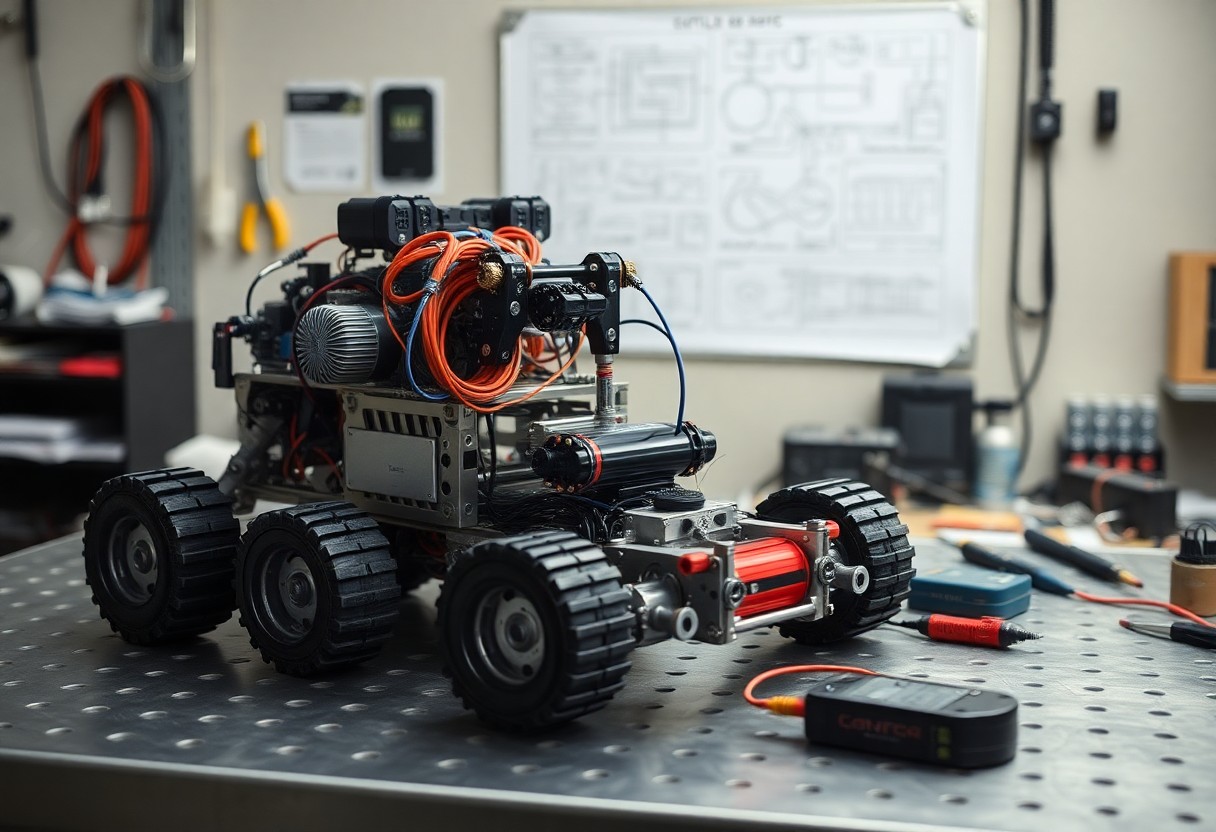
Designing a Competitive Battle Robot from Scratch
Most successful battle robots begin not with flashy parts, but with a clear strategy. You define your weight class, choose an effective weapon system, and prioritize durability under extreme stress. Every decision, from chassis material to motor selection, directly impacts performance in the arena. You build not just to fight, but to outlast and outmaneuver. […]
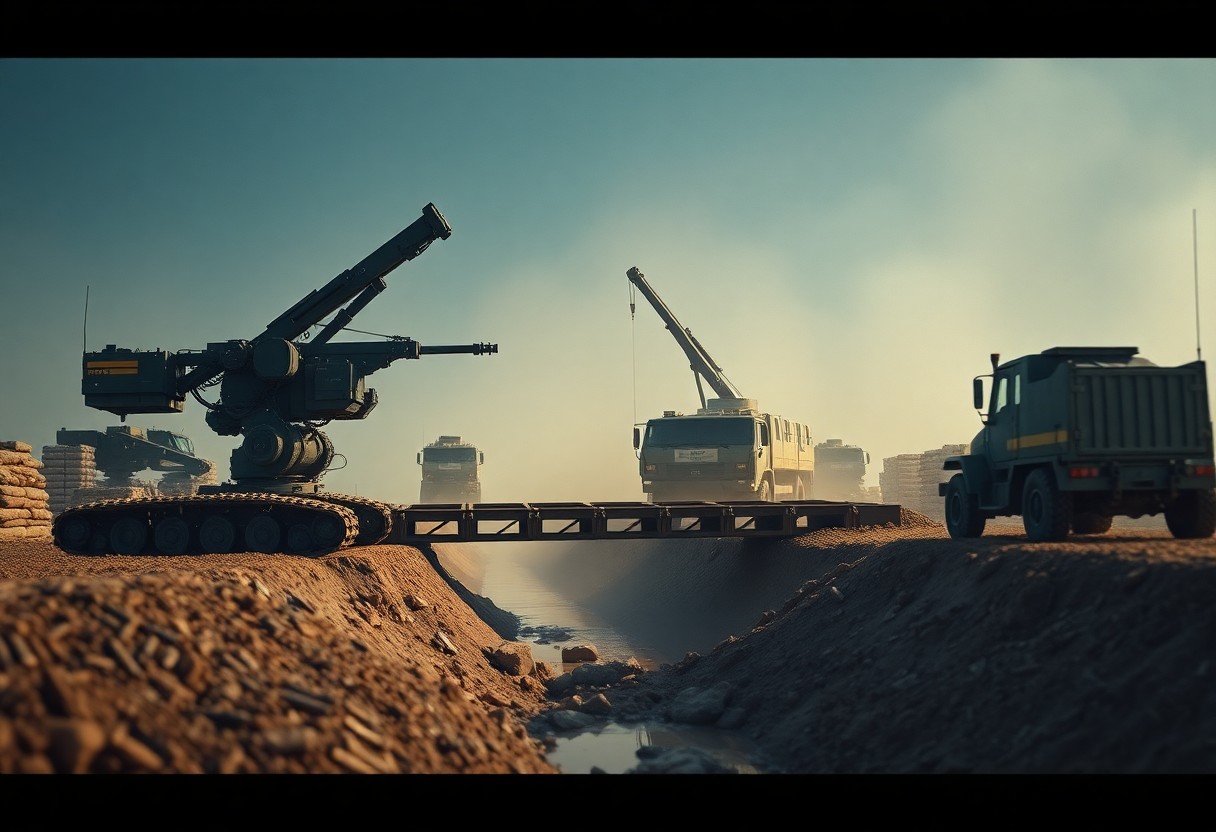
Combat Engineering Robots Supporting Frontline Logistics
Logistics on the front lines demand precision, speed and resilience under fire. You rely on systems that move supplies, clear routes and sustain operations where human presence is too risky. Combat engineering robots now perform these tasks, integrating strength, autonomy and real-time responsiveness in active theaters. A mid-sized SaaS firm managing drone logistics for military […]