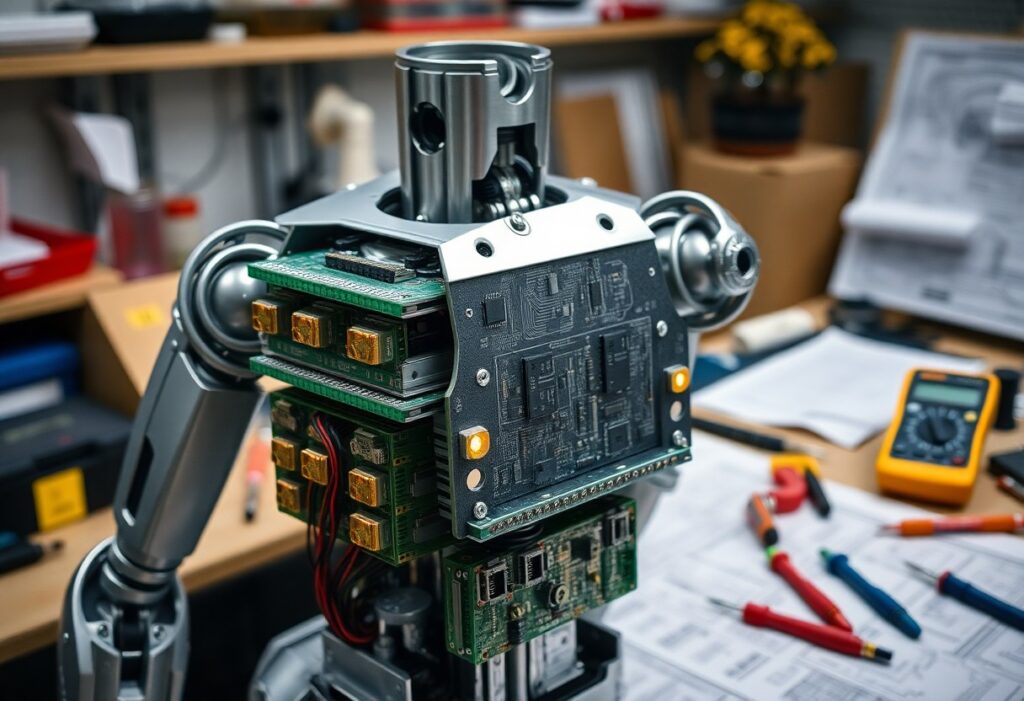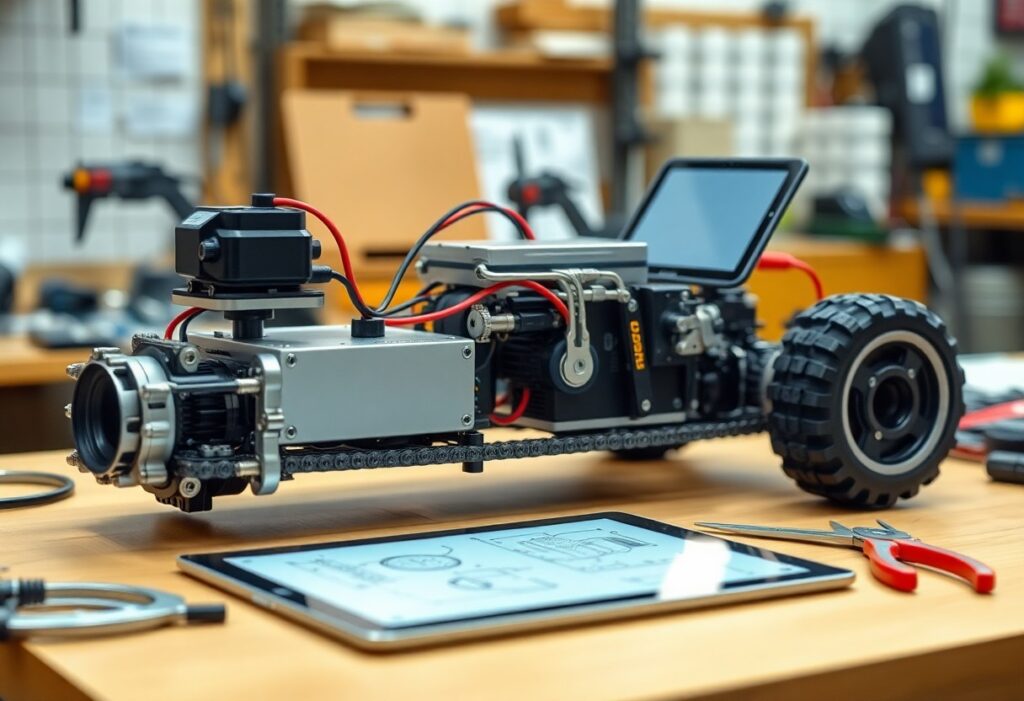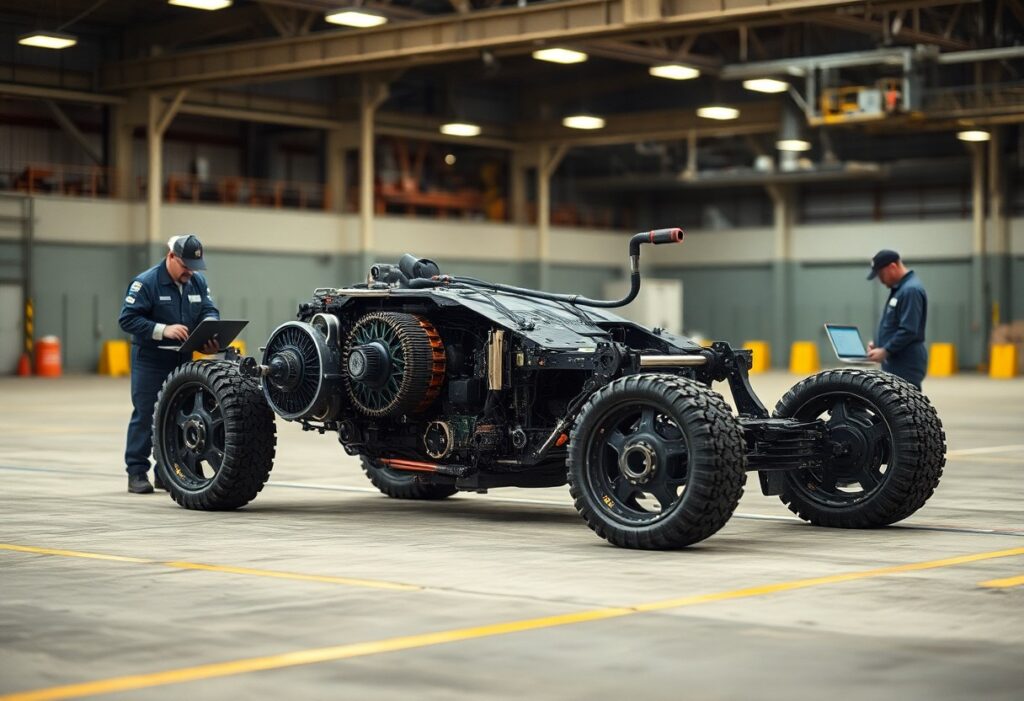
Many builders overlook the real value of iterative testing until their robot fails in the arena. You need to stress-test every system-drivetrain, weapon, and armor-under conditions that mirror actual combat. Use each trial to identify weaknesses, make targeted upgrades, and verify performance gains. Your robot evolves not in design alone, but through relentless, hands-on refinement.
The Testing Ground
You step into the arena with your robot, sensors active and motors humming. This is where theory meets impact-where every design choice faces real force. Run timed trials, record response delays, and watch how components react under stress. Identify weak points not when you’re safe in the workshop, but here, in controlled chaos. Adjust, adapt, and return stronger.
The Strike of the Blade
Your blade’s impact determines match outcomes more than any other weapon system. Test its rotational speed under load to confirm it maintains momentum on contact. Position the blade so it strikes just above the opponent’s centerline for maximum flipping effect. Adjust motor torque and gear ratios if the system bogs down during engagement. Observe wear patterns after each trial to refine material choice and mounting strength.
The Mending of Steel
Repair with Precision
Every dent and fracture tells a story of impact and resilience. You must assess each structural flaw under bright light, identifying stress points that failed during combat. Use a die grinder to remove cracked welds cleanly, then realign the steel with clamps before re-tacking. Precision here prevents future weaknesses-your robot’s survival depends on clean, strong joints.
Choose the Right Filler
Your welding rod selection directly affects bond strength and heat distortion. For mild steel chassis, 70S-6 MIG wire delivers reliable penetration with minimal spatter. If you’re repairing hardened armor plates, switch to a nickel-based filler to avoid brittleness. Match the material properties closely-this isn’t just repair, it’s reinforcement.
Test Before You Re-enter
A flawless weld means nothing if it cracks under load. Simulate battle impacts by striking repaired zones with a calibrated hammer or using a hydraulic press to stress joints. Inspect for microfractures with a magnifying glass and soapy water test for hidden flaws. Only when the frame withstands repeated punishment should you consider it fight-ready.
The Heart and the Current
Power Distribution Testing
Your robot’s performance hinges on how efficiently power flows through its systems. Test each circuit under load to identify weak links in wiring or connections. Monitor voltage drops across joints and actuators during peak operation. Use the War Robots Test Server 3.2.0.493 to simulate high-stress combat scenarios and observe how your design holds up under real-time feedback.
The Measure of the Frame
Your frame’s dimensions directly impact stability and agility in combat. Measure every side with precision, ensuring symmetry across load-bearing points. Misaligned frames suffer stress fractures under impact, so verify squareness with a carpenter’s square or laser level. Tolerances matter-stay within 1-2mm across joints. Adjust now, before final welds or fastening, to avoid performance flaws in the arena.
The Mastery of the Stick
Your control stick is more than a simple input device-it’s the direct link between your instincts and your robot’s movement. Precision comes from hours of muscle memory built through repeated drills in tight spaces and under pressure. Adjust dead zones and sensitivity to match your reflexes, not the default settings. Mastery means reacting without thought, turning defense into offense in a blink.
Final Words
Drawing together your testing insights and design adjustments strengthens your Robot Wars prototype. You refine performance by identifying weak joints, improving weapon efficiency, and optimizing mobility under real combat conditions. Each test reveals how your robot responds to impact and stress. You make precise changes, validate them, and repeat. Your robot becomes more effective, reliable, and competitive through disciplined iteration.