
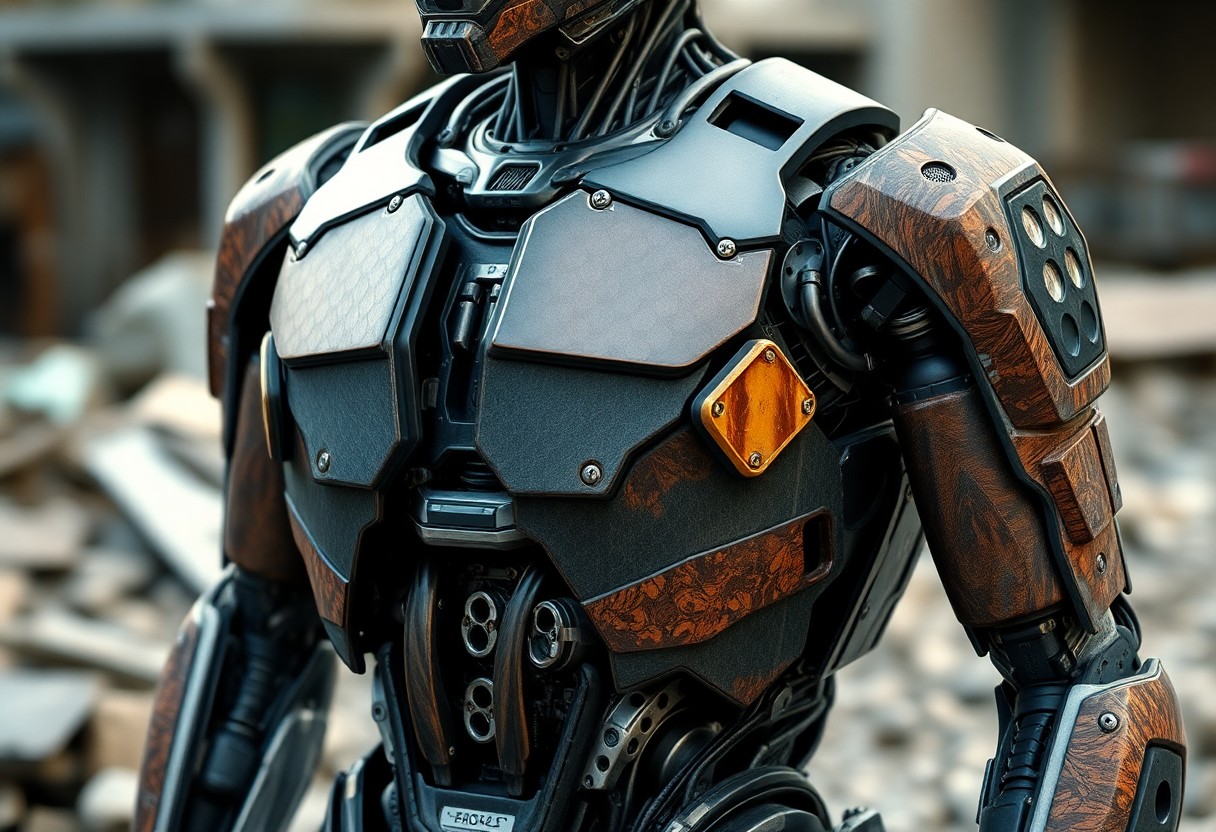
Over years of competitive robot combat, effective armor design has proven decisive in determining survival. You need layered materials, strategic sloping, and impact distribution to withstand heavy strikes. Your robot’s shape, weight, and weak points directly influence durability. Choose wisely to deflect blows and maintain mobility under fire. The Choice of Metal Selecting the right […]
Category: Uncategorized
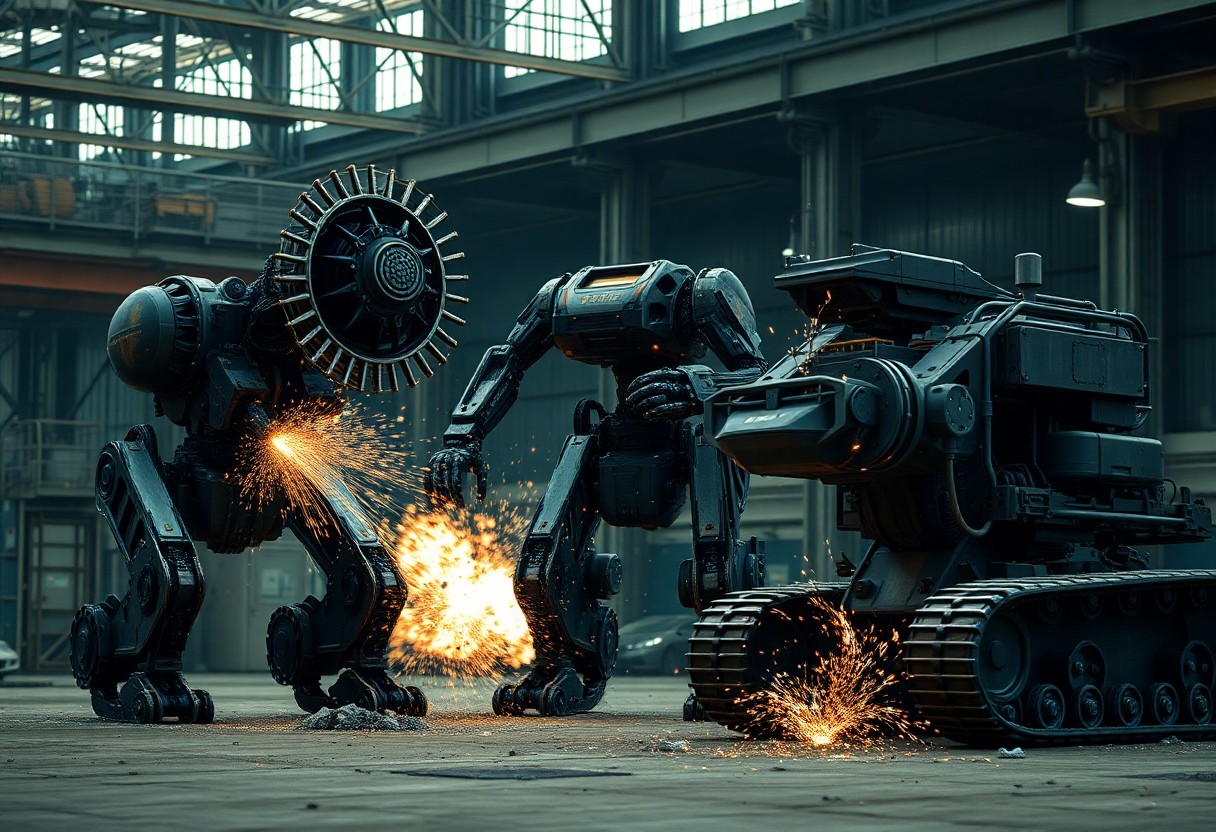
Weapon Systems in Robot Wars – Spinners, Lifters, and Crushers
There’s a reason the most dominant robots in Robot Wars rely on powerful, well-designed weapons. You’re about to discover how spinners deliver devastating impacts, lifters control opponents with precision, and crushers apply brute force to dismantle competition-each shaping the outcome of battle in decisive ways. The Heavy Spinner You face opponents with brute force when […]

Creating a Robot Wars Strategy – Offense, Defense, and Tactics
Strategy begins with understanding how your robot performs under pressure. You must balance aggressive moves with solid protection and smart positioning. Offense wins fights, defense keeps you in them, and tactics tie both together. Your success depends on real-time decisions shaped by design, opponent behavior, and arena hazards. The Offensive Strike You launch forward the […]
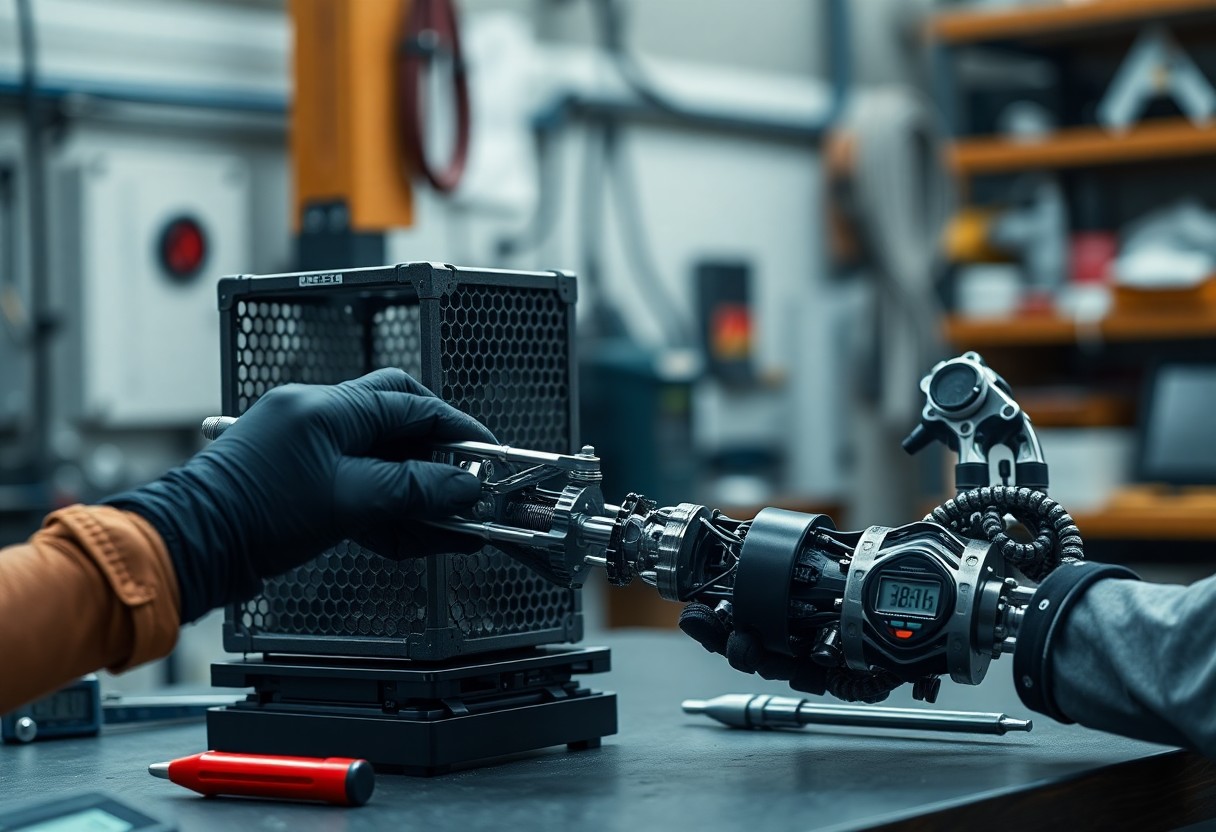
Building a Lightweight Robot Without Losing Durability
Robot design demands a balance between weight and strength, and you can achieve both with the right materials and structural choices. By selecting high-strength composites, optimizing frame geometry, and using strategic reinforcement, you build a machine that moves efficiently without sacrificing resilience under stress. Material Selection for the Positronic Age Today’s robots demand materials that […]
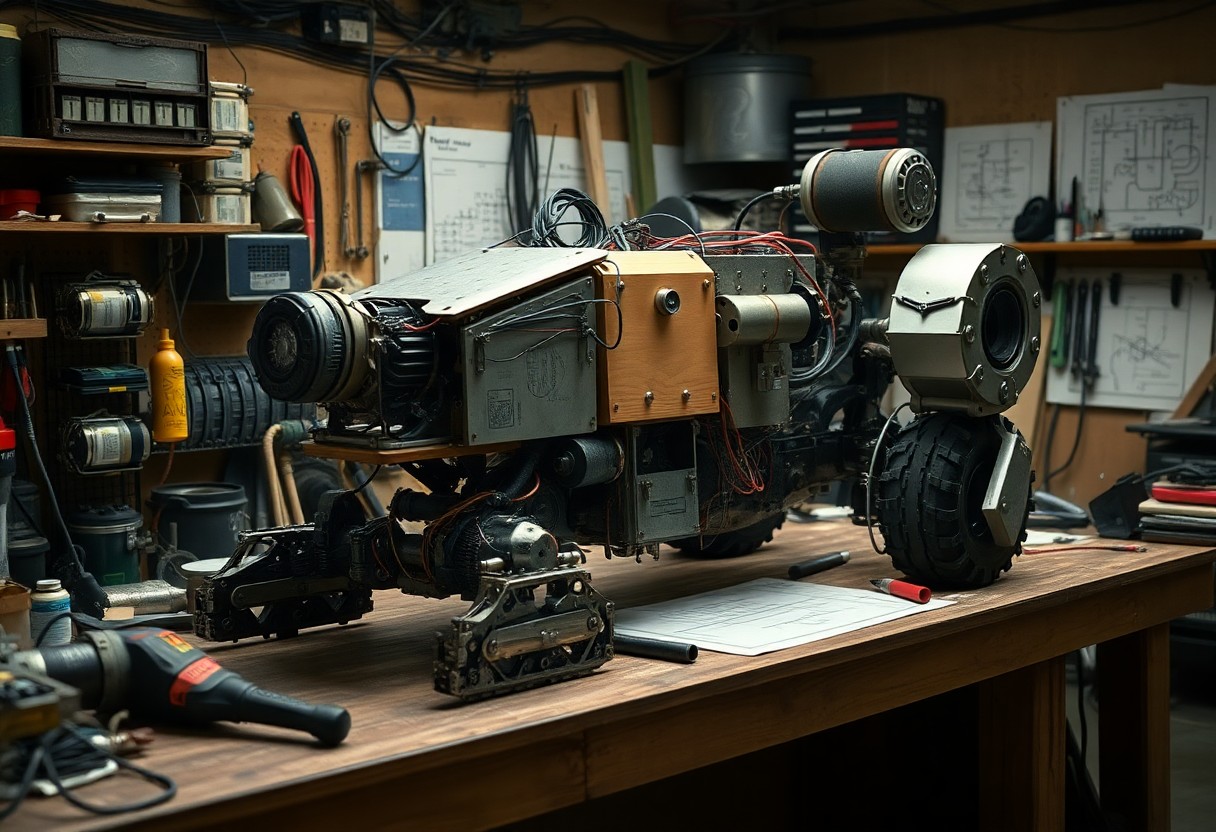
Building a Robot Wars Entry on a Limited Budget
Many competitors assume that a winning Robot Wars entry demands deep pockets, but you can build a competitive machine with smart planning and resourcefulness. You don’t need expensive parts-just a clear design, access to basic tools, and the willingness to test and adapt. Success comes from ingenuity, not spending. Scavenging for Parts You’ll find most […]
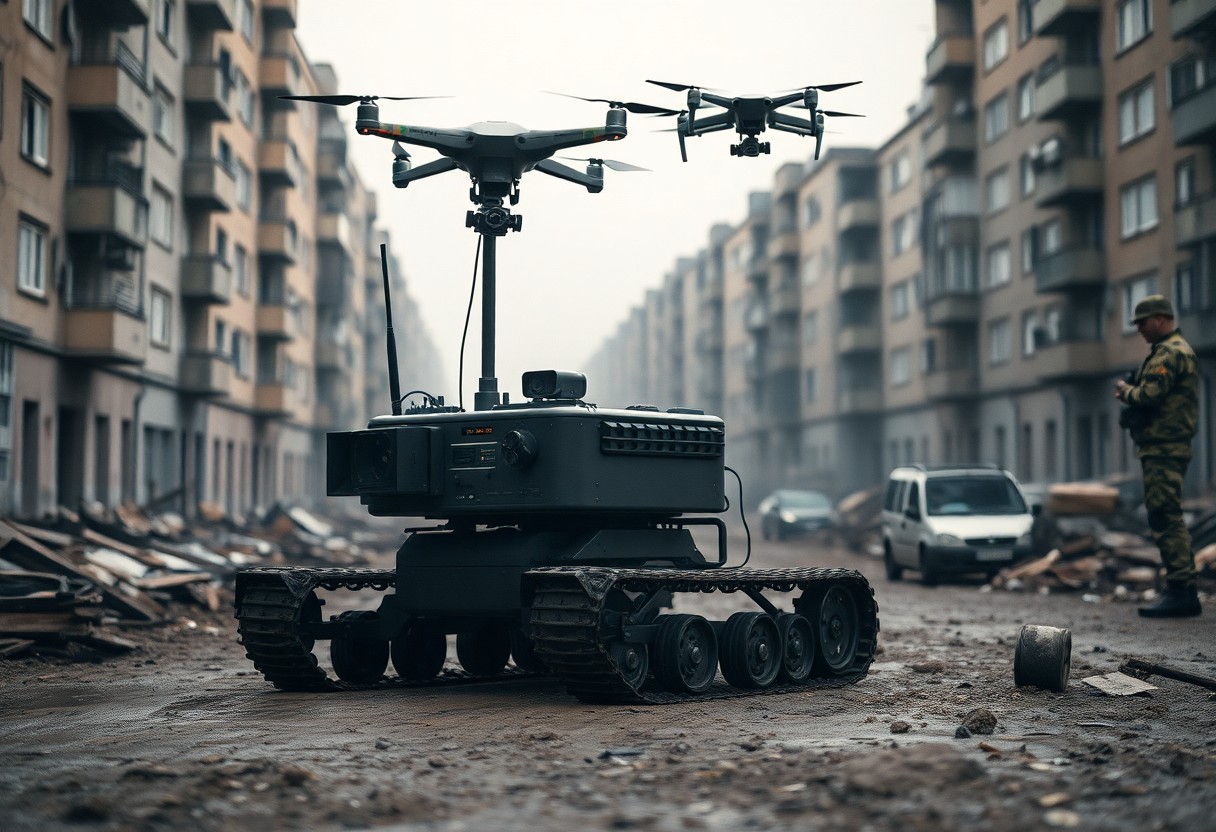
How Robots Are Supporting Reconnaissance Missions in Ukraine
Many military observers now recognize robotic systems as central to modern battlefield awareness, and in Ukraine, you see them operating just behind the front lines. Unmanned ground and aerial vehicles gather real-time visual and electronic data, allowing commanders to assess enemy movements without risking personnel. A mid-sized SaaS firm might rely on automated analytics, but […]
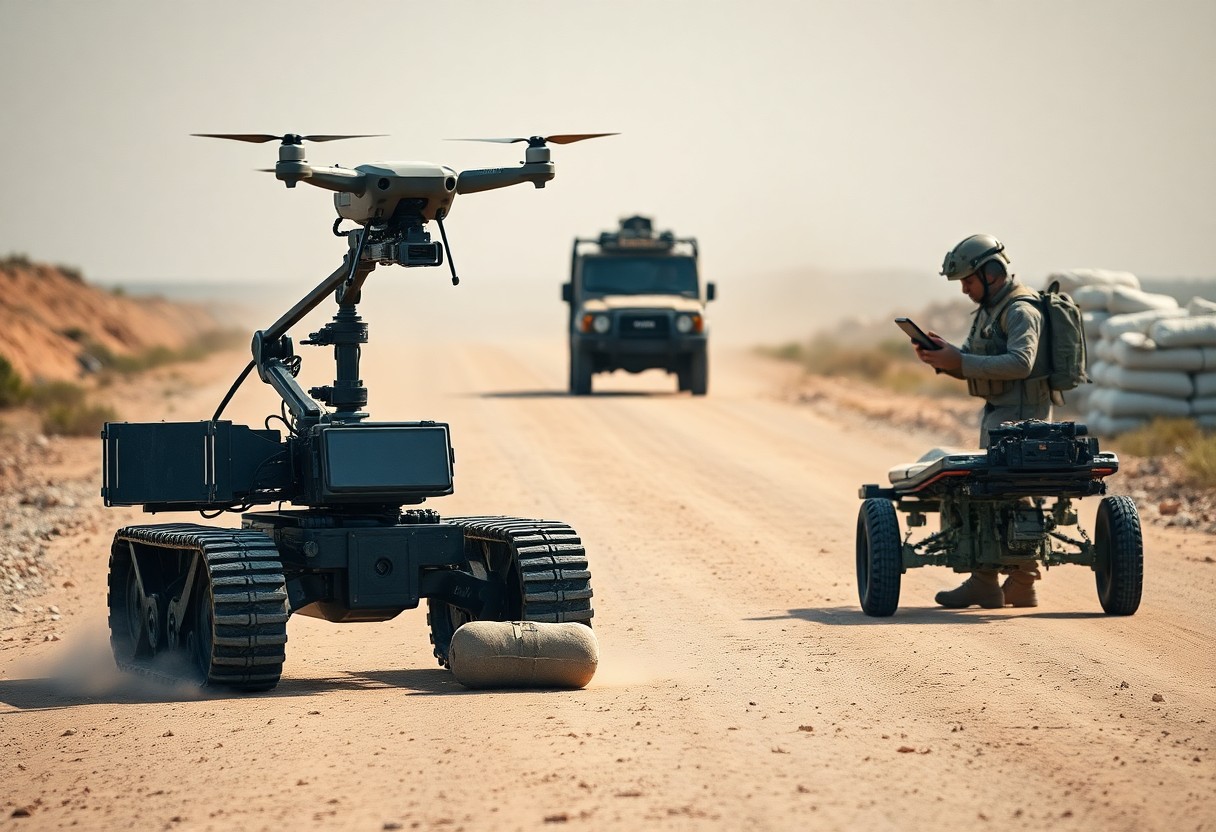
How Military Robots Reduce Risks for Human Personnel
You step into a warzone where machines now absorb the first dangers once borne by soldiers. Military robots perform high-risk tasks-from breaching fortified positions to detecting improvised explosives-keeping human personnel out of immediate harm’s way. These systems are not futuristic concepts but active components in modern defense operations, deployed in reconnaissance, logistics, and direct combat […]
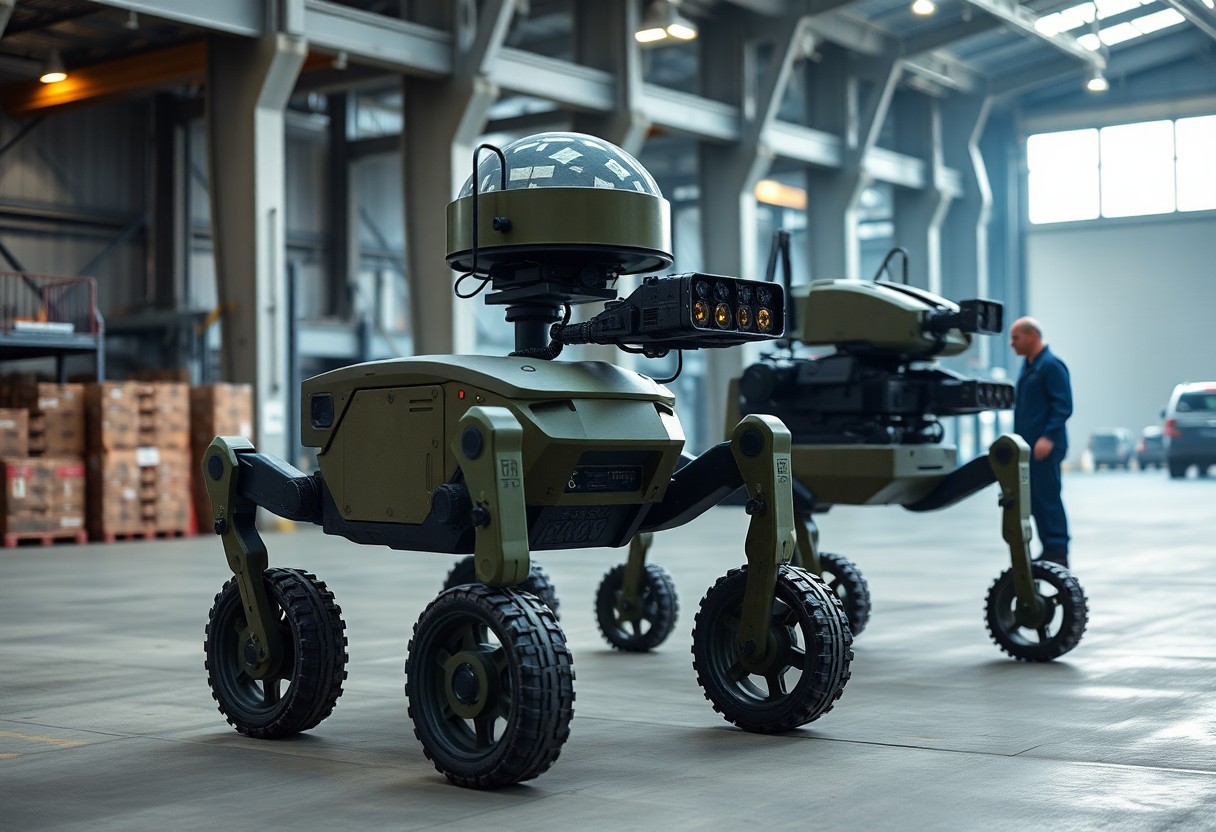
Engineering Next-Generation Military Ground Robots
With modern battlefields demanding faster decisions and greater operational reach, you are now designing ground robots that integrate advanced mobility, real-time sensing, and autonomous decision-making to operate alongside human forces in high-threat environments. These systems must endure extreme terrain, respond to dynamic threats, and maintain secure communication under electronic attack, setting new benchmarks in durability […]
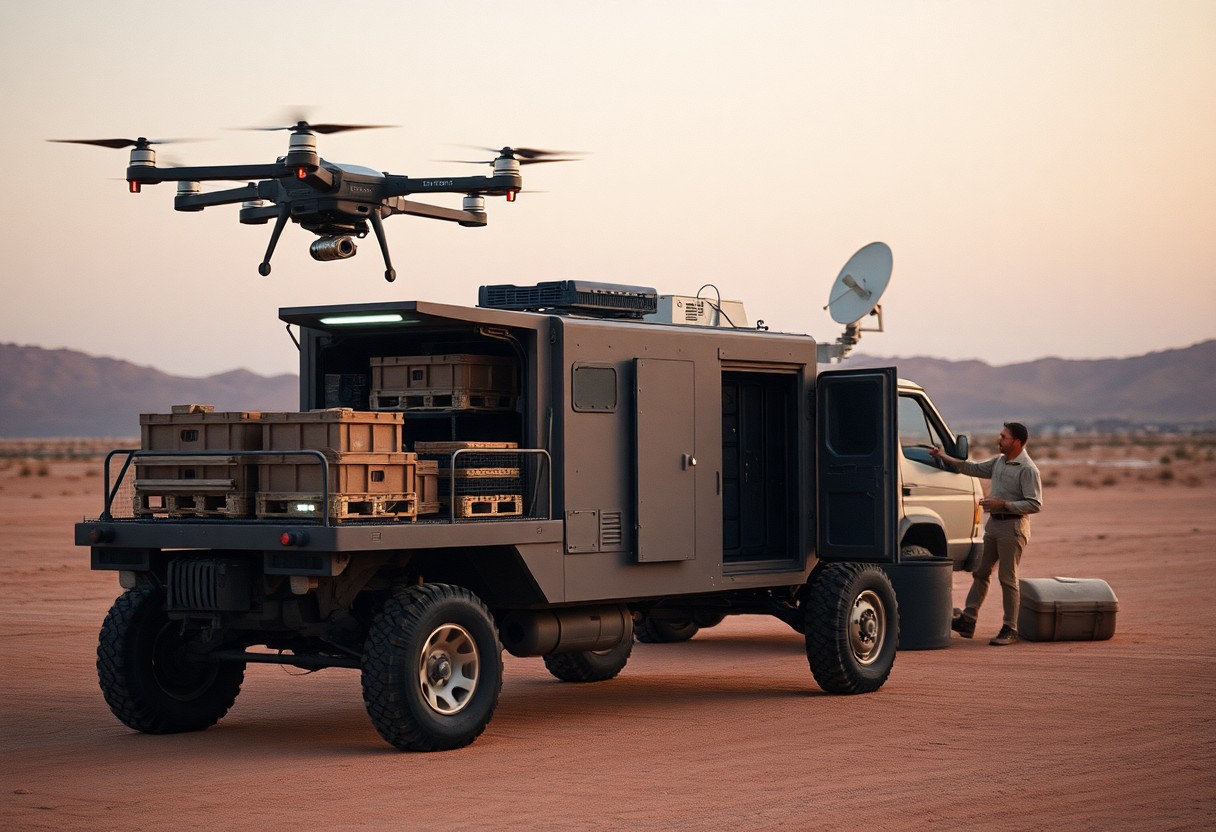
The Future of Autonomous Combat Support Systems
You operate in a world where supply lines are no longer just guarded but self-repairing, where drones evacuate the injured without waiting for orders, and where battlefield decisions unfold faster than human reflexes allow. Autonomous combat support systems are no longer speculative-they are active participants in modern defense, reshaping how missions are sustained and executed […]
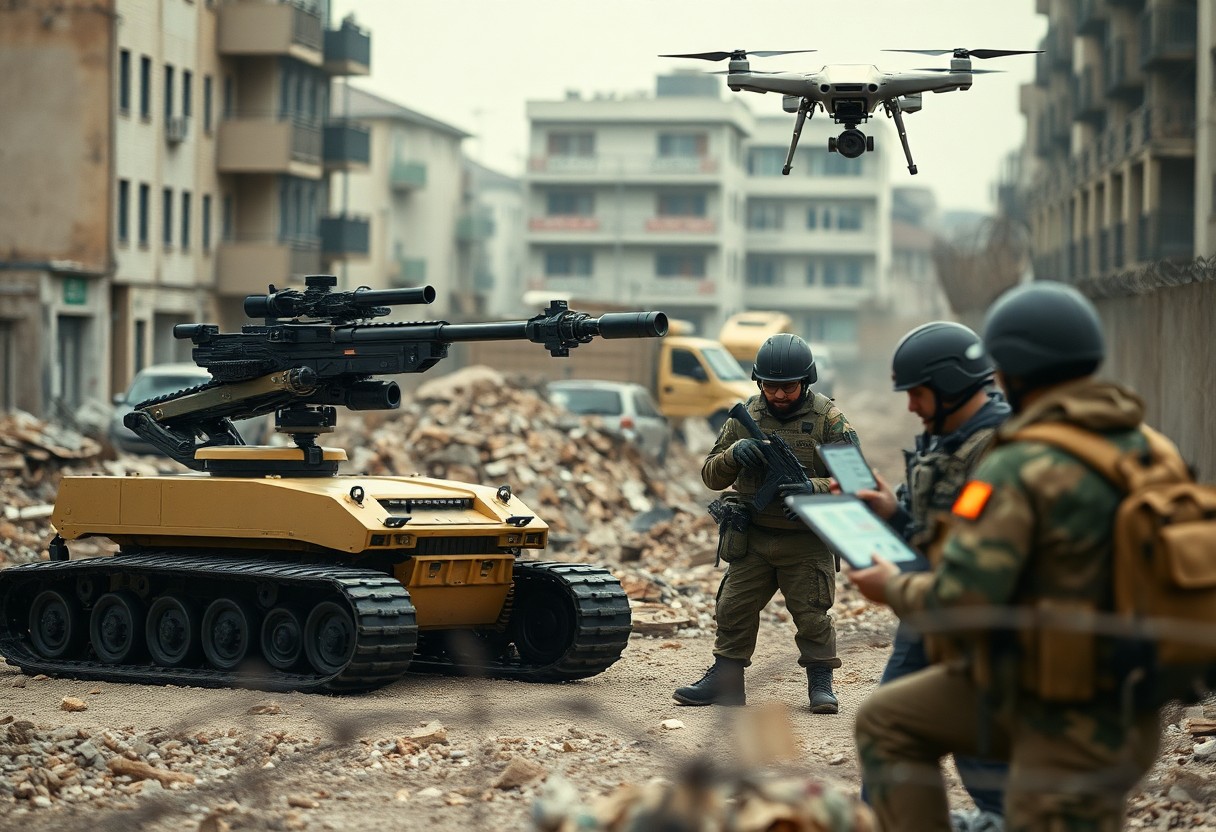
Ground Robotics and the Changing Nature of Modern Conflict
Robotics is reshaping how you perceive warfare, replacing human soldiers with machines in increasingly complex combat roles. From reconnaissance to direct engagement, unmanned ground systems are no longer experimental tools but operational realities. You now face a battlefield where algorithms guide movement, explosives are delivered without a human trigger finger, and missions unfold with minimal […]