Architecture defines how components integrate and evolve in robotic systems. You design scalable modular robots by standardizing interfaces, enabling plug-and-play functionality across configurations. This approach simplifies upgrades, repairs, and adaptation to new tasks. You gain flexibility without sacrificing performance, making modular design a practical foundation for next-generation robotics.
The Modular Premise
You design systems where components function independently yet integrate seamlessly. Each module serves a distinct purpose-sensing, actuation, computation-yet connects through standardized interfaces. This approach lets you scale complexity without rewriting core logic. You swap, upgrade, or expand functions without disrupting the whole. Modularity isn’t just physical-it’s architectural, enabling flexibility that rigid designs can’t match.
Interface Standards
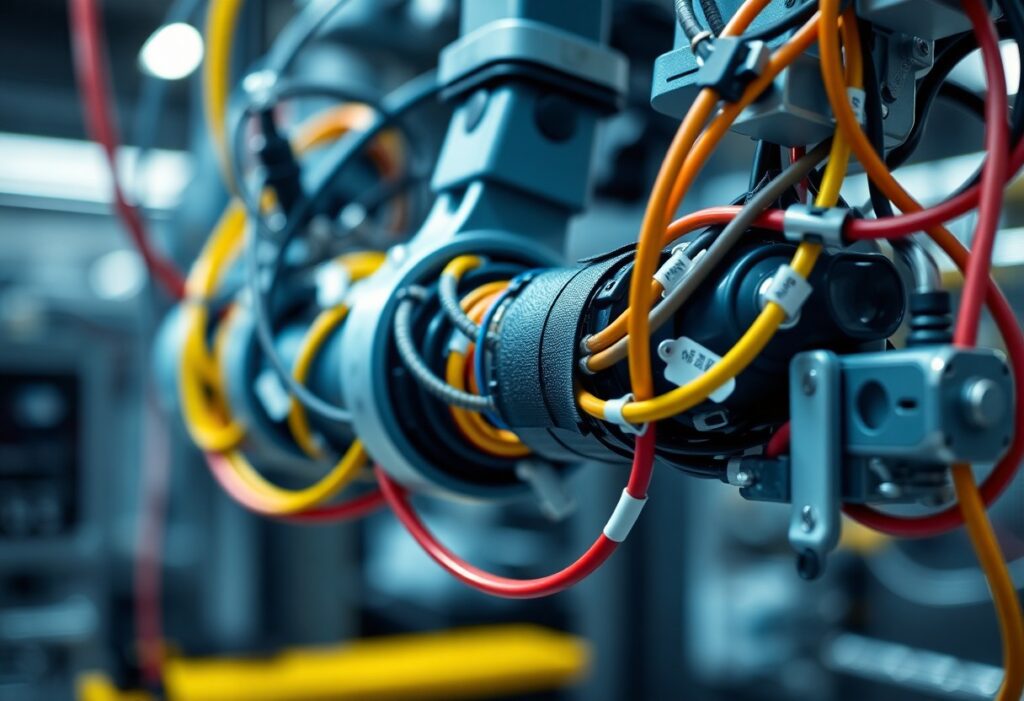
You define how modules communicate by adopting consistent interface standards. Physical connectors, data protocols, and power requirements must align across components to ensure compatibility. Choosing widely supported standards simplifies integration and encourages third-party development. Your robot’s modularity depends on these predictable, repeatable connections that let modules swap without custom adaptations.
Scalable Hierarchies
You design systems where modules operate at multiple levels of abstraction, enabling complexity to be managed without sacrificing performance. Each layer in the hierarchy communicates through standardized interfaces, allowing higher-level controllers to coordinate lower-level functions efficiently. This approach lets you expand capabilities by adding new tiers without disrupting existing operations. Your robot’s intelligence grows organically, adapting to larger tasks while maintaining modularity and control.
Physical Assembly
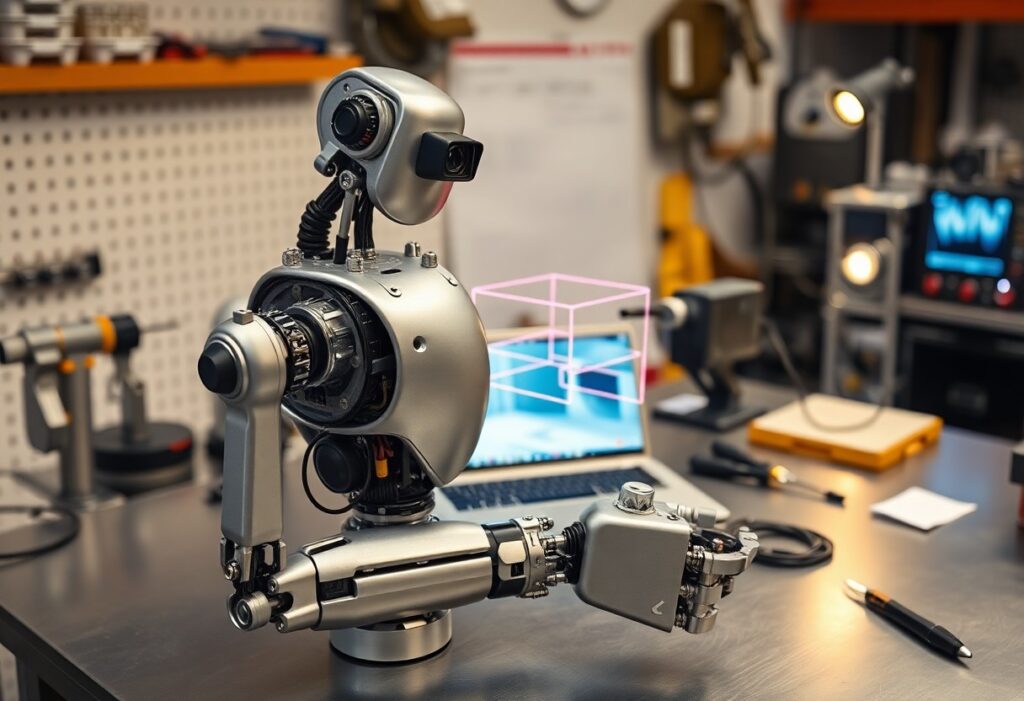
You connect modular components using standardized mechanical interfaces that ensure alignment and stability across varying configurations. Each module integrates with precision, allowing quick attachment and detachment without specialized tools. Your design accommodates different form factors while maintaining structural integrity, enabling robots to adapt physically to new tasks. This approach simplifies repairs and upgrades, supporting true scalability in real-world applications.
Autonomous Reconfiguration
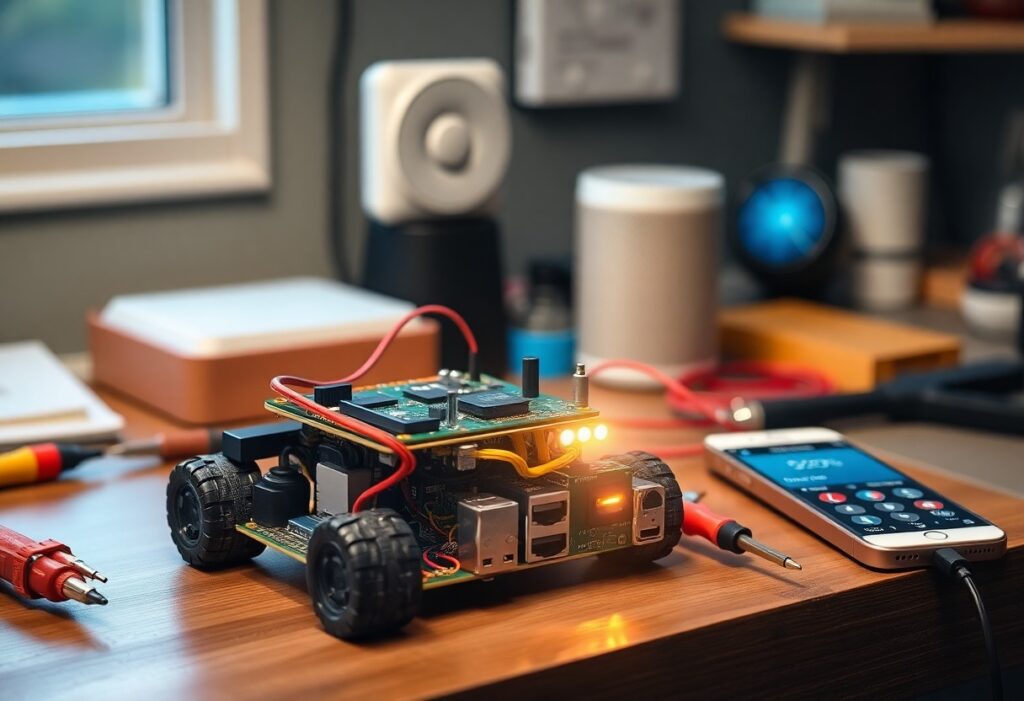
You enable robots to adapt on the fly by designing systems that autonomously reconfigure their physical and functional structure. Sensors detect environmental changes or task demands, triggering onboard algorithms to assess optimal module arrangements. Without human input, the robot disassembles and reassembles its components to suit new challenges-transforming from a rolling vehicle to a climbing arm or a floating sensor array. This dynamic capability extends operational range and resilience in unpredictable settings.
Conclusion
Now you understand that constructing robots with scalable modular architectures allows for flexible, adaptable designs. You can build systems that grow and change without redesigning from scratch. Your approach benefits from standardized interfaces and interchangeable components, making development faster and more efficient. This method shapes the future of robotics through practical, accessible innovation.